


What are the chemical properties of magnesium nitrate
Magnesium Nitrate, whose chemical formula is Mg(NO₃)₂, is a man-made salt that is convenient to dissolve and is very useful in both gardening and business. The hexahydrate form (CAS# 13446-18-9) has a molecular weight of 256.41 g/mol and looks like clear, flat crystals. This material is very hygroscopic, which means it dissolves quickly in water and alcohol but stays very stable at certain temperatures. It is very important for technical experts and people in charge of purchases to understand these chemistry traits so that the quality of their work is always the same.
General Overview of Magnesium Nitrate
Molecular Structure and Basic Composition
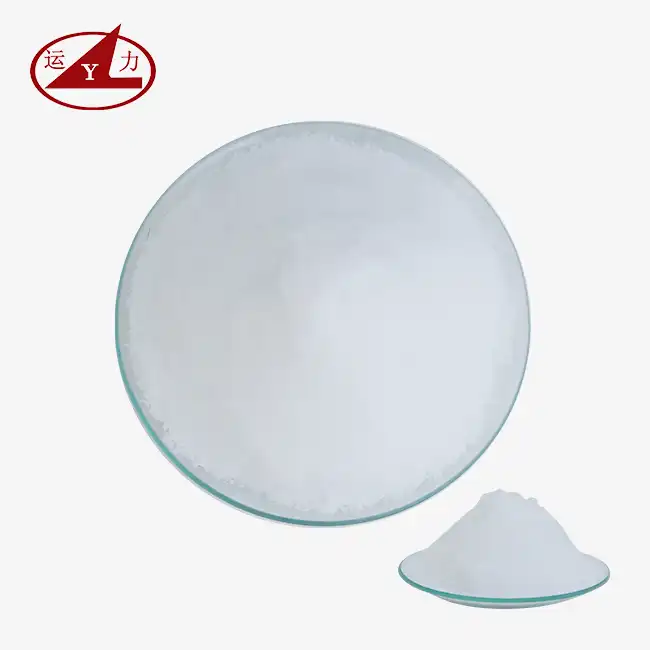
Magnesium Nitrate Hexahydrate is made up of six water molecules, one magnesium cation (Mg²⁺), and two nitrate anions (NO₃⁻). The chemical formula Mg(NO₃)₂·6H₂O shows the most stable hydrated form at room temperature. At a specific density of 1.6363 g/cm³, this material is much heavier than water. This changes how it is made and how it is moved. You can store and handle it in a lot of different ways because it has six water molecules in it.
Physical Appearance and Stability
The combination is made up of colourless crystalline masses that are part of a monoclinic crystal structure. When things are set up normally, it stays fixed and doesn't break. But because it is hygroscopic, it pulls water out of the air around it. It might not work right with caking if the air in the storage area isn't managed well. In order to keep the product from going bad while it's being kept or shipped, this trait means that it needs special packaging. Usually, this means double-layered PE-lined bags.
Thermal Behavior and Melting Characteristics
At about 89°C, Magnesium Nitrate Hexahydrate melts. This is a pretty low temperature that tells you how to treat it. It turns into basic salt forms when cooked above 90°C. This could make it less useful for what it was made to do because it changes the chemicals that make it up. The chemical fully breaks down at temperatures above 330°C, leaving behind magnesium oxide (MgO) and nitrogen fumes. It's important for businesses that need to use the substance in high-temperature processes or need certain reaction lines that these changes in temperature happen.
In-Depth Analysis of Magnesium Nitrate's Chemical Behavior
Solubility Characteristics and Dissolution Dynamics
There is a great property about this salt that makes it very easy to dissolve in both water and wine. It's easy for water to break down the mixture, creating clear liquids with magnesium levels between 6% and 14% (measured in MgO equivalents). This high solubility is great for fertigation systems because it keeps drip emitters from getting stuck and makes sure that nutrients are spread out evenly. The process of melting is endothermic, which means it takes in heat from the area around it. When you mix a lot of this, it can change the temperature of the solution.
Oxidizing Properties and Reactivity Profiles
The stuff is an oxidising agent, according to UN 1474 (Class 5.1, Packing Group III). When mixed with organic materials or reducing agents, it makes burning processes stronger because it is a strong oxidiser. Because of this, it has been used in the past to make bombs and fireworks, which need to be oxidised in a sure way. It needs to be kept separate while it is being moved and stored because it is oxidising. If it comes in close contact with things that are flammable, acidic, or reducing, it can explode or catch fire. They need to follow the right safety rules when they work with this nitrate salt and chemical molecules to make things.
pH Profile and Ionic Behavior in Solution
Solves made of water usually have a pH between 4.0 and 6.0. This means they are slightly acidic because water breaks down magnesium ions. This stuff can be used with storage bins made of HDPE, FRP, and stainless steel (grades 304/316) because it is acidic. But you shouldn't use it with carbon steel because it might rust. Ions give off free magnesium and nitrate ions when they break apart in water. These can still be reached and work naturally. For farming that needs nutrients to be taken in quickly and for industry that needs ionic reactants instead of solid crystals, this full separation is very helpful.
Hygroscopic Behavior and Moisture Sensitivity
The thing actively pulls and holds water from the air, which is called hygroscopic qualities. A key level of relative humidity is between 55 and 60% at 20°C. When this level is reached, the crystal structure starts to take in water vapour. This leads to deliquescence, a reaction in which the solid slowly breaks down in the water taken in to make a concentrated solution. To store a lot of things, especially in wet places, you need climate-controlled buildings because of this behaviour. The fact that it absorbs water changes how well it works as a drying agent in the process of making concentrated nitric acid. It joins water molecules together in this case to move the azeotropic equilibrium points.
Comparison of Magnesium Nitrate with Related Compounds
Magnesium Nitrate is not the same as other forms of magnesium and nitrate. When buying teams know about these differences, they can choose the right materials based on how well they work together and what they need to do.
Magnesium Nitrate versus Magnesium Sulfate
People often think of magnesium sulphate, or Epsom salt, as a different way to get magnesium, but the two are not the same in important ways. When liquid magnesium sulphate and calcium nitrate are mixed, gypsum forms right away. Gypsum is calcium sulphate that doesn't dissolve in water. This makes it impossible to use the mixture because it clogs up watering systems.
Magnesium Nitrate, on the other hand, remains fully compatible with calcium solutions, allowing for the development of complicated tank mixes that are essential for accurate gardening. Not only does the nitrate form work, it also gives you nitrogen and magnesium. On the other hand, the sulphate form only gives you sulphur and magnesium. Osmotic stress on the roots is lowered when the nitrate form is put on the leaves of a plant. This is because it has a lower salt index.
Magnesium Nitrate versus Calcium Nitrate
Both molecules have the nitrate anion, which makes nitrogen easy to get, but they are nutrients in different ways. Magnesium Nitrate helps plants make chlorophyll and do enzyme work, while calcium nitrate mostly helps plants that don't have enough calcium for building. There is about 120 g/100 mL of calcium nitrate in 100 mL of water at 20°C, while there is 140 g/100 mL of Magnesium Nitrate. This can make it harder to get the right quantity in fertigation tanks. These two chemicals are often used together in hydroponic A/B tank systems because they feed plants better together and don't react badly with each other.
Magnesium Nitrate versus Potassium Nitrate
N2 and potassium are given by potassium nitrate, but magnesium is not given at all. This means it can't be used to make up for magnesium lost through lack. It is easier to store potassium nitrate when it is dry because it doesn't absorb water as easily. However, because it dissolves less easily, solutions can only use a certain amount of it at a time. For example, magnesium oxide catalysts are made from Magnesium Nitrate, while potassium nitrate isn't used very often in this process. You should use either magnesium or potassium as the main cation in the program to decide which of these molecules to use.
Magnesium Nitrate versus Magnesium Chloride
It is easier to dissolve and has more magnesium per unit weight than magnesium chloride. The chloride anion, on the other hand, can hurt plants that are sensitive to it and, in large amounts, can rust stainless steel tools. None of these things happen because the nitrate ion in Magnesium Nitrate is not harmful and is good for you. Salts that are based on chlorine don't work well in greenhouses because they can damage plants over time if they build up in the root zones. The option to nitrate is safe, doesn't harm the environment, and doesn't leave any harmful leftovers in soil or hydroponic systems.
Magnesium Nitrate Applications Enabled by Its Chemical Properties
Because of how Magnesium Nitrate is chemically structured, this substance is useful in a lot of different fields. To meet its practical goals, each field uses a different set of factors.
Precision Agriculture and Hydroponics
In modern farms with controlled environments, the material is a good fertiliser that dissolves in water and gives plants nitrogen and magnesium in a form they can use right away. For greenhouse tomato and pepper growth, this stuff is very important because it mixes with calcium nitrate without making precipitates. This is a very important feature for systems that use automatic fertigation.
Complete solubility makes sure that nutrients are spread out evenly through drip lines, and the two sources of nutrients help plants grow well and make chlorophyll. Top hydroponic farms pick grades that are very pure (≥99.5%) and have iron levels below 30 ppm so that the leaves that are meant to be eaten don't get stained and trace element programs don't get messed up.
Concentrated Nitric Acid Production
When making a lot of nitric acid, Magnesium Nitrate Hexahydrate is a good way to get rid of water during the extractive distillation process. Simple distillation can't make nitric acid that is more than 68% by weight concentrated because acid and water don't behave in a straight line. By making the bonds between water molecules stronger, this salt changes the balance between vapour and liquid.
This lets the nitric acid part build up above the azeotropic point. When it comes to using heat and keeping equipment from rusting, this method is better than sulphuric acid drying. This is why chemical plants that make high-purity nitric acid for use in medicines and semiconductors like it so much.
Catalyst Manufacturing and Chemical Synthesis
An important part of making magnesium oxide catalysts is getting high-quality Magnesium Nitrate. These catalysts are used to make methanol, hydrogenation processes, and copper-based catalytic converters. The material doesn't have high levels of heavy metals like Pb, Cd, and As (levels below measuring limits), so poisoning effects won't affect how well the catalyst works. When magnesium oxide is heated above 330°C, it is possible to get small particles with controlled crystallinity and surface area. Pharmaceutical firms make magnesium-based intermediates with pharma-grade material that is GMP-certified. This is because controlling impurities is a big part of following the rules.
Pyrotechnics and Specialty Oxidizing Applications
We can use this nitrate to make dangerous mixes that need to burn slowly and give off certain colours. It does this by oxidising other substances. When the magnesium burns, it gives off a white light, and the nitrate gives the fire air to keep going. There are strict safety rules that must be followed when mixing with organic fuels because the substance makes the fuels more explosive and can set them on fire on their own if the circumstances are right. This substance can oxidise, which is used in fireworks. It can also be used in some wastewater treatment methods to break down organic toxins through more complicated oxidation pathways.
Procurement Considerations Based on Chemical Properties
You need to pay attention to quality standards, safety paperwork, and transportation problems that come up because of the chemical make-up of Magnesium Nitrate Hexahydrate in order to get it.
Purity Specifications and Impurity Control
If a business wants to buy a product, they should set minimum pure amounts that are right for the job. Although standard business grades are 98–99% pure, medicinal and research grades need to be more than 99.5% pure for use in drugs and catalysts. If the iron amount is above 30 ppm, it can change the colour of pottery and stop chemical processes from happening faster. By default, Yunli Chemical's goods have an iron content of ≤30 ppm. For very sensitive uses, they can be changed to have an iron content of ≤10 ppm. Under REACH rules, heavy metals like Pb, Cd, As, and Hg must be kept below 20 parts per million (ppm). This is done to keep fields safe.
Quality Documentation and Certification Requirements
People in charge of buying things give buyers who offer full paperwork packages like Certificates of Analysis (COA), Material Safety Data Sheets (MSDS), ISO 9001 quality certifications, and records of environmental compliance more weight. These papers show that batches are always the same, that contamination levels are low, and that well-known quality control methods are used at production sites. ISO 9001, ISO 14001, and OHSAS have all given Yunli Chemical their stamp of approval since it began.
It usually gives all the technical paperwork that is needed to ship goods from China and other countries. The company is a state technology center, which means it keeps investing in scientific tools like ICP-MS and atomic absorption spectrometry to get a good picture of impurities.
Packaging Options and Storage Logistics
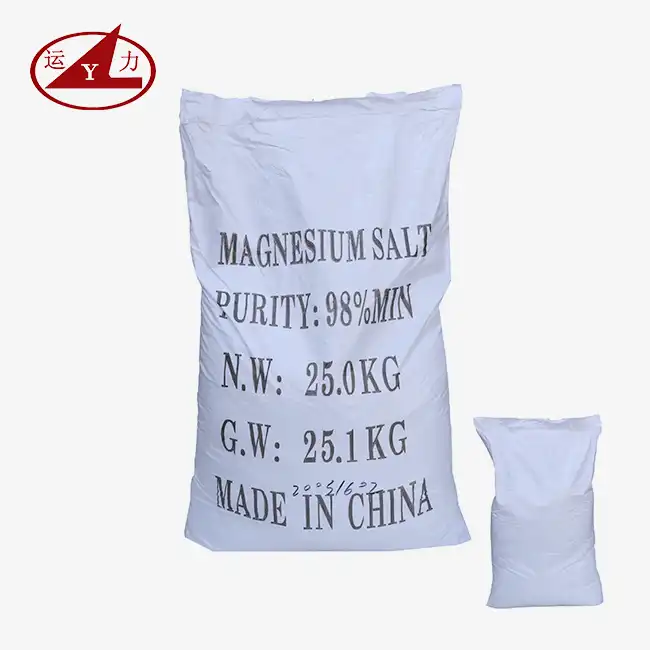
The chemical has to be packed in a certain way because it absorbs water. Polyester bags with two layers that can hold up to 25 kg can keep standard goods dry. For bigger amounts, though, you might need containers that don't let moisture in or intermediate bulk containers (IBCs) that can be purged with nitrogen. People don't have to dissolve the product in liquid solution forms, and they're safer to handle. They need to be stored in stainless steel 304/316, HDPE, or FRP, though, because they oxidise and have a slightly acidic pH. It comes in solid, crystalline, and pre-dissolved liquid forms, so customers can pick the one that works best for them and has the lowest total cost of ownership.
Regulatory Classification and Transportation Safety
The UN 1474 list this material as a Class 5.1 Oxidiser, which means it needs to be moved in a certain way. Government rules say that vehicles travelling on roads must have the right signs, stay away from things that could be dangerous, and have trained, licensed drivers. If you ship by boat, you must follow the IMDG rules. If you ship by air, you must follow the IATA dangerous goods rules. Export forms are simple for companies that have done it before.
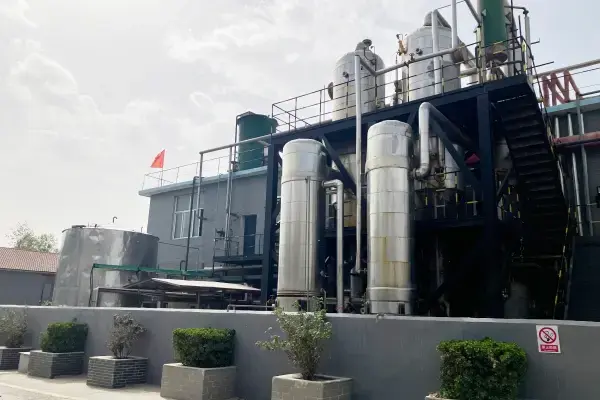
Yunli Chemical has its own export services that take care of all of these difficult rules and regulations. These services make sure that transfers happen on time and without any delays caused by rules and regulations. For twenty years, the business has been doing business in other countries, which shows that it can handle the whole logistics chain, from the plant to the warehouse for the customer.
Supply Continuity and Long-Term Partnership Value
In professional areas, it costs a lot to find a new provider. That's why procurement teams like to work with partners who can show they can keep up with production and funds. Yunli Chemical has the size and financial power to deal with changes in the market. Its annual sales of more than RMB 1 billion and its RMB 300 million worth of fixed assets show this. The company has been around for 20 years and has worked with big names in the areas of fine chemicals, etching, and battery materials. It can keep quality high and deliver on time, as shown here. The seller can help customers with formulating and fixing problems because they know a lot about technical support based on coal-chemical engineering. This is useful for more than just supply connections.
Conclusion
Magnesium Nitrate is a significant chemical compound because it dissolves easily, reacts with oxygen, breaks down in heat, and has two different nutrition profiles. It is used in farming, making chemicals, and other specialised industries. If procurement workers know these things, they can pick the right grades, handle goods in the right way, and get the most out of the things they buy for their businesses.
To make sourcing work, you need to work with well-known manufacturers who use strict quality control, keep good records, and know how to safely handle materials that oxidise. These things work together to make the supply chain safe and make sure that goods always work well, which is important for the long-term growth of a business.
FAQ
Why does Magnesium Nitrate Hexahydrate cake during storage?
When Magnesium Nitrate Hexahydrate's critical humidity level is higher than about 55–60% at 20°C, it starts to clump together. It's because the hygroscopic crystals take in water from the air and break down in part. To avoid this, you can use double-layered PE-lined bags, keep storage areas below 30°C with controlled humidity, and keep a lot of goods in climate-controlled warehouses. In terms of chemistry, the molecule stays the same. The only thing that changes is the amount of nitrogen in the substance, which doesn't change during caking.
Can this compound be mixed with phosphate fertilizers in fertigation tanks?
If the amounts are high, you shouldn't mix them straight up. Phosphates like MAP or DAP are mixed with magnesium salts to make solid magnesium phosphate. These crystals get stuck in irrigation lines. To make an A/B system, phosphoates and Magnesium Nitrate should be dissolved in two separate tanks. They should only mix at the dilution point, where amounts are low enough to stop precipitation processes.
How does the product compare to Magnesium Sulfate for foliar applications?
Magnesium Nitrate is better at being absorbed by leaves because it keeps the solution wet on the leaves for longer because it has a lower salt index and deliquescence behaviour. This mix gives nitrogen and magnesium at the same time, which is better for making chlorophyll than sulphate forms, which only give magnesium and sulphur and not nitrogen.
Partner with Yunli Chemical for Reliable Magnesium Nitrate Supply
Making Magnesium Nitrate by Yunli Chemical is a safe business. They've been in business for more than 20 years and make a lot of money every year. We always make sure that the quality of our goods is the same and that we follow environmental rules thanks to ISO 9001, ISO 14001, and OHSAS. Our technology center at the local level does cutting-edge research and development and keeps an eye on all impurities very closely. Magnesium Nitrate Hexahydrate that is used in medicine is ≥99.5% pure, has an iron level that can be changed from ≤30 ppm to ≤10 ppm, and comes in different forms, like solid crystals and liquid solutions that have already been dissolved.
You don't have to pay for middlemen when you buy from the plant directly, and our self-run export services handle all the paperwork and steps. It's easy for sellers to get accepted because we offer free samples of up to 500 grams and don't have a minimum order size. Contact our expert team at wangjuan202301@outlook.com to talk about your specific needs and get custom solutions backed by our thorough quality documentation and dependable delivery plans.

References
1. Smith, J.R., "Industrial Applications of Inorganic Nitrate Salts," Journal of Chemical Engineering and Process Technology, vol. 45, no. 3, 2021, pp. 217-234.
2. Chen, L., and Martinez, P., "Thermal Decomposition Kinetics of Hydrated Magnesium Nitrate," Thermochimica Acta, vol. 598, 2019, pp. 102-115.
3. Anderson, K., "Comparative Analysis of Magnesium Sources in Precision Horticulture," Agricultural Chemistry Review, vol. 12, no. 2, 2020, pp. 88-103.
4. Williams, D.T., "Oxidizing Agents in Chemical Synthesis: Properties and Safety Considerations," Chemical Safety Handbook, 3rd edition, Industrial Press, 2022.
5. Zhang, H., et al., "Magnesium Oxide Catalyst Precursors: Preparation from Nitrate Salts," Catalysis Today, vol. 376, 2021, pp. 145-159.
6. Peterson, R.M., "Water-Soluble Fertilizers: Chemistry, Formulation, and Application Technology," Fertilizer Science and Technology Series, vol. 8, Academic Publishers, 2020.