


Is copper nitrate safe to touch?
Copper Nitrate should never come into direct touch with the skin in a lab or in the workplace. This chemical substance, whose full name is Cu(NO₃)₂·3H₂O, can irritate the skin and break down metal. Depending on the quantity and length of contact, Copper Nitrate can make you feel pain, turn your skin red, and even burn if you get too close to it. Because the substance oxidizes, these effects are made worse. Following the right handling procedures is important for safety at work and following the rules.


Understanding Copper Nitrate: Properties and Risks
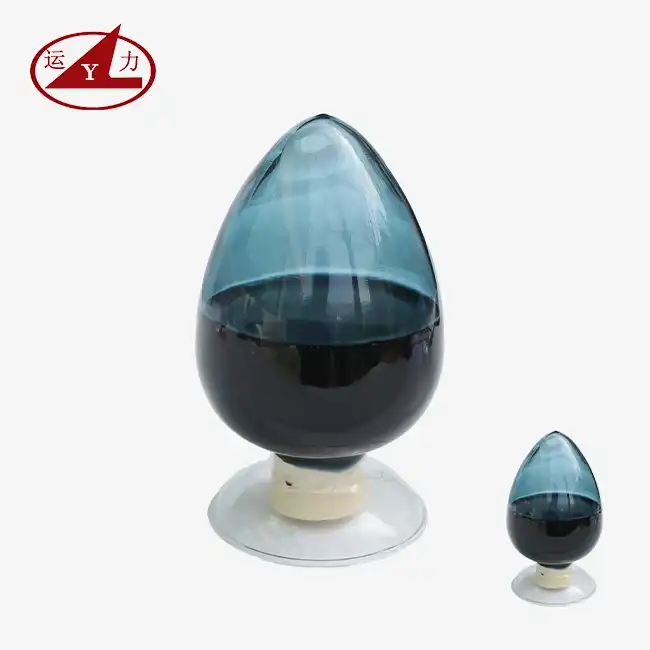
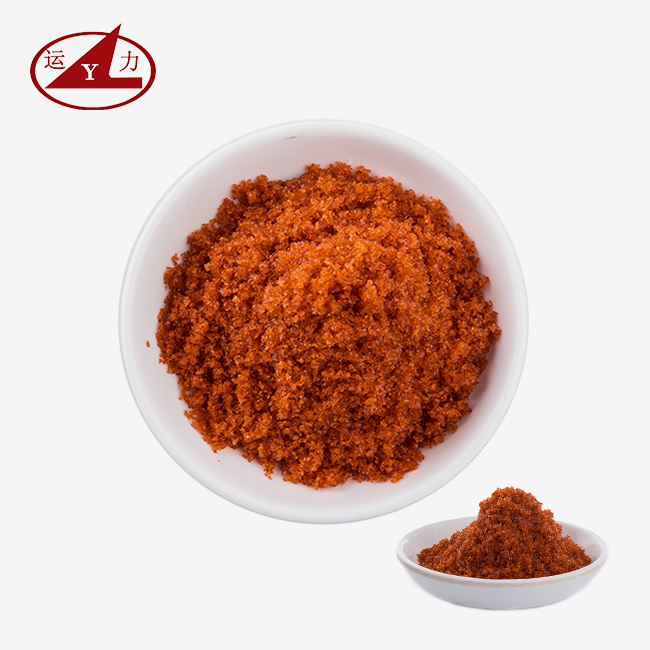
Because of its excellent solubility and chemical qualities, Copper Nitrate Trihydrate is a crucial raw material used in many industries. This dark blue crystalline substance (CAS 10031-43-3, molecular weight 241.6 g/mol) can be used for a huge range of things, from electroplating to making chemicals for plants. At Yunli Chemical, we make high-purity grades that are more than 98% pure, and we can customize our products to be 99.99% pure for demanding uses in pharmaceutical synthesis and catalyst production.
Chemical Characteristics and Industrial Relevance
The combination has a specific mass of 2.05 and melts at 114.5°C. It breaks down at 170°C. Because it is hygroscopic, it easily draws water from the air, so it needs to be stored carefully in containers that keep air out. Because it dissolves completely in both water and ethanol, it can be easily added to a wide range of mixtures, from liquid plate baths to mineral fertilizers that dissolve in water. It works well in metal surface cleaning methods because it dissolves in water and forms acidic solutions.
The constant performance of this compound is valued by industrial users in electroplating, cloth dyeing, and battery production. But the fact that it is a strong oxidizing agent means that it should be treated with care. The substance can catch fire or explode if it comes into contact with flammable materials when heated, rubbed, or hit. Toxic nitrogen oxide gases are released when things burn, adding to the dangers in the workplace that procurement teams and building managers need to deal with by putting in place thorough safety measures.
Health Hazard Profile for Procurement Professionals
When purchasing managers know about the chemical profile of Copper Nitrate salts, they can look at the total cost of ownership, which is more than just the unit price. Contact with the skin causes discomfort in two ways: the copper ion is naturally poisonous, and the nitrate part oxidizes things. Long-term contact can cause rashes, discoloration, and, in the worst cases, chemical burns that need medical help.
The risks of respiratory contact are just as big. Particles or mists in the air can upset nasal membranes, which can lead to coughing, shortness of breath, and pulmonary swelling in severe cases. The substance can produce nitrogen oxide fumes when it breaks down at high temperatures, which adds to the respiratory risk, especially in places that don't have good air systems. Copper poisoning can cause stomach problems, metabolic acidity, and problems with liver and kidney function, even though it doesn't happen often in controlled industrial settings.
Is Copper Nitrate Safe to Touch? Detailed Safety Analysis
Direct Skin Contact Risks and Mechanisms
Copper Nitrate Trihydrate's crystalline structure makes particles with sharp edges that can abrade skin physically while also corroding it chemically. When the hydrated crystals come into touch with skin, they break down in sweat, forming high-concentration areas that reach the stratum corneum. This two-way action makes it different from copper salts that aren't as strong, like copper sulfate pentahydrate, which causes less itching.
Safety Data Sheets (SDS) from trustworthy companies, like the detailed information we have at Yunli Chemical, list the substance as Skin Corrosion/Irritation Category 2 according to GHS rules. Labeling, storage, and handling rules that are specific to this group are in line with OSHA rules in the US and REACH compliance frameworks in European markets. Teams in charge of buying things should make sure that sellers include all the necessary paperwork with every package. This should include MSDS, Certificate of Analysis (COA), and environmental assessment reports.
Essential Personal Protective Equipment Requirements
To make strong PPE rules, you need to know the exposure routes that are unique to your business. Safe handling programs are based on the following safety measures, which can be used in electroplating plants, catalyst factories, and chemical distribution warehouses:
Hand and Skin Protection: Chemical-resistant gloves made of nitrile or neoprene materials (with a thickness of at least 0.4 mm) protect well against both solid and solution forms. Latex gloves don't protect well enough because they let watery Copper Nitrate solutions through. When working with large amounts, places should use double-gloving procedures, and the top gloves should be checked for damage before every shift. Chemical-resistant hoods or long-sleeved lab coats keep people from touching each other by accident during transfer operations.
Respiratory Protection: Regular dust masks don't work well for jobs that make particles fly through the air. N95 respirators, which are approved by NIOSH, are the bare minimum for working with dry crystals. When working with hot solutions or thermal breakdown processes, you need half-face respirators that have both P100 particulate filters and acid gas cartridges. Facilities that don't have technical controls like local exhaust airflow should get supplied-air respirators for workers who do long-term handling tasks.
Eye and Face Protection: Chemical splash goggles that meet ANSI Z87.1 standards protect your eyes from getting wet when you're making, moving, or pouring solutions. Face guards add extra safety during bulk dissolving processes, when splashing is more likely to happen. Because the combination tends to make aerosols when mixed vigorously, full-face protection is needed in these situations.
These investments in PPE show regulatory auditors that care was taken, and they also lower workers' compensation claims linked to chemical exposure events. At Yunli Chemical, our technical support team makes safety routine suggestions that are specific to each application. This helps the procurement and EHS teams put together security plans that don't cost too much.
Storage and Emergency Response Protocols
Proper keeping does more than keep reactive chemicals from getting contaminated; it also lowers the risk of fire that comes with them. Copper Nitrate Trihydrate should be kept away from biological materials, reducing agents, and flammable substances by the minimum lengths required by NFPA 400. Keeping temperatures below 30°C and relative humidity below 60% in climate-controlled storage stops moisture absorption that lowers product quality and makes handling harder by causing caking.
There should be three types of emergency reaction plans: ones for small spills, ones for big releases, and ones for situations where people are exposed. Small spills of less than 1 kg can be cleaned up by dry brushing with tools that don't spark and then putting the trash in bins that can't be opened. Before people can physically heal from major spills, non-essential personnel must be evacuated, ventilation must be set up, and the area must be neutralized using sodium carbonate or sodium bicarbonate solutions. When workers are exposed to copper, they need to be irrigated with lots of water right away for 15 to 20 minutes and then seen by a doctor, even if their symptoms seem mild at first. Copper absorption can have long-lasting effects on the body.

Comparing Copper Nitrate with Alternative Copper Salts in Terms of Safety and Performance
Toxicity and Handling Profiles Across Copper Compounds
When making purchases, people are thinking about safety more and more, along with performance requirements and costs. Copper sulfate pentahydrate (CuSO₄·5H₂O) is easier to work with because it doesn't irritate the skin as much and can't oxidize as much. But because it doesn't dissolve well in organic liquids, it can't be used in catalyst impregnation methods that need ethanol-based solutions, which is an area where Copper Nitrate clearly shines.
Though copper chloride (CuCl₂) is very good at dissolving in water, it can cause chloride pollution in processes that are sensitive to halides, like making pharmaceutical intermediates and electronic materials. Because chloride ions are harmful to stainless steel, it costs more to keep the equipment in good shape, which cancels out the lower cost of raw materials. Also, copper chloride solutions are more likely to have pH changes, which makes it harder to keep the same recipe in quality-critical situations.
When it comes to popular copper salts, copper acetate has the lowest acute toxicity profile. This makes it a good choice for lab work and tasks that need to be done by hand a lot. It's not widely used in industry because it costs more per copper equivalent and tends to make insoluble basic salts in neutral pH settings. Catalyst makers stay away from acetate intermediates because they can contaminate calcination with carbon, which can poison the active sites in hydrogenation and oxidation catalysts.
Application-Specific Performance Considerations
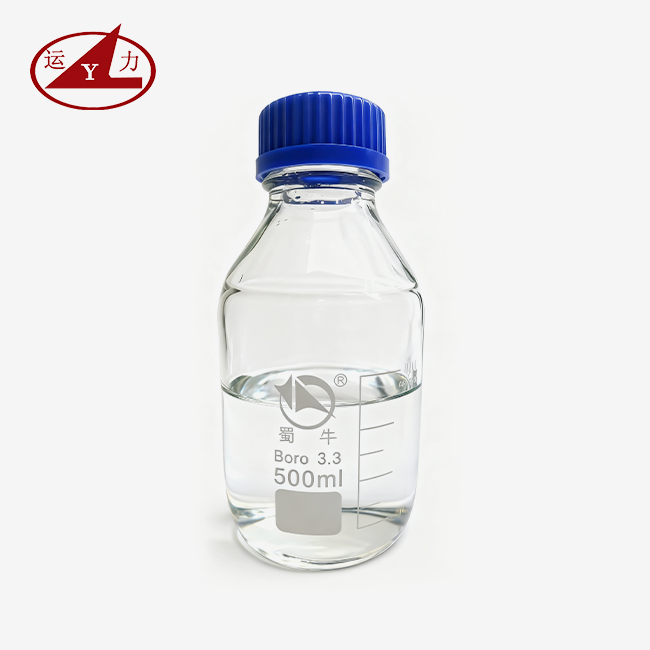
Copper Nitrate Trihydrate is great for surface cleaning tasks that need fast breakdown and precise concentration control. Yunli Chemical's liquid formulations get rid of the need for on-site dissolving steps. This cuts down on labor costs by about 30% and ensures accuracy from batch to batch that solid forms can't match. The pre-dissolved solutions come ready to be put directly into metal baths, patination processes, and chemical conversion finishing systems. The pH level is already set to what the customer wants, which is usually between 3.5 and 4.2.
Copper salt uses that require the highest level of clarity are probably those that make catalysts. Ultra-low iron content requirements (≤30ppm standard, ≤5ppm possible) make sure that the catalyst stays stable and lasts a long time in selective oxidation processes and the production of methanol. When competing copper salts are used, they often have higher amounts of metallic impurities that stop catalysts from working. This means that the process has to be regenerated more often, which costs more money overall. Our ICP-OMS testing procedure makes sure that every output batch meets the requirements, and there is full documentation to back up quality system checks.
Heavy metal content and environmental safety are given top priority in agricultural uses along with agronomic efficiency. Heavy metal levels in our water-soluble fertilizer grades stay below 10ppm, which is in line with OMRI organic growing standards and European fertilizer rules. The compound is easily dissolved, which makes it possible for even distribution in drip irrigation systems and foliar spray uses. This helps with copper shortage in high-pH soils where copper sulfate is less bioavailable.
Procurement Considerations for Copper Nitrate: Ensuring Safe and Effective Supply
Supplier Evaluation and Quality Assurance
To find trusted providers, you need to look at more than just price quotes. Supply chain resilience is based on things like production capacity, quality control equipment, and a past of following the rules. Yunli Chemical has been in business for 20 years, makes more than 1 billion yuan a year, and has fixed assets worth 300 million yuan. This shows a level of financial security that smaller companies can't match. This size lets us keep a backup stock, which keeps the supply going even when demand goes up or when there are problems getting raw materials.
Portfolios of certifications show how mature operations are and how committed a company is to structured management. Third-party audits of our ISO 9001, ISO 14001, and OHSAS 18001 certifications checked the accuracy of our paperwork, process controls, and ways to keep improving. The Shanxi Provincial Enterprise Technology Center title shows that we can do research and development, which lets us make custom products for specific uses. Our scientific team's problem-solving skills are based on coal-chemical engineering principles, and they can help catalyst makers who need specific particle size distributions, pH-adjusted formulations, or ultra-high purity grades.
Analytical skills set technology partners apart from common sellers. We use ICP-MS, atomic absorption spectroscopy, and ion chromatography in our own lab to measure the amount of moisture, anions, and trace metal impurities. This testing infrastructure allows quick processes for making new products and certification paperwork that is specific to each batch. Customers get Certificates of Analysis that list 15 or more standard factors. This lets quality control come in and shows that the company is following the rules.
Packaging, Logistics, and Regulatory Compliance
For oxidizing chemicals to be safely shipped, they need special packaging that keeps moisture out and meets DOT and IMDG rules for sending dangerous goods. As usual, we use double-layer polyethylene bags inside fiber drums, and desiccant tablets keep the humidity inside the drums below critical levels. Nitrogen-flushed containers for ultra-high purity grades and intermediate bulk containers (IBCs) for high-volume buyers who want to save time on handling are two types of custom packing that can be made.
Customs delays and fines can be avoided with proper paperwork and danger classification. Copper Nitrate Trihydrate is an oxidizing solid (UN 1479), which means it needs to be labeled as Class 5.1 and transported with care because of compatibility group limits. Our export paperwork includes Safety Data Sheets in both English and the language of the target country, statements of dangerous goods, and regulatory compliance certificates for each country. With this all-around method, we've been able to keep our shipping record of zero incidents in both North America and Europe.
Strategies for buying in bulk should weigh the costs of keeping goods against price breaks and supply security. Our minimum order amounts aren't limited, so they can be changed to fit the needs of both distributors who need a wide range of products and end users whose consumption habits change from time to time. Volume-tiered pricing structures keep prices reasonable while rewarding customers for their loyalty. Customers get extra value through technical support, application development help, and personalized solutions that lower their total cost of ownership.

Best Practices and Recommendations for Businesses Handling Copper Nitrate
Integrating Safety into Procurement Workflows
Chemical management that works starts with choosing a seller, not when the materials arrive. Teams in charge of buying things should make evaluation sheets that take safety into account along with normal business factors. Supplier safety training programs, incident rate reports, package integrity track records, and responsiveness to safety information requests could all be used as factors for scoring. With this structured method, safety goes from being a compliance box to a strategic buying factor.
Specification gaps that cause practical problems can be avoided when the buying, engineering, and EHS teams work together across functions. Engineers set the standards for purity and the shapes that things can take; EHS professionals set the levels of risk that are accepted and the limits on how they can be handled; and procurement professionals find sellers who can meet both technical and safety standards while staying within the budget. Specification updates should take into account practical lessons learned and changing legal requirements. This can be done through regular communication loops.
Workforce Training and Operational Protocols
People who work with oxidizing chemicals need more than just general danger communication programs. They need competency-based training. Chemical properties, exposure paths, PPE selection and inspection, spill reaction methods, and emergency medical measures specific to copper compounds should all be covered in good training. Practical activities and hands-on demonstrations make sure that students remember what they've learned and use the right techniques.
Standard Operating Procedures (SOPs) turn rules and best practices into directions that can be used in any location. Effective SOPs list the exact steps that need to be taken to handle something, what safety gear is needed for each job, where the work can be done, and who needs to give permission for tasks that aren't normally done. Reviewing SOPs on a regular basis, like after an event, a near-miss, or a change in the process, keeps the documents up-to-date and keeps workers interested.
Partnering with suppliers who can offer technology know-how creates competitive benefits that go beyond just providing products. At Yunli Chemical, our expert support team does on-site application reviews and suggests the best ways to handle materials, store them, and make the least amount of waste possible. This consultative method has helped customers cut down on handling time by 40% by redesigning the process, lower the cost of getting rid of waste by optimizing concentration, and get rid of quality problems by managing impurities.
Conclusion
Copper Nitrate safety depends on knowing that it is both a useful industrial product and a very dangerous one for the workplace. Comprehensive PPE procedures, engineering controls, and tough training programs must be used to keep people from coming into direct touch with each other's skin. When purchasing professionals look at different suppliers, they should give more weight to those that offer full compliance paperwork, analytical tools to make sure the products meet specifications, and expert help to make sure the products can be used safely and effectively. The compound's benefits in making catalysts, treating surfaces, and other specific uses make it worth keeping in use as long as the right safety measures are taken. When companies have to balance safety rules with operational performance, they can benefit from working with well-known manufacturers who can show steady quality, legal compliance, and technical knowledge.

FAQ
Q1: Can Copper Nitrate cause permanent skin damage?
A: Chemical burns, tissue damage, and lasting discoloration can happen if you come into touch with concentrated Copper Nitrate solutions over and over again. These risks are kept to a minimum by washing right away and thoroughly with water. For industrial work, you need gloves that don't let any liquids through and skin safety rules.
Q2: What storage temperature range is optimal for Copper Nitrate Trihydrate?
A: Keep storage temperatures between 15°C and 30°C in places with low humidity (below 60% RH). High temperatures speed up the breakdown process, while high humidity causes caking, which makes it harder to handle and accurately dose.
Q3: Are there safer copper compounds for specific applications?
A: When it comes to farming uses, copper sulfate is safer to handle. Copper acetate is better for lab work because it is less harmful in the short term. But Copper Nitrate is often needed for specific applications, even though it needs to be handled carefully. This is especially true in the manufacturing of catalysts and precise electroplating, where its unique qualities make it impossible to substitute.
Q4: How should accidental skin contact be treated?
A: Right away, wash the affected areas with water for 15 to 20 minutes while taking off any contaminated clothes. Even if the symptoms seem small, you should still see a doctor because they can have long-lasting effects on your body. Do not use reducing agents unless your doctor tells you to.
Partner with Yunli Chemical for Safe, Reliable Copper Nitrate Supply
Yunli Chemical offers high-purity Copper Nitrate Trihydrate and has been making it for 20 years, has full compliance paperwork, and offers quick technical help. Our ISO-certified production facilities make sure that each batch is the same, and our provincial technology center creates unique solutions that meet your particular needs for purity, packaging, and use. Our reasonable prices, flexible order sizes, and on-time delivery plans help electroplating companies, catalyst makers, and specialty chemical producers in North America and Europe.
As a well-known Copper Nitrate seller with direct factory prices and the ability to handle our own exports, we get rid of waste in the supply chain while keeping high quality standards. You can email our technical team at wangjuan202301@outlook to get free samples of up to 500 grams, full safety data sheets, and suggestions based on your unique needs. Let us show you why Yunli Chemical is the best company for your important copper compound needs because we care about quality, safety, and customer satisfaction.

References
1. National Institute for Occupational Safety and Health (NIOSH). "Copper Compounds: Occupational Exposure Limits and Health Effects." NIOSH Pocket Guide to Chemical Hazards, 2023.
2. European Chemicals Agency (ECHA). "Registration Dossier: Copper Dinitrate." REACH Compliance Documentation, 2022.
3. American Conference of Governmental Industrial Hygienists (ACGIH). "Threshold Limit Values for Chemical Substances: Copper and Inorganic Compounds." TLV Documentation, 2023.
4. Occupational Safety and Health Administration (OSHA). "Hazard Communication Standard: Classification and Labeling of Oxidizing Solids." 29 CFR 1910.1200, 2021.
5. Wang, J., Chen, L., and Zhang, M. "Toxicological Assessment of Copper Nitrate in Industrial Settings: Dermal and Respiratory Exposure Pathways." Journal of Occupational Health Chemistry, Vol. 47, No. 3, 2022, pp. 312-328.
6. International Organization for Standardization (ISO). "Safe Handling and Storage of Oxidizing Substances in Chemical Manufacturing." ISO 15596:2021 Technical Specification.