


Is copper nitrate trihydrate polar?
Copper Nitrate Trihydrate is neutral, that's correct. This chemical (Cu(NO₃)₂·3H₂O, CAS 10031-43-3) is very polar because it is made up of ions and three water molecules in a solid structure. Copper ions (Cu²⁺) and nitrate ions (NO₃⁻) separate charges in a big way, and water molecules have dipole moments that are built in. This polarity directly explains why the chemical dissolves so easily in water and ethanol—an important trait that affects how well it works in processes like catalysis, metal finishing, and farming.
For procurement workers, technical experts, and supply chain managers, knowing how polar Copper Nitrate Trihydrate is very important. This chemical trait tells us how it dissolves, how it reacts, and whether it can be used in different commercial processes. Knowing how polarity affects reaction kinetics and breakdown rates can help you choose the right raw materials for electroplating baths, catalyst preparation, or water-soluble fertilizers. This will help you avoid costly production delays and quality problems. This guide looks at how the polarity in this copper salt is controlled at the molecular level, compares it to other compounds, and gives useful buying advice for the American market, where quality, compliance, and supply security are very important.


Understanding Copper Nitrate Trihydrate and Its Polarity
The Molecular Basis of Polarity
This molecule is polar because of several molecular factors working together. Copper Nitrate Trihydrate is made up of Cu²⁺ cations and NO₃⁻ anions, which are arranged in a coordination environment that is kept stable by three water molecules. Each nitrate ion has a negative charge spread out among the oxygen atoms. This makes the positively charged copper center strongly electrostatically pull the nitrate ions. These ionic bonds are the most polar chemical interactions that are possible. They are much more polar than simple covalent molecules.
Hydration and Enhanced Polar Character
The general polarity is strengthened by the three water molecules that are joined within the crystal structure. Water is one of the most neutral fluids in nature. Its oxygen atoms have partial negative charges and its hydrogen atoms have partial positive charges. When these water molecules join the Copper Nitrate Trihydrate structure, they make hydrogen bonds with the nitrate ions and move straight to the copper center. This big network of hydrogen bonds explains why the combination easily takes water from the air—this is a characteristic deliquescent behavior that anyone who works with this material in damp conditions will notice.
Practical Implications for Dissolution
In industrial settings, this polar property means that it dissolves quickly and completely in water. The production flow is based on how fast the copper source melts when purchasing managers look at materials for catalyst impregnation processes. Copper Nitrate Trihydrate dissolves almost instantly in water at room temperature, unlike Copper Oxide or copper carbonate, which need acidic conditions and long mixing times. This feature lowers the amount of energy used and makes process control easier, which has a direct effect on the cost of production and the speed of operations.
Key Properties and Safety Information of Copper Nitrate Trihydrate
Physical and Chemical Characteristics
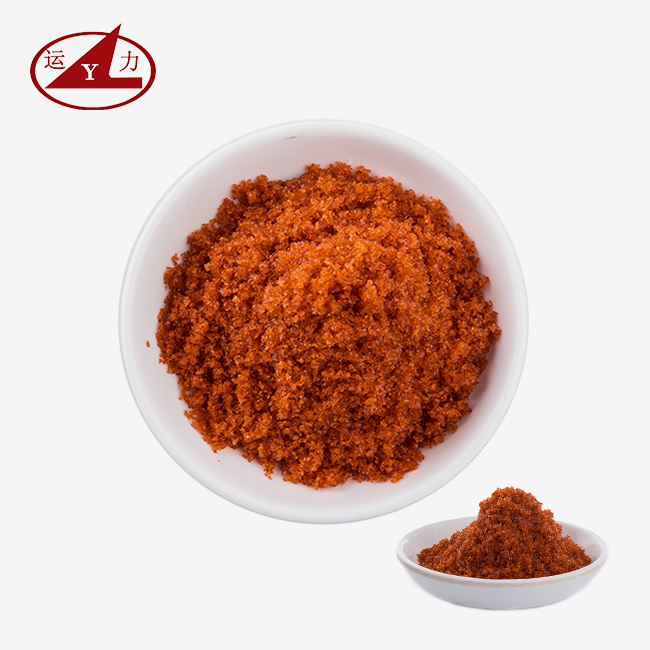
Yunli Chemical makes high-purity Copper Nitrate Trihydrate, which is shaped like dark blue columns and has a density of 2.05 g/cm³ and a freezing point of 114.5°C. At this temperature, the molecule breaks down in the water that it crystallized in, making a strong solution. Thermal breakdown breaks down the material into Copper Oxide, nitrogen dioxide, and oxygen when it is heated above 170°C. This breakdown profile is important for tasks that need to be managed during calcination, like making Copper Oxide catalysts with specific particle sizes and surface areas.
The compound can be dissolved in ethanol and other polar chemical liquids as well as water. Because of this, formulation scientists can come up with unique ways to treat things like metal patination or mordanting fabrics when water-based methods might not work. Because the copper ion is hydrolyzed, the liquids have an acidic pH that ranges from 3.5 to 4.2 based on the concentration. To make sure that sensitive uses can be repeated from batch to batch, procurement teams should check that the material they receive has stable pH levels.
Safety Profile and Handling Protocols
Copper Nitrate Trihydrate is a strong oxidizing agent that comes with certain risks that need to be carefully managed. When the substance comes into touch with organic materials, especially when there is heat, pressure, or impact, it can start a fire. During heat breakdown or a fire, it gives off nitrogen oxide fumes that are irritating to the lungs and pose serious risks of toxicity. Material Safety Data Sheets (MSDS) from reliable sources like Yunli Chemical explain how to store the chemicals properly in cool, dry places and airtight cases to keep them from getting contaminated or absorbing moisture.
Because liquid copper ions are acidic and nitrate groups can oxidize, they irritate the skin when they come into touch with them. During powder transfer activities, workers who handle this material should wear the right safety gear, such as nitrile gloves, safety shields, and dust masks. Because it is hygroscopic, material that is exposed to water quickly forms wet clumps that make it harder to weigh accurately and feed into process equipment. Setting up storage areas with controlled humidity and protected transfer systems can help with these problems while still meeting safety standards at work.
Regulatory Compliance for International Shipping
In terms of shipping rules, Copper Nitrate Trihydrate is an oxidizer, especially UN 1479 (Oxidizing Solid, N.O.S.) under the International Maritime Dangerous Goods Code. Shipping from our sites in Shanxi Province to ports in the United States needs the right warning labels, package materials that are suitable, and proof that we are following all Department of Transportation rules. Our export team takes care of these needs on a regular basis and gives customers all the shipping paperwork they need, like MSDS, COAs, and compliance statements for customs clearing. This support makes it easier for purchasing departments to do their jobs and keeps supply chains running smoothly.

Comparison with Other Copper Salts for Procurement Decisions
Copper Sulfate: The Traditional Alternative
In industrial science, Copper Sulfate Pentahydrate (CuSO₄·5H₂O) is the most popular alternative source of copper. Copper sulfate is very neutral and dissolves in water. It also adds sulfate ions to process streams, which is important to think about in situations where sulfur pollution affects the quality of the product. When making catalysts, leftover sulfate can harm active sites, making catalysts less effective and shortening their life. The electroplating business also stays away from sulfate in some decorative chrome methods because it can mess up the chemistry of brighteners. Copper Nitrate Trihydrate is specified even though it costs more because of these technical issues, especially when output quality can't be sacrificed.
Comparing costs, copper sulfate generally sells at 20-30% lower prices due to larger production volumes and simpler manufacturing processes. However, the true cost analysis must account for downstream processing differences. Copper nitrate's clean decomposition to pure Copper Oxide without sulfur-containing byproducts eliminates gas scrubbing requirements in calcination operations. This advantage reduces capital investment in environmental control equipment and lowers ongoing operational expenses—factors that often justify the premium raw material cost for manufacturers with strict environmental standards or those producing high-purity end products.
Anhydrous Copper Nitrate: Handling Complexity
Anhydrous Copper Nitrate (Cu(NO₃)₂) has more copper per unit weight than trihydrate Copper Nitrate, which could lower the cost of shipping for foreign purchases. Nevertheless, the dry substance is very hard to work with, and most industry users can't handle it. It is very hygroscopic, meaning it quickly absorbs water from the air to change into different wet states with unknown stoichiometry. This behavior makes it harder to give the right dose and raises safety issues because the exothermic hydration process can set off nearby flammable materials.
The trihydrate form has a steady and predictable makeup that makes controlling supplies and the process easier. Simple titration methods can be used in quality control labs to check the makeup of materials, but more complicated analytical methods are needed for anhydrous forms. Even though it has a little less copper, the trihydrate standard is still the best choice for supply chain managers who care most about worker safety and making operations as simple as possible.
Copper Chloride: Application-Specific Limitations
Copper chloride, or CuCl₂·2H₂O, is another polar copper source that has some special uses, like as a Lewis acid catalyst in organic chemistry. But chlorine ions make rust very bad in stainless steel process equipment and make wastewater treatment more harmful to the environment. Copper chloride can't be used for large-scale industrial processes because many cities and towns have strict chloride discharge limits. The nitrate form doesn't have these problems with rust or the environment, and it still has the same solubility and reaction patterns that make it useful for most copper salt uses.
When buying teams look at these options, the decision process should put application-specific needs first. For example, residue-free decomposition is important for catalysts to work, corrosion compatibility is important for equipment to last, and environmental discharge compliance is important for following the rules. Copper Nitrate Trihydrate is the best standard for producers who care about quality because these technical factors usually outweigh simple cost-per-kilogram comparisons.
Procurement Considerations for Copper Nitrate Trihydrate
Quality Verification and Supplier Assessment
Getting a steady supply of Copper Nitrate Trihydrate starts with making sure the suppliers are qualified. Minimum purity levels should be set at ≥98% for industrial grades and ≥99% for analytical uses. Maximum allowed impurities should be set at <30 ppm, especially iron, which affects the performance of the catalyst. Physical characteristics should include particle size distribution. Reliable sellers include thorough Certificates of Analysis with every shipment. These include ICP-MS test results for trace metals, Karl Fischer titration results for moisture content, and assay values from complexometric titration.
Beyond laboratory data, procurement professionals should assess manufacturing consistency through process certifications. Yunli Chemical's ISO 9001 Quality Management System certification demonstrates standardized production protocols that minimize batch-to-batch variation. Our ISO 14001 Environmental Management certification confirms proper handling of nitrate-containing wastewater and nitrogen oxide emissions—important factors indicating operational stability and reduced supply disruption risks from environmental compliance issues. These certifications provide purchasing managers with confidence in long-term supply relationships.
Flexible Packaging and Custom Formulations
American businesses need a variety of packaging choices that can work with the way they move materials. Standard items include 25 kg fiber drums with plastic liners for small-scale operations, 500 kg IBCs for medium-volume users, and bulk bags of up to 1,000 kg for industrial lines that move a lot of goods. Yunli Chemical can do custom packing at no extra cost for orders over 5 metric tons. This includes special moisture barrier bags for longer storage in humid areas or custom marking that meets the needs of each customer for keeping track of their inventory.
In addition to solid crystal forms, we also offer pre-dissolved water solutions at certain amounts. This saves you the time and effort of dissolving the materials on-site, which can lead to process error. These liquid mixtures are especially useful for automated systems that impregnate catalysts or continuous electroplating lines that need fluids that work with pumps for accurate dosing. Custom solution concentrations can be made that range from 10% to 45% by weight, and the pH can be changed to meet the needs of the customer using Nitric Acid or dilution water that meets standards for deionized or pure cleanliness.
Sample Testing and Trial Programs
Because the way a material works changes depending on the process, we offer free samples of up to 500 grams to approved customers who are looking at new sources or coming up with new uses. Before committing to large-scale production, this no-obligation sampling program lets technical teams check how the solubility behaves in their own specific solvent systems, check the activity of the catalyst under typical reaction conditions, or see if the product will work with current formulas. Because they've worked in similar fields and applications for 20 years, our technical help staff can suggest testing methods.
Our flexible minimum order numbers help with the change from samples to production. Yunli Chemical doesn't require full truckload minimums like other commodity chemical brokers do. They accept initial production orders as small as 500 kg, which lets customers test supply chain operations and material performance at scale without having to spend too much in inventory. This easy entry point helps American distributors grow into new market niches or makers find backup sources to lower the risks of being dependent on a single source.

Practical Applications and Future Prospects
Catalyst Manufacturing Excellence
Because it is neutral, Copper Nitrate Trihydrate is the best starting material for making copper-based catalysts for many chemical processes. Copper-zinc-aluminum catalysts made by co-precipitation from nitrate solutions are better at making methanol than those made from sulfate or acetate sources in terms of activity and specificity. The clean thermal breakdown profile makes sure that there aren't many leftover anions that could block active sites or help sintering happen during the high-temperature reduction steps. Our very low iron requirements (≤30 ppm) are very important here because even a small amount of iron makes the catalyst deactivate faster through unwanted side reactions.
Hydrogenation catalysts for pharmaceutical intermediates similarly benefit from nitrate-derived copper. The pharmaceutical industry demands extremely tight specifications on residual impurities that could contaminate active pharmaceutical ingredients. Using high-purity Copper Nitrate Trihydrate from Yunli Chemical, with documented heavy metal control below 10 ppm total, helps drug manufacturers meet FDA guidance on elemental impurities in pharmaceutical products. This quality assurance reduces regulatory risks and supports smooth product approvals.
Advanced Material Synthesis
The electronics industry increasingly utilizes Copper Nitrate solutions for chemical vapor deposition of Copper Oxide thin films in semiconductor manufacturing. Because the compound dissolves completely in polar aprotic solvents like dimethylformamide, it is possible to make precursor solutions with copper concentrations that can be exactly managed. When these solutions are heated up and broken down in controlled atmospheres, they create very uniform layers of Copper Oxide that have a different stoichiometry (Cu₂O versus CuO) based on the temperature and oxygen partial pressure. In solar systems, these thin films work as clear conducting oxides. In gas detection systems, they work as sensing elements.
Scientists who study nanomaterials use the fast nucleation processes that highly soluble copper nitrate allows them to make Copper Oxide nanoparticles with controlled size distributions. Materials scientists can make particles with diameters between 5 nm and 50 nm by changing the temperature, pH, and concentration of the agent in the solution. This is an important measure that affects the catalytic activity and optical qualities. As nanotechnology is used for more things, like cleaning up the environment and storing energy, the need for stable, high-purity Copper Nitrate sources keeps rising.
Sustainability and Environmental Considerations
Future developments in Copper Nitrate applications increasingly focus on environmental sustainability. Water-soluble fertilizers that contain the vitamin copper can fix problems in alkaline soils and reduce worries about heavy metal buildup. Our Copper Nitrate Trihydrate for farming meets OMRI standards for organic farming and has heavy metal levels below 10 parts per million. This helps the growing organic farming industry. The full water solubility makes sure that nutrients get to plant roots efficiently, without the environmental problems that come with copper sources that aren't as soluble.
Copper Nitrate is being looked at as a better option to Copper Chloride in organic synthesis reactions by green chemistry projects. Even though both substances can oxidize Cu²⁺, nitrate makes less harmful waste and makes treating wastewater easier. The breakdown products, nitrogen oxides, can be turned into safe nitrogen gas using well-known selective catalytic reduction technology. On the other hand, chloride needs expensive methods like ion exchange or precipitation. Because of these benefits for the environment, Copper Nitrate is becoming more popular as businesses switch to more environmentally friendly chemical processes.

Conclusion
Copper Nitrate Trihydrate's commercial use is largely based on how polar it is. It dissolves easily in water and polar organic solvents, which makes manufacturing and process integration easier for a wide range of uses. Because of this molecular property, along with its clean thermal decomposition and controlled reactivity, copper is the best metal for making catalysts, treating surfaces, and making specialty chemicals when quality and consistency can't be sacrificed.
Procurement success with this material requires partnering with suppliers who understand both the chemistry and the practical supply chain challenges. Certifications demonstrating quality management and environmental compliance reduce supply disruption risks, while flexible packaging and custom formulation capabilities optimize operational efficiency. As industries continue advancing toward higher purity standards and more sustainable processes, reliable access to high-quality Copper Nitrate Trihydrate becomes an increasingly strategic competitive advantage.
FAQ
Q1: Why does polarity matter when purchasing copper nitrate trihydrate?
A: The compound's polarity has a direct effect on how quickly and thoroughly it dissolves in your process solvents. This can slow down production or make the result less consistent. Copper Nitrate Trihydrate that is highly polar dissolves quickly in water-based systems without needing heat or long mixing times. This saves energy and makes equipment needs simpler than with less polar options.
Q2: Can copper nitrate trihydrate be shipped internationally without special permits?
A: The chemical needs oxygen classification shipping stickers and the right paperwork, but it doesn't need any special permits or anything else that is required for transporting dangerous materials. Experienced suppliers handle DOT and international shipping regulations routinely, providing all necessary documentation for smooth customs clearance.
Q3: How does moisture absorption affect product quality during storage?
A: Because it is hygroscopic, it can absorb more water than the trihydrate requirement if it comes into contact with wet air. This lowers the effective copper concentration. Specification compliance is maintained by storing things in sealed cases with desiccant bags. Suppliers who offer wrapping that doesn't absorb moisture help keep the integrity of the product during long times of keeping.
Partner with Yunli Chemical for Reliable Copper Nitrate Trihydrate Supply
Yunli Chemical is a reliable company that makes Copper Nitrate Trihydrate. They have been making nitrates for over 20 years and make more than $145 million a year. Our Provincial-Level Enterprise Technology Center lets us provide consistent, high-purity materials that meet the exact needs of American industry users in the specialty chemical, catalyst manufacturing, and electroplating industries. Each shipment comes with full COA paperwork and an ICP-MS trace metal analysis, which gives buying teams the quality and openness they need.
We take away the hassle of buying from multiple vendors by providing a wide range of nitrate products in a variety of sizes and shapes, such as 25 kg drums, ton bags, and customized purity grades ranging from 98% industrial to 99.99% electronic grade. We can also make pre-dissolved liquid formulations that are perfect for your specific process needs. Email our export team at wangjuan202301@outlook.com to get free samples up to 500 grams and help with technical questions. Our knowledge of Copper Nitrate Trihydrate for sale can help your business run smoothly by giving you direct factory prices, a stable supply, and quick technical support.

References
1. Cotton, F. A., & Wilkinson, G. (1988). Advanced Inorganic Chemistry (5th ed.). Wiley-Interscience, pp. 732-738.
2. Greenwood, N. N., & Earnshaw, A. (1997). Chemistry of the Elements (2nd ed.). Butterworth-Heinemann, Chapter 28: Copper Group.
3. Perry, R. H., & Green, D. W. (2008). Perry's Chemical Engineers' Handbook (8th ed.). McGraw-Hill, Section 2: Physical and Chemical Properties.
4. Pourbaix, M. (1974). Atlas of Electrochemical Equilibria in Aqueous Solutions. National Association of Corrosion Engineers, Copper Section, pp. 384-392.
5. Handbook of Chemistry and Physics (2023). CRC Handbook of Chemistry and Physics (104th ed.). CRC Press, Copper Compounds Section.
6. ASTM International. (2021). ASTM E449-20: Standard Specification for Copper Nitrate for Industrial Use. ASTM Standards Documentation.