


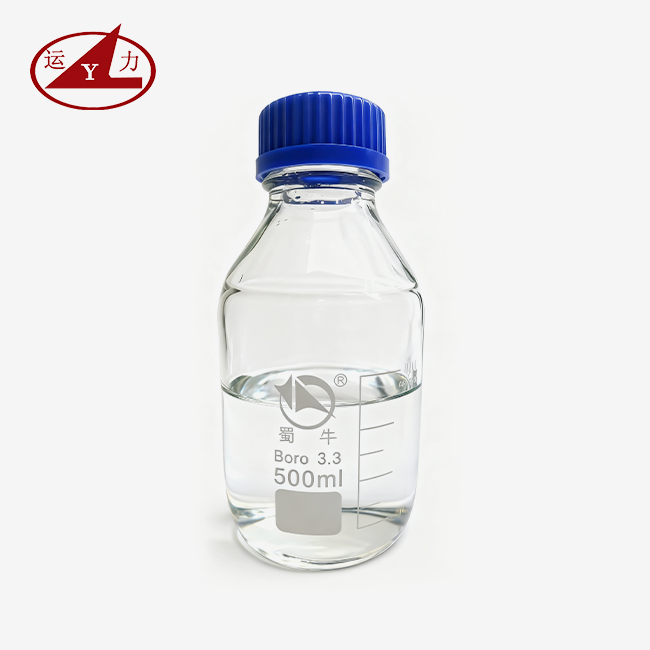
What is ferric nitrate?
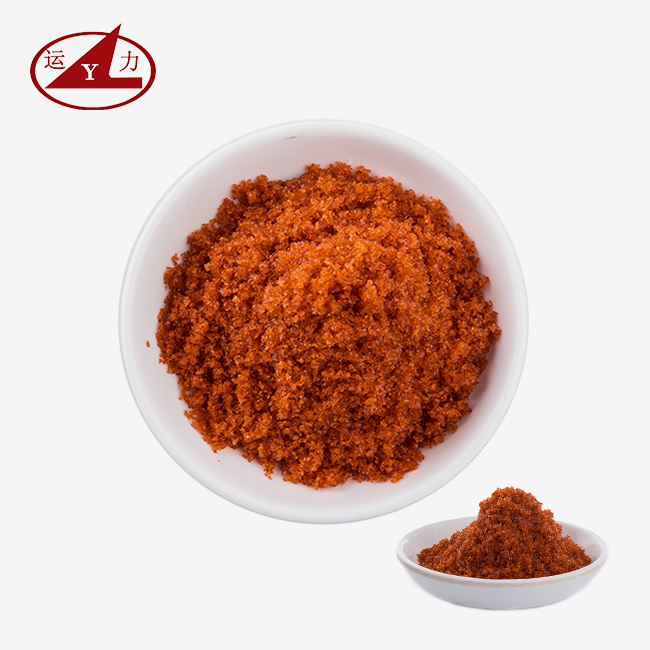
Ferric Nitrate is an artificial iron(III) salt that dissolves easily and has strong oxidizing properties. Its formal name is Fe(NO3)3-9H2O in its most common nonahydrate form. This purple, solid material that melts easily is used to make catalysts, clean metal surfaces, color fabrics, and handle wastewater. When heated, Ferric Nitrate nonahydrate fully breaks down, unlike iron compounds based on chloride or sulfate. This leaves very little waste behind and keeps high-purity industrial processes free of halide poisoning. People in charge of buying things and technical workers who need stable, low-impurity chemicals can't do without it because it's used in electroplating, making drugs, and making electronics.


Understanding Ferric Nitrate: Chemical and Physical Properties
You can make process factors better and plan for storage problems before they happen on your production line if you know about this compound's technical features.
Molecular Structure and Composition
Ferric Nitrate nonahydrate is made up of the formula Fe(NO₃)₃·9H₂O and has a molecular weight of 404.01 g/mol. Along with three nitrate ions (NO₃⁻) and nine water molecules, there is one ferric ion (Fe³⁺). There is a high chance that this material is hygroscopic, which means it can easily take water from the air around it. To keep the quality, this needs to be watched while it's being shipped and kept.
Physical Appearance and Thermal Behavior
The crystals have a mass of 1.68 g/cm³ and are a light violet to purple color. Because their melting point is only 47.2°C, crystals may melt in part when moved or kept in warm places that aren't monitored for temperature. This can make operations more difficult. At about 125°C, it starts to break down, releasing nitrogen oxides and turning into iron oxide. Controlled calcination makes pure iron oxide supports that don't get messed up by chloride or sulfate. This temperature profile is good for making catalysts because of this.
Solubility and Reactivity Profile
Water, ethanol, and acetone all break it down quickly, which makes it great for batch mixing and liquid-phase processes. Aqueous solutions have an acidic pH (around 1.5 to 2.5 at a 10% strength), which is good for making metal smooth and clean. Ferric Nitrate combines strongly with organic elements because it is a strong oxidizing agent. If stored wrong with reducing or liquids that can catch fire, it can start a fire or explode. Separation and packing in a neutral atmosphere are common safety steps used in industrial handling.
Procurement teams can make sure that the right packaging is used by paying close attention to these factors. For example, they can use moisture-barrier PE bags or nitrogen-flushed drums, and they can plan storage places that can track temperature. Technical engineers find it useful to know the steps involved in breakdown when they are planning the heating profiles for reactors, especially when they are used for catalyst calcination or controlled oxide film deposition.
Industrial Applications and Preparation Methods of Ferric Nitrate
You can match the right product grade to the job and see how well a seller can make custom recipes if you know where and how this compound works.
Catalyst Manufacturing and Chemical Synthesis
There are several ways to use Ferric Nitrate to make iron-oxide-based catalysts. These are used in processes such as Fischer-Tropsch synthesis, methanol conversion, and hydrogenation. High-purity types usually have less than 50 parts per million of chloride ions. This stops noble metal co-catalysts from getting poisoned and extends the life of the catalyst bed. If the iron level is as low as 10 parts per million (ppm), and the pH level stays between 1.5 and 3.0, Yunli Chemical can make grades for you. It is made so that these grades can keep catalytic activity going for longer in tough industrial processes. Very pure grades are also needed for pharmaceutical intermediate production because even small amounts of contaminants can lower results or make it harder to follow rules.
Metal Surface Treatment and Electroplating
Hexavalent chromium should not be left in electroplating baths. This is good for the environment and the health of the workers. Trivalent Ferric Nitrate solutions that meet RoHS and REACH standards stop rusting well and make treating wastewater easier. Electricians say that using new systems to deal with wastewater saves them up to 40% of the money they would have spent on old chromate systems. This material is what metal conditioners and rust inhibitors use to cover steel and aluminum surfaces with protective oxide layers. This helps paint stick better and makes these materials last longer in the building and car shops.
Textile Dyeing and Leather Processing
The chemical acts as a mordant, which means it holds dyes to natural and man-made fibers. This keeps the colors bright even after they are cleaned. Chloride-controlled grades (below 50 ppm) keep the dye from spreading out widely and the fibers from breaking down. This is very important for expensive fabrics used for furniture and clothes. It keeps the collagen structure steady and makes sure the color goes through evenly when leather is colored. Dyehouses like that they can trust the pH range and breakdown rate. This makes it easier to prepare batches and cuts down on the number of times work needs to be redone because of color differences.

Wastewater Treatment and Environmental Remediation
Sulfides and phosphates are separated from wastewater from plants and towns by Ferric Nitrate, which clumps and burns them. If you use this instead of ferric chloride, which adds harmful chloride ions that damage stainless steel lines, the infrastructure will last longer and it will be easier to fix biologically in the future. It is used by environmental engineers when there are strict rules about how much chloride can be released or when it needs to work with the chemicals that are already being used for cleanup.
All of these uses show how versatile the chemical is, but each one needs a different level of purity and a different shape. There will be less trial-and-error during scale-up if you work with a manufacturer that can custom control impurities and offer different packing options, such as pre-dissolved liquid solutions or anti-caking crystalline forms. This will make it easier to combine your process.
Comparison and Decision-Making: Choosing Ferric Nitrate for Your Needs
There are times when Ferric Nitrate is better for business or technology than ferric chloride, ferric sulfate, or ferrous nitrate. This is clear when you put iron salts next to each other.
Versus Ferric Chloride
Iron chloride (FeCl₃) is simple to find and doesn't cost much. But chloride ions make it harder to get permits to release wastewater and make stainless steel equipment rust faster. Ferric Nitrate is better for making electronics, high-purity catalysts, and companies that have strict chloride limits in their waste water because it gets rid of chloride pollution. Even though they cost a bit more at first, machines that need less maintenance and are easy to clean up often save money in the long run.
Versus Ferric Sulfate
If you want to treat drinking water, ferric sulfate (Fe₂(SO₄)₃) is great at bulk coagulation. However, it adds sulfate ions that can mess up processes further down the line or make sulfate scale form in heat exchangers. Because it breaks down cleanly, Ferric Nitrate can be used for specific jobs that can't leave behind sulfate, like etching semiconductor chips or making pharmaceutical intermediates. Procurement managers give nitrate salts the most attention when they are making battery solutions or fine chemicals so that there is no trace sulfur poisoning.
Versus Ferrous Nitrate and Aluminum Nitrate
When iron is in ferrous nitrate (Fe(NO₃)₂), it is in the +2 oxidation state. It's less solid and can't oxidize as well because its redox chemistry is different. Ferric Nitrate has a stronger oxidation potential because it is in the +3 oxidation state. This is important for quickly cleaning metal and getting rid of organic contaminants. Aluminum nitrate (Al(NO₃)₃) is also a mordant, but it can't speed up reactions like iron can. For redox-active places, catalyst makers and people who make specific chemicals need the iron cation.
When you're deciding between these sites, make sure you follow the rules and think about the total cost of ownership. This includes things like how much it costs to clean up trash and how long the equipment lasts. You can choose the best place to get your materials by using detailed cost-benefit models and knowing how much you need to make and how pure the materials need to be. Technical support from companies like Yunli Chemical can help you understand the pros and cons of large orders before you commit to them. This can be done through sample tests and pilot-scale trials.

Procurement and Supply Chain Insights for Ferric Nitrate
You should plan your processes so that production doesn't stop, look at seller skills, and keep an eye on how prices change to make sure your supply chain works.
Evaluating Supplier Credentials
You should not only look at the company's collection, but also at its production skills and safety licenses, especially when sourcing Ferric Nitrate. A business that has ISO 9001, ISO 14001, or OHSAS 18001 certifications shows that it cares about quality, the environment, and worker safety. All of these things lower the risk in the supply chain. Yunli Chemical has these certificates.
It was started in 2005 and has been making things for more than twenty years. It runs a Shanxi Provincial Enterprise Technology Center and makes more than a billion yuan a year. It is important for regulatory checks and just-in-time inventory models that each batch is the same and that certificates of analysis (COA) are given quickly. This is done in advanced labs with ICP-MS and atomic absorption spectrometers.
Bulk Purchasing and Flexible Order Quantities
For ongoing activities, industrial end-users usually need tonnage amounts. Wholesalers can keep track of their inventory risk with no minimum order number rules. Many well-known companies offer different packing choices to meet the needs of different project sizes. For example, 25 kg PE bags are good for small tests, 500 kg drums are good for medium-sized batches, and ISO tank containers are good for large packages. Tech teams can try how well a product works in trial lines with free samples of up to 500 grams before making it available to everyone. The cost of the licensing process goes down because of this.
Pricing Factors and Payment Terms
Price per kilogram changes based on the size of the order, the pure grade, and the type of impurities present. It's not too expensive to buy standard types that are 98% pure, but it costs more to buy versions that are 99.9% pure for catalyst uses because they have to go through strict quality control. Deals for large orders, easy payment terms, and reward plans for customers who buy from you again and again all make your business more cost-effective. If you buy from the plant itself, you don't have to pay the middlemen extra. It is easier to understand prices and talk to people faster because Yunli Chemical runs its own foreign business.
Logistics and International Shipping
Because they are dangerous chemicals under UN 1466 (Oxidizer) rules, they need special packaging, labels, and paperwork. Clearing customs, finding legal freight operators, and giving out MSDS and transport emergency cards are all done by experienced providers. It takes about three to four weeks for goods to get from China to U.S. ports. Shipping delays can throw off production plans, but having extra stock on hand can help. Tracking packages in real time and keeping in touch with key people help keep goods moving.
Building relationships with suppliers who offer technical consultation, custom formulation, and responsive after-sales service transforms procurement from transactional to strategic. Long-term contracts with guaranteed pricing and delivery windows stabilize operational budgets and minimize the high replacement costs associated with requalifying new vendors.
Best Practices for Storage and Handling of Ferric Nitrate
Temperature and Humidity Control
Store Ferric Nitrate between 15°C and 25°C, which is well below the freezing point of 47.2°C, to keep the shape. It is important to keep the relative humidity below 50% to stop deliquescence. When desiccant packs or nitrogen blankets are used to close packages, moisture can't get inside. In warehouses, climate tracking tools should be put in place that sound a warning when the temperature or humidity changes.
Container Selection and Segregation
When you have acidic liquids, don't put them in metal containers. Instead, use plastic or lined steel drums, which can handle acid. The NFPA says that Ferric Nitrate should not be near strong acids, reducing agents, or things that can catch fire. Mark packages clearly with danger marks (oxidizer, corrosive) and expiration dates to make sure that stock is moved from first-in, first-out.
Personal Protective Equipment and Training
Neon gloves, safety masks, and lab coats should be worn by anyone who works with the material so that it doesn't hurt their eyes or skin. It is safe to breathe in dust when you wear a respirator with a P100 screen. People are ready for anything that might happen because they get regular training on what's on the SDS, how to handle a spill, and first aid.
Emergency Response Procedures
To prevent a spill, you should use sodium bicarbonate to make the area neutral, move the solids to containers that won't react, and avoid flushing water, which makes acidic waste. If you look someone in the eye, you should immediately rinse your eyes with water for 15 minutes and then see a doctor. Fire safety rules say to use foam or water spray. The oxidant and dry chemicals may have a strong reaction.
Implementing these safeguards reduces workplace incidents, maintains product quality, and satisfies OSHA and EPA compliance requirements—protecting both personnel and your operational license. Suppliers providing detailed handling guidelines and on-site safety consultations add value beyond the product itself.
Conclusion
Professionals in purchasing and technical fields who know about Ferric Nitrate's chemical structure, thermal properties, and many commercial uses can choose where to get it in a way that meets their needs. This special oxidizing iron salt is unique because it breaks down without leaving any harmful halides behind. It can also be used to make catalysts, clean the environment, treat metals, and process fabrics. When you compare it to other choices, you can see when its unique chemistry makes it better in terms of price, performance, or following the rules.
It is important to make sure that providers are qualified, that orders can be placed at any time, and that you have strong ties for logistics. With controlled ways of handling and storing the goods, these plans make sure there is a steady supply, the workplace is safe, and the quality of the goods stays high. You can turn Ferric Nitrate from a common chemical into a strategic asset that gives you an edge in tough industrial markets with the help of skilled makers and their customization options.

FAQ
Q1: How does ferric nitrate differ from ferrous nitrate?
A: Instead of iron being in the +2 state (Fe²⁺), Ferric Nitrate has iron in the +3 state (Fe³⁺). This makes it more stable and better at reacting than ferrous nitrate. Because it is more oxidized, Ferric Nitrate is better at cutting metal, making catalysts, and getting rid of waste water.
Q2: What storage conditions extend shelf life?
A: It should be kept in containers that won't leak between 15°C and 25°C and with less than 50% relative humidity. Stay out of direct sunlight and away from things that are alive. It will stay good for 12 to 24 months if you store it properly. If you see clumps or changes in color, that means it's breaking down.
Q3: Can ferric nitrate replace ferric chloride in wastewater treatment?
A: In places where salt release limits are strict or where infrastructure is made of stainless steel, the answer is yes. It costs a little more per kilogram to move, but it is usually worth it because it stops salt corrosion and makes the release process faster. Pilot testing makes sure that the doses are the same and that the sludge acts the way it should before it is used on a large scale.
Partner with Yunli Chemical for Reliable Ferric Nitrate Supply
Yunli Chemical has been making Ferric Nitrate for more than 20 years and is a dependable company. They have ISO licenses and a provincial-level technology center that makes sure the quality is always very pure. Because we are a factory-direct business, we don't have to deal with middlemen. This lets us offer competitive prices and solutions that are tailored to the needs of companies that make catalysts, electroplaters, and specialty chemicals. These solutions can be anything from liquids that are already dissolved to ones that control impurities.
We make it easier for you to buy things and finish projects faster by not having a minimum order size and giving you free 500-gram samples. You can talk to our expert team about your specific needs, ask for certificates of analysis, or set up shipping of samples by emailing wangjuan202301@outlook.com. Yunli Chemical sells high-quality Ferric Nitrate that you can count on. Their steadiness, speed, and skilled teamwork show how much they care about the success of your business.
References
1. Greenwood, N.N. and Earnshaw, A. Chemistry of the Elements, 2nd Edition. Butterworth-Heinemann, Oxford, 1997.
2. Kirk-Othmer. Encyclopedia of Chemical Technology, 5th Edition, Volume 14: Iron Compounds. Wiley-Interscience, Hoboken, 2004.
3. Perry, R.H. and Green, D.W. Perry's Chemical Engineers' Handbook, 8th Edition. McGraw-Hill, New York, 2008.
4. American Water Works Association. Water Quality and Treatment: A Handbook on Drinking Water, 6th Edition. McGraw-Hill, Denver, 2011.
5. Hocking, M.B. Handbook of Chemical Technology and Pollution Control, 3rd Edition. Academic Press, San Diego, 2005.
6. Seidell, A. and Linke, W.F. Solubilities of Inorganic and Metal-Organic Compounds, 4th Edition, Volume 1. American Chemical Society, Washington D.C., 1958.