





Is iron nitrate soluble in water?
Iron Nitrate does mix well with water. In particular, ferric nitrate nonahydrate (Fe(NO₃)₃·9H₂O) is very easy to dissolve in water. In normal conditions, it dissolves at rates higher than 99.5%. Many ions can move around easily in this combination, and it can also soak up water from the air and dissolve in its own water of crystallization. This makes it very easy to dissolve in water. Purple crystals break down into hydrated ferric ions and nitrate ions. These ions give off heat through an exothermic process. Being able to dissolve quickly and spread evenly is very important in many fields, such as electroplating, textile dyeing, and catalyst production. This makes ferric nitrate very useful in those fields.
Understanding Iron Nitrate and Its Solubility
Chemical Structure and Physical Properties
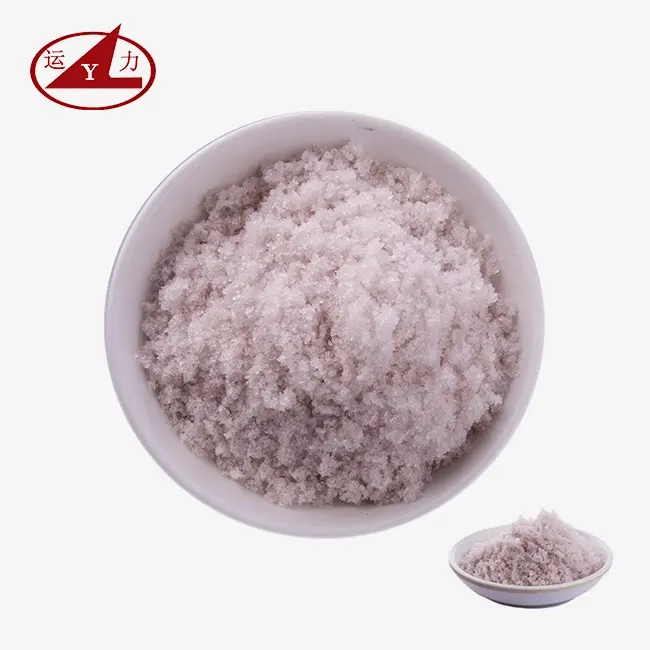
Iron nitrate nonahydrate is made up of the formula Fe(NO₃)₃·9H₂O and has a molecular weight of 404.01 g/mol. There are nine water molecules around the iron, which is in an oxidation state of +3. The iron makes coordination complexes with the nitrate ligands. This purple crystal has a specific density of 1.68 and a melting point of 47.2°C. It is important to keep an eye on the temperature while it is being shipped and kept. When heated to 125°C, it breaks down thermally, letting nitrogen fumes escape. It dissolves in water, ethanol, and acetone, which means it can be mixed with many different types of solvents. Because it oxidizes, it reacts strongly with organic materials, so it needs to be treated with care.
Solubility Behavior Across Temperatures
When the temperature goes up, a lot more water is absorbed. Iron nitrate weighs about 138 grams and dissolves in 100 milliliters of water at 20°C. When it gets above 40°C, more than 180 grams dissolve in 100 milliliters of water. Because of this, buying managers can figure out the best ways to remove things based on what the process needs. It takes longer for the mixture to dissolve in cold water, but if you stir it enough, it will be gone in minutes. This dissolves in water a lot better than iron sulfate (about 48 grams per 100 milliliters at 20°C) or iron chloride hexahydrate (about 92 grams per 100 milliliters). Of the main iron salts, ferric nitrate is certainly the one that dissolves in water the best.
Factors Influencing Solubility
Several factors can change the rates of breakdown and steadiness. pH is a very important thing to know. When it's acidic (pH 1.5–2.5), ferric ions stay stable, but when it's alkaline, iron hydroxides break down and crystallize. Also, the concentration is important. If a solution is too saturated, it may form on its own when it is slowed down or mixed up.
Heavy metals or chloride ions that aren't supposed to be there can change how a product breaks and make it less useful in certain scenarios. Because the material is deliquescent, changes in temperature can make some of it melt while it's being stored. As you can see, this is why climate-controlled storage is so important. Technicians can set up the right conditions for handling when they know about these things, and buyers can find out how much store space a seller has by asking them.
Applications of Iron Nitrate Related to Its Solubility
When quick spread and reaction are needed in industry, high solubility makes a lot of things possible. Making concentrated water-based products cuts down on the time needed for processing and speeds up the preparation process.
Agricultural and Fertilizer Applications
In farming, ferric nitrate nonahydrate is not as common as iron sulfate, but it can be useful in situations where nutrients need to be reached quickly. Since it dissolves totally, it doesn't stick to emitters or leave behind any residue in watering systems. Besides adding extra nitrogen, the nitrate part is also good for health in two other ways. When used in hydroponic systems, ferric nitrate solutions that keep pH levels stable and stop oxidation problems are very helpful. Sensitive plants don't get too much salt because it doesn't have any sulfate or chloride anions. This is good for greenhouses that want to sell high-end fruits and vegetables.
Industrial Processing and Manufacturing
Solubility is often used to judge how well something works in business. Ferric nitrate clumps together particles in the water and quickly breaks down phosphates in water treatment plants to get rid of them. As it can corrode and dissolve in water, it is used to make uniform conversion films on metal surfaces. These films are better for the environment than hexavalent chromium treatments.
To make catalysts, you need to get homogeneous precursor solutions through exact dissolving. Our heavy metal recipes with 10ppm or less make sure that the catalyst bed lasts longer than the norm in the business. As a mordant, ferric nitrate keeps the dyes on the fibers for a long time when they are dyed. When the coloring process takes a long time, grades with chloride levels below 50ppm keep the cloth from falling apart. Dissolved ferric nitrate is used as an oxidant in organic processes in chemical synthesis. It's easy to add slowly and mix well because it dissolves.
Comparing Iron Nitrate with Other Iron Compounds
To pick the best iron source, you should look at how well it dissolves, how much it costs, how pure it is, and how well it works in a certain application. Each iron combination has its own benefits that depend on the goals of the business.
Iron Nitrate nonahydrate balances high solubility, controlled purity, and environmental compliance. As the iron is heated, the nitrate part breaks down into nitrogen oxides, leaving only pure iron oxides. This is a big plus for high-purity uses in technology and drug intermediates.
Iron Sulfate (FeSO₄·7H₂O) exhibits moderate water solubility and costs about 30–40% less than ferric nitrate. Sulfate that is left over, on the other hand, can stop some chemical processes and make it harder to clean up wastewater. Since it is acidic (pH around 3), it needs to be reduced when things are sensitive.
Iron Chloride (FeCl₃·6H₂O) is simple to dissolve and works well to clean water by clumping together. However, the chloride content can rust stainless steel tools and leave behind unwanted substances when catalysts are being made. Laws protecting the environment are making it harder to dump chlorine, which costs more.
Chelated Iron (Fe-EDTA, Fe-DTPA) is better for plants than ferric nitrate, but it costs five to eight times more. Patents and complicated ways of making things make it hard for sellers to pick between options. For long-term deals, this makes the supply line weak.
Iron Oxides (Fe₂O₃, Fe₃O₄) don't dissolve in water. To do so, they need to be made more acidic, which takes longer and costs more. Inks can be made from them, but they aren't reactive enough to be catalysts or for quick chemical reactions.
Procurement Guide for Iron Nitrate
You should not only look at a supplier's prices when you are trying to find good ferric nitrate. For a relationship to last, you need to pay attention to technical details, follow the rules, and make sure the processes are smooth.
Quality Specifications and Testing
If you use an iodometric or redox titration to check, you can see that industrial-grade ferric nitrate is generally at least 98% pure. The most important quality factors are the iron content (≤30ppm is ideal, but as low as 10ppm is possible for catalyst grades), the chloride levels (<100ppm is normal, but less than 50ppm for textile uses), and the amount of insoluble matter (<0.005% to keep equipment from getting stuck). ICP-OES checks for heavy metal levels and makes sure that levels of lead, copper, and zinc are well below parts-per-million. Get certificates of analysis (COA) from the providers and have a third party look over the first orders. When you need very high purity in the lab, ACS reagent-grade standards are a good choice.
Supplier Evaluation Criteria
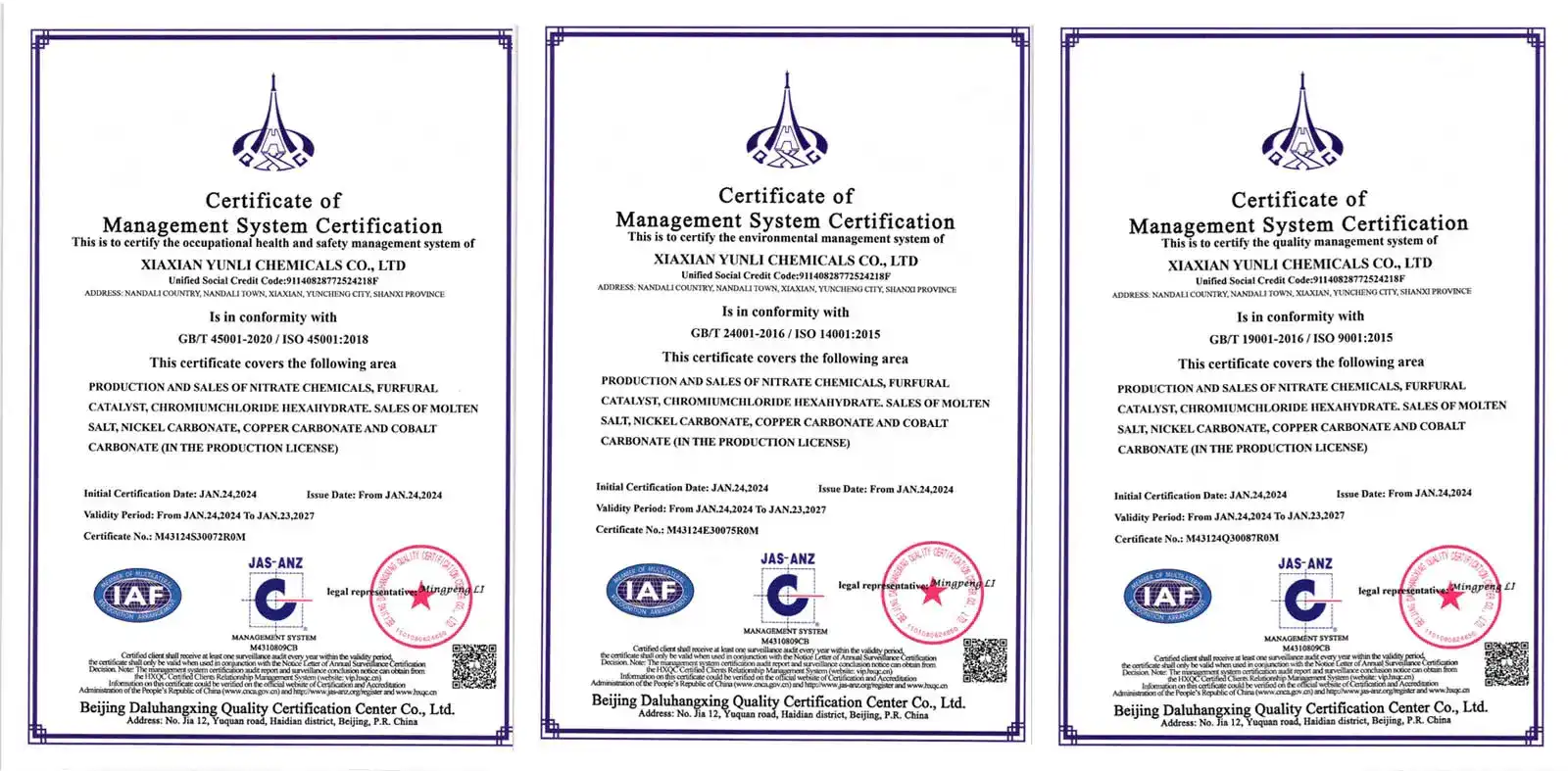
The ISO 9001 quality management standard and the ISO 14001 environmental standard show that well-known companies always make good items. A seller with a local or national technology center accreditation has a strong research and development (R&D) system. Shanxi Province's history of coal and chemical engineering has led to specialized knowledge in nitrate production. Facilities are prepared for advanced wastewater treatment, which is necessary for following the rules and running a business that will last.
Suppliers who let you make changes, like crystal forms that can be changed from 0.5 mm to 3 mm, pre-dissolved liquid solutions, or formulas that keep impurities in check, let you meet a lot of different process needs. There are different minimum order numbers (MOQs). Well-known manufacturers may be able to handle tonnage sales with no MOQ limits, as well as free samples up to 500 grams for quality checks.
Packaging and Logistics Considerations
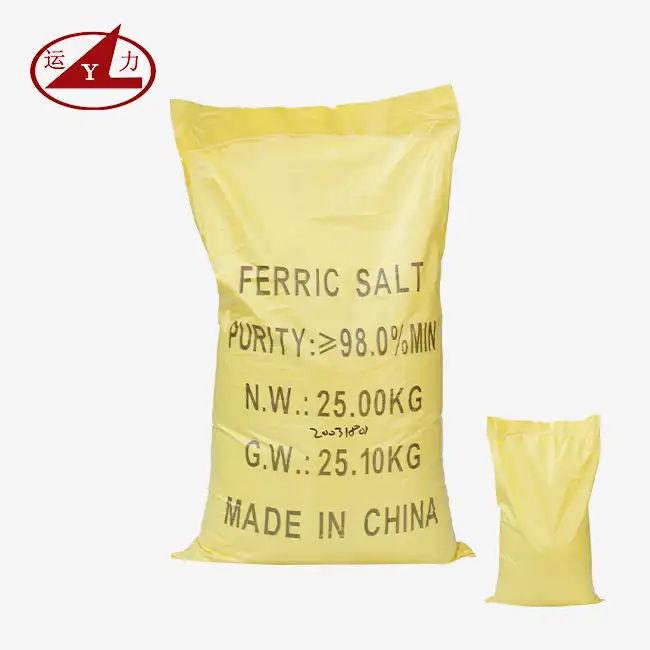
Large goods like Iron Nitrate are usually shipped in 25 kg PE bags with waterproof liners, 500 kg drums, or ISO tanks. This material melts at a low temperature (47.2°C), so it has to be shipped through warm places or in the summer, when temperatures are higher. Make sure that the sellers use anti-caking agents so that the goods don't soak up water while they're being shipped or kept. Standard grades usually have lead times of 7 to 14 days, but if you need it faster, it can be shipped right away. Direct factory supply cuts out the middlemen's markups, which lowers prices by 15–25% compared to distributor prices while still letting you keep an eye on quality and track your orders.
Safety and Handling of Iron Nitrate Solutions
Proper storage and handling protocols are essential for maintaining safety when working with these solutions.
Storage and Handling Protocols
Iron nitrate nonahydrate should be kept in a cool (<25°C), dry, safe place that is away from things that can catch fire. Because it is a Class 5.1 oxidizer, it can make fires worse when it comes in contact with organic materials. Use containers that won't rust, like HDPE or stainless steel 316, and check them often for leaks or dirt. People who work with the material should wear the right PPE, like nitrile gloves, safety shields, and masks to protect their lungs. The material is slightly irritating to the skin; washing with water right away lowers the chance of exposure risks.
Spill Management and Disposal
Small spills can be cleaned up with a sodium carbonate solution. The solution can then be put in containers that can be sealed and thrown away. First, big spills need to be controlled so they don't harm the environment. Then, a skilled chemical reaction is needed. When things burn, they release nitrogen oxides (NOₓ). This is why industrial reactors need to have good airflow and cleaning systems. To follow local rules for the environment, wastewater with ferric nitrate should be cleaned to get rid of iron hydroxides and lower the acidity before it is let out into the environment. Looking at the MSDS paperwork will help you make detailed emergency plans and meet the rules that are specific to your area.
Conclusion
Iron nitrate is the best thing to use when you need something to dissolve quickly and evenly because it dissolves so easily in water (above 99.5% in normal conditions). The chemical can be used to make catalysts, clean metal surfaces, color fabrics, and make other chemicals. Because it can react with many chemicals, pollution like chloride and sulfate don't affect the process. This makes it clean. Buyers like ferric nitrate because it works well, is good for the environment, and doesn't cost too much compared to iron sulfate, iron chloride, or chelated options. When you source well, you check your suppliers' quality systems, make sure they have the right certifications, and set up ways to keep your products' value safe all along the supply chain.
FAQ
Q1: Does ferric nitrate dissolve completely in cold water?
A: Cold water does dissolve ferric nitrate nonahydrate, but it takes longer than warm water. That's about 138 grams per 100 milliliters at 20°C. If you stir it enough, it breaks down faster, and it only takes 5 to 10 minutes to mix everything together. It is best to use cold breakdown when it is important to keep the temperature fixed or when exothermic processes should be kept to a minimum.
Q2: How does ferric nitrate compare to iron sulfate for industrial applications?
A: It's easier to dissolve ferric nitrate and it doesn't leave behind any sulfate. This makes it better for making pure catalysts and processes that are sensitive to sulfur poisoning. Iron sulfate is less expensive, but it can make sludge harder to clean and stop some chemical reactions from happening. If you care more about cleaning and the environment than about cost, ferric nitrate is the better pick.
Q3: What quality checks should precede bulk purchasing?
A: Get proof from the COA that the test was done right and that less than 0.005% of salt, sulfur, and heavy metals were found. A third party should use ICP-OES to check the first samples to make sure they meet the needs. You can look at the supplier's ISO 9001 and ISO 14001 certifications and get cases from clients who work in the same field. Before you place a large order, you should try a test in your actual process to see if it works.
Partner with Yunli Chemical for Reliable Iron Nitrate Supply
Yunli Chemical has been making Iron Nitrate since 2005, which is more than 20 years. They are a trustworthy company. Our ferric nitrate nonahydrate (CAS 7782-61-8) is ≥98% pure and can be made to have less than 10ppm of iron and less than 50ppm of chloride. It works great as a catalyst and can also be used in fabrics and etching. We are an ISO 9001, ISO 14001, and OHSAS-approved Shanxi Provincial Enterprise Technology Center. We have strict quality control and current tools for research and development, like ICP-MS and atomic absorption spectrometry, to make sure that our tests are correct.
When we buy from factories directly, we cut out the middlemen. This lets us offer low prices and open terms. There is no minimum order size, samples up to 500 grams are free, and packing can be changed from 25 kg bags to ISO tanks, among other things. Our annual sales are over 1 billion yuan, and we have a well-developed system for environmental compliance. This means that we can offer stable supply lines and on-time delivery all over the world. Our team can be reached at wangjuan202301@outlook.com to talk about your needs and get professional help that will fix the issues you're having with your operations.

References
1. Cotton, F. Albert; Wilkinson, Geoffrey. "Advanced Inorganic Chemistry: A Comprehensive Text." 6th Edition. Wiley-Interscience, 1999.
2. Perry, Robert H.; Green, Don W. "Perry's Chemical Engineers' Handbook." 8th Edition. McGraw-Hill Education, 2008.
3. Patnaik, Pradyot. "Handbook of Inorganic Chemicals." McGraw-Hill Professional, 2002.
4. Kirk-Othmer. "Encyclopedia of Chemical Technology." 5th Edition. Wiley, 2004.
5. Lide, David R. "CRC Handbook of Chemistry and Physics." 90th Edition. CRC Press, 2009.
6. American Chemical Society. "Reagent Chemicals: Specifications and Procedures for Reagents and Standard-Grade Reference Materials." 10th Edition. Oxford University Press, 2005.







