


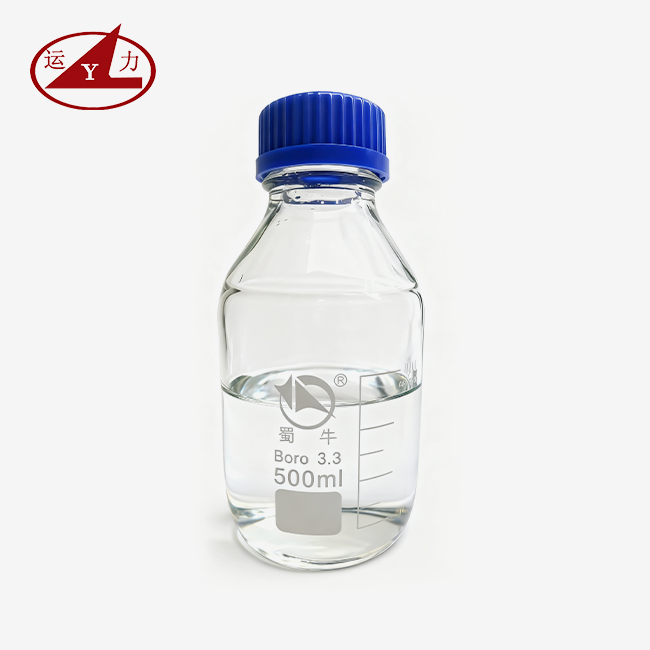
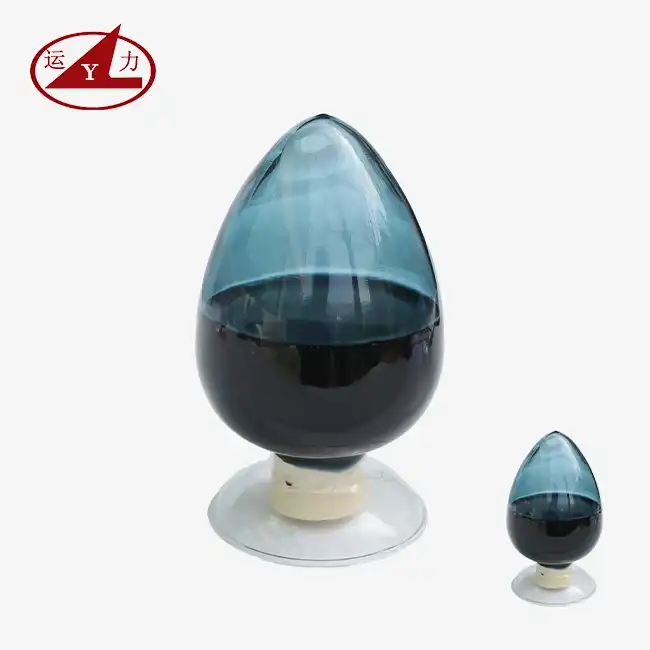
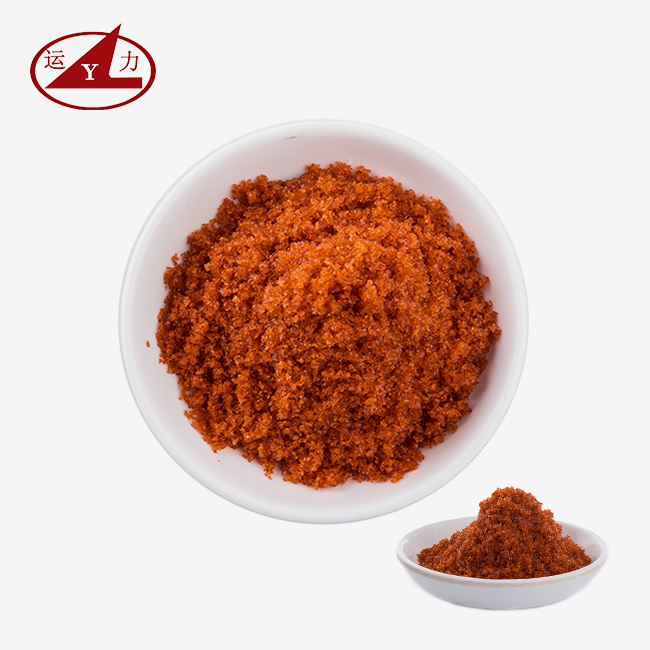
Is ferric oxcide the same as ferric nitrate?
Iron nitrate and iron oxide are not the same thing. They are chemically different and have different molecule shapes, physical properties, and industrial uses. Ferric oxide, or Fe₂O₃, is a steady form of iron that does not mix with water. It's often used to add color and make sticky items. Ferric nitrate nonahydrate (Fe(NO₃)₃·9H₂O, CAS 7782-61-8), on the other hand, is a purple solid oxidizing agent that is easy to dissolve and is used to make catalysts, clean water, and treat metal surfaces. To make sure that goods are right, rules are followed, and things run easily, procurement managers need to know about these changes.
Understanding the Chemical and Physical Properties
Molecular Structure and Composition
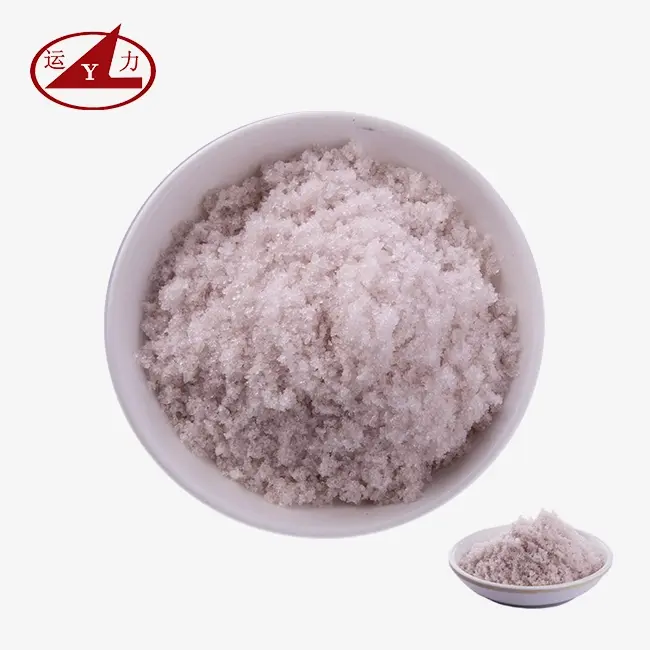
One type of iron oxide is ferric oxide, or Fe₂O₃. It is made up of two iron atoms and three oxygen atoms that are joined together to form a stable crystal structure. It's a reddish-brown powder that doesn't mix well with water, which makes it great for solid-phase uses like paints and clay. One iron(III) ion, three nitrate ions, and nine water molecules make up Ferric nitrate nonahydrate (Fe(NO₃)₃·9H₂O). That's how heavy this stuff is at 404.01 g/mol, and it looks like purple crystals that melt. Because it is mostly water, Ferric nitrate is easy to mix with other liquids. It dissolves quickly in water, ethanol, and acetone.
It's easy to see how their looks have changed. Unlike Ferric nitrate, which melts at 47.2°C and starts to break down around 125°C, ferric oxide stays solid at temperatures above 1,000°C. Because it oxidizes strongly, it is not solid at high temperatures. This can make fire stronger when mixed with organic materials. Ferric nitrate needs to be carefully kept in a cool, dry place so that it doesn't melt or catch fire by accident.
Safety and Regulatory Considerations
When it comes to safety, ferric oxide is pretty safe; most rules consider it not dangerous. Moving it and keeping it doesn't pose many risks. On the other hand, Ferric nitrate is a Class 5.1 oxidizer (UN 1466), so it shouldn't be near things that can catch fire. You need to wear safety gear when you handle it because it is acidic and can hurt your skin. Ferric nitrate Safety Data Sheets (SDS) stress the need for air and plans for what to do in case of an emergency. These things are very important for procurement teams because they have to deal with risk ratings and legal paperwork.
Rules like REACH and RoHS affect what people buy, especially for companies that sell their goods in the US and Europe. If you buy Ferric nitrate from a trustworthy business like Yunli Chemical, it will come with full compliance certificates, COAs, and MSDS forms. This makes it a lot easier to get through customs and make sure the grade is better.
Functional Differences and Industrial Applications
Ferric Oxide: Pigments, Coatings, and Catalysts
Not only is ferric oxide safe, but it is also invisible. This means that it is mostly used as a color in paints, coatings, and building materials. It can also be used to polish glasses and as a building block to make magnetic iron oxide nanoparticles, which are used in pictures of the body and to store data. Ferric oxide is used to get rid of arsenic from drinking water because it sticks to things well and has a lot of surface area.
But because ferric oxide doesn't mix with water, it can't be used in processes that need to use water or have chemical reactions happen quickly. Plus, it can't be used as an oxidizing agent or a catalyst precursor in liquid-phase synthesis. This means it can't be used in places that need iron sources that are soluble.
Ferric Nitrate: Catalysts, Mordants, and Metal Treatment
When you need liquid iron ions and oxidizing power, Ferric nitrate nonahydrate is a great choice. This is a very pure starting material for making lithium iron phosphate (LFP) battery materials and iron-based hydrogenation catalysts. Catalysts are made from these materials. The iron is spread out evenly at the molecular level because it dissolves so easily. This makes the catalyst work better and keeps impurities from getting into it. The iron percentage in the Ferric nitrate that Yunli Chemical makes is less than 30 parts per million, and for some grades it is as low as 10 parts per million. This makes sure it works better when things are tense.
When painting leather and dying fabrics, Ferric nitrate is used as a mordant to keep dyes on the fibers and extend the life of the colors. Because it doesn't use ferric chloride, its recipes don't break down fibers or rust equipment, which is a big plus over other choices. In ways for cleaning metal surfaces, Ferric nitrate is used to etch, passivate, and stop rust, mostly on aluminum and stainless steel. Instead of dangerous chromium compounds, recipes from Yunli Chemical that follow RoHS and REACH rules can be used. This could cut the price of cleaning up garbage by as much as 40%.
Environmental and Agricultural Impacts
Ferric nitrate is added to water to clear it of phosphate and dry out sludge. It still works well when the pH level changes. In gardening, it helps plants grow by giving them soluble iron and nitrogen without having to use ferric chloride, which can harm them. Ferric nitrate is preferable to soil-insoluble ferric oxide because it includes two nutrients.
Comparative Analysis: Ferric Oxide vs Ferric Nitrate in Procurement Decisions
Performance Metrics
When considering ferric oxide and Ferric nitrate, procurement managers need to think about how they respond, how well they dissolve, and what kinds of uses they are best for. It is cheap, safe at high temperatures, and doesn't hurt live things, so a lot of it can be used to make things for sale and in construction. Ferric nitrate dissolves quickly, has a high reducing power, and is pure. It is used in industries that need to be precise, like electronics, medicines, and energy storage.
Cost is changed in many different ways by different things. Iron oxide that is cheap is often bought in bulk for less than $200 per ton. Because it is hard to make and only used for certain things, Ferric nitrate is expensive—depending on how pure it is, it can cost anywhere from $800 to $1,500 per ton. On the other hand, Ferric nitrate is useful because it can reduce processing steps, increase product quality, and eliminate expensive post-treatment steps.
Supply Chain Implications
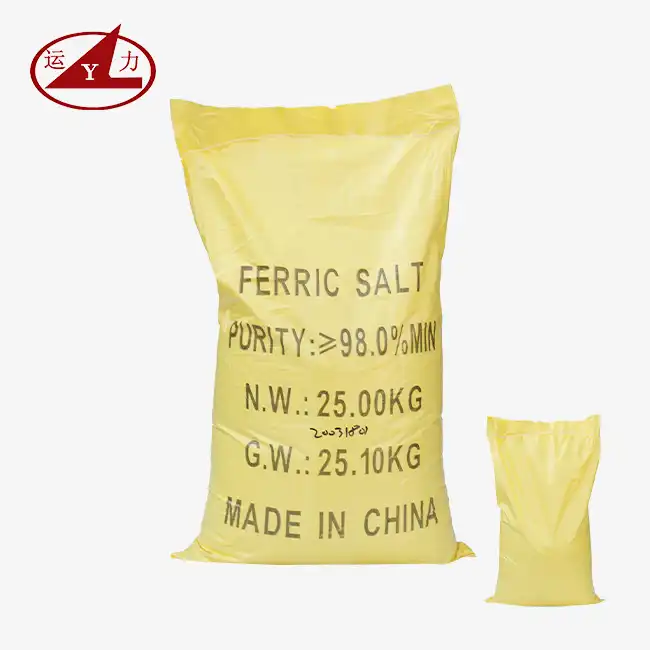
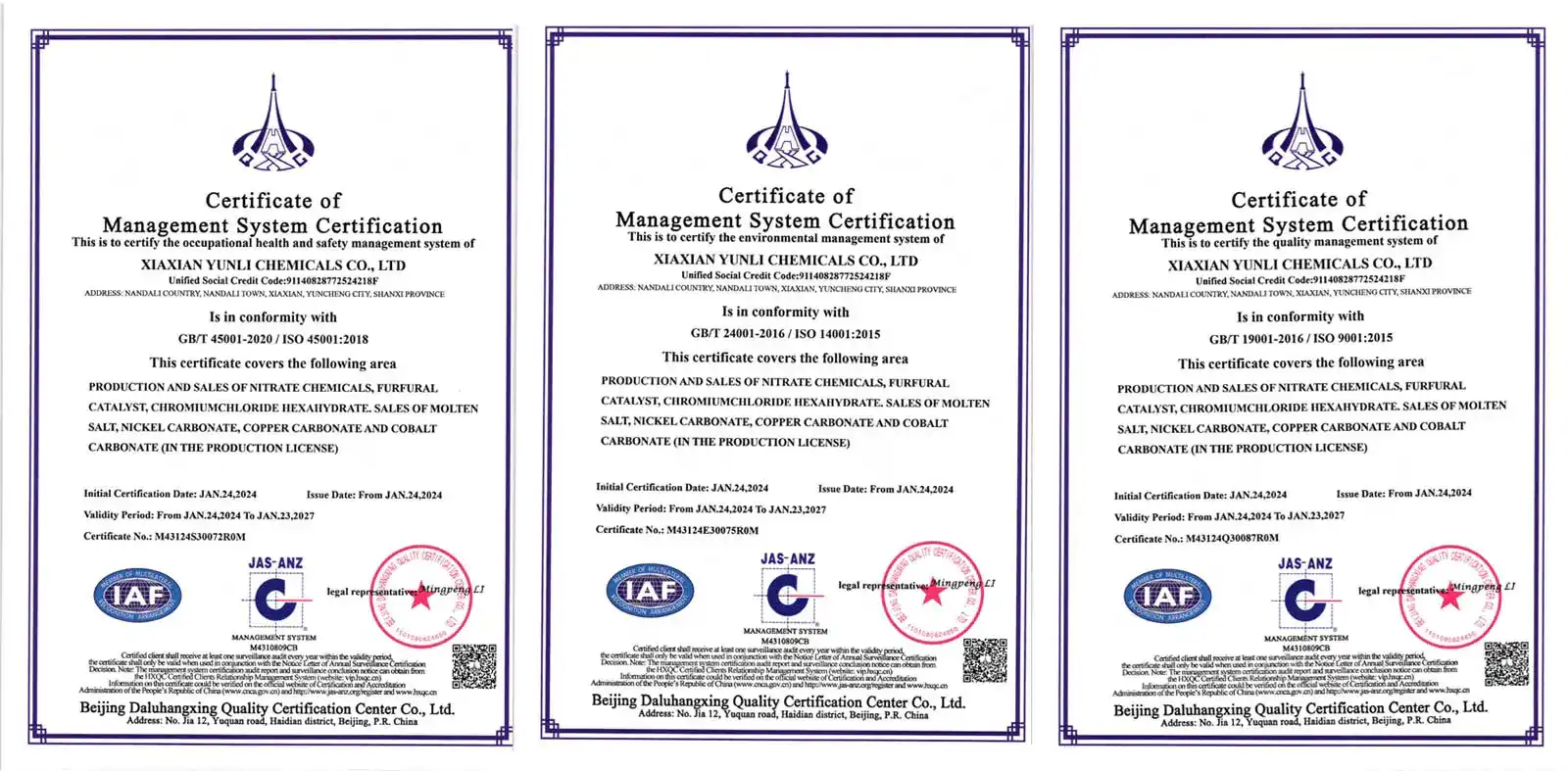
There are also different ways to source. Iron oxide is easy to find all over the world, and most of the places that sell it have normal amounts. Ferric nitrate needs to be carefully chosen as a source because different sources have different levels of purity, moisture content, and impurity profiles. The risks are smaller if you choose a well-known company with quality systems that have been cleared. The company Yunli Chemical has been accepted by ISO 9001, ISO 14001, and OHSAS since 2005. They give you steady Ferric nitrate that you can keep an eye on. They also give away free samples of up to 500 grams and offer different ways to package their goods, such as in 25 kg PE bags, 500 kg drums, and ISO tanks.
Supply problems are less likely to happen in relationships that last a long time. Every year, Yunli Chemical makes more than 1 billion yuan in sales and has 300 million yuan in fixed assets. These numbers show that the business is stable financially and can make enough things to keep delivering even when prices change in the market.
Procurement Guide for Ferric Nitrate and Ferric Oxide
Supplier Evaluation Criteria
You should look at their qualifications, output volume, and expert help to find a company you can trust. Check for well-known safety standards, ISO 9001 for quality management, and ISO 14001 for environmental compliance. If a provider has a province or national technology center accreditation, like Yunli Chemical's Shanxi province Enterprise Technology Center standing, it means that it has advanced R&D and quality control facilities.
Check how well you can think and reason. They can give different purity grades and impurity specs if they have their own testing labs, ICP-MS, and atomic absorption spectrometry. To meet the needs of each client, Yunli Chemical can change the amounts of iron, sodium, and chlorine in liquids. They can also add pH buffers and agents that stop clumping to make storage more stable.
Bulk Purchasing Considerations
Things like minimum order quantities (MOQ), price models, and delivery can all affect how well you can buy things. A lot of companies that sell Ferric nitrate have high MOQs, which makes it hard to place test orders. If you don't have a minimum order quantity (MOQ), Yunli Chemical doesn't have this problem because they offer free samples. This way, people can try the product out and see how well it works before making a big purchase. When a plant supplies itself and exports itself, there are no markups for middlemen. This means that there are better deals on prices and faster wait times.
Making the box unique is useful in many ways. You can choose solid powders for dry processes or liquid solutions that are already dissolved, which makes them safer to handle and faster to process. It is easier to keep track of goods when signs are made just for them, concentration changes are made, and packing sizes are changed based on production levels.
Geographic Distribution and Logistics
Shipping costs, wait times, and following the rules are all affected by where the provider stands. China, Europe, and the US are all good places for producers in different ways. Since 2005, Chinese suppliers like Yunli Chemical have been serving markets all over the world. They can produce goods cheaply and have a strong export infrastructure. Having modern tools for taking care of the environment and being close to sources of raw materials lets you keep prices low without losing quality or sustainability.
People in charge of shipping need to follow the rules about dangerous goods. In order to follow the law, Ferric nitrate must be carried and treated with care because it is an explosive. These problems are taken care of by providers with a lot of experience who offer door-to-door service and are fully backed by the government.
Conclusion
Two very different chemicals, Ferric nitrate and Ferric Oxide, are used for various industrial reasons. Iron oxide is great for building materials and colors because it is steady, cheap, and doesn't mix with other things. Ferric nitrate is very clean, doesn't take long to breakdown, and can reduce a lot of things. To make catalysts, treat metals, and make certain chemicals, you need it. The people who are in charge of getting things need to make sure that the drugs they pick are right for the job, follow government rules, and will last for a long time. When you work with certified companies like Yunli Chemical, you can be sure that the goods you buy are of high quality, meet all the rules, and come with technical help and open service models. You can buy better things, lower business risks, and get better product performance in tough manufacturing situations if you know these differences.
FAQ
Can ferric oxide substitute for ferric nitrate in water treatment?
Most of the time, ferric oxide can't be used instead of Ferric nitrate when treating water. Ferric nitrate can clump together and turn into oxygen in liquids, but ferric oxide does not dissolve in water. When you need to quickly swap ions, precipitate phosphate, or oxidize things, you need soluble iron salts like Ferric nitrate.
What storage conditions does ferric nitrate require?
Because Ferric nitrate nonahydrate is very liquid, it must be stored in cool places below 25°C and in containers that cannot leak air or water. The mixture either takes in water from the air or melts in its crystal water, turning into a thick liquid, when it is exposed to humidity or temperatures above 35°C. If you store food the right way, it can last for 12 to 24 months if you use LDPE or aluminum foil bags to keep out moisture.
How do you verify supplier certifications and product quality?
Providers should be asked to show proof of their safety, ISO 9001, and ISO 14001 certifications. Check the Certificates of Analysis (COA) for each batch to make sure it fits all the standards for purity, purity levels, and compliance. Check the property yourself or have a third party do it if you can. Suppliers you can trust, like Yunli Chemical, offer clear paperwork, free samples, and expert help to make sure you can check the quality of the product before you place a large order.
Partner with Yunli Chemical for Premium Ferric Nitrate Supply
It has been making Ferric nitrate for more than twenty years and is a dependable business. They have Fe(NO₃)₃·9H₂O that is 98–99.9 percent pure and less than 10 parts per million iron impurity. Our building is a Shanxi Provincial Enterprise Technology Center that is ISO-certified and combines high-tech research and development with strict quality control. This makes sure that the companies that electroplate, make catalysts, paint fabrics, and treat metals always have things to sell and follow the rules.
We offer a lot of different ways to customize, such as solutions that are already broken down, formulas that stop clumping, and unique packaging. We offer free samples up to 500 grams, and there is no minimum order size. We cut out the middlemen because we are a factory-direct provider and do our own exporting. This means we can offer buying managers all over the world low prices and reliable service. You can email us at wangjuan202301@outlook.com right away to get a price. It would be great if you could see how our best Ferric nitrate for sale can help you make your production better and lower the risks in your supply chain.

References
1. Greenwood, N.N., and Earnshaw, A. (1997). Chemistry of the Elements (2nd ed.). Oxford: Butterworth-Heinemann.
2. Patnaik, P. (2003). Handbook of Inorganic Chemicals. New York: McGraw-Hill Professional.
3. Kirk, R.E., and Othmer, D.F. (2007). Kirk-Othmer Encyclopedia of Chemical Technology (5th ed.). Hoboken: John Wiley & Sons.
4. American Chemical Society. (2018). Industrial Applications of Iron Compounds in Catalysis and Surface Treatment. Washington, D.C.: ACS Publications.
5. International Organization for Standardization. (2015). ISO 9001:2015 Quality Management Systems—Requirements. Geneva: ISO.
6. European Chemicals Agency. (2020). Guidance on the Application of REACH Regulation for Inorganic Salts. Helsinki: ECHA.