


What does ferric nitrate react with?
Ferric Nitrate, whose chemical formula is Fe(NO₃)₃·9H₂O, reacts with a wide variety of substances, including water (which is hydrolysed to produce acidic solutions and ferric hydroxide precipitates), reducing agents like sulphides and organic compounds (which act as potent oxidisers), bases like sodium hydroxide (which results in iron hydroxide precipitates), and ions like chlorides and sulphates. Procurement managers and technical engineers need to know about these reactions in order to select this compound for uses like making catalysts and treating wastewater. The compatibility of the reactions has a direct effect on the speed of the process and the quality of the product.
Understanding Ferric Nitrate – Chemical Properties & Reactivity
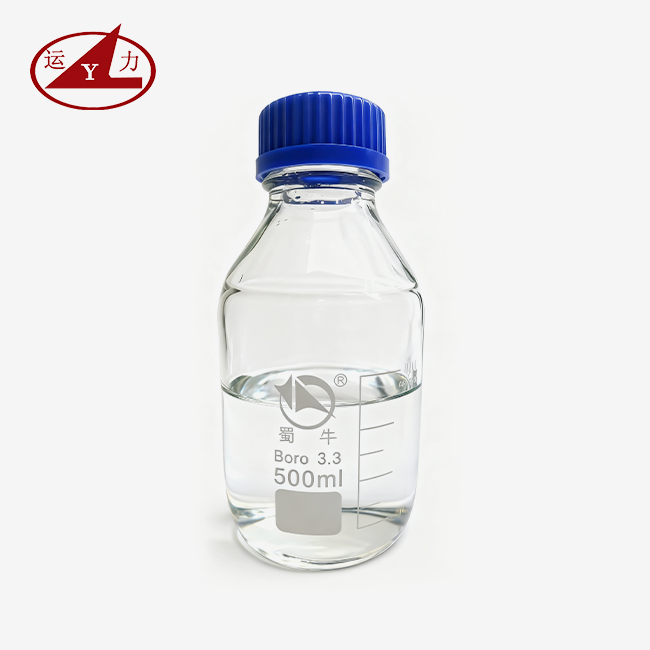
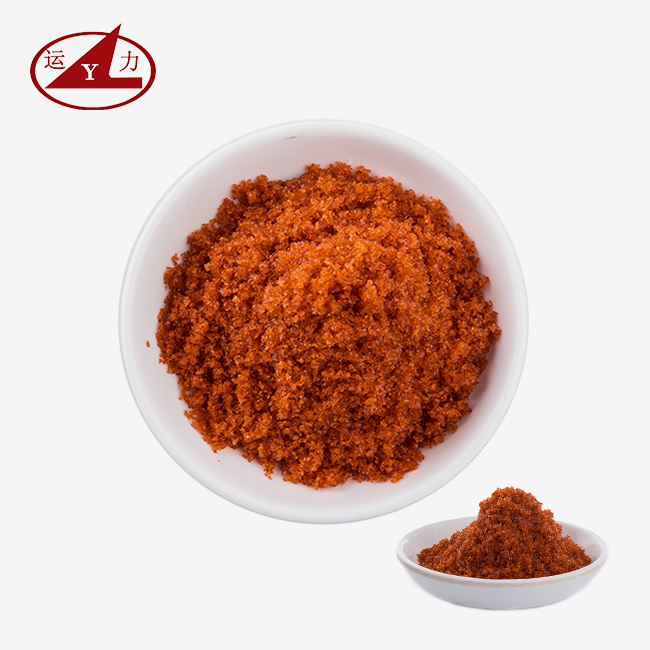
With a molecular weight of 404.01 g/mol and a specific density of 1.68, Ferric Nitrate nonahydrate (CAS 7782-61-8) is a unique purple crystal. The chemical dissolves very easily in water, ethanol, and acetone, which makes it very useful in many industrial processes. These crystals melt at 47.2°C, and around 125°C, they start to break down thermally, releasing nitrogen fumes. The material is very deliquescent, which means it easily takes moisture from the air. This makes it hard to store, and buying teams must deal with it by following the right containment procedures.
Core Chemical Characteristics
This iron salt is different from many other metal products because it can oxidise. When Ferric Nitrate is dissolved, it makes liquids that are very acidic, with pH values usually between 1.5 and 2.5 at 10% concentrations. The acidity comes from ferric ions breaking down in water, letting protons into the solution. The iron percentage of the substance is about 13.8% by weight, which means it has a lot of metal for uses that need iron-based treatment or catalysis.
Safety and Handling Fundamentals
As a Class 5.1 oxidiser according to UN 1466, Ferric Nitrate is very dangerous when it comes into contact with biological materials because it could ignite or burn them. Because the chemical affects skin and mucous passages, the right safety gear must be worn when handling it. To stop deliquescence and rapid decomposition, storage spaces must keep the temperature below 30°C and keep the air dry. These safety factors have a direct effect on how bulk buyers plan their logistics and build their warehouses so that they can manage their tonnage-level inventories.
What Does Ferric Nitrate React With? – Core Reaction Partners Explored
Knowing how this product reacts with other chemicals helps technical teams guess how it will act in process environments and figure out how to fix problems that come up during operations. The reactions that are most important for industry follow these exchanges.
Hydrolysis and Aqueous Behavior
When Ferric Nitrate mixes with water, hydrolysis starts right away, setting up a complicated balance. When the ferric ion binds to water molecules, hydrogen ions are released, and ferric hydroxide species are formed over time. Depending on the quantity and pH, this reaction makes the solution more acidic and can create noticeable precipitates.
In wastewater treatment, controlled hydrolysis allows for the capture of phosphates and the co-precipitation of heavy metals, which makes this reaction very important for environmental uses. The reaction also changes how quickly process equipment corrodes. This is especially important for facilities that use stainless steel tanks because controlling the pH keeps pitting from happening.
Redox Reactions with Reducing Agents
Ferric Nitrate is a strong oxidising agent that easily takes electrons from things that are reducing. Hydrogen sulphide in wastewater is oxidised to basic sulphur or sulphate, which gets rid of the smell and toxins. In the same way, it changes secondary alcohols into ketones and some aromatic molecules into quinones in labs that do organic synthesis. Because of these redox qualities, purity standards are very important.
Trace metal contaminants can speed up unwanted side reactions, lowering output and adding impurities that hurt later processes. Heavy metals should be limited to less than 30ppm in procurement standards for most uses. Materials used as catalysts should need less than 10ppm to keep active sites from becoming poisoned.
Precipitation Reactions with Anions
Chloride and sulphate ions react with ferric solutions in different ways, which makes them both difficult and useful in different ways. Sulphate can crystallise in some situations, like when solutions are very concentrated or when temperatures are high. Ferric chloride, on the other hand, forms easily and stays liquid over a wide range of concentrations.
These behaviours change the chemistry used to treat metal surfaces, and the choice of anions affects how well coatings stick and how resistant they are to rust. When engineers choose between Ferric Nitrate and other iron salts for etching baths or conversion coatings, they have to think about these interactions. They have to balance reactivity with equipment compatibility and the need to treat waste water.
Catalytic Oxidation in Organic Synthesis
Ferric Nitrate speeds up or changes the course of oxidation processes in the production of pharmaceutical intermediates and fine chemicals. In light situations, it helps with aromatic nitration, alcohol oxidation, and some coupling processes. Because it doesn't leave behind halide or sulphate residues, which can stay in goods and stop biological action, it is better than ferric chloride in medicinal uses that need to be very clean to meet regulatory standards. This benefit is enough to justify the higher cost of pharmaceutical-grade material, where proof of analysis must show chloride amounts below 50ppm.
Industrial Applications Driven by Ferric Nitrate Reactions
Ferric Nitrate nonahydrate has direct commercial value in a number of different areas because of how volatile it is. To get the best performance and value for money, procurement choices should match the requirements of the material with the needs of the application.
Wastewater Treatment and Environmental Remediation
Ferric Nitrate is used in municipal and industry cleaning plants to get rid of contaminants in two ways. Sulphides and organic pollution can be removed by oxidation, and hydrolysed iron species can clump together materials in suspension and form phosphates. Ferric Nitrate lowers the amount of chloride in effluent streams compared to ferric chloride. This is important for facilities that send wastewater to areas that are sensitive to chloride or that use advanced biological treatment steps where too much salt stops microbes from working.
The nitrate part also gives air to bacteria that break down nitrogen, which helps cellular processes that get rid of nutrients. Instead of just looking at the unit price per tonne, procurement teams should look at the total treatment costs, which include dumping further down the line and following all the rules.
Catalyst Manufacturing and Nanotechnology
Because it breaks down easily, Ferric Nitrate is the best starting material for making iron oxide catalysts and nanoparticles. As it's heated, it breaks down into pure nitrogen gases and iron oxides. It doesn't leave behind any halide or sulphate particles that could damage the active catalyst sites. This quality is very important for Fischer-Tropsch synthesis catalysts, hydrogenation catalysts for industrial processes, and magnetic nanoparticles used in medicine.
You can choose ultra-high purity grades with iron impurities below 10ppm. This lets you get uniform particle size distribution and catalytic activity, which makes it easier to stick to production plans when batches vary. Suppliers who give customised impurity levels add value by making the process more repeatable.
Metal Surface Treatment and Electroplating
Ferric Nitrate can scratch silver and silver alloys with a level of accuracy that natural acids can't match. It is used to make electronics and jewellery. The slow oxidation creates a smooth, even surface without any pits, which is very important for high-value parts where surface flaws can lead to malfunctions. More and more, metal finishing companies are asking for Ferric Nitrate formulas to replace hexavalent chromium compounds.
This meets RoHS and REACH requirements while still meeting performance standards. The substance also works as a metal conditioner in pre-treatment steps, which helps the next finishing layers stick. For these uses, quality must be consistent—changes in purity or physical form cause process windows to get messed up and increase the amount of waste, so source trustworthiness is very important.
Comparing Ferric Nitrate with Other Iron Salts and Nitrates
To make smart purchases, you need to know how Ferric Nitrate stacks up against other things that might do the same job. For each use, the best choice is determined by the trade-offs between technical and cost factors. Because ferric chloride has a lower unit cost and a higher iron content per kilogram, it is a cost-effective way to treat large amounts of water where chloride loading is not a problem. But because it eats away at stainless steel and causes chloride stress cracks, it can't be used in sensitive process settings.
Ferric sulphate is a middle ground choice. It is not as corrosive as chloride, but it does add sulphate to systems, which can make handling later more difficult in some cases. Ferric Nitrate is more expensive, but it works better with modern materials, breaks down more cleanly for catalyst production, and has less of an effect on the environment when chloride-sensitive discharge situations happen.
Aluminium nitrate has about the same oxidising power as iron but might be cheaper. However, it doesn't have the catalytic qualities or specific reactions that iron does in metalworking and synthetics. Instead of just comparing prices, the choice between these options should be based on the total cost of ownership, which includes things like how long the equipment lasts, how much it costs to treat trash, and how much better the products are. Detailed process modelling often shows that using more expensive materials lowers the total cost of production by requiring fewer cleaning cycles, making tools last longer, and making sure that the quality of the final product is always the same.
Procurement Considerations for Ferric Nitrate
To find high-quality Ferric Nitrate nonahydrate, you need to pay attention to specs that make sure the material's properties match the needs of the application while also keeping supply chain risks under control.
Quality Parameters and Specifications
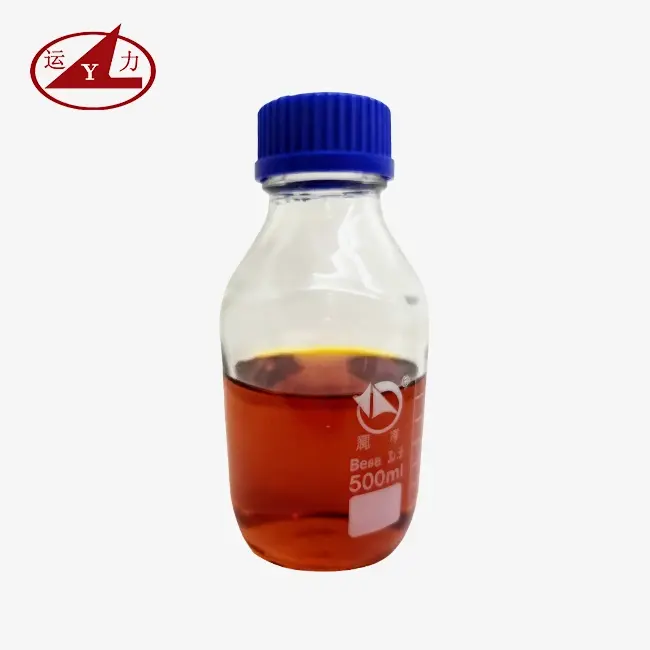
Pure is the most important factor. Industrial grades usually have a pure level of at least 98%, and chemical grades have a level of 99% or higher. It's not just the purity that matters; the impurity patterns are also very important. For example, iron pollution must stay below 30ppm for most uses and 10ppm for catalyst-grade materials. Sodium limits below 100ppm stop unwanted alkali effects in acidic processes and chloride levels below 100ppm keep equipment from rusting and products from getting contaminated. Crystalline crystals and pre-dissolved liquid solutions are two possible physical forms. Liquids are easier to handle, but they need special shipping and storage facilities.
Supplier Selection and Risk Management
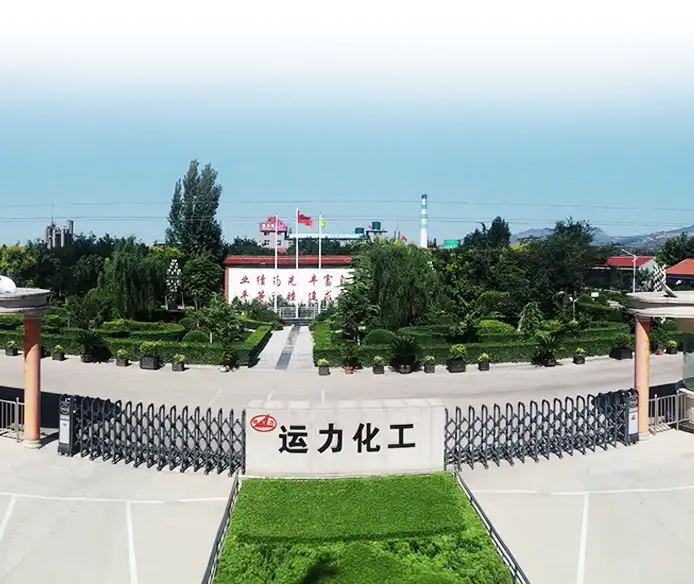
When you work with well-known makers, supply problems and differences in quality are less likely to happen. Yunli Chemical has been in business since 2005 and makes over 1 billion yuan a year. They are certified in ISO 9001, ISO 14001, and OHSAS, which makes them a good example of a seller profile that lowers buying risk. The company is a provincial-level business technology center and has advanced analytical tools like ICP-MS and atomic absorption spectrometry to make sure uniform product quality and quick technical support. Direct factory buying gets rid of markups on middlemen and keeps trackability from raw materials to finished goods, which is very important for industries that need a lot of paperwork like MSDS, COA, and environmental compliance certificates.
Packaging and Logistics
Standard packing in 25 kg PE bags works well for smaller businesses, while 500 kg drums and ISO tanks are better for large customers who buy a lot. Premium types have anti-caking agents that keep moisture from absorbing during transport and storage. This keeps the flowability and extends the shelf life. In wet places where deliquescence happens quickly, climate-controlled storage is necessary. Flexible packing options and custom labelling from suppliers lower internal handling costs and support inventory management systems. This is especially helpful for wholesalers who have to handle multiple customer requirements from a single stock.
Conclusion
Because it reacts with so many things, Ferric Nitrate is an important part of treating garbage, making catalysts, polishing metal, and making speciality chemicals. Its ability to oxidise, its clean breakdown profile, and the fact that it doesn't harm sensitive equipment make it a better choice than other iron salts.
The success of procurement relies on matching purity standards to application needs, working with highly skilled suppliers who provide consistent quality and full documentation, and looking at the total cost of ownership instead of just unit price. As rules about the environment get stricter and businesses need better materials, Ferric Nitrate's benefits in being less harmful to the environment and better at working with other materials make it a smart choice for forward-thinking businesses.
FAQ
What substances should never be mixed with ferric nitrate?
Because Ferric Nitrate is a Class 5.1 oxidiser, you should never mix it directly with organic solvents, reducing agents like sodium sulphide, or materials that can catch fire. These kinds of mixtures can suddenly catch fire or blow up. Keep Ferric Nitrate away from chemicals that aren't suitable with it at all times, and read the MSDS before adding new materials to processes that use Ferric Nitrate.
How does ferric nitrate differ from ferrous nitrate in industrial applications?
Ferric Nitrate has iron in the +3 oxidation state and mostly works as an oxidising agent. On the other hand, ferrous nitrate has iron in the +2 oxidation state and mostly works as a reducing agent. Because of this basic difference, each compound has a specific job to do: ferric compounds remove contaminants and speed up certain processes, while ferrous compounds take part in different catalytic paths and remove oxygen. The decision is completely based on the chemical change that is wanted.
Can ferric nitrate be safely used in large-scale wastewater treatment?
Yes, as long as the right dosing controls and safety rules are followed. Because it works as both an oxidiser and a coagulant, it can get rid of phosphates and reduce smells. The benefit over ferric chloride is lower chloride loading, which is especially helpful for places with strict wastewater limits or biological treatment that is sensitive to salt further down the line. Automated dose systems and pH tracking make sure that large-scale operations are safe and effective.
Partner with a Trusted Ferric Nitrate Supplier
Yunli Chemical offers Ferric Nitrate nonahydrate for both pharmaceutical and commercial use. Their products are guaranteed to be more than 98% pure, and they can customise impurity profiles down to 10ppm iron content. They also provide full compliance paperwork, such as MSDS and COA. Our 20 years of industrial experience and provincial technology center make sure that stability from batch to batch, which means that production doesn't stop.
Our flexible packaging ranges from 25 kg bags to ISO tanks. We also offer free samples of up to 500 grams, and there is no minimum order quantity to help you with your trial programs. Whether you need ultra-pure catalyst precursors, etching solutions that are RoHS-compliant, or bulk treatment chemicals, our direct factory prices and self-operated export operations cut out the middleman and keep quality controls very strict.
You can email our technical team at wangjuan202301@outlook.com to talk about your unique needs and get personalised formulation suggestions backed by analysis certifications. You can see our full line of products at yunlichemical.com and learn why top companies in the electronics, medicinal, and environmental industries choose Yunli Chemical as their Ferric Nitrate supplier.

References
1. Cotton, F.A., Wilkinson, G., Murillo, C.A., and Bochmann, M. (1999). Advanced Inorganic Chemistry, 6th Edition. John Wiley & Sons, New York.
2. Stumm, W. and Morgan, J.J. (1996). Aquatic Chemistry: Chemical Equilibria and Rates in Natural Waters, 3rd Edition. John Wiley & Sons, New York.
3. Richardson, H.W. (2003). Handbook of Copper Compounds and Applications. Marcel Dekker, New York.
4. Snoeyink, V.L. and Jenkins, D. (1980). Water Chemistry. John Wiley & Sons, New York.
5. Hocking, M.B. (2005). Handbook of Chemical Technology and Pollution Control, 3rd Edition. Academic Press, San Diego.
6. Kirk-Othmer Encyclopedia of Chemical Technology (2007). Iron Compounds, 5th Edition, Volume 15. John Wiley & Sons, Hoboken.