


Is iron nitrate soluble?
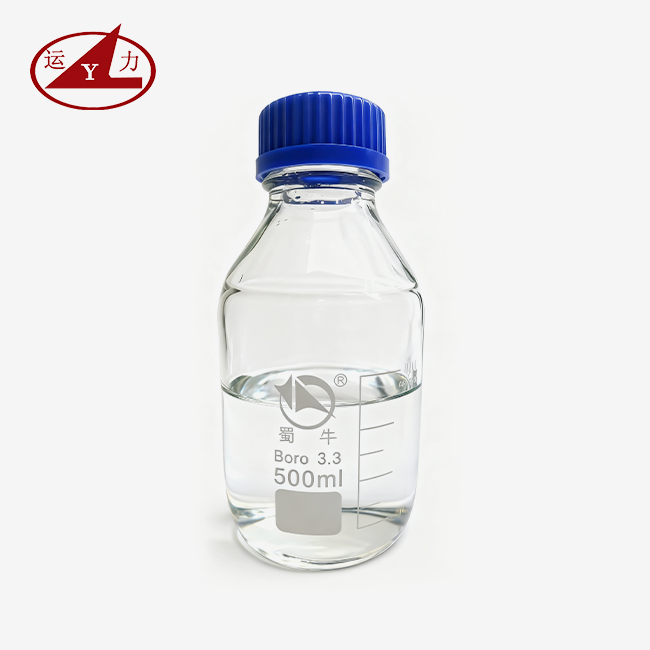
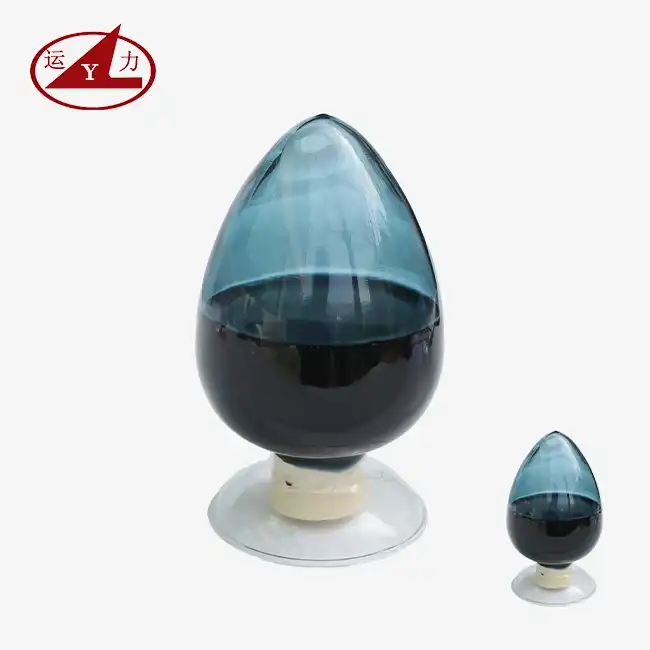
If you really want to know if Iron Nitrate dissolves in water, the answer is yes. Iron Nitrate Nonahydrate (Fe(NO₃)₃·9H₂O) is the most common type on the market. It's easy to dissolve in water, ethanol, and acetone at room temperature, making purple liquids that are clear. In normal conditions, it dissolves more than 99.5% of the time. This makes it an important factor in fields where fast dispersion and reaction efficiency are important, such as metal treatment, gardening, and catalyst production.
Understanding Ferric Nitrate and Its Solubility
Molecular Composition and Physical Properties
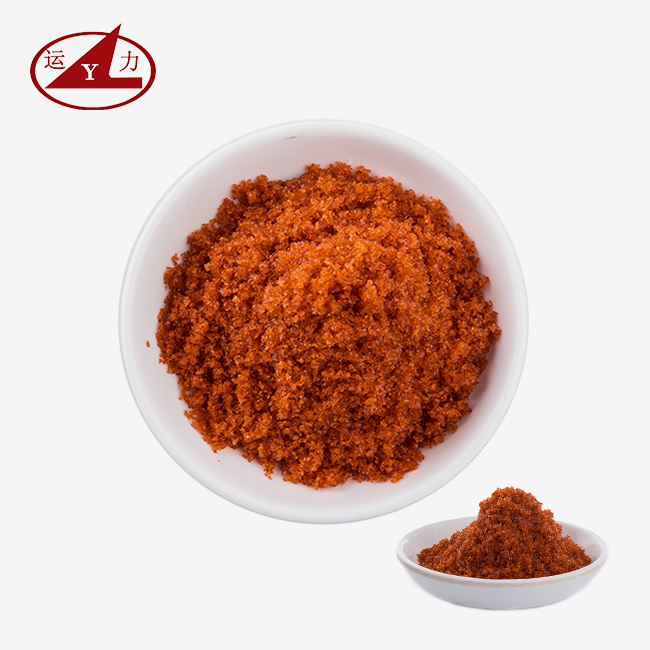
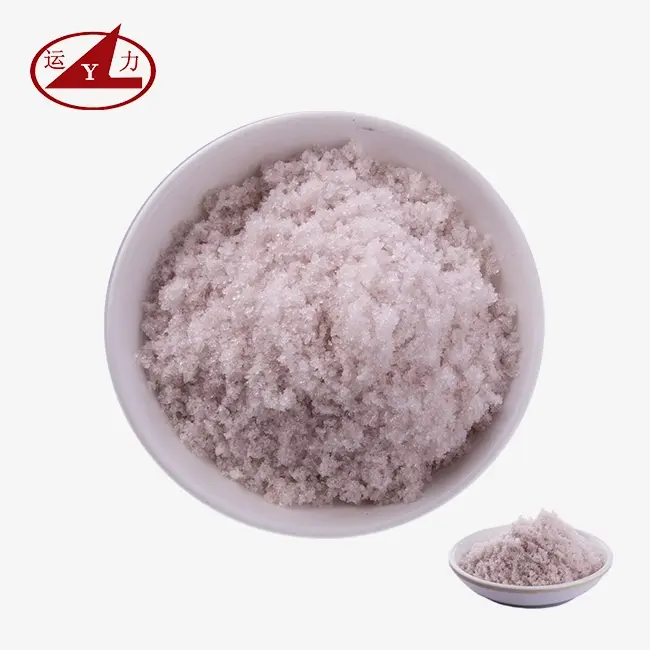
Iron Nitrate Nonahydrate (CAS 7782-61-8) has a molecular weight of 404.01 g/mol and is a black rock that melts. It can hold a lot of water because each Ferric Nitrate unit has nine water molecules connected to it. It melts at 47.2°C, which is very cold, and has a specific density of 1.68. Temperature-controlled processes are needed to keep it from melting while it's being shipped. Heating it up to 125°C starts thermal breakdown, which releases nitrogen oxides and leaves behind iron oxide.
Solubility Profile and Influencing Factors
At 20°C, more than 150 grams of Ferric Nitrate can be mixed with 100 milliliters of water. At the same time, iron sulfate (26 grams per 100 milliliters) and ferric chloride (92 grams per 100 milliliters) can't do nearly as much. Why does the nitrate anion dissolve better? It's because it has low coordination and high ionic mobility. Things break down faster as the temperature goes up. About 230 g/100 mL of it dissolves better at 50°C. But pH levels below 2.0 are best for stability. This is because alkaline conditions cause hydrolysis, which makes solid ferric hydroxide precipitates that cloud the solution and make it less useful.
The way something is stored has a big impact on how well it keeps its stability. If you put something in wet air, it deliquescence, which means that the crystal structure takes in water from the air and turns into a concentrated liquid. This shows that the material is naturally soluble, but it also makes it harder to work with and needs to be packed in a way that keeps moisture out using desiccants. We at Yunli Chemical solve this issue by using special ingredients that stop the product from clumping together. These ingredients make sure that the product stays solid and free-flowing for its whole life.
Comparison with Other Iron Compounds
When using Ferric Nitrate instead of ferric chloride, there is no chance of chloride pollution at all in processes that are sensitive to halogen impurities, such as making catalysts and pharmaceutical intermediates. When heated, the nitrate part breaks down into gaseous waste, leaving behind pure iron oxides that are great for precision metalworking. This is not the same as iron sulfate, which adds sulfate ions that make some chemical processes less accurate. Controlled-release iron chelates are useful in farming, but they are a lot more expensive and don't oxidize well enough for etching and getting the surface ready.
Ferric Nitrate Applications Dependent on Solubility
To get good results, Iron Nitrate needs to breakdown quickly and spread out evenly. This makes it useful in many industry fields.
Catalyst Manufacturing
Ferric Nitrate is the main iron substance that is used to make methanol and for selective oxidation catalysis. It can break down fully, which means that support materials like silica and alumina can be filled with it equally. Because of this, there are active spots that are spread out equally. A very pure grade from Yunli Chemical (≥98%, with heavy metal content ≤10ppm) stops catalytic poisoning and makes working cycles 30–40% longer than standard grades. Because our formulas stay fixed between 1.5 and 2.5 on the pH scale, precipitation doesn't happen too early in the sol-gel process.
Textile Mordants and Dye Fixing
Textile companies make steady mordant baths with Ferric Nitrate because it dissolves in water. This helps colors stick to fabrics better. Our grade with less than 50ppm of chloride doesn't break down strands like ferric chloride grades do. Tones on silk and cotton stay deep black, and the tensile strength of the materials stays the same. There is less need to store things when you can make concentrated stock solutions (up to 40% w/v). It is also easy to make changes to batch formulas.
Metal Surface Conditioning and Etching
As an electroplating mix, water-soluble Ferric Nitrate recipes can be used instead of hexavalent chromium. These follow the rules set by RoHS and REACH. Oxidation by the substance gets rid of impurities on the surface and makes conversion coats that hold things together. Controlled dissolving rates make clean, vertical edge profiles without the dangerous chlorine gas production that comes with ferric chloride etchants. This is useful for precise etching tasks like making printed circuit boards and finishing jewelry.
To keep the exothermic dissolution process under control, you should always add the grains slowly to pure water while shaking it gently. Keep the mix below 30°C to stop it from breaking down thermally. Solutions that have been made should be kept out of direct sunlight in PE or PTFE containers that won't rust. Every 90 days, stocks should be changed to keep results level.
Comparing Ferric Nitrate with Other Iron Compounds for Informed Procurement
Solubility and Application Suitability
The slower it dissolves, the more sulfate it leaves behind. This makes it hard for wastewater treatment plants to get rid of because they have strict rules about how much they can dump. Even though ferric chloride is cheap, it damages stainless steel equipment by adding chloride ions and gives off dangerous fumes when heated. It is the best choice for closed systems and high-purity uses because it breaks down easily and has a pH that is normal to slightly acidic.
Cost-Effectiveness Analysis
With nitrogen oxides instead of hydrochloric acid, Ferric Nitrate lowers the total cost of ownership by making it easier to get rid of waste and raising process results. It costs 15–25% more per kilogram than ferric chloride. For instance, drugs used in pharmaceuticals and electronics have to follow strict rules about the environment. These businesses can pay more because they don't have to follow as many rules and have better ways to check the quality of the goods they sell.
Performance in Industrial Settings
Iron Nitrate conditioners are 40% cheaper to use than chromium-based conditioners when electroplating companies switch to them. Catalyst makers can get more selective reactions and more regular particle sizes with chemicals that are based on nitrates. Ferric Nitrate is the best choice for buying teams that care about quality because it works better and Yunli Chemical can provide different purity levels (98% to 99.9%) and physical forms (crystalline or pre-dissolved solutions).
Safe Handling, Storage, and Hazard Considerations
Hazard Classification and Safety Data
As a Class 5.1 oxidant, Iron Nitrate should be kept away from things that can catch fire, chemicals, and reducing agents. The chemical is irritating to the skin and makes acidic solutions that need the right safety gear, such as rubber gloves, safety masks, and coats. Make sure you don't take in dust when you're working with powdered forms; use local air flow.
Storage Best Practices
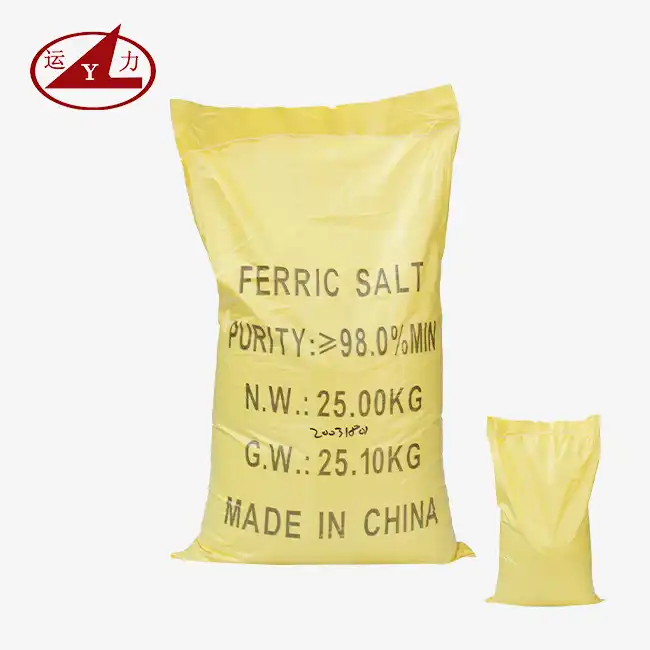
Keep places where things are stored below 25°C and the relative humidity below 50% to stop deliquescence. Keep things off the ground so they don't get wet by putting them in boxes lined with PE bags that won't get wet. Our 25kg, 500kg, and ISO tank packaging all have UV-protective layers and locks that can't be broken. These meet UN1476 rules for transporting goods across borders. To cut down on caking that comes with age, move products first-in, first-out.
Regulatory Compliance
You can get complete sets of paperwork from Yunli Chemical. These sets include MSDS sheets that meet GHS standards, environmental safety certificates, and Certificates of Analysis (COA) with batch-specific quality data. These make it easier to get through borders and pass regulatory checks. We care about quality and the environment in a planned way, as shown by our ISO 9001, ISO 14001, and OHSAS standards. This makes it easy for buying teams to do their research.
If you don't store things properly and water gets in, it changes both how they work physically and how pure they are chemically. This is because the water drops the amount of iron that works and changes the way the solution is made. Visual checks and regular tracking of humidity help keep materials in good shape.
Procurement Guide for Ferric Nitrate
Selecting Trusted Suppliers
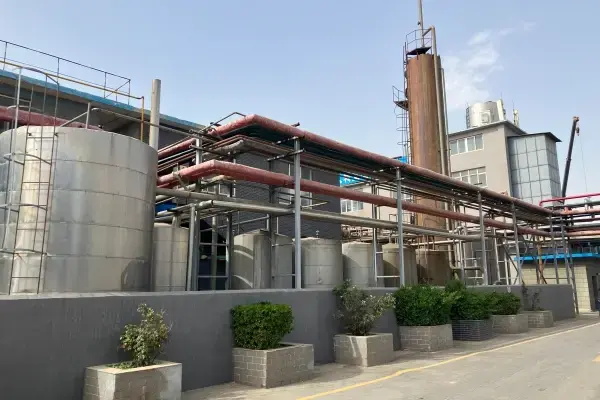
Suppliers should be judged on how well they can make things, how much professional help they offer, and what certifications they have. Since its start in 2005, Yunli Chemical has been focusing for more than twenty years. The business makes over 1 billion yuan a year and owns things worth 300 million yuan. Our company is a Shanxi Provincial Enterprise Technology Center, so we have access to high-tech analysis tools such as ICP-MS and atomic absorption spectrometry. These tools let us fully check the quality of our goods at every stage of production.
Bulk Purchasing Considerations
Prices are based on the quality level, the amount of things ordered, and how they need to be packed. For treating metals and fabrics in general, industrial-grade material that is 98% pure works well. But catalyst-grade items that are 99%+ pure with heavy metals <10ppm are more expensive but always work better. Yunli Chemical is willing to work with you, and there is no minimum order size. You can also get free samples of up to 500 grams. Customers can fully test their fit before they sign volume contracts.
Evaluating Supplier Reliability
Look at how many on-time sales they have had in the past, how fast their technology is, and how easy it is to make changes. Our factory-direct model cuts out the middlemen's markups, and our self-run export operations make sure that everything is clear and easy to do. Being able to control the amounts of iron (10–30ppm), sodium (<100ppm), and chloride (<50ppm) shows a high level of production skill, which is important for uses that have strict requirements. People with long-term contracts save money when they buy in bulk and are given priority when there are problems in the supply chain.
So that they can make sure that the test numbers are accurate to within 0.3%, purchasing managers should ask for batch consistency data that includes more than one production run. Together, this field of statistics and the environmental friendliness of nitrogen wastewater treatment systems that have been around for a long time can tell the difference between reliable partners and sellers who just want to make quick cash.
Conclusion
When it comes to making unique chemicals, fabrics, and catalysts, Iron Nitrate is an important ingredient because it dissolves easily in both water and organic solvents. Because it dissolves completely without leaving behind halogen or sulfate residues, it is very useful in high-purity settings where keeping contamination under control is very important. If people who are buying know how temperature, pH, solubility, and storage conditions affect each other, they can pick the right grades and get good deals from suppliers. It has been recognized at the provincial level for its research and development, many certifications, and 20 years of production experience. When you work with companies like Yunli Chemical, you not only get a chemical product, but also a strategic edge in quality control, legal compliance, and operating efficiency.
FAQ
What is the solubility of ferric nitrate in water at room temperature?
If you put more than 150 grams of Iron Nitrate Nonahydrate into 100 milliliters of water at 20°C, it breaks down and turns into a solid, clear purple solution. Because this rate is higher than most other iron salts, it is possible to make strong stock solutions that can then be watered down for use in trade.
Can ferric nitrate be used in agricultural applications?
Iron-containing Ferric Nitrate can dissolve in water and give iron to plants, but its acidic pH and strong oxidation make it less useful for direct use in soil or leaves than chelated iron compounds. The pH balance systems in hydroponic feed mixes keep the acidity in check, but it still plays a small but useful part.
How does temperature affect ferric nitrate solubility?
It breaks down faster at higher temperatures, and at 50°C, it dissolves in the most water (about 230 g/100 mL). But when temperatures get close to 47.2°C, heat needs to be carefully controlled so that things don't melt by accident and become harder to handle.
What safety precautions are essential when handling ferric nitrate?
Wear PPE like gloves and eye protection, keep it away from things that could catch fire, and make sure there is enough air flow. Because it is acidic and unpleasant, keep things dry to avoid foaming, and have eyewash stations nearby in case of an emergency.
Partner with Yunli Chemical for Premium Ferric Nitrate Supply
Yunli Chemical stands as your dedicated Iron Nitrate manufacturer, delivering ultra-high purity grades (98-99.9%) with customizable impurity control tailored to catalyst, electroplating, and textile applications. Our provincial-level technology center, ISO-certified production facilities, and 20 years of operational excellence guarantee stable supply, rigorous quality assurance, and comprehensive technical support. We provide factory-direct pricing, flexible packaging from 25kg bags to ISO tanks, and complimentary samples up to 500 grams to validate compatibility before bulk commitment. Contact our team at wangjuan202301@outlook.com to discuss your specific requirements, request COA documentation, or arrange sample shipments. Visit yunlichemical.com to explore our complete product portfolio and discover how our Ferric Nitrate solutions enhance your operational efficiency while meeting the most demanding quality standards.

References
1. =Housecroft, C.E., and Sharpe, A.G. (2018). Inorganic Chemistry, 5th Edition. Pearson Education Limited.
2. Perry, R.H., Green, D.W., and Maloney, J.O. (2019). Perry's Chemical Engineers' Handbook, 9th Edition. McGraw-Hill Education.
3. Lide, D.R. (2020). CRC Handbook of Chemistry and Physics, 101st Edition. CRC Press.
4. Kirk-Othmer Encyclopedia of Chemical Technology (2021). Iron Compounds, Volume 15. Wiley-Interscience.
5. Vogel, A.I. (2017). Vogel's Textbook of Quantitative Chemical Analysis, 6th Edition. Pearson Education.
6. International Labour Organization (2019). Safety and Health in the Use of Chemicals at Work. ILO Publications.