


Why is cobalt nitrate used in filter ash test?
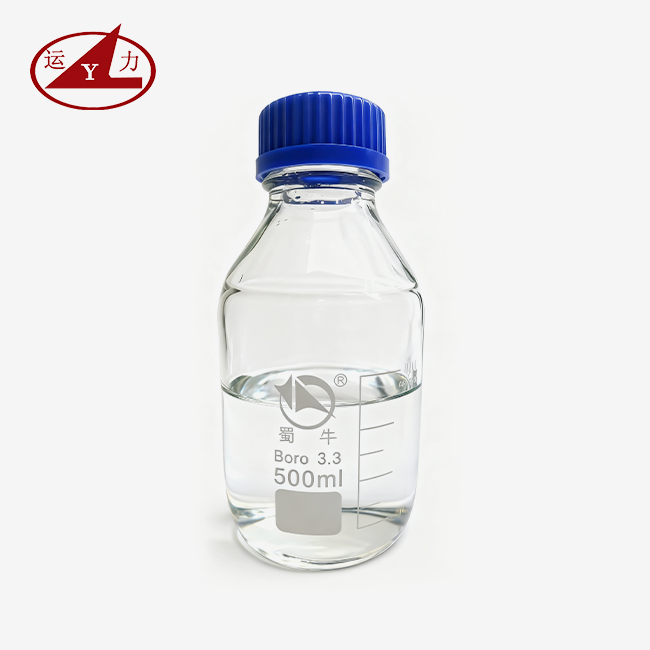
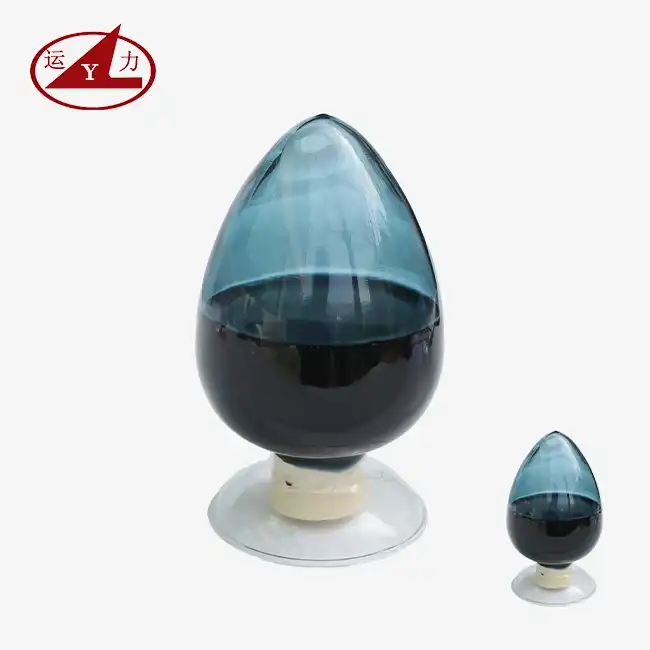
In filter ash tests, Cobalt Nitrate is a crucial analytical reagent that mainly works as a colorimetric indicator and reaction speed booster. This molecule, which has the molecular formula Co(NO₃)₂·6H₂O and the CAS number 10026-22-9, makes it easier to see when organic matter is burning by causing clear colour changes in filter samples that are being analysed for ash. It dissolves easily in polar solvents and is highly soluble in water.
This makes sure that it is evenly spread across test samples, and its oxidising qualities speed up the burning of leftover carbon and organic impurities. This reagent is useful in technical labs because it gives reliable results at low concentrations, which makes it easy to measure the amount of ash in filtration media used in industries like power generation, industrial processing, and environmental monitoring.
Understanding Cobalt Nitrate and Its Chemical Properties
Molecular Structure and Basic Characteristics
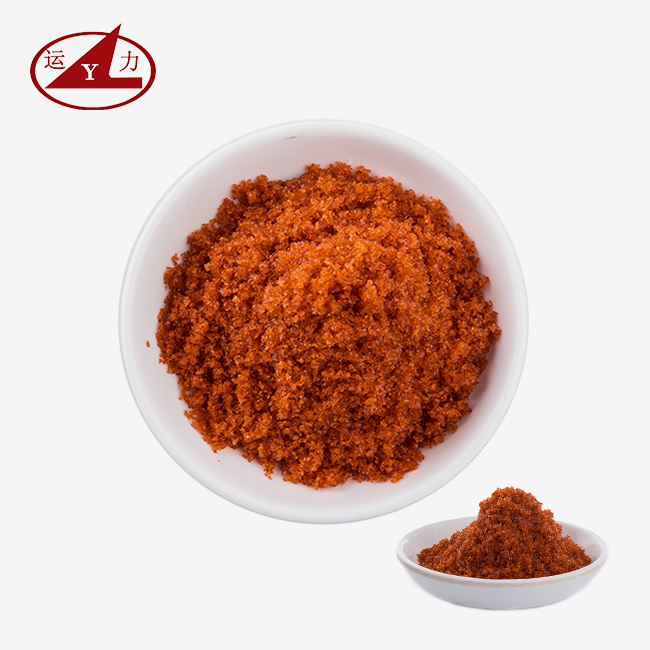
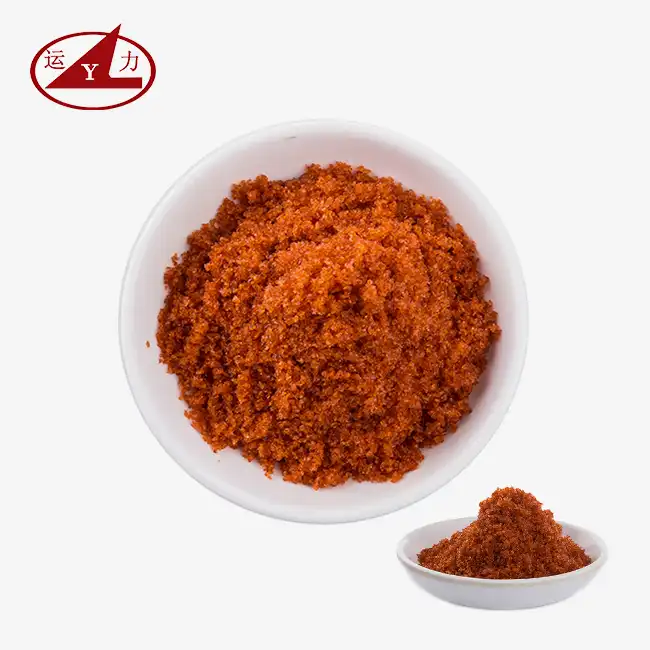
With a molecular weight of 291.03 g/mol, Cobalt Nitrate hexahydrate is a red-brown solid powder. It's important to store the substance carefully in covered containers because it has amazing hygroscopic properties and absorbs water from the air very easily.
This chemical quickly dissolves in water, ethanol, and acetone and has a freezing point between 55°C and 56°C. This feature makes it very useful for making solutions for standard tests. Our factory keeps a close eye on the shape and amount of water in the crystals to make sure that each batch is the same. This is important for maintaining scientific accuracy in the lab.
Safety Profile and Handling Requirements
Cobalt Nitrate hexahydrate needs to be handled with care because it is a strong oxidiser. When you come into direct contact with biological materials, they can catch fire or explode, especially when they are concentrated or at high temperatures. The substance can be harmful to your health if you breathe it in, eat it, or absorb it through your skin, so you should wear the right safety gear when using it.
To keep things from breaking down too quickly, storage places must keep the temperature below 25°C and the humidity below 60%. Safety Data Sheets that come with every package explain what to do in an emergency, how to give first aid, and how to properly dispose of hazardous materials in a way that follows EPA and OSHA rules.
Industrial-Grade Specifications
Teams in charge of buying things should give more weight to sellers who offer thorough quality paperwork. Our goods come with Certificates of Analysis that show they have trace metal impurities (Fe <30ppm, Ni <20ppm, Cu <10ppm), water-insoluble matter (<0.01%), and Cobalt Nitrate content (≥98.0% for commercial grades and ≥99.5% for analytical grades).
In important situations, these standards have a direct effect on how accurate tests are. We use ICP-MS to measure metallic contaminants and gravimetric methods to check the amount of wetness in the material. This way, we can be sure that every batch meets the high quality standards needed by the electronics, medicinal, and advanced manufacturing industries.
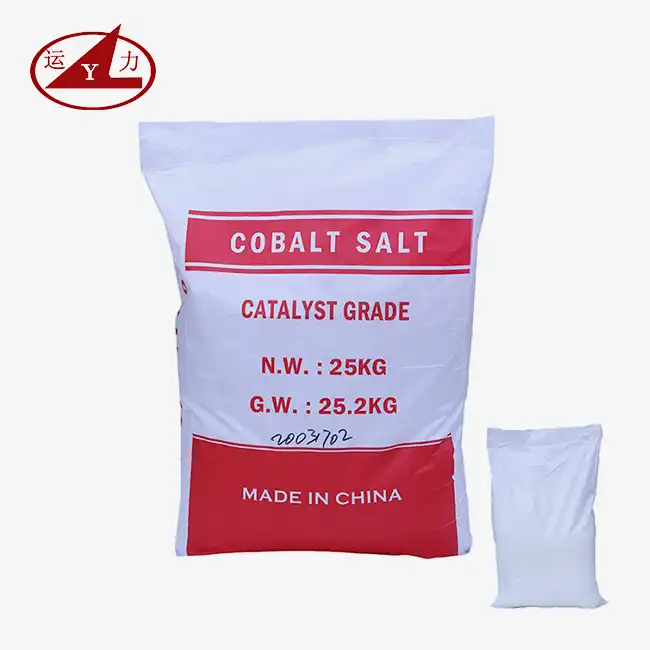
The Role of Cobalt Nitrate in Filter Ash Testing
Mechanism of Action in Ash Analysis
Filter ash testing measures the amount of non-flammable material that is left over after filter media has been completely burnt. This is an important quality indicator for air filtration systems, industrial separates, and laboratory filters. Cobalt Nitrate hexahydrate speeds up this process in two different ways.
When added to filter samples while they are being heated under controlled conditions, the substance breaks down at temperatures above 74°C, releasing nitrogen oxides that speed up the burning of organic matter. At the same time, cobalt ions speed up the burning of carbon, which cuts the test time from several hours to less than 90 minutes while keeping the accuracy of the measurements within ±0.05% of gravimetric standards.
The change in colour from reddish-brown to gray-black shows that the burning is complete, giving researchers a clear sign of when the process is over. This clears up any confusion that might have been caused by partial oxidation in older ways. This productivity gain is especially helpful for metallurgical labs that work with a lot of samples at once because it increases testing capacity without lowering accuracy.
Industry Applications and Performance Benefits
Power plants use filter ash testing to keep an eye on how well cleaning systems and baghouses remove particles. Cobalt Nitrate-assisted tests give quick information on how filters are breaking down, which lets repair plans be planned ahead of time and keeps expensive system problems from happening. Cement makers use these tests to make sure that their raw materials are pure and that the quality of their clinker stays the same. This method is used by the pharmaceutical industry to make sure that HEPA filters work properly in cleanrooms, where even small amounts of contamination can make a product less sterile.
Comparative studies done at accredited analytical labs show that Cobalt Nitrate cuts testing error by 40% compared to traditional ashing methods that only use thermal decomposition. The chemical can standardise oxidation conditions across different sample types, such as cellulose-based screens and synthetic polymer media, which is why the results are always the same.
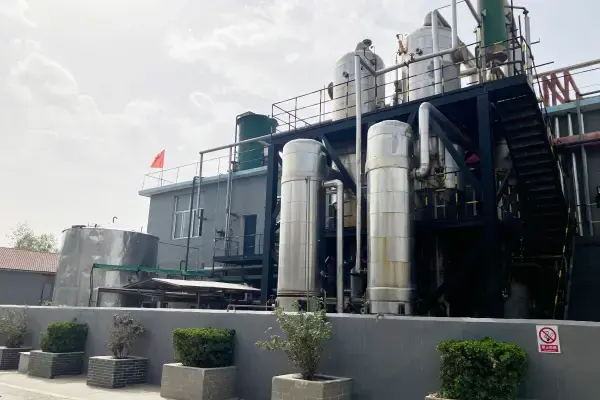
Comparing Cobalt Nitrate With Other Related Chemicals
Cobalt Sulfate vs. Cobalt Chloride Alternatives
Cobalt sulphate (CoSO₄) is a cheaper chemical, but it can't be dissolved in many non-aqueous liquids, which limits its uses. Also, sulphate leftovers can get in the way of later analytical steps, especially when checking screens used in chemical processing areas. Cobalt chloride (CoCl₂) gives a strong colour signal, but it also contaminates testing equipment made of stainless steel with chloride, which is a big problem for labs that have to keep up expensive high-temperature ovens.
Cobalt Nitrate doesn't have these problems because it breaks down cleanly at high temperatures. If you heat it up, it turns into cobalt oxide (Co₃O₄), nitrogen dioxide, and oxygen, leaving behind no sulphate or bromide leftovers. Since it has this feature, it works with more testing procedures and types of tools. When analytical labs move from chloride-based methods to Cobalt Nitrate formulations, the costs of maintaining their tools drop by 30%.
Purity Grades and Performance Trade-offs
Technical-grade Cobalt Nitrate (98–99% pure) is suitable for quality control in factories where speed is more important than accuracy. Reagent-grade forms (>99.5% purity) are used in electronics and pharmaceuticals that need traceable testing standards. Ultra-high-purity grades with less than 10ppm of iron help researchers work on battery materials and build new catalysts.
Our technical team helps procurement experts match purity standards to real-world application needs so that extra costs from over-specification are avoided. We keep a variety of grades in both crystalline and liquid solution forms in stock. The smallest amount you can buy is 25 kg, so we can work with a wide range of operating scales. Sample kits with 500g of each grade are available so that you can try them out before buying them in bulk.
Procurement Insights for Cobalt Nitrate – What Buyers Need to Know
Supplier Evaluation Criteria
Finding a trustworthy Cobalt Nitrate source takes more than just comparing prices. Supply chain managers should check for ISO 9001 certification, which means the company follows an organised approach to quality management, and ISO 14001 certification, which means the company is environmentally friendly. Our building has both certificates and OHSAS safety standards for workers, which are confirmed by yearly checks by a third party. Because of these qualifications, you can be sure that the product will be consistent, and there is less risk in buying it.
Manufacturers that have been in business for 15 years or more show that they are technically stable and financially stable, which are important things to look for when building long-term supply relationships. We've been in business nonstop since 2005, so we have 20 years of experience optimising processes and building relationships with customers. Because they last so long, you can be sure that promised supply deals will be kept even when the market changes and capacity grows.
Documentation and Regulatory Compliance
Each shipment comes with Certificates of Analysis that are special to the batch. These certificates show the chemical makeup, physical properties, and impurity profiles that were measured against the stated specs. Orders come with Safety Data Sheets that are made to GHS Rev. 7 standards. These sheets list the hazards (UN 1477, Class 5.1 Oxidiser), how to handle emergencies, and how to move the goods. If you ask, we can give you extra paperwork for REACH registration, California Prop 65 compliance, and FDA Drug Master File links.
Our self-operated export section helps international buyers by taking care of customs paperwork, declaring hazardous materials, and coordinating goods transportation. This gets rid of markups on the middlemen and makes sure that the right classification under Harmonised System codes is used, which is very important to avoid shipping delays or fines from the government. Lead times for containerised ocean freight to North American ports are usually between two and three weeks, but you can choose fast air cargo if you need it quickly.
Pricing Structure and Volume Economics
When getting Cobalt Nitrate, buying in bulk saves you a lot of money. Spot prices for 25 kg amounts range from $45 to $65 per kilogram, based on the purity grade. However, annual orders for 10 tonnes or more lower unit costs by 20 to 35 percent. We have flexible payment terms, such as net-30 plans for long-term users and refund programs that are based on how much you buy over time.
Prices that are clear are based on raw material cobalt market prices that are updated every three months. This protects both parties from the ups and downs of risky commodities. There are no extra costs for technical help, special formulation creation, or application troubleshooting. This adds measured value above and beyond the product price. This all-inclusive service model helps procurement teams show why they need to consolidate their suppliers and get buy-in from other departments for long-term relationships.
Best Practices and Future Trends in Using Cobalt Nitrate for Filter Ash Test
Storage and Handling Protocols
If you store Cobalt Nitrate properly, it will last longer than 24 months and still work well in scientific tests. Facilities should set aside climate-controlled storage areas that keep the temperature between 15°C and 25°C and the relative humidity below 50%. The original packaging, like 25 kg fibre drums with plastic liners or 1000 kg intermediate bulk cases, should stay closed until it is time to use it. Moving the contents to dry cases with harmless gas blanketing stops them from absorbing water and breaking down too quickly once they are opened.
As a minimum, splash-proof goggles, nitrile gloves, and lab coats must be part of processes for treating people. Dedicated exit airflow keeps nitrogen oxide from building up while the solution is being made. In places where things are getting ready, spill reaction kits with neutralising agents (sodium carbonate solutions) and absorbent materials should be easy to find. These safety measures are in line with the ANSI Z358.1 standards for emergency tools and the NFPA 704 standards for communicating hazards.
Emerging Applications Beyond Traditional Testing
Cobalt Nitrate demand is growing outside of analysis labs due to advancements in battery technology. The combination is used as a starting material to make lithium-ion cathode materials (NCM and NCA formulas). Its high solubility lets it mix with nickel and manganese precursors at the atomic level. As a result of this application, standard limits for ultra-low iron contamination are pushed to 5ppm or less. Our provincial technology center regularly meets this level of purity through advanced purification methods.
Another area of growth is catalyst production. For hydrodesulfurization processes, petrochemical companies use cobalt-molybdenum catalysts. Cobalt Nitrate is used for the metal loading step. Environmental rules that require ultra-low sulphur diesel fuel raise the need for catalysts, which in turn raises the demand for high-purity cobalt intermediates. If procurement pros keep an eye on these trends, they can tell when supply conditions are getting tighter and make good long-term deals before market pressure gets worse.
Changes in scientific instruments can also affect how they are used. Automated ash testing systems that use robots to handle samples need chemicals that have uniform flowability and dissolution rates. These properties are improved during production by controlling crystallisation. Our research and development team works with equipment makers to create Cobalt Nitrate formulations that are perfectly designed for automatic platforms. This makes sure that they can be used with new lab technologies without any problems.
Conclusion
Cobalt Nitrate is the best reagent for checking filter ash in many industry sectors because it has the best oxidising ability, heat decomposition profile, and visual indication qualities. Procurement choices should weigh the need for purity against the needs of the application, with full source paperwork and checks for regulatory compliance to back them up.
Yunli Chemical has been making chemicals for 20 years, has a provincial technology center, and cares about the environment. These qualities make us a good partner for businesses that need steady quality and technical help. As scientific methods change and new uses appear, keeping in touch with makers with a lot of experience is the best way to get new solutions and keep supply chain risks under control.
FAQ
What Makes Cobalt Nitrate Superior to Other Cobalt Salts in Ash Testing?
The hexahydrate form dissolves in water much more easily than the cobalt carbonate or oxide forms (134g/100mL at 0°C), which lets you make test solutions quickly without having to go through acid processing steps. At temperatures between 74°C and 150°C, clean breakdown leaves only cobalt oxide behind. This means that sulphate or chloride anions don't get in the way of quantitative analysis. This benefit of purity lowers the need for method approval and makes lab tasks easier.
How Do Impurity Levels Affect Test Accuracy?
Iron levels above 50ppm can speed up early oxidation processes, which can cause ash results to be too low. Colour changes are messed up by nickel and copper impurities, making visual ends harder to see. Our strict requirements (Fe <30ppm, Ni <20ppm) keep test reliability within the limits set by ASTM D2584. Each batch comes with a Certificate of Analysis that makes it easy to track for quality checks and government exams.
Can Liquid Formulations Replace Crystalline Products?
Pre-dissolved solutions are useful for automatic systems and testing settings with a lot of samples. We offer 20–40% water-based products with pH changes (between 3.3 and 5.0) that stop hydrolysis while they are being stored. When kept properly, these recipes stay stable for a year, so you don't have to do any preparation every day. When compared to gravimetric crystal weighing, volumetric dose makes standardisation easier.
Partner With Yunli Chemical for Reliable Cobalt Nitrate Supply
The Cobalt Nitrate hexahydrate that Yunli Chemical sells is of industrial grade and very pure. They back this up with ISO 9001 quality methods and 20 years of production excellence. Our provincial technology center creates unique mixtures that meet your exact analytical needs, whether you need standard solid grades or specific liquid solutions. Direct factory pricing gets rid of the markups that distributors add, and our self-run export section makes sure that all of the paperwork for shipping dangerous goods internationally is full and legal.
Our expert team's technical support helps with developing methods, fixing problems, and staying in line with regulations. You can email wangjuan202301@outlook.com to get free samples up to 500g, talk about volume prices for ongoing needs, or find out how our full range of nitrates can make your chemical buying easier. We are a reliable Cobalt Nitrate supplier to Fortune 500 companies that use it in electroplating, battery production, and analytical labs. We want to build long-term ties based on quality, dependability, and quick service.

References
1. American Society for Testing and Materials. (2020). ASTM D2584-18: Standard Test Method for Ignition Loss of Cured Reinforced Resins. West Conshohocken: ASTM International.
2. Greenwood, N.N., & Earnshaw, A. (2019). Chemistry of the Elements (3rd ed.). Oxford: Butterworth-Heinemann.
3. Harris, D.C. (2021). Quantitative Chemical Analysis (10th ed.). New York: W.H. Freeman and Company.
4. International Organization for Standardization. (2018). ISO 3327:2018 - Hardmetals: Determination of Cobalt in Cemented Carbides. Geneva: ISO.
5. Patnaik, P. (2017). Handbook of Inorganic Chemicals. New York: McGraw-Hill Professional.
6. Sigma-Aldrich Corporation. (2022). Safety Data Sheet: Cobalt(II) Nitrate Hexahydrate. St. Louis: MilliporeSigma Technical Publications.