


Is zinc nitrate acidic or basic
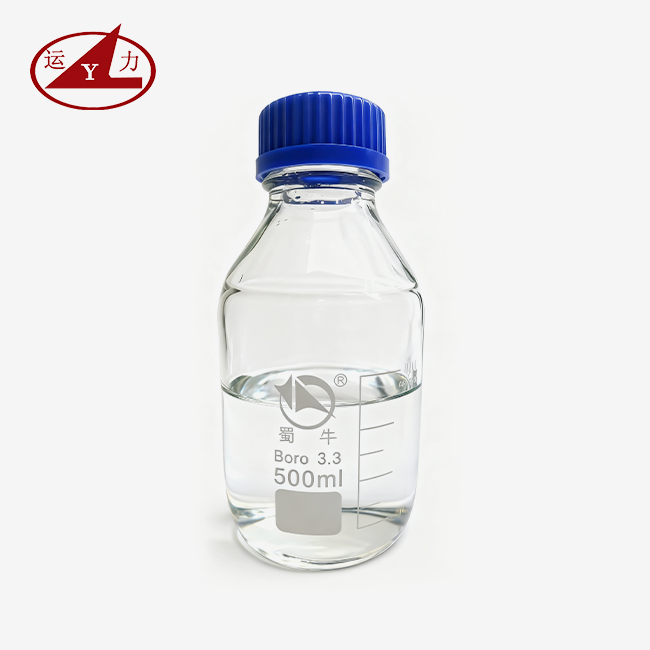
When dissolved in water, Zinc Nitrate becomes acidic. A process known as hydrolysis makes this happen. The zinc ions (Zn²⁺) mix with the water molecules, which adds hydrogen ions (H⁺) to the mixture. The pH level is now between 3.5 and 4.5. The nitrate ions are strong nitric acids, while zinc hydroxide is a weak base. This makes the mixture acidic. If hiring workers are looking at Zinc Nitrate hexahydrate (CAS# 10196-18-6) for industrial uses, they need to know this basic fact. This is because pH control affects both how well the product works and how quickly the process works.
Understanding Zinc Nitrate: Chemical Nature and Properties
Molecular Structure and Basic Characteristics
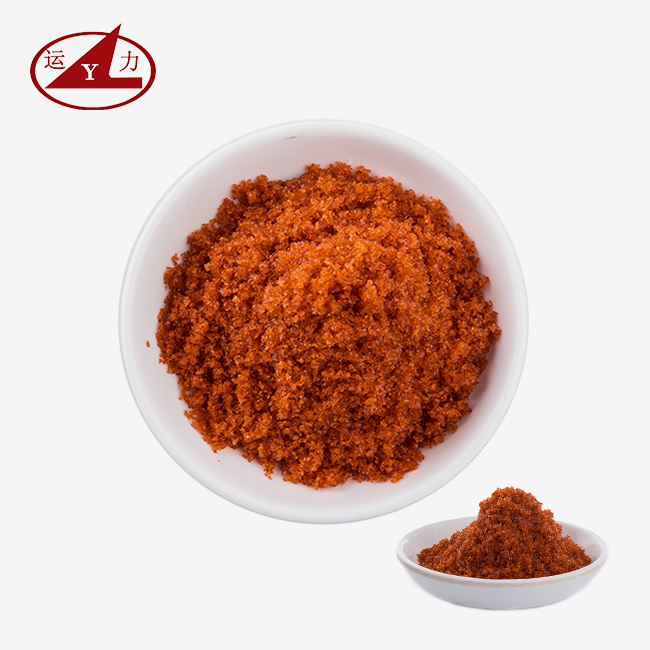
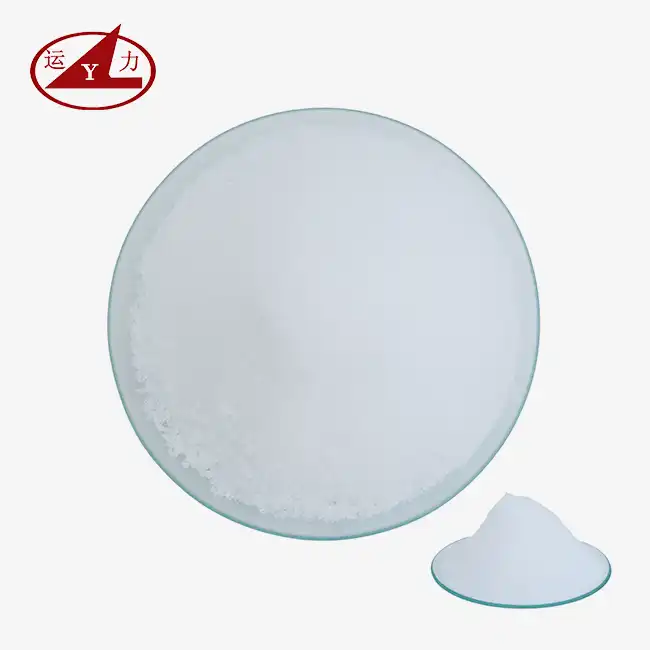
The formula for Zinc Nitrate hexahydrate is Zn(NO₃)₂·6H₂O, and its molecular weight is 297.47. This group of tetragonal crystals has no colour and melts quickly in both water and alcohol. Because of this, it is very useful in many fields. The stuff melts at 36.4°C and has a specific mass of 2.065. It turns into its dry state at about 37°C. It is hygroscopic, which means it can easily take in water from the air. This means it needs to be carefully stored while it is being shipped and while it is being kept.
Why Aqueous Solutions Display Acidity?
Water is used in processes that turn Zinc Nitrate liquids into acids. When zinc ions touch water, they pull water molecules to them and begin a chemical process that creates hydronium ions. The nitrate part, which comes from strong nitric acid, doesn't break down and stays safe. With a simple pH test, you can see that this imbalance makes the environment acidic. The pH level of industrial-grade formulas from well-known companies like Yunli Chemical is usually between 3.5 and 4.5, but this can be changed based on the process in question.
They can guess how materials will react when they are mixed, when catalysts are being made, and when they are being treated on the surface by knowing these pH features. Because it is acidic, it changes how fast reactions happen in catalytic processes and how metal ions interact with each other during electroplating. Because of this, it is a key part of coming up with new goods and making sure they are good.
Stability and Solubility Considerations
This substance breaks down completely in water, which makes it a great choice for sprays and liquids that need to be uniform. Zinc carbonate and oxide are difficult to dissolve, but Zinc Nitrate hexahydrate has no filtration issues and ensures that zinc is distributed evenly throughout the processing systems. Taking a look at data on solubility across temperature ranges from 20°C to 60°C can help engineers figure out the best formulation factors for daily changes and different climate zones. The best places to use this are on farms and when coating outside.
Functional Applications and Comparative Analysis
The compound's acidic properties directly enhance its functionality across diverse industrial segments. In electroplating and metal surface treatment, the acidic environment facilitates better metal ion mobility and adhesion. During phosphating operations for automotive steel components, Zinc Nitrate helps make coatings that don't rust and keep the pH low enough so that the best conversion layer can form. Because nitrate ions are oxidising, they speed up surface activation even more. This makes the coating more even and makes it last longer.
Agriculture and Fertilizer Formulations
The two nutrients work well together in many ways that are useful in farming. Along with nitrate nitrogen, plants get zinc that dissolves right away. This adds micronutrients where they are needed without adding sodium or chloride ions, which over time can make the soil saltier. When this material is sprayed on citrus areas and rice paddies, which are known to show signs of zinc deficiency, it works quickly. With acidic zinc sources, nutrients can get into the plant better through the stomata on the leaves than with neutral or alkaline zinc sources.
Industrial Catalysis and Chemical Synthesis
Making catalysts is another important high-value process that needs to be kept clean and under control pH. Grades that are very pure and have less than 30 parts per million (ppm) of iron are needed to make methanol and hydrogenation catalysts that are used in petrochemical refineries. It is possible to make high-purity formulations at Yunli Chemical, and they are ≥99% pure. These mixtures get rid of small amounts of metal waste, which keeps catalysts from getting poisoned and makes them last longer. Because liquid precursors are flexible, they skip the steps that use a lot of energy to dissolve solid zinc sources, which speeds up production.
Comparative Analysis: Zinc Nitrate vs. Alternative Zinc Compounds
Zinc Sulfate: These are cheap, but they contain sulphur, which could be a problem for uses that don't like sulphate pollution. The sulphate form also breaks down more slowly and might leave behind bits that can't be broken down, which can be a problem in systems that use hydroponics or precision finishing.
Zinc Chloride: It's a strong acid called zinc chloride that gives off chloride ions that make stainless steel tools rust faster and dirty places in farms dirtier. It absorbs more water than Zinc Nitrate, which makes it harder to work with.
Zinc Oxide: ZnO is neutral to slightly alkaline and is useful for making cosmetics and rubber compounds. But it doesn't break down in water, which means it's not as useful in liquid mixtures and fertigation systems.
Procurement managers should choose this compound over the other choices when operating needs allow and it meets the standards for full solubility, oxidising capacity, and formulations without chloride. The acidic pH profile is helpful when processes need to keep the acidity under control for the best results.
Handling, Safety, and Storage Guidelines for Zinc Nitrate
Safety Profile and Hazard Classification
Zinc Nitrate hexahydrate is an oxidiser in Class 5.1 (UN 1514), which means that it burns faster when it comes in contact with organic materials or reducing agents. Even though the substance doesn't burn, it gives off air that helps the fire spread faster when it breaks down. In storage facilities, things that are explosive, packing materials that can catch fire, and chemicals that don't mix must be kept away from each other. People who move this stuff should be taught the right way to use oxidisers and have access to the right safety gear, like gloves that can handle chemicals, safety glasses, and dust masks.
The acidic nature of solutions introduces additional considerations. Direct skin contact may cause irritation, while concentrated solutions demand acid-resistant containers and spill containment systems. Nitrogen oxides can be released when things that were stored incorrectly break down thermally. Ventilation systems in storage areas should be able to handle this.
Optimal Storage Environments and Packaging Solutions
The thing needs to be kept in a climate-controlled space because it draws water and has a low freezing point (36.4°C). Facilities should keep the air below 30°C and the relative humidity below 60% to avoid deliquescence, which happens when absorbed moisture breaks down the crystal structure and causes liquid to pool for no reason. At every step of the supply chain, the quality of the product is directly linked to how well the packaging is made.
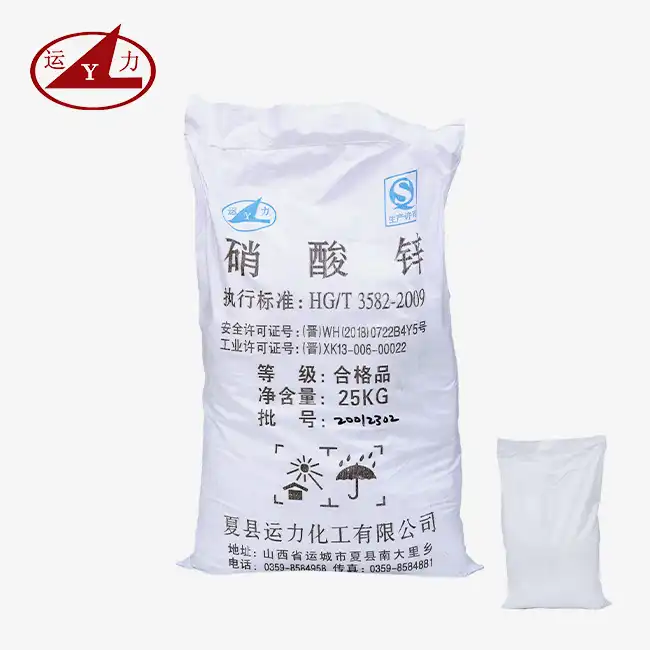
Yunli Chemical has different ways of packing their products that can be changed to meet the needs of different buyers and uses. Standard 25kg moisture-barrier bags with heat-sealed polyethylene liners work well for users who don't need to store a lot of things. For bulk users, it's better to use intermediate bulk containers (IBC totes) or ship liquid formulas on their own tankers. Labels and paperwork packages that are made just for you make sure that rules are followed across international borders. They do this by following the strict rules set by REACH, RoHS, and the EPA.
Regulatory Compliance and Shipping Protocols
It is very important to follow the IMDG (sea), IATA (air), and DOT (road) rules about oxidising chemicals when you travel abroad. It is easier to keep things safe and going quickly through customs if you use the right signs, paperwork, and package specs. To keep things running easily, procurement teams should make sure that sellers give full statements about dangerous products. These statements should include MSDS paperwork in the local languages.
A Certificate of Analysis (COA) should be included with every package. It should list the levels of purity, the amount of heavy metals (lead ≤50ppm, iron ≤30ppm), and the pH needs. With these certifications, receiving teams can quickly check the products and keep track of them throughout the whole manufacturing process. This is very important for businesses that have to follow rules set by the FDA, EMA, or other groups.
Procurement Insights: How to Select and Buy Zinc Nitrate?
Supplier Evaluation and Quality Verification
Identifying reliable suppliers begins with checking out their business history and labour skills. Companies that have ISO 9001 quality management certification show that they have a way to keep quality high. Companies that have ISO 14001 environmental certification show that they are dedicated to making their products in a way that doesn't harm the environment. Since it began in 2005, Yunli Chemical has made over RMB 1 billion in sales and has fixed assets worth RMB 300 million. It is a good example of a business that has the steadiness and production capacity that big factories need to get Zinc Nitrate on a regular basis.
In 2019, Shanxi Province named Yunli Chemical a technology center at the provincial level. This shows that the company has the advanced research and development (R&D) skills to make both regular grades and high-purity 4N materials that the medicine and electronics industries need. Labs use ICP-MS and atomic absorption spectrometry to precisely profile impurities. This makes sure that products meet strict rules for trace metal contamination.
Technical support capabilities distinguish exceptional suppliers from commodity vendors. People on the team who know about nitrate chemistry and coal-chemical engineering can help make better goods, fix process problems, and find ways to cut costs by changing the specs. It's very helpful to have this information on hand when trying to boost output or adjust methods to meet new needs.
Pricing Structures and Bulk Purchase Advantages
Price models that are clear take into account how pure the material is, how it will be packed, and how much of it is being ordered. Industrial-grade formulations (98% purity) are used for simple metal treatment and mixing fertiliser at a low cost. On the other hand, pharmaceutical and battery-grade products (99% purity, 0.5% controlled moisture content) cost more but work better and follow the rules. Volume agreements help you get better prices and get things more quickly when there aren't enough supplies. The world supply system changes all the time, so this is very important.
When you buy from Yunli Chemical at the plant, you don't have to pay the markups that are common in supply chains with more than one level. Being able to run your own export business cuts down on wait times and makes it easy to get in touch with people in other countries. Flexible minimum order quantities (MOQs) and free samples of up to 500 grams let you test goods thoroughly before buying in bulk. This lowers the risk of buying from new sellers or products that have been changed.
Essential Documentation Checklist
Getting all the paperwork you need makes it easier to follow the rules and shows that the seller is skilled:
- Material Safety Data Sheets (MSDS): Latest versions addressing destination-country language and format requirements
- Certificate of Analysis (COA): Batch-specific test results confirming purity, impurity profiles, and physical properties
- ISO Certifications: Quality, environmental, and safety management system certificates
- Regulatory Compliance Letters: REACH pre-registration numbers for EU customers, FDA Master File references for pharmaceutical applications
- Customs Documentation: Harmonized tariff classifications, country-of-origin certificates, and non-hazardous material declarations where applicable
Procurement managers should establish supplier evaluation scorecards incorporating delivery reliability metrics, quality consistency tracking, and responsiveness ratings. Long-term partnership agreements with annual volume commitments provide supply security while enabling collaborative improvement initiatives that drive mutual value creation.
Conclusion
Zinc Nitrate hexahydrate solutions are acidic because the zinc ions in them break down. This makes a big difference in how well they work in fields like gardening, electroplating, special chemical synthesis, and catalysis. With a pH level of around 3.5 to 4.5, it can do some things that zinc sources that are neutral or alkaline can't. But it has its own safety rules and problems with materials that don't work well together. To be good at procurement, you need to pick providers based on things like certified purity levels, full regulatory paperwork, and expert help that goes beyond just doing business with them. When buying managers and technical experts know what the compound is made of chemically, how it varies from other zinc sources, and how to handle it properly, they can make smart decisions about where to get zinc that improve business performance and the reliability of the supply chain.

FAQ
Q1: Does temperature affect the acidity of zinc nitrate solutions?
A: The balance of hydrolysis is changed by temperature. Higher temperatures usually make it easier for ions to move around, which makes the acidity a little higher. pH shift should be taken into account during heating cycles in industrial processes that use high temperatures. Real-time tracking should be used to make sure that precise pH control doesn't hurt the quality of the product.
Q2: Can zinc nitrate be used in stainless steel equipment?
A: Even though the acidic nature needs to be taken into account, stainless steel types 304 and 316 are strong enough to keep them from rusting in solutions with standard concentrations and at room temperature. To keep the material from breaking down over time in places with high temperatures or concentrations, you might need HDPE or special alloy equipment.
Q3: How does zinc nitrate compare to zinc sulfate for hydroponic systems?
A: Zinc Nitrate breaks better and doesn't leave behind any solids, so it doesn't clog water systems like lower-grade sulphate products do. There is no need to worry about sulphur building up in recycling devices because there are no sulphate ions. NPK solutions that want to keep pH levels normal, on the other hand, need to be changed because they are acidic.
Partner with Yunli Chemical for Certified Zinc Nitrate Supply
Zinc Nitrate hexahydrate of high quality is available for business use from Yunli Chemical. They have the skills of a state technology center and have been making this product well for 20 years. There is less than 30ppm of iron and less than 50ppm of lead in our products, which is made in factories that are ISO-certified. This meets the exact requirements for creating catalysts, pharmaceutical intermediates, and high-tech coatings. We make water-based goods to order in a variety of concentrations, offer flexible packaging from 25kg bags to bulk trucks, and help with global compliance by giving you full MSDS and COA paperwork. You can get free samples, talk to our technical team about your specific purity needs, or get bulk pricing for long-term supply agreements by emailing wangjuan202301@outlook.com. We offer factory-direct prices and handle our own exports, so there are no middle-man fees. We are a well-known Zinc Nitrate seller. We also give your processes the dependability and skilled help they need.
References
1. Cotton, F.A. and Wilkinson, G. (1988). Advanced Inorganic Chemistry, 5th Edition. New York: John Wiley & Sons.
2. Pourbaix, M. (1974). Atlas of Electrochemical Equilibria in Aqueous Solutions, 2nd Edition. Houston: National Association of Corrosion Engineers.
3. Kirk-Othmer. (2007). Encyclopedia of Chemical Technology, Volume 26: Zinc Compounds. Hoboken: John Wiley & Sons.
4. Alloway, B.J. (2008). Zinc in Soils and Crop Nutrition, 2nd Edition. Brussels: International Zinc Association.
5. United Nations. (2021). Recommendations on the Transport of Dangerous Goods: Model Regulations, 21st Revised Edition. New York: United Nations Publications.
6. Greenwood, N.N. and Earnshaw, A. (1997). Chemistry of the Elements, 2nd Edition. Oxford: Butterworth-Heinemann.