



What Are Nickel Carbonate Storage Requirements?
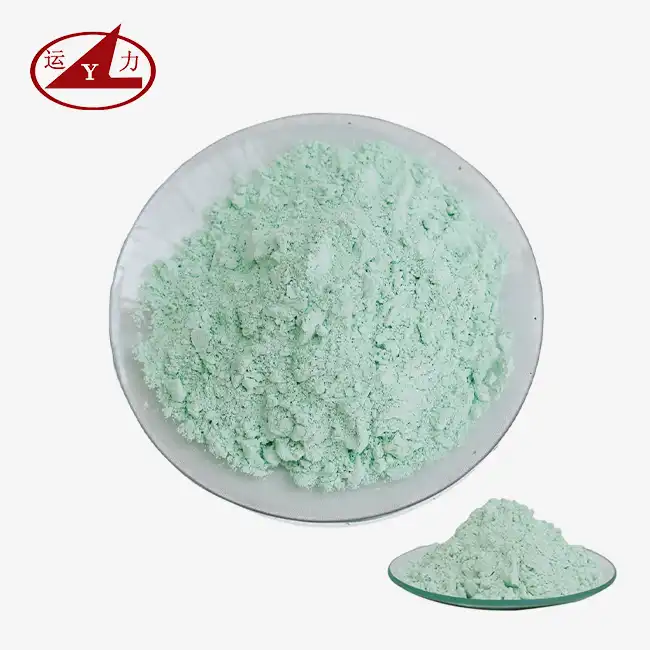
Nickel Carbonate Basic requires cool, dry storage conditions with relative humidity below 60%, sealed packaging to prevent moisture absorption, and proper ventilation to avoid contamination. This grass-green powdery compound (CAS# 39430-27-8, molecular formula NiCO3·2Ni(OH)2·4H2O) should be kept in non-reactive containers away from acids, high temperatures above 300°C where decomposition occurs, and incompatible materials that compromise its chemical integrity during warehousing.
Introduction
Nickel Carbonate Basic is an important step between different industries, from making precision electroplating lines to improved catalysts. One problem that both procurement managers and technical engineers have to deal with is making sure that the material stays pure and reactive throughout the supply chain. Knowing the right way to store something has a direct effect on how well it works, how safe it is to use, and how much it costs. This guide gives useful information for B2B buyers who care about quality security and following the rules.
The storage guidelines in this article will protect your investment and make logistics easier, whether you're in charge of tonnage inventory for battery-grade uses or regular shipments for pharmaceutical intermediates. We deal with the specific issues that industrial end-users and dealers face every day. This helps you lower the risk of contamination and make sure that materials work the same way from the warehouse to the production floor.
Understanding Nickel Carbonate Basic: Properties and Storage Challenges
Chemical Composition and Physical Characteristics
With a molecular weight of 376.17, Nickel Carbonate Basic is a grass-green crystalline powder. Its structure is more complicated than simple nickel salts because it has carbonate, hydroxide, and water molecules in exact amounts. This chemical is easily broken down by ammonia and weak acids, but it stays steady in neutral water. Because of its solubility profile, the material reacts normally with acidic contaminants but doesn't break down when the pH is controlled.
Moisture Sensitivity and Environmental Reactivity
Because Nickel Carbonate Basic absorbs water, it can be hard to store in ways that are known to supply chain managers. Atmospheric moisture gets into containers that aren't sealed, causing the material to clump and change how it flows. Changes in temperature make water absorption faster, especially in coastal or humid climates that are common in industrial parts of the U.S. When temperatures rise above 300°C, the material breaks down into nickel oxide and carbon dioxide. This change makes it unusable for uses that need the carbonate form. Because of these concerns, warehouses need active temperature control instead of passive storage options.
Differentiation from Other Nickel Compounds
Handling Nickel Carbonate Basic is much easier than handling nickel sulphate or nickel chloride. It doesn't add any corrosive anions to electroplating baths, so sulphate doesn't build up and mess up the chemistry of the bath. The carbonate structure gives it balancing power that simple nickel salts don't have, which makes it useful for processes that need to be sensitive to pH. But these benefits come with tighter humidity needs than nickel oxide, which can work in a wider range of conditions. When choosing between nickel compounds, procurement teams have to weigh these storage trade-offs against the performance needs of each application.
Key Storage Requirements for Nickel Carbonate Basic
Environmental Control Parameters
Keeping the relative humidity below 60% is the most important thing to do to stop damage caused by wetness. Temperature ranges of 15°C to 25°C are best for stability without needing expensive cooling systems. Enough air flow keeps humidity from building up in certain areas and spreads out any trace gases that are released when chemicals interact. These conditions are in line with what is expected of a normal chemical warehouse. However, for high-purity grades used in catalyst or electronic uses, they still need to be checked by constant tracking.
Packaging Materials and Container Selection
Standard grades are protected by multi-layer plastic bags with heat-sealed seals. Premium goods that lose their performance even a little when they get wet should be stored in containers that don't absorb moisture and have desiccant inserts. We use flexible packaging, ranging from 25 kg fibre drums for research and development (R&D) amounts to 500 kg bulk bags for large-scale production orders. This lets clients match the size of the container to their change rates. Clear danger labels that meet OSHA GHS guidelines should be printed on the surface of the packaging. These labels should include CAS numbers and emergency contact details.
Customised labels are often asked for by customers to make internal handling easier. Our production is flexible enough to include custom package layouts that work with automated material handling systems. This cuts down on the number of places where products are touched by hand, which increases the risk of contamination. Sealed packaging keeps the quality of the product even during international shipping, where the temperature and humidity in the luggage holds can change.
Documentation and Regulatory Compliance
With impurity profiles showing Fe ≤30ppm, Na ≤50ppm, and S ≤10ppm, every shipment comes with a Certificate of Analysis (COA) that says the nickel content is at least 98%. Material Safety Data Sheets (MSDS) that are in line with REACH and U.S. laws show how to safely handle chemicals. Our ISO 9001 certification shows that our quality control systems keep track of materials from the time they are synthesised until they are packed. These papers meet the standards for due research and tracking in buying, especially when adding new suppliers to lists of approved vendors. Before making bulk purchases, technical engineers use this information to make sure that the product will work with processes that come after it.
Comparative Analysis: Nickel Carbonate Basic Storage Versus Other Nickel Compounds
Hygroscopic Behavior Across Nickel Salts
Nickel sulphate hexahydrate has strong deliquescence, which means it melts in damp conditions and needs to be stored in a way that keeps out air. Nickel chloride also attracts water, but over time it breaks down metal containers. Nickel Carbonate Basic has middling hygroscopic properties, which can be a problem if they are ignored but are easy to handle with normal humidity controls. Because it acts in a middle ground, it is more forgiving than halide salts but needs more care than anhydrous nickel oxide. When procurement professionals try to find the best balance between cost and dealing difficulty, Nickel Carbonate Basic is often the best choice.
Purity Grade Impact on Shelf Life
Standard industrial grades with a 98% Ni content stay the same for 24 months if they are stored properly. High-purity types (>99.5% Ni, <10ppm Fe) need stricter controls, and manufacturers suggest turning them over every 12 months. The very low impurity levels that are useful for catalyst applications can get tainted by small particles in the air or packaging materials. Distributors who keep a lot of different kinds of goods in stock need to keep purity grades separate to stop cross-contamination and use a first-in, first-out rotation system that works with the different shelf lives.
Thermal Stability Comparisons
Nickel oxide is steady over a wider range of temperatures, so it can be stored in warehouses without air conditioning. Nickel sulphate slowly breaks down above 840°C, which is way too hot for storage at room temperature. Nickel Carbonate Basic is in the middle because it is steady at room temperature but breaks down above 300°C. This trait puts people at risk during warehouse fires or when they are close to equipment that makes heat. The plan of storage areas should keep nickel carbonate supplies away from loading dock areas that get too hot in the summer from diesel smoke or other sources.
Procurement and Logistics Considerations Related to Storage
Bulk Purchasing and Warehouse Infrastructure
To meet the large orders that come up in electroplating and catalyst production, storage areas must be set aside and the environment must be watched. Before agreeing to multi-ton packages, buyers need to make sure that the facilities they already have meet the humidity and ventilation requirements. When planning purchases, our team works with logistics partners to make sure the warehouse is a good fit. This way, expensive facility upgrades aren't needed after the goods have been delivered. The estimate includes more than just the price per kilogram. It also takes into account the costs of the storage infrastructure, the costs of keeping inventory, and the possibility of losing product because of bad conditions.
Supplier Packaging Standards and Transit Protection
When you buy directly from the plant, you skip the middleman, who can bring contamination risks. Our self-run export operations keep an eye on the cold chain during ocean freight by working with haulers to keep packages out of direct sunlight while they're being stored on the deck. Before a package is shipped, it is checked to make sure it is complete, and video proof is used to prove the quality of the seal.
Customers get tracking updates that let them know if there are any delays in transit that could leave materials open to long-term changes in temperature. This attention to logistics details protects the state of the materials that were reached through controlled manufacturing, making sure that the quality on arrival matches the quality on exit.
Sample Testing and Quality Verification Protocols
We give away up to Nickel Carbonate Basic free samples—up to 500 grams—so that quality experts can test for impurities, dissolve the samples, and use them before placing orders for large amounts. This risk-free review clears up specification questions that come up a lot when people move sellers or check out other options. Sample data sets the standard for what to expect from Nickel Carbonate Basic, and then large orders are checked against these standards. During the testing phase, any damage caused by storage or transit is found, allowing for changes to be made to the packaging before it is scaled up to tonnage volumes. When sample verification gets rid of quality concerns right away, procurement cycles speed up.
Best Practices and Case Studies: Ensuring Nickel Carbonate Basic Quality During Storage
Environmental Monitoring Systems
Leading manufacturers keep track of temperature and humidity all the time in storage areas. Automated alerts let building managers know when conditions fall outside of acceptable ranges, so they can fix the problem right away. One mid-Atlantic electroplating seller cut down on product loss by 40% after putting in dehumidification systems that were set off by sensor data. The investment was returned in eight months because customer complaints and the need to reprocess materials were no longer needed. These case studies show how careful tracking can turn the costs of storage into investments in quality assurance.
Packaging Innovations from Industry Leaders
A company on the West Coast that makes catalysts switched to nitrogen-flushed packaging for high-purity grades. This gets rid of the oxygen that speeds up trace oxidation reactions. This method, along with moisture protection films, increased the shelf life from 12 to 18 months without cooling. As an alternative, clear inner liners can be used to allow eye review without opening the main packaging. This lowers the risk of exposure accidents during inventory checks. We've built these lessons into our standard products so that customers can use the latest packaging technologies that we've developed over many years of experience.
Practical Storage Checklist
Systematic verification protocols that cover key control points are helpful for managers of storage facilities.
• Check that storage areas keep the relative humidity below 60% by taking readings from a hygrometer every three months.
• During receipt reviews, check the integrity of the packaging and throw away any packages that have tears or moisture inside them.
• Use lot codes to rotate inventory so that older items ship before newer ones. This will keep things from sitting around for too long.
• Separate the different levels of purity with clear signs to avoid mistakes when the orders are being filled.
• Teach people who work in the warehouse what to do in case of an emergency, like a spill or damage to a container.
• Keep track of all environmental deviations and use root cause analysis when they happen.
This list takes general rules and turns them into daily actions that keep the quality of the material safe throughout its storage span.
Conclusion
How Nickel Carbonate Basic is stored directly affects how well it works in demanding uses, ranging from advanced catalysis to precise electroplating. Keeping the temperature and humidity below 60%, as well as using the right packing, will protect the material's chemical integrity and ability to move freely. When these requirements are followed, procurement professionals protect their quality investments and make sure the supply chain is reliable.
This comparison shows that Nickel Carbonate Basic needs more care than nickel oxide but is easier to work with than hygroscopic sulphate salts. Controlling the climate, using the right packing, and keeping an eye on things all at the same time are important parts of effective storage programs. These make warehouses into quality assurance parts of the manufacturing process instead of just places to hold things.
FAQ
Can nickel carbonate basic be stored at standard room temperature?
Nickel Carbonate Basic can be stored at room temperature (15–25°C) as long as there are humidity controls and enough air flow. Stay away from places that get hot easily or where the temperature changes more than 10°C every day. Climate-controlled warehouses are best, but standard industrial grades can be stored in ambient conditions as long as they are well-managed.
What risks arise from improper storage conditions?
Exposure to moisture makes particles clump together, changes the way they are distributed in size, and leads to the formation of hydroxides above the specified ratios. Having nearby stored materials that don't work well with each other can cause contamination that can affect applications further down the line. Changes in temperature can cause partial breakdown, which lowers the amount of nickel carbonate and raises the amount of nickel oxide. These breakdowns hurt the performance of the electroplating bath and the activity of the catalyst, so the material has to be replaced in the end.
What is the typical shelf life under proper storage?
Industrial-grade Nickel Carbonate Basic stays in good shape for 24 months if it is kept in its original, sealed package. To keep trace impurity increases to a minimum, high-purity grades used as catalysts should be changed every 12 months. When containers are not opened, they stay fresh longer than when they are partially used and exposed to air.
Partner with Yunli Chemical for Reliable Nickel Carbonate Basic Supply
Yunli Chemical has been making Nickel Carbonate Basic for more than 20 years and works with electroplating plants, catalyst makers, and chemical dealers all over North America. Our ISO 9001, ISO 14001, and OHSAS certifications show that we care about quality, the environment, and workplace safety, which is something that procurement managers value. We are a Shanxi Provincial Enterprise Technology Center, and our products always have Fe levels below 30ppm, Na levels below 50ppm, and S levels below 10ppm.
These are very important amounts for sensitive uses. By buying directly from the factory, you skip the markups that come from middlemen, and our self-run export business makes sure that the packaging stays intact from the production floor to your dock. We can change the concentrations, package styles, and labels to exactly fit your needs, and there are no minimum order amounts for trial sales. Your technical team can check compatibility with free samples up to 500 grams before committing to large-scale production. We are a reliable Nickel Carbonate Basic supplier for long-term partnerships because we have a stable supply capacity, make RMB 1 billion a year, and have fixed assets worth RMB 300 million.
Visit yunlichemical.com or email our sourcing experts at wangjuan202301@outlook.com to talk about how our storage-optimized packing and consistent quality can help you reach your business goals. Make sure that the maker in your supply chain knows that the best products start with being handled properly from the time they are made until they are delivered.

References
1. American Chemical Society. (2021). Storage and Handling of Nickel Compounds in Industrial Settings. ACS Chemical Health & Safety, Volume 28, Issue 4.
2. National Institute for Occupational Safety and Health. (2020). NIOSH Pocket Guide to Chemical Hazards: Nickel Compounds. U.S. Department of Health and Human Services, Publication No. 2020-124.
3. Society of Chemical Manufacturers & Affiliates. (2019). Best Practices for Warehousing Inorganic Specialty Chemicals. SOCMA Technical Manual Series.
4. International Organization for Standardization. (2022). ISO 11014: Safety Data Sheet for Chemical Products — Content and Order of Sections. ISO Standards Catalogue.
5. Occupational Safety and Health Administration. (2021). Hazard Communication Standard: Safety Data Sheets Guidelines for Nickel Salts. OSHA Publication 3514.
6. Chemical Processing Magazine. (2023). Environmental Controls for Hygroscopic Chemical Storage: Case Studies from Leading Manufacturers. BNP Media Group, Industrial Processing Division.