


Key Factors When Importing Calcium Nitrite 30% Solution
When importing calcium nitrite 30% solution (CAS# 13780-06-8), procurement managers face critical decisions that impact product quality, regulatory compliance, supply chain stability, and cost efficiency. This corrosion inhibitor, with the molecular formula Ca(NO₂)₂ and a molecular weight of 132, serves as an essential concrete additive for reinforcement protection, antifreeze applications, and accelerated strength development. Understanding supplier credibility, technical specifications, logistics, and compliance requirements helps industrial buyers secure reliable sources that meet demanding project standards while minimizing risk across international supply chains.

Understanding Calcium Nitrite 30% Solution and Its Applications
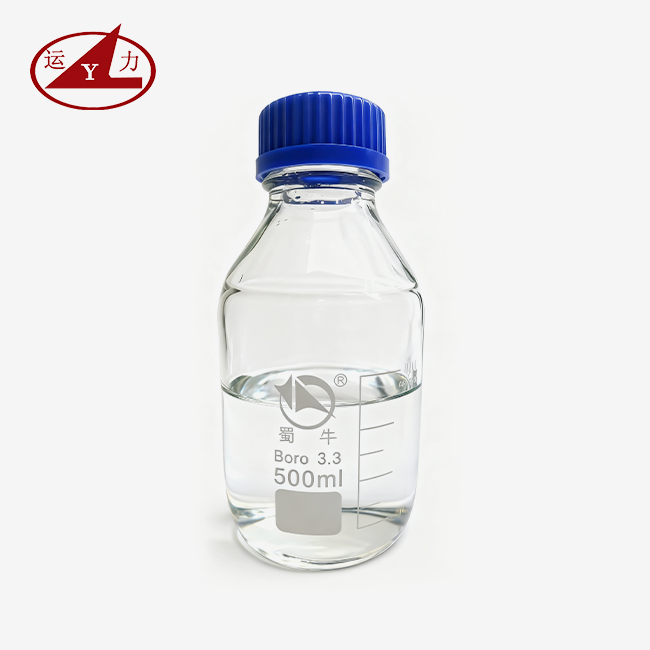
The chemicals that make up this liquid admixture have a direct effect on how well it works in factories and construction sites. It is a clear to slightly yellow water solution that consistently delivers high levels of nitrite ions that actively protect steel reinforcements that are buried in concrete structures.
Core Chemical Properties That Matter
Buyers should make sure that the product's specific gravity stays between 1.28 and 1.32 g/cm³. This will ensure correct volumetric doses when making concrete. A pH level between 9.0 and 11.0 is good for alkaline concrete environments because it doesn't cause any bad chemical reactions. The amount of chloride must stay below 0.1% so that it doesn't work against the process that stops rusting.
Heavy metal pollution shouldn't be more than 10 parts per million (ppm), and water-insoluble matter shouldn't be more than 0.1%. If they are, they could clog dosing equipment or make the concrete material less consistent. These factors make sure that the mixtures will work with Portland cement and keep the protective passivation layer on steel surfaces.
How Corrosion Inhibition Works
The nitrite ions move from the pores in the concrete to the contact with the steel support. In that place, they change ferrous ions into a stable ferric oxide passive film. This process raises the chloride level needed to start corrosion by a large amount. This makes things last longer in marine settings, along the coast, and in places where de-icing salts are present. When procurement teams understand this process, they can better talk to technical experts who tell them what admixture standards they need based on environmental exposure ratings.
Primary Industrial Applications
In many different fields, this mixture is very important for many reasons. It protects against rusting over a long period of time in reinforced concrete systems used in bridges, parking garages, and tunnels where chloride is bound to be present. It works as a non-chloride antifreeze during cold weather concreting, lowering the freezing point of mix water so that construction can happen in -10°C temperatures without damage from frost.
The solution also speeds up the hydration of the cement, which results in higher early compressive strengths that make it possible to remove the forms earlier and build things faster. In addition to building, heavy oil washing, emulsifying lubricants, and specific chemical processing tasks that require accurate nitrite content are all done in industrial centers that use it.

Comparing Calcium Nitrite 30% Solution with Alternative Products
To choose the best rust inhibitor, you need to know how different chemical mixtures work in different situations. Sodium nitrite protects against rusting in a way similar to nitrite, but it adds sodium ions that may make alkali-silica reactions more likely in concrete with reactive rocks. Calcium nitrate is mostly used to speed up the setting process and stop frostbite, but it doesn't stop corrosion as well as the nitrite form. The Calcium Nitrite 30% Solution version has more active ingredient content per volume than 20% solutions. This makes it easier to figure out dosages for large-scale projects and saves money on shipping and storage space.
Performance testing based on ASTM C1582 standards shows that calcium-based nitrite solutions stop corrosion well without adding the alkali load that comes with sodium compounds. Because of this, it is better for jobs where controlling the total alkali level is important for making sure the concrete lasts. A cost-effectiveness study should look at more than just unit prices. It should also look at dosage rates, shipping costs, and the long-term value of longer structure service life. Global availability varies by region, so the ability of the supplier to be reliable and handle logistics must be important factors in the decision-making process.
Procurement Considerations When Importing Calcium Nitrite 30% Solution
To successfully source goods from other countries, you need to carefully consider a number of factors that affect the stability of the supply chain and the regularity of the products you buy.
Evaluating Supplier Credentials and Reputation
Manufacturing experience is directly linked to the ability to control quality and the stability of production. Suppliers who have ISO 9001 certification for quality management, ISO 14001 certification for environmental management systems, and OHSAS standards for health and safety at work show that they are committed to strict operating standards. If a technology center is recognised by the provincial or national government, it means that it does advanced research and development that helps people come up with new products and solve technical problems.
Companies that have been in the business for more than twenty years usually have well-established quality control procedures and have been through a number of regulatory environments successfully. Portfolios of customers from a variety of industries and regions show that the company has a history of meeting a wide range of technical needs.
Quality Assurance Through Documentation
Buyers can avoid getting low-quality materials by asking for detailed technical paperwork before placing large orders. Material Safety Data Sheets (MSDS) must follow international rules and include information on hazards, how to handle the material safely, and what to do in an emergency. Certificates of Analysis (CoA) should show that each production batch meets certain standards for physical properties, impurity levels, and concentration accuracy.
Supplier claims are more likely to be true if they come from independent third-party testing reports that use techniques like titration for nitrite assay, ion chromatography for chloride analysis, and ICP-MS for heavy metals verification. Before signing a supply deal, buyers should ask for samples to be tested in their own labs to make sure the product will work with their current concrete mix designs and dose equipment.
Understanding Pricing Models and Logistics
Clear pricing structures help procurement teams make good budgets and compare offers well. Cost is affected by changes in the markets for raw materials, economies of scale in production, packaging requirements, and shipping routes. Different suppliers have different minimum order quantities. Well-known brands often allow for flexibility for first test orders and then tonnage contracts for ongoing projects. Calcium Nitrite 30% Solution is a specific product that procurement teams must price carefully, as its concentration and chemical stability directly influence handling costs and storage conditions. The terms of payment should balance the buyer's need for cash flow with the supplier's need to manage risk.
For international transactions, security options like letters of credit can be used. Some things to think about when shipping are the best container size, how reliable the transit time is, and how to handle dangerous materials properly throughout the supply chain. When suppliers offer direct export, markups from middlemen are cut out, and suppliers are held more accountable for both product quality and delivery performance.
Regulatory Compliance and Environmental Impact for Importers
To follow foreign rules about chemicals, you need to know a lot about the safety rules and documentation standards. Importers must make sure that Calcium Nitrite 30% Solution follows the rules in the target country about how to classify, label, and move dangerous materials. The International Maritime Dangerous Goods (IMDG) Code and the US Department of Transportation (DOT) set rules for moving oxidising liquids, which includes nitrite solutions. Labelling things correctly with UN numbers, danger class names, and directions on how to handle them stops customs delays and legal problems.
Environmental stewardship is more than just following the rules. It also includes using sustainable methods throughout the whole lifecycle of a product. Suppliers who have created facilities for managing exhaust gases and treating wastewater show that they care about the environment, which is in line with the sustainability goals of the company.
Using the right containment means, storage facilities must keep dirt and groundwater from getting contaminated. Local hazardous trash rules should be followed when getting rid of leftover materials or containers that are contaminated, and records should be kept for auditing reasons. Picking sellers who take responsibility for environmental effects lowers the risk to your image and helps you build long-lasting business relationships based on shared values.

Maximizing Value: Tips for Effective Use and Cost Efficiency
The first step in improving the performance of an admixture is to accurately calculate the dosage based on the expected chloride exposure levels and the length of time of protection that is wanted. Most of the time, 10 to 30 litres per cubic metre of concrete is enough, and this range typically applies to a standard Calcium Nitrite 30% Solution as the corrosion-inhibiting admixture. Higher doses are needed for harsh marine settings or buildings that need to last a long time. A chloride-to-nitrite ion ratio greater than 0.90 is often what structural engineers aim for to make sure there are enough safety margins during the service period.
Using the right mixing methods has a big effect on how well something works. Adding the solution during the mixing process, after adding some water, makes sure that it is spread out evenly in the mix. Compatibility with extra cementitious materials like fly ash and silica fume provides combined benefits, with chemical rust prevention being boosted by less permeability. When used with superplasticizers or retarding admixtures, introducing them separately stops reactions from happening too soon, which could hurt the workability or setting properties.
Real-world implementations show measurable value. Marine infrastructure projects in chloride-rich environments have been shown to have service life extensions of more than fifty years when quality concrete practices are combined with the right amount of admixtures. When nitrite-based protection is added to repairs of parking structures, upkeep costs are much lower than with barrier coating systems that need to be reapplied often. Construction sites that work in cold weather can keep up their efficiency during the winter, which keeps projects from being delayed and makes sure that the concrete meets its strength goals on time.
Conclusion
When you import Calcium Nitrite 30% Solution, you need to pay close attention to the qualifications of the supplier, the product specifications, the rules and regulations, and the best ways to use the solution. For procurement strategies to work, they need to make sure that quality is checked thoroughly with lots of paperwork, build relationships with experienced makers who have the right certifications, and make sure that operations can support reliable delivery times.
By understanding the chemical processes that protect against corrosion, you can have more informed conversations with technical partners and make more confident choices about specifications. Procurement professionals get admixture supplies that protect infrastructure investments and support sustainable building practices in a wide range of demanding industrial applications by balancing short-term costs with long-term benefits.
FAQ
What documentation do I need for importing this product into the United States?
Importers need a full MSDS that follows OSHA's Hazard Communication Standards, a Certificate of Analysis that verifies the product's specs, and the right DOT paperwork for shipping dangerous materials. For clearance handling, customs dealers usually need business bills, packing lists, and certificates of origin from the country of origin.
How should calcium nitrite 30% solution be stored after arrival?
To keep the oxidising liquid from reacting with the storage tanks, they should be made of plastic, stainless steel, or lined carbon steel. Keep the temperature above -15°C to avoid crystallisation. If freezing does happen, gentle flow will bring the temperature back to normal. Keep containers closed so that evaporation doesn't change the percentage.
Can I request customized concentrations or packaging formats?
A lot of well-known manufacturers offer formulation freedom to fit the needs of a particular job or the powers of the tools being used. Custom packaging choices, like intermediate bulk containers, drums, or tanker loads, can be made to fit different job site handling equipment and usage levels.
Partner with Yunli Chemical for Reliable Calcium Nitrite 30% Solution Supply
Yunli Chemical brings more than twenty years of experience in manufacturing directly to your procurement strategy. This cuts out the costs of middlemen and ensures consistent product quality. Every lot of Calcium Nitrite 30% Solution we make is guaranteed to meet strict standards thanks to our provincial technology center and full quality control laboratory, which is equipped with ICP-MS and atomic absorption spectrometers.
We have full ISO 9001, ISO 14001, and OHSAS certifications, which means we can give your projects the paperwork and compliance guarantee they need. We can support both trial evaluations and ongoing supply deals because our yearly production capacity supports large infrastructure projects and our partnership models are flexible, allowing free samples up to 500 grams and no minimum order amounts.
You can email our technical team at wangjuan202301@outlook.com to talk about your specific needs, ask for custom solutions, or set up product samples. As an experienced Calcium Nitrite 30% Solution maker that works with more than 1,000 companies around the world, we offer stability, expert support, and low prices that protect your concrete infrastructure investments and improve your supply chain.
References
1. American Concrete Institute Committee 222, "Protection of Metals in Concrete Against Corrosion," ACI 222R-19, 2019.
2. ASTM International, "Standard Test Method for Measurement of Rate of Absorption of Water by Hydraulic-Cement Concretes," ASTM C1582-18, 2018.
3. Berke, N.S., and Hicks, M.C., "Electrochemical Methods for Determining the Corrosivity of Steel in Concrete," Corrosion of Reinforcement in Concrete Construction, Royal Society of Chemistry, 1996.
4. Nmai, C.K., "Multi-functional Organic Corrosion Inhibitor," Cement and Concrete Composites, Vol. 26, No. 3, 2004, pp. 199-207.
5. Portland Cement Association, "Concrete Admixtures: Types and Uses," PCA Publication EB001, 2020.
6. United States Department of Transportation, "Hazardous Materials Regulations," Title 49 Code of Federal Regulations, Parts 100-185, 2023 Edition.