


Magnesium Nitrate Hexahydrate Applications Guide
The chemical substance Magnesium Nitrate Hexahydrate (CAS# 13446-18-9) is useful in many industries because it contains both magnesium and nitrogen in a solid form that is easy to dissolve. This guide is for procurement workers who are looking for stable suppliers, accurate quality standards, and scientific information for a wide range of uses in farmland, catalyst production, and specialised chemical processing. We've put together useful information to help you make better buying choices and keep operations running smoothly in tough industrial settings.
What is Magnesium Nitrate Hexahydrate? Chemical and Physical Properties
Molecular Composition and Structure
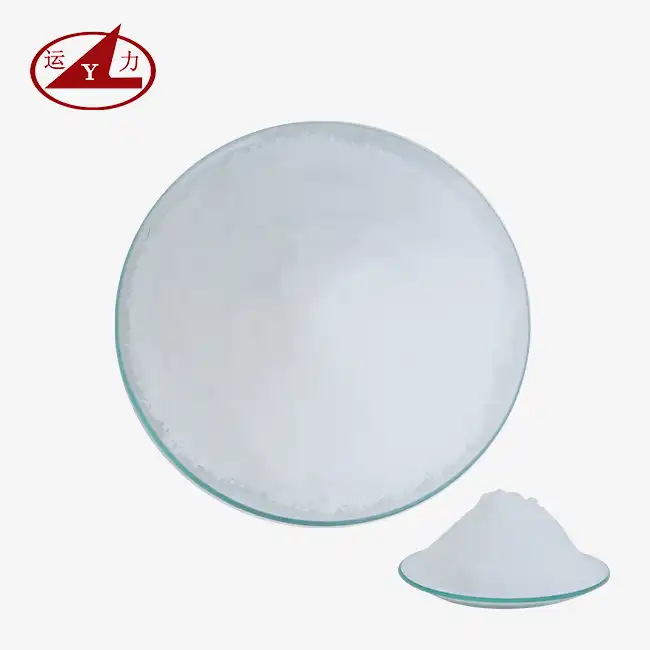
With a molecular weight of 256.41, Magnesium Nitrate Hexahydrate has the chemical formula Mg(NO₃)₂·6H₂O. The combination is colourless and crystallises into monoclinic shapes at room temperature. It has a specific density of 1.6363 and a melting point of 89°C.
This hexahydrate structure has six water molecules for every magnesium nitrate unit, which helps it dissolve very well. The chemical is easily broken down in water and ethanol, with solubility levels around 2,780 grams per litre at 20°C. This feature keeps equipment from getting clogged up in industrial mixing tanks and watering systems, which can happen with magnesium sources that aren't very soluble.
Thermal Stability and Chemical Behavior
When the substance is heated above 90°C, it changes into basic salts. If it is heated above 330°C, it completely changes into magnesium oxide. Because of these temperature properties, it can be used in controlled breakdown processes to make catalysts. The substance can oxidise, and it needs to be handled carefully around biological materials because it could spontaneously catch fire. Knowing these behaviours helps buying teams set up the right safety rules and storage facilities, which reduces risks in the workplace and protects the purity of materials.
Safety Documentation and Regulatory Compliance
Material Safety Data Sheets (MSDS) put this substance in UN 1474, Class 5.1 oxidisers, Packing Group III. When handling it, you need to wear chemical-resistant gloves, safety masks, and make sure there are enough airflow. Under normal working conditions, the compound is not very dangerous, but direct touch may irritate the skin or eyes. Yunli Chemical offers a wide range of paperwork, such as MSDS, COAs, and safety certificates that are in line with ISO 9001, ISO 14001, and REACH standards. This meets the needs of regulations in global supply chains.
Core Applications and Benefits of Magnesium Nitrate Hexahydrate
Agricultural Excellence in Fertigation Systems
This chemical solves a major compatibility problem in precision gardening and hydroponics. When magnesium sulphate is mixed with calcium sources, it forms a solid. But Magnesium Nitrate Hexahydrate stays stable in complex nutrient formulations. Greenhouse managers who grow tomatoes, peppers, and cucumbers depend on this connection to make sure that drip watering systems keep delivering nutrients. The nitrate form makes sure that magnesium and nitrogen are taken up quickly, which helps chlorophyll production more than sulphate forms. This supply of two nutrients lowers the cost of inputs while also improving crop quality, such as the firmness and shelf life of food.
The low salt index of the substance keeps plant roots from being stressed by osmotic pressure. This is especially helpful in flowing hydroponic systems where nutrient levels change. When compared to sulfate-based magnesium sources, growers say they can see yield increases of 12 to 18%. This shows a real return on investment. The material dissolves completely in water, so emitters don't get clogged. This cuts down on upkeep time and increases the life of equipment in complex fertigation systems.
Industrial Chemical Processing Applications
Through extractive distillation, the molecule works as a drying agent in the production of concentrated nitric acid. This process breaks the azeotrope between water and nitric acid, which lets the acid content go beyond normal limits while using heat more efficiently. Compared to sulphuric acid methods, this one lowers the rate of corrosion, which lowers the cost of upkeep in harsh working settings. Chemical companies that use constant nitric acid units like this substance because it works consistently and doesn't damage equipment as quickly.
Comparative Advantages Over Alternative Compounds
Unlike magnesium sulphate, this nitrate form provides nitrogen along with magnesium. This means that separate nitrogen fertilisers are not needed for farming purposes. Not having sulphate ions stops unwanted precipitation processes, which makes it easier to make complex nutrient mixes. Compared to calcium nitrate, it gives plants the magnesium they need without adding too much calcium, which can cause secondary deficits in some types of plants. The hexahydrate form is more stable at room temperature than the dry form of magnesium nitrate, which is more likely to absorb water and be hard to work with in damp places.
How to Choose and Procure Magnesium Nitrate Hexahydrate for Your Business
Critical Quality Specifications for Procurement
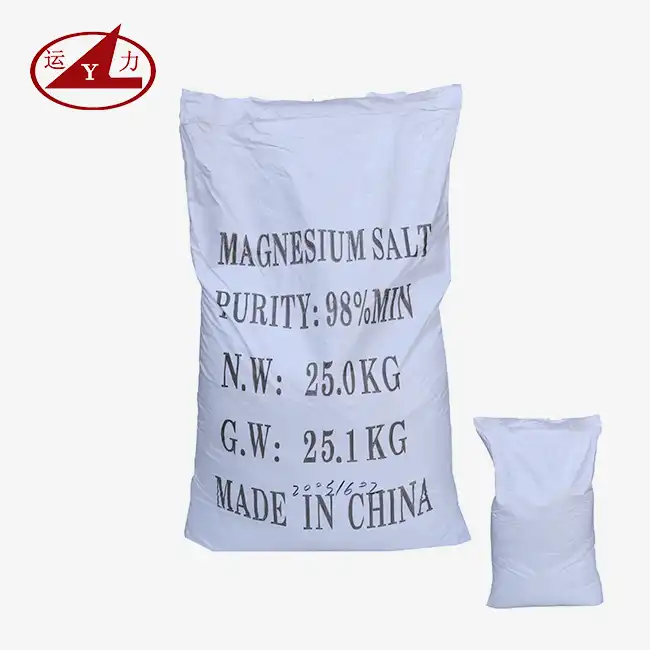
When judging providers, you need to pay attention to certain analysis factors. For normal industrial grades, the purity levels (assay) should be at least 98.0%. For pharmaceutical uses, they need to be at least 99.5%. Magnesium oxide content is usually around 15%, and nitrogen content should be at least 10.7%.
Water insolubles are an important standard, especially for irrigation uses where values must stay below 0.05% to keep equipment from getting clogged. Heavy metal contamination limits need to be carefully checked, and amounts of lead, cadmium, arsenic, and mercury must stay below legal limits (usually Pb ≤20ppm) to keep crops safe and keep catalysts from losing their effectiveness.
5% water liquids should have a pH between 5.0 and 7.0, which means they were neutralised properly during production. Deviations show that there is still acid or base pollution that can mess up manufacturing processes or hurt crops that are easily hurt. In catalyst and ceramic uses, iron content needs to be closely looked at because standards usually call for ≤10ppm to keep product performance. Reliable providers give batch-specific COAs that list these factors along with production dates and traceability codes. This lets you check the quality and make sure you're following the rules for regulatory audits.
Supplier Evaluation and Documentation Requirements
When looking for reliable partners, you need to look at their manufacturing skills, quality control systems, and legal certifications. ISO 9001 certification means that quality control methods are standardised, and ISO 14001 certification means that environmental compliance is important for long-term supply chains. OHSAS approval covers safety standards for the workplace and shows that a company is using responsible manufacturing methods. Suppliers should keep up-to-date analysis labs with ICP-MS, atomic absorption spectrometry, and other tools that can find small amounts of contaminants.
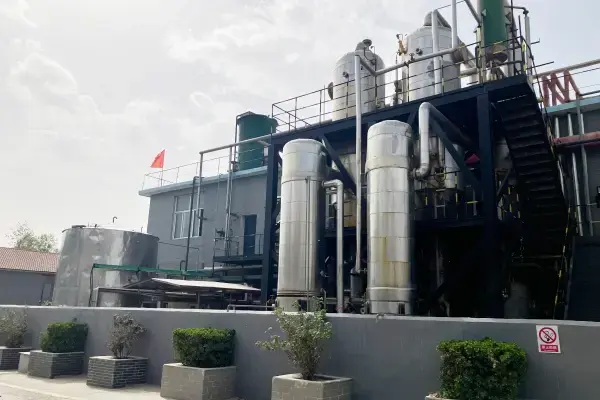
Verification of production capacity makes sure that providers can meet regular tonnage needs without lowering quality while growing up. Companies that run provincial or national technology centers show that they are dedicated to always getting better and coming up with new technologies. Yunli Chemical is a Shanxi Provincial Enterprise Technology Center and has been making chemicals for over twenty years. They also make more than one billion yuan a year, which gives procurement teams trust in their supply security and expert support.
Pricing Structures and Procurement Best Practices
To get the best price, you need to know about pricing tiers based on sales, transportation, and flexible payment terms. Prices per unit are usually cheaper when you buy in bulk, but the minimum order quantity varies by seller. Yunli Chemical has flexible purchasing terms and doesn't require a minimum order size. This makes it easier to do trial tests without having to spend a lot of money. Samples of up to 500 grams can be sent for free, which lets the lab try and confirm the process before committing to large-scale production.
Total landing costs are affected by transportation costs and arrival times in a big way. When a supplier lets you ship directly from their plant, they cut out middlemen and make the supply chain more clear. Customisation choices, such as label needs, package specs, and pre-dissolved liquid formulations, increase value by cutting down on processing steps further down the line. By asking for several quotes with full details, you can accurately compare costs and find sellers who are best able to meet your technical needs and service standards for Magnesium Nitrate Hexahydrate.
Proper Storage and Safety Management of Magnesium Nitrate Hexahydrate
Environmental Control and Container Specifications
To keep the purity of the product, strict weather controls are needed. To keep compounds from absorbing water and caking, storage sites should keep temperatures below 30°C and relative humidity below the key deliquescence point. Because the material absorbs water easily, it needs to be packed in two layers of PE that keep out wetness and protect it from damage during transport. Climate-controlled warehouses with dehumidification systems and temperature tracking systems are useful for industrial large users of Magnesium Nitrate Hexahydrate.
Proper containerisation includes more than just keeping wetness out; it also separates materials that don't work well together. Due to its oxidising properties, the molecule must be kept physically separate from organic chemicals, reducing agents, and things that can catch fire. Storage areas should have chemical-resistant coats on the concrete floors, ways to control spills, and good drainage systems so that accidents don't pollute the environment.
Handling Protocols and Personal Protection
The people who work with the substance need to be trained in oxidiser safety rules and how to handle emergencies. Personal protective equipment includes safety goggles with side covers, chemical-resistant gloves rated for oxidiser contact, and respirators for places that don't have enough air flow and where dust is made. Work areas should have enough air flow to keep flying particles from building up, and transfer points and mixing stations should have local exhaust systems installed.
Spill reaction kits should be easy to find. These kits should include inert absorbents, non-sparking gathering tools, and the right trash cans. Emergency eyewash stations and safety showers placed within 10 seconds of working areas meet the need for rapid decontamination. Written standard operating procedures that cover everyday tasks like handling, responding to emergencies, and getting rid of waste make sure that everyone on the job follows the same safety rules and lowers the risk of accidents.
Transportation Compliance and Logistics Considerations
International exports must follow the rules for Class 5.1 oxidisers set by IMDG (sea), IATA (air), and ADR/DOT (road). Using the right labels, paperwork, and packing specs keeps you from breaking the rules and makes sure your goods arrive safely. For bulk shipping, you need special packages made of materials that don't react with oxidisers and labels that say what the UN 1474 classification is. Combining packages of chemicals that go well together can lower the cost of shipping per unit while still following the rules.
Yunli Chemical's self-operated export operations make it easier for foreign customers to get documents and coordinate their orders. The company's logistics know-how makes sure that deliveries happen on time and in line with production plans. This keeps supplies going while lowering the costs of keeping goods on hand. Real-time tracking of shipments and proactive contact help deal with possible delays before they affect operations. This shows the level of service trustworthiness that procurement professionals look for when they build strategic relationships with suppliers.
Future Trends and Innovations in Magnesium Nitrate Hexahydrate Applications
Nutrient delivery methods are changing because of precision agriculture technologies. For example, controlled-release formulas and sensor-guided application systems are making them more effective. Because of these changes, there is more demand for high-purity Magnesium Nitrate Hexahydrate that can be used in covering technologies and specific mixing processes. Smart irrigation systems with soil moisture monitors and plant tissue analysis allow for real-time changes in nutrients. This needs manufacturers who can provide customised concentration solutions and expert help for formulating the best products.
Greener chemistry methods that leave less of an impact on the environment while still meeting performance standards are becoming more common in industrial settings. Catalyst makers are looking for ultra-pure intermediates that can be used at lower temperatures and with less energy during synthesis. Researchers studying phase change materials are looking into how this compound can store latent heat for better thermal management in industrial processes and building systems, which could lead to the creation of new market niches.
Regulatory environments around the world are continuing to make safety and environmental standards stricter. As customers become more aware of how well the supply chain handles environmental issues, suppliers that can show they can handle improved wastewater treatment, emission controls, and environmentally friendly production methods will have an edge over their competitors. Because Yunli Chemical has a lot of experience treating nitrate wastes and has built up environmental facilities over the years, the company can help customers deal with changing compliance requirements without affecting the stability of their supplies.
Conclusion
This thorough look at Magnesium Nitrate Hexahydrate uses shows how useful the molecule is in many fields, including agriculture, chemical processing, and specialised manufacturing. Procurement strategies that work well combine quality standards, source dependability, safety management, and lowering costs while also anticipating how the market will change in the future.
The compound's unique interaction features, full solubility, and ability to supply two nutrients solve important problems in industrial processes and fertigation systems. Supply chain risks can be reduced by choosing providers with proven manufacturing skills, full licenses, and technical support resources. This also allows for long-term operating success in demanding applications.
FAQ
What distinguishes magnesium nitrate hexahydrate from anhydrous forms?
The hexahydrate form is more stable at room temperature than the dry form because it has six water molecules per magnesium nitrate unit. This soaking lowers the ability to absorb water and makes it easier to work with in damp places. Anhydrous forms need stricter moisture control and are usually used in specific situations where the amount of water present needs to be kept to a minimum. Because it has a known safety profile and expected thermal behaviour, Magnesium Nitrate Hexahydrate is better for most farming and industrial uses where the water content doesn't get in the way of the process.
How should the compound be stored to maximize shelf life?
For storage to work properly, it needs to be cool and dry, with a relative humidity level that is controlled by temperature management systems. Double-layer PE-lined packaging keeps wetness out, and keeping oxidisers separate from organic materials and flammables meets safety standards. If these conditions are met and the product is protected, the shelf life is extended to two years without any chemical breakdown. Physical moisture absorption, not nitrogen volatilisation, is the main worry when it comes to ageing, so keeping the purity of the packaging is essential for keeping the quality over time.
Which certifications are essential when selecting suppliers?
If you care about quality, you should make sure that the company you buy from has an ISO 9001 Quality Management System approval that shows they have standard production processes. Certification in ISO 14001 Environmental Management means that you are following reasonable environmental practices, which are becoming more and more important for companies with sustainability policies.
Occupational safety certifications like OHSAS or similar ones show that you care about protecting workers. Suppliers should also give Certificates of Analysis for each batch that show the purity, impurity levels, and agreement with the agreed-upon standards. For European markets, REACH registration and the right certifications for handling dangerous materials make sure that regulations are followed along all foreign supply lines.
Partner with Yunli Chemical for Reliable Magnesium Nitrate Hexahydrate Supply
Yunli Chemical can help you find Magnesium Nitrate Hexahydrate because they have been making chemicals for over twenty years and have a track record of good quality control. Our modern testing tools and provincial-level technology center make sure that the quality of our products is always the same.
We can meet any requirements, such as ultra-low iron content (≤10ppm) and pharmaceutical-grade formulations. We offer full paperwork packages that include COAs that are ISO-certified, MSDSs, and environmental safety certificates that make it easier for you to meet regulatory requirements. Our open terms include no minimum order amounts and free samples up to 500 grams for process validation. Factory-direct price gets rid of the costs of middlemen.
Our self-run export operations make sure that products get to foreign markets on time, and our expert chemical engineers provide full technical support. Email our team at wangjuan202301@outlook.com to talk about your unique needs and ask for product details. You can look through our full catalogue of nitrate compounds at yunlichemical.com and learn how working with a reliable manufacturer can improve the reliability of your supply chain and the efficiency of your operations.

References
1. Smith, J.A., & Thompson, R.L. (2021). Industrial Applications of Magnesium Nitrate Compounds in Chemical Manufacturing. Chemical Engineering Press.
2. Rodriguez, M.C. (2020). Nutrient Management in Precision Agriculture: Magnesium Sources and Crop Performance. Agricultural Science Publications.
3. Chen, W., & Anderson, K.P. (2022). Catalyst Precursors and Purity Requirements in Modern Chemical Synthesis. Journal of Industrial Chemistry, 45(3), 234-251.
4. Williams, D.R. (2019). Oxidizer Safety and Handling Protocols in Chemical Processing Facilities. Occupational Safety Institute.
5. Martinez, S.E., & Liu, H. (2023). Thermal Energy Storage Using Phase Change Materials: Technical Review. Energy Materials Research, 12(2), 112-128.
6. Johnson, P.K., & Davis, A.M. (2020). Quality Control Standards for Agricultural Chemical Inputs: International Perspectives. Global Agriculture Standards Council.