



Why Molten Salt Is Used in Solar Power Plants
More and more, thermal energy storage is being used by solar power plants to make electricity even when the sun isn't out. Molten Salt, which is a eutectic mix of nitrate and nitrite chemicals, has become the best way for Concentrated Solar Power (CSP) sites to store and move heat. It is very stable at high temperatures, has a high specific heat capacity (about 1.56 kJ/kg·K), and can work in a wide range of temperatures (150°C to 565°C).
This makes it perfect for energy capture and release cycles. Unlike water-based systems that can't go above 400°C or organic heat transfer fluids that break down quickly above that temperature, Molten Salt can work at atmospheric pressure, isn't flammable, and has almost no vapour pressure. These are important benefits that lower the cost of infrastructure and insurance while ensuring reliable, long-term energy storage.
Understanding Molten Salt and Its Role in Solar Power Plants
Composition and Fundamental Properties
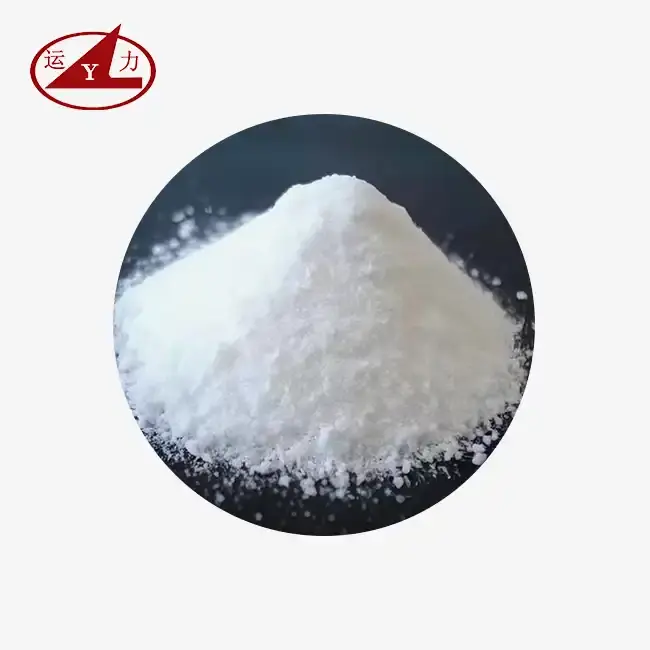
53% potassium nitrate (KNO₃), 40% sodium nitrite (NaNO₂), and 7% sodium nitrate (NaNO₀) make up the thermal salt that is used in CSP. With this exact recipe, the freezing point is 142°C ± 2°C, so the blend stays liquid during operation cycles without needing to be contained under high pressure. The density is between 1.8 and 2.0 g/cm³ at temperatures around 300°C, and the viscosity stays below 5 cP. This makes it easy to pump and for rapid flow through heat exchanges.
How Heat Transfer Works in CSP Systems
Solar collectors focus the sun's rays onto receiver tubes or towers during peak sunlight hours. The salt then moves around and soaks up heat energy. The salt, which is heated to up to 565°C, goes into insulated storage bins, where it stays warm for 10 to 15 hours. When there is more demand for electricity or less sunshine, the hot salt releases its stored heat to make steam, which turns fans and keeps making electricity. This closed-loop method gets rid of the environmental problems and inefficient use of heat that come with fossil fuel backup systems.
Safety and Corrosion Management
Material fit is very important. Pipes made of austenitic stainless steel (304H, 316L, or 321) don't rust or crack when heated to high temperatures. To keep severe corrosion from happening, the chloride ion level must stay below 50 ppm, and for high-purity grades, it should be below 20 ppm. Controlling moisture is just as important; letting water in can cause steam to form quickly and pressure to rise. Ion Chromatography and ICP-MS analysis are used in advanced manufacturing methods, like those used by XiaXian Yunli Chemical Co., Ltd., to check residue levels and make sure that chloride content stays below 500 ppm and iron poisoning stays below 30 ppm.
Why Molten Salt Is Preferred Over Traditional Thermal Storage Media
Temperature Range and Efficiency Advantages
Traditional fluids for heat transfer have their own problems. When heated above 400°C, synthetic thermal oils break down, which leads to carbonisation and servicing problems. To reach the same temperatures, water-based steam systems need complicated, high-pressure equipment, which drives up the cost of capital. Molten Salt can run continuously between 150°C to 565°C at atmospheric pressure, allowing CSP plants to achieve better Rankine cycle efficiencies—often topping 40%—while reducing heat loss while storing.
Cost-Effectiveness and Scalability
Adoption is driven by economic feasibility. Compared to lithium-ion batteries and manmade oils, Molten Salt has a lower cost per kilowatt-hour of saved energy. Large-scale CSP projects, like Gemasolar in Spain and Crescent Dunes in the US, show that Molten Salt technology is the only way to store multiple gigawatt-hours of energy. The medium can be used for more than 20 years if it is properly controlled with nitrogen blanketing to stop nitrite oxidation. This lowers the cost of refilling over its lifetime.
Environmental and Regulatory Compliance
In comparison to oil-based options, Molten Salt devices emit no volatile organic compounds and offer little risk to groundwater contamination. In the US, regulations are favouring non-toxic and non-flammable materials more and more, especially for large-scale projects close to people. The production methods used by XiaXian Yunli Chemical are ISO 14001-certified and fully eco-friendly. They are backed up by detailed MSDS paperwork and COA certificates that meet strict international standards.
Molten Salt Battery & Reactor Technologies: Insights Relevant to Solar Power
High-Density Energy Storage Innovations
New Molten Salt battery technologies use similar electrochemical concepts to get higher energy densities than lead-acid or nickel-metal hydride devices. These batteries work reliably in a wide range of temperatures, and they could be connected to CSP plants to help stabilise the power grid and smooth out changes in power output. The shared knowledge of material science between developing batteries and heat storage speeds up progress in both areas.
Synergies with Advanced Nuclear Applications
At temperatures higher than 600°C, Molten Salt reactor designs show how strong the medium is in harsh situations. Nuclear engineers have taught us a lot about keeping things safe, stopping rust, and managing salt chemistry over a long period of time. These lessons directly help people who run CSP plants. Sharing information across industries makes thermal storage systems more reliable and tools last longer.
Future Hybrid Storage Configurations
Hybrid systems that use both Molten Salt thermal storage and phase-change materials or thermochemical storage mediums are being looked into by researchers. The goal of these designs is to increase energy density, make operating temperature ranges bigger, and make dispatch more flexible. Those who work in procurement who keep an eye on these trends can look forward to next-generation solutions that will further lower the levelized cost of energy while keeping the safety features of current Molten Salt technologies.
Selecting and Procuring the Right Molten Salt for Your Solar Power Project
Evaluating Composition and Purity Standards
Compositional correctness and impurity control must be top priorities for procurement teams. High-purity formulas keep the amount of solid matter below 0.05%, which keeps pumps from wearing out and flow meters from getting clogged. To keep things from breaking down at normal temperatures, the amount of sulphur and sulphate should be kept to a minimum. The provincial-level technology center for XiaXian Yunli Chemical uses DSC analysis and ASTM E1461 testing procedures to make sure that every batch of their products has a thermal conductivity of at least 0.5 W/m·K and a specific heat capacity of at least 1.5 kJ/kg·K.
Before placing large orders, technical teams can make sure that the product works well in real-world situations by asking for free trial samples of up to 500 grams from reliable sources. It should be tested in a lab to make sure that the freezing point is between 142°C and 2°C and that the pH value is between 6.0 and 8.0. This will make sure that it works with the system's metals and heat transfer designs.
Supplier Credibility and After-Sales Support
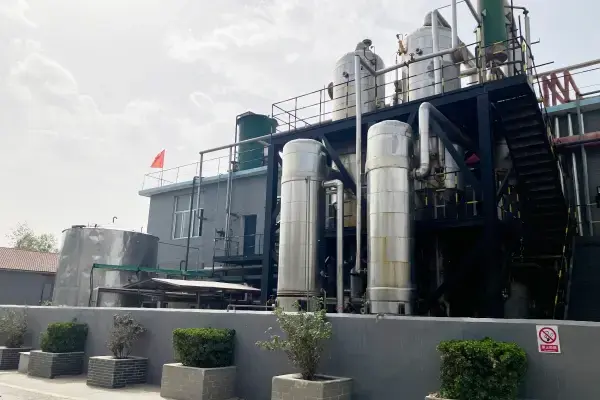
Stable suppliers are important for the long-term success of a project. Twenty years of production experience, RMB 1 billion in yearly income, and RMB 300 million in fixed assets all show that XiaXian Yunli Chemical is financially stable and can make things. Certifications like ISO 9001, OHSAS, and ISO 14001 guarantee strict standards for quality control and safety at work. By cutting out middlemen, direct factory supply guarantees low prices, a variety of package choices (including labelling and concentrations that can be changed), and regular delivery times that are essential for meeting building deadlines.
Logistical Considerations and Packaging Flexibility
For CSP projects, deliveries on a large scale with short lead times are common. Suppliers who can make aqueous liquids at different ratios make it easier to prepare on-site. Different storage and handling systems can use customisable packing, which ranges from bulk bins to specialised vessels. Technical support teams that know the rules and regulations in the area can speed up the permit process and make sure all the paperwork is complete, which keeps projects from being held up for too long and costs too much.
Application Use Cases & Real-World Examples of Molten Salt in CSP
Operational Performance Data from Leading Installations
With 15 hours of Molten Salt storage, Spain's Gemasolar plant has capacity factors higher than 75%, which is about the same as baseload natural gas facilities. The Crescent Dunes project in the US proved that 1,100 MW thermal storage systems could work, proving that they can be scaled up for utility-grade uses. Installed in the Middle East in places with a lot of direct normal irradiance, these systems have shown thermal efficiencies above 28%, which means they have a great return on investment even without green energy support.
Lessons Learned and Best Practices
From working in the field, we know how important freeze safety systems are during repair breaks. Impedance heating and electric heat tracking keep pipe networks from solidifying, which would need expensive repairs otherwise. By stopping the oxidation processes that turn nitrites into nitrates and weaken thermal properties over time, nitrogen blanketing technologies make salt last longer. Monitoring carbonate buildup and anion profiles through Ion Chromatography on a regular basis allows for proactive regeneration methods that bring back the original performance qualities.
Emerging Trends and Market Adaptability
New mixtures with calcium or lithium nitrates are meant to lower the freezing point below 130°C, which would allow them to be used in industrial processes with milder temperatures. Combining Molten Salt with supercritical CO₂ Brayton cycles in hybrid designs could lead to efficiency gains of up to 50%. As the number of CSP sites around the world rises, especially in North Africa, Australia, and the southwestern United States, procurement professionals can access more efficient supply chains, better pricing, and customised logistics services for large-scale green energy projects.
Conclusion
For modern solar power plants looking for dependable, affordable thermal energy storage, Molten Salt technology has proven crucial. It works at air pressure, stays stable at higher temperatures, and lasts for decades, which are all problems that other recording media have. As the use of CSP grows around the world, it is important to choose high-purity Molten Salt from producers with a lot of experience.
Thorough quality control, which includes checking for chloride content, insoluble matter, and temperature values, saves investments and makes sure that operations last as long as possible. Molten Salt will be the main source of green baseload power for many years to come because it combines well-known performance data from running plants with new ideas in mixed storage systems.
FAQ
What temperatures can molten salt safely handle in continuous operation?
Standard forms of heat transfer salts stay stable up to 500°C when they are exposed to air. Operational levels go up to 550°C when nitrogen is used to stop oxidative decay. These temperature ranges are much higher than what synthetic oils can handle, and they don't need the high pressure that steam-based systems do.
How do you prevent freezing during plant shutdowns?
Since the Molten Salt solidifies around 142°C, all pipes, valves, and holding tanks need two sets of electrical heat tracking systems. Impedance heating is a backup safety measure. When CSP plants are built correctly, they never let salt freeze in the circulation loops. This is because melting hardened salt again in the pipes can damage equipment and take longer to restart.
Is special piping material required for molten salt systems?
For temperatures above 400°C, you must use austenitic stainless steel (grades 304, 316, or 321) to keep it from oxidising and stress corrosion cracking. At these temperatures, carbon steel rusts more quickly, which causes scaling and system damage. Material choice has a direct effect on how long a system lasts and how much it costs to maintain.
Partner with Yunli Chemical for Reliable Molten Salt Solutions
Yunli Chemical is a reliable company that has been making Molten Salt for 20 years and has a lot of experience with thermal energy storage options. Our high-purity formulas meet the strict needs of CSP plants all over the world. They are backed by ISO 9001, ISO 14001, and OHSAS standards that ensure stable quality and environmental compliance. We offer reasonable prices, flexible aqueous solution concentrations, and free samples up to 500 grams for validation testing because we supply directly from the plant, cutting out the middlemen.
Advanced ICP-MS and Ion Chromatography research are used at our provincial-level technology center to keep chloride levels below 500 ppm and make sure thermal conductivity is higher than 0.5 W/m·K. Our expert team is here to help you with every step of your project, from choosing the right materials to getting them up and running. This is true whether you need large amounts of material for utility installations or special mixes for heating industrial processes. Visit yunlichemical.com or email wangjuan202301@outlook.com to get product specs, talk about your thermal storage needs, and find out how our Molten Salt provider services can help your solar power project run better and make you more money.

References
1. Bauer, T., Pfleger, N., Breidenbach, N., Eck, M., Laing, D., and Kaesche, S. (2013). "Material aspects of Solar Salt for sensible heat storage." Applied Energy, 111, 1114-1119.
2. Coastal Chemical Co., L.L.C. (2016). "Molten Nitrate Salt Technology for Thermal Energy Storage." Technical White Paper Series on CSP Applications.
3. Gil, A., Medrano, M., Martorell, I., Lázaro, A., Dolado, P., Zalba, B., and Cabeza, L.F. (2010). "State of the art on high temperature thermal energy storage for power generation." Renewable and Sustainable Energy Reviews, 14(1), 31-55.
4. Kuravi, S., Trahan, J., Goswami, D.Y., Rahman, M.M., and Stefanakos, E.K. (2013). "Thermal energy storage technologies and systems for concentrating solar power plants." Progress in Energy and Combustion Science, 39(4), 285-319.
5. Pacheco, J.E., Showalter, S.K., and Kolb, W.J. (2002). "Development of a Molten-Salt Thermocline Thermal Storage System for Parabolic Trough Plants." Journal of Solar Energy Engineering, 124(2), 153-159.
6. Vignarooban, K., Xu, X., Arvay, A., Hsu, K., and Kannan, A.M. (2015). "Heat transfer fluids for concentrating solar power systems – A review." Applied Energy, 146, 383-396.