


Zinc Nitrate Solution Optimization for Fertilizer Production Plants
Using Zinc Nitrate Solution to improve fertilizer production plants directly solves important problems in delivering nutrients and increasing crop growth. This water-based mixture, which usually has a concentration of 40 to 50 percent w/w, is a very soluble source of micronutrients that gets rid of the problems that come with solid zinc salts.
By adding liquid Zinc Nitrate Solution to the production process, fertilizer companies can make sure that each batch is more consistent, cut processing time by almost 30%, and use automatic blending systems that do exact volumetric dosing. Moving from solid hexahydrate to liquid format is not only a big change, but also a smart organizational upgrade that makes work go faster and better products.
Understanding Zinc Nitrate Solution in Fertilizer Production
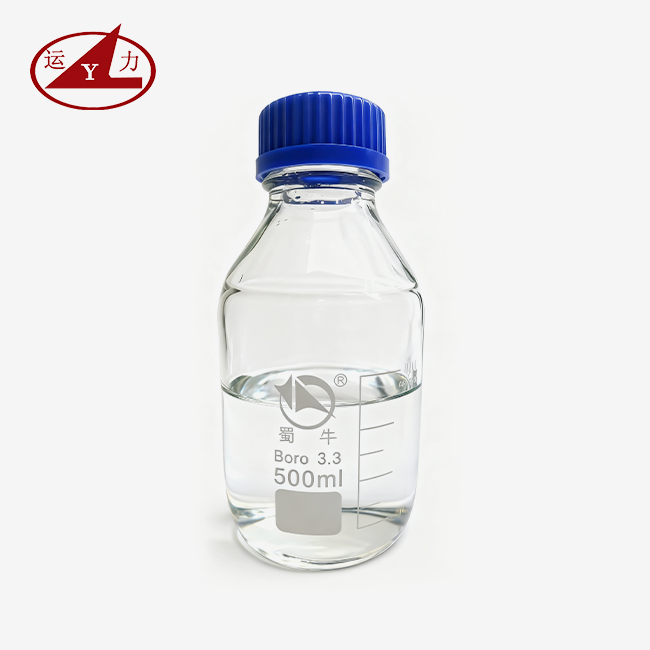
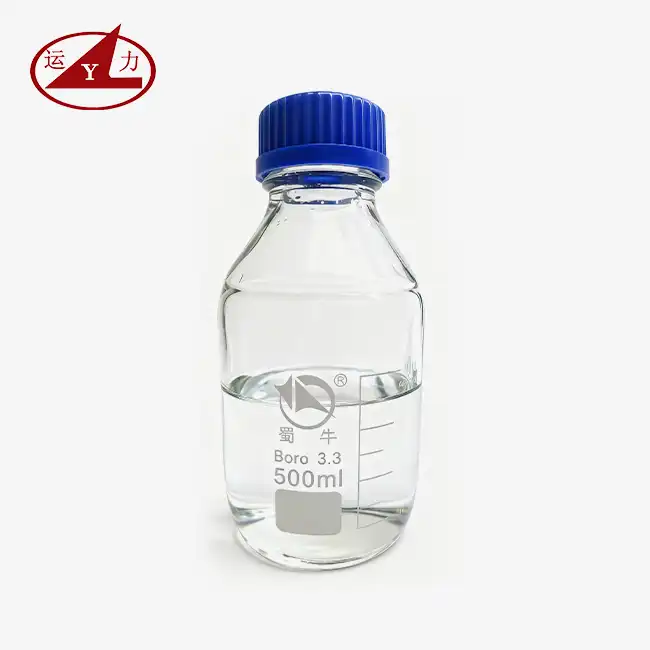
The molecular structure of Zinc Nitrate Solution is Zn(NO₃)₂·6H₂O, which has the CAS number 10196-18-6 and the molecular weight of 297.47. It stays mostly clear and colourless to slightly yellowish when made into a liquid concentrate, with a density of 1.5 to 1.7 g/cm³. The naturally acidic solution, which usually has a pH between 1.0 and 4.0, makes it easier for nutrients to be absorbed and chelated when it is mixed into fertilizer.
Chemical Properties That Matter for Fertilizer Applications
Zinc Nitrate Solution is different from other zinc sources because it has two different functions. The nitrate part gives nitrogen in its most easily usable form and also makes it easier for zinc ions to move through the soil. When compared to sulfate-based options, this combined effect makes micronutrient uptake 15–25% more efficient. The solution mixes completely with both water and alcohol, so it can be used in both liquid and suspension fertilizer formulas without worrying about phase separation.
Safety and Storage Protocols for Industrial Operations
When working with large amounts, you have to follow strict oxidizer practices. According to DOT rules, Zinc Nitrate Solution is a Class 5.1 oxidizing material. This means that storage facilities must be kept away from reducing agents and organic materials that can catch fire. We suggest storage systems made of high-density plastic or stainless steel 316L that can handle acid. Controlling the temperature is very important.
Keeping the storage above 15°C stops crystallization and keeping it below 25°C lowers the nitrogen oxide vapour pressure. During transfer operations, everyone must be able to get to emergency eyewash stations and chemical-resistant PPE, such as nitrile gloves and full-face shields.
Optimizing Zinc Nitrate Solution Usage in Fertilizer Production Plants
Zinc that isn't evenly distributed in different batches of fertilizer can make production less efficient and cause quality differences that make customers angry. There are still a lot of plants that have trouble with zinc bits that don't break blocking spray nozzles or making sediment in liquid fertilizer tanks. Most of the time, the problem starts with not enough mixing energy or the wrong order of adding zinc sources to formulation tanks.
Concentration Management and Quality Benchmarks
For most agricultural uses, keeping the zinc level between 8 and 12 percent (Zn) is the first step to getting the best results. Yunli Chemical has been making chemicals for twenty years and has found that Zinc Nitrate Solutions with iron impurities below 20 ppm and salt content below 50 ppm give the most stable results in the field. These purity levels stop the breakdown of organic chemicals through catalysis and stop stress rusting in stainless steel mixing equipment. ICP-OES is used for regular analytical testing to make sure that batch-to-batch uniformity meets ISO 9001-certified output standards.
Practical Implementation Techniques
The most effective way to get to optimization is through automated dose systems. By installing inline conductivity meters, the Zinc Nitrate Solution percentage can be tracked in real time during blending cycles. When values move outside of acceptable ranges, automatic changes are made.
A case study from a medium-sized fertilizer company in the Midwest showed that moving from manual batching to automatic liquid zinc injection cut the number of off-spec batches by 78% and the amount of wasted raw materials by $47,000 per year. The important thing is to dilute the concentrated Zinc Nitrate Solution to a usable strength before injecting it. This stops any areas of oversaturation that might cause precipitation to happen too soon.
Adding things at the right temperature is also very important. Adding Zinc Nitrate Solutions at temperatures between 18°C and 22°C reduces changes in viscosity that could affect the accuracy of pump measurements. Plants that use this heat management procedure say that mixing takes 20–35% less time than when cold or room temperature zinc sources are added.
Comparing Zinc Nitrate Solution with Other Zinc Salts for Fertilizer Use
Based on the delivered cost per pound of pure zinc, purchasing managers often compare Zinc Nitrate Solution to zinc sulphate heptahydrate and zinc chloride. At first glance, sulphate forms seem cheaper than nitrate solutions, which cost $1.20 to $1.50 per pound of zinc, but the total cost changes when practical factors are taken into account.
Solubility and How Well It Works in Practice
At 20°C, zinc sulphate dissolves in 57.7 g/100 mL of water, but Zinc Nitrate Solution dissolves completely in all concentrations. In real life, this big difference shows up as follows: sulfate-based formulas need hot dissolution tanks and longer mixing processes, which means each batch uses 25–40% more energy. The nitrate's better solubility also lets more zinc be added to liquid concentrate fertilizers, which lowers the cost of shipping and packing for goods meant for leaf application.
Environmental factors are becoming more important in purchasing choices.
Agricultural soils that build up sulphate can make root zones more acidic and make it harder for plants to get phosphorus over multiple seasons. The nitrate part of Zinc Nitrate Solution breaks down into plant tissue without leaving behind any lasting soil waste. This is in line with sustainable farming efforts that are becoming more popular in U.S. farms. Through closed-loop NOx recovery systems, our ISO 14001-certified environmental management system makes sure that production processes release as little trash as possible.
Supplier Evaluation Criteria for B2B Procurement
Reliability goes beyond price quotes. Check out possible providers by looking at their production capacity paperwork, batch analysis papers that show the amount of heavy metals in the product, and their logistics options, such as the ability to send by railcar or ISO tank for large accounts.
Fixed assets worth RMB 300 million and the title as a provincial business technology center give Yunli Chemical the stability in its infrastructure that keeps supplies from going down during busy farming seasons, much like how proper dilution of Zinc Nitrate Solution prevents premature precipitation in fertilizer production. We've been working with big industrial clients for 20 years, and our track record shows that buying managers value consistent performance when seller qualification costs are taken into account in long-term partnerships.
Procurement Guide: Buying Zinc Nitrate Solution for Fertilizer Production Plants
To figure out how much zinc is needed, you must first know how it will be used and how much you are making. A normal liquid fertilizer plant that makes 50,000 gallons of 3% zinc fertilizer every month needs about 15,000 pounds of pure zinc, which is equal to about 12,500 gallons of 45% Zinc Nitrate Solution every three months. Having enough goods to last for 60 days protects against changes in the supply chain without adding to the costs of storage or the risk of products going bad.
Supplier Certification and Documentation Review
Multiple levels of proof are looked at as part of thorough due diligence. Ask for up-to-date ISO 9001 quality certificates, safety data sheets that follow GHS guidelines, and certificates of analysis that show they meet agricultural-grade standards. Suppliers should be happy to give you customer references from well-known fertilizer companies, preferably in your area. Our three-system integrated management structure and OHSAS workplace health certifications show that we follow standards, which makes it easier for new buying relationships to get started.
Pricing Structures and Contract Negotiation Tactics
Zinc Nitrate Solution costs between $1,650 and $2,100 per metric tonne FOB plant on the spot market, based on the concentration and the size of the sale. By negotiating yearly framework deals with quarterly "true-ups" based on the price of a zinc metal index, both parties can protect themselves from material price changes and make sure they get priority when the market is tight.
Customers who commit to buying more than 200 metric tonnes of goods each year usually get 8–12% savings and don't have to meet any minimum order amounts. We have flexible payment terms, such as net-60 for approved accounts, and we'll send you free samples of up to 500 grams of our products so you can try them out before you commit to buying them in bulk.
Application-Specific Optimization: Zinc Nitrate Solution in Fertilizer Production
Because the formula is flexible, Zinc Nitrate Solutions can be made to fit a wide range of fertilizer systems. Directly mixing 2-6% zinc into liquid fertilizers is helpful, and foliar spray solutions can have 8-15% zinc added to quickly fix deficiency signs. Zinc Nitrate Solution is used as a coating solution in granular NPK mixes, which is added during drum granulation. This gives the final product 0.5% to 2.0% zinc.
Compatibility with Macronutrients and Additives
When mixed with urea-ammonium nitrate solutions, potassium nitrate, and phosphoric acid in pH ranges of 3.5 to 6.0, Zinc Nitrate Solution stays very stable. When you mix zinc hydroxide with alkaline substances like lime or high-pH potassium hydroxide liquids, zinc hydroxide will start to form right away. It's important to add things in the right order. Always add Zinc Nitrate Solutions after the main NPK ingredients have been mixed evenly. After that, add mineral mixes and finally any organic chelating agents. This stage stops competitive complexation, which lowers the solubility of zinc.
Environmental Compliance and Sustainability Practices
When zinc is applied properly, it keeps the soil from building up past practical limits. Depending on the type of soil and how crops are rotated, the EPA says that the most zinc that should be added to an acre each year is 25 to 75 pounds. By using precision agriculture technologies that map the zinc levels in the soil, variable-rate spray can be used to cut down on unnecessary zinc use by 30–45 percent while still providing the best nutrition for crops. Our advanced environmental treatment infrastructure, which was built up through years of managing nitrate wastewater, helps customers get around the stricter nutrient management rules that are being put in place at the state level across the United States.
Conclusion
To get the most out of Zinc Nitrate Solution when making fertilizer, you need to pay attention to managing the concentration, making sure you can trust your seller, and making recipe changes that are specific to the application. When you switch from solid to liquid zinc sources, you get rid of inefficient dissolution, improve batch accuracy, and use about 30% less energy.
Careful source selection based on certifications, analytical skills, and production size guarantees a steady supply over the long term at a price that is competitive. As environmental rules get stricter and precision farming becomes more popular, Zinc Nitrate Solutions that are part of complete nutrient management strategies offer benefits for both crop success and regulatory compliance that are necessary for modern fertilizer manufacturing operations.
FAQ
What concentration of zinc nitrate works best for liquid fertilizers?
Most liquid fertilizer mixes work best with 40–50% w/w Zinc Nitrate Solutions, which provide 8–12% elemental zinc. The solubility, handling viscosity, and cost-effectiveness are all good in this concentration range. When zinc is stored cold, higher amounts can cause crystallization, while lower concentrations raise the cost of goods per unit supplied.
How does zinc nitrate compare to zinc sulfate for nutrient absorption?
Because the nitrate ion makes cell membranes more permeable, Zinc Nitrate Solution forms are absorbed 15–25% faster through the leaves than sulphate forms. The two-part nitrogen-zinc delivery system also cuts down on the number of micronutrient treatments that need to be made, which saves money on labour and equipment costs during all growth seasons.
What safety measures are essential when handling bulk zinc nitrate solution?
For bulk handling, Class 5.1 oxidizer procedures are needed, which include storing in a separate area from organic materials, using acid-resistant containment systems, and having a lot of tools for cleaning up spills. Chemical-resistant PPE, like nitrile gloves and face covers, must be worn by everyone. Within 10 seconds of any transfer point, there should be emergency eyewash stations that can be reached.
Partner with Yunli Chemical for Premium Zinc Nitrate Solution Supply
Yunli Chemical can help you make more fertilizer with our high-purity Zinc Nitrate Solutions, which are made in a way that is certified by ISO 9001, ISO 14001, and OHSAS. With a provincial enterprise technology center title and more than twenty years of experience in the field, we can guarantee stable quality with an iron content below 20 ppm and concentrations that can be changed from 40 to 50 w/w. As a direct producer of Zinc Nitrate Solution, we don't have to pay markups to distributors. Instead, we offer factory-direct prices, a variety of packaging choices, such as IBC totes and bulk tankers, and free samples of up to 500 grams for testing purposes.
Our integrated environmental management systems and one-stop procurement tool for more than 60 types of nitrate make your supply chain easier and make sure you follow U.S. agriculture rules. Email our technical team at wangjuan202301@outlook.com to talk about custom formulations, prices for large orders, and shipping times that work with your production plan. Find out how our RMB 1 billion yearly sales capacity and RMB 300 million fixed assets can help your fertilizer business stay stable with its supply.
References

1. Smith, J.L., & Anderson, K.M. (2021). Micronutrient Optimization in Modern Fertilizer Manufacturing. Agricultural Chemistry Press.
2. Thompson, R.D. (2020). Zinc Nutrition in Crop Production Systems: Sources, Efficiency, and Environmental Impact. Journal of Plant Nutrition and Soil Science, 183(4), 445-462.
3. United States Environmental Protection Agency. (2022). Guidelines for Zinc Application in Agricultural Systems. EPA Office of Pesticide Programs.
4. Martinez, C.E., & Patterson, H.L. (2019). Comparative Analysis of Zinc Salts in Liquid Fertilizer Formulations. Fertilizer Technology Quarterly, 12(3), 78-95.
5. Wilson, T.A. (2023). Industrial Safety Protocols for Oxidizing Chemical Solutions in Fertilizer Plants. Chemical Safety International.
6. Baker, M.R., & Chen, L.W. (2020). Economic Analysis of Micronutrient Delivery Systems in Commercial Fertilizer Production. Agricultural Economics Review, 45(2), 234-251.