


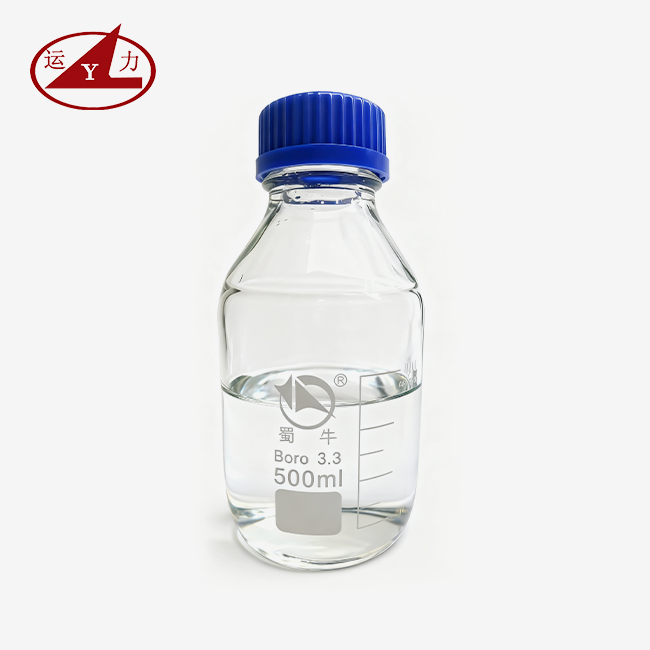
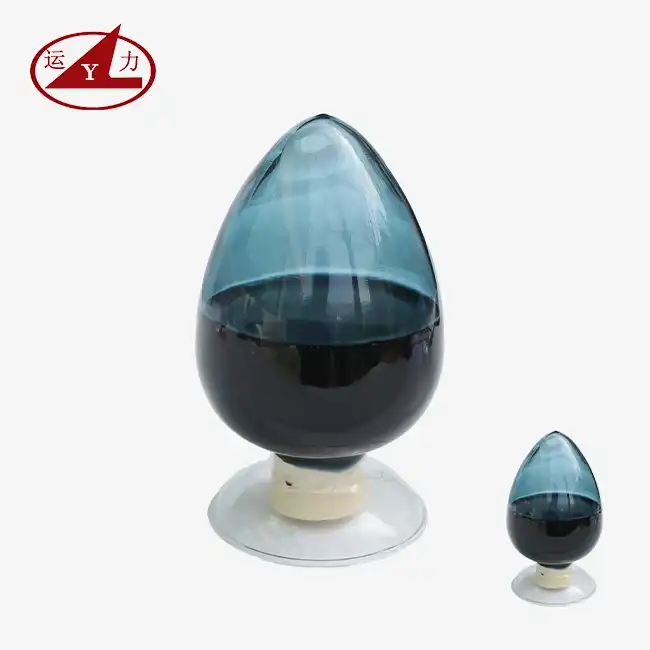
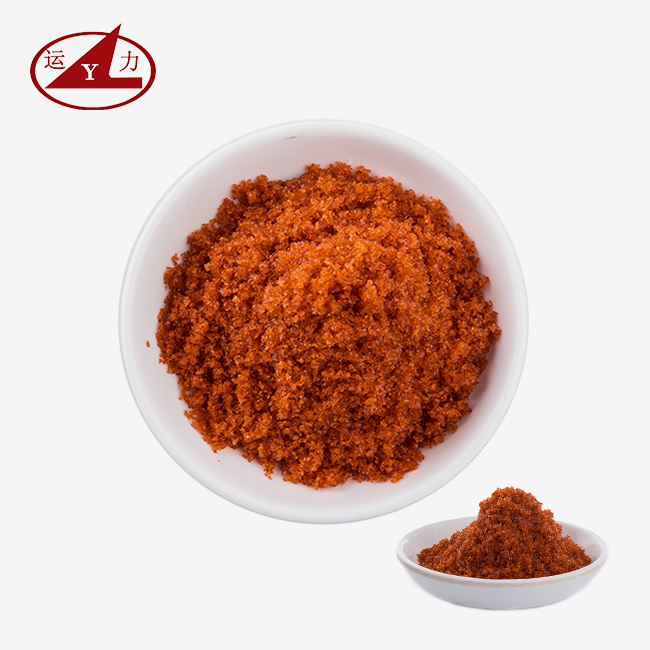
Manganese Nitrate vs Other Manganese Salts
It's not just a technical choice between manganese nitrate and other manganese compounds; it's also a strategic one that affects your bottom line, how well you follow the rules, and how much you make. If you need manganese for soldering, making batteries, or farming, it's important to know the subtle differences between Manganese Nitrate Solution (CAS 10377-66-9) and other manganese salts like sulphate, chloride, and oxide. You can use this guide to compare performance, look at safety profiles, and learn about the best ways to buy things. This will help you make choices that are in line with quality standards and business goals.
Understanding Manganese Nitrate and Its Core Properties
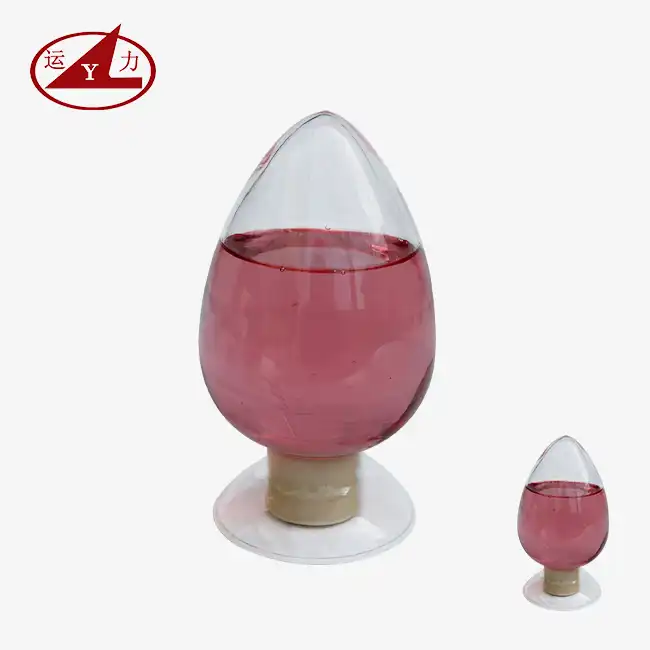
Manganese nitrate (Mn(NO3)2) is a pale rose-colored, highly soluble liquid that is known for its ability to oxidise and its usefulness in many different industries. This acidic solution has a molecular weight of 178.95, which means it dissolves easily in water and alcohol. This makes it very useful for precise uses where even distribution is important.
Chemical Composition and Physical Characteristics
On average, the normal Manganese Nitrate Solution keeps its active manganese level between 15.8% and 16.2% and its density between 1.56 and 1.60 g/cm³ at 20°C. The pH range of 2.0 to 4.0 lets you change it to meet the needs of your business. Ultra-low amounts of impurities, like iron below 30 ppm and chloride below 100 ppm, set high-grade formulas apart from common goods. These standards are very important when you're making catalysts that are sensitive to small amounts of contamination or agricultural inputs that need to give micronutrients consistently.
Industrial and Agricultural Applications
Manganese nitrate is used for different things in different fields. In catalyst synthesis, it gives the manganese precursor needed to make methanol and hydrogen in methods where catalyst poisoning is not a problem because of low iron contamination. The compound's ability to supply both nitrogen and manganese is useful in agriculture because it improves nutrient uptake by 20–30% compared to sulphate options. The liquid form gets rid of the need for dissolving steps, which speeds up the manufacturing process and lowers costs. It is used in metal surface treatment to put a durable phosphate layer on steel and galvanised surfaces. Customised versions are also used in thermal energy storage systems to make them stable at temperatures above 400°C.
Safety and Storage Considerations
Manganese nitrate is an oxidiser, so it needs to be handled carefully. It breaks down into manganese dioxide and nitrogen oxides when heated, producing vapours that could be dangerous. It is necessary to store them in cases that won't rust, away from organic materials and reducing agents. Controlling the temperature stops breakdown before it happens and keeps the solution stable throughout the supply chain. Material Safety Data Sheets (MSDS) are important to have during the buying review process to make sure that your operations follow OSHA and EPA rules.
Comparing Manganese Nitrate with Other Manganese Salts
Knowing how different manganese compounds work helps purchasing managers choose the best materials for each job, taking into account price, environmental concerns, and the needs of the job.
Solubility and Bioavailability
Manganese sulphate (MnSO4) is the most popular option. It is cheaper than manganese nitrate but not as easy to dissolve. Sulphate types dissolve well in water, but they aren't as bioavailable as nitrate types, which is important in farming settings. Manganese chloride (MnCl2) is very soluble, but it can contaminate other things with chloride, which can be a problem in places where rust is a problem or when making computer parts. Manganese oxide forms (MnO, MnO2) are powders that don't dissolve and can be used in paints and batteries. However, they need to be processed further when they need to be mixed with liquids.
Receiving systems don't experience a pH change when they use the Manganese Nitrate Solution because it is available right away. When making liquid fertilisers or catalyst preparations, where uniformity is important for product performance, this trait comes in handy.
Purity and Impurity Profiles
Ultra-low impurity standards are important to catalyst and electronics makers. Standard Manganese Nitrate Solutions keep the iron level below 30 ppm, but industrial-grade sulphates can have 100 to 300 ppm iron, based on how they are made. Trace metal pollution has a direct effect on how well catalysts work and how reliable electrical parts are. When making tantalum capacitors or pollution control catalysts, the extra cost of high-purity nitrate solutions is worth it because they improve yield rates and the life of the products.
Environmental and Safety Profiles
Each manganese salt has different effects on the world. Over time, sulphate compounds can make the soil more acidic, which could mean that lime needs to be added to farming uses. Chloride salts raise worries about saltiness in crops that need to be watered. Manganese nitrate helps give nitrogen at the same time, so separate nitrogen fertilisation is not needed as much. However, because it oxidises quickly, it needs to be stored more carefully. For heat processing goods to break down, they need the right exhaust treatment devices to catch nitrogen oxides.
Regulatory compliance is different for each chemical and use. There are different rules for moving and storing oxidisers based on their classification (UN 3139). When considering manganese compounds that seem to be different in price, procurement teams should look at the total costs of compliance, which include the need for special packaging, handling of hazardous materials, and keeping records.
Cost-Benefit Analysis for Procurement Managers
The price per kilogram doesn't tell the whole story of how to buy something. Manganese Nitrate Solutions get rid of the need for solid handling tools, dissolving tanks, and the labour costs that come with them. The ready-to-use liquid version cuts down on the time and area needed for processing. Take into account working effectiveness, product loses due to impurities, and compliance overhead when figuring out the total cost of ownership. Even though they cost more per unit, expensive nitrate solutions usually make more money for operations that need precise stoichiometric control and a low tolerance for contamination.
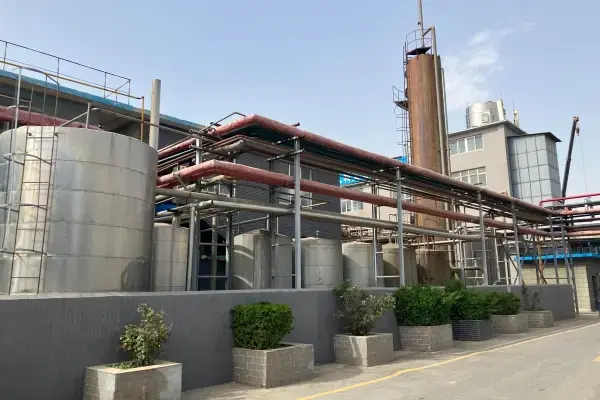
Choosing the Right Manganese Salt Supplier for Your Business
Supplier selection affects the stability of the supply chain and the uniformity of the products over the course of a multi-year relationship. Professionals in procurement should use strict criteria to evaluate possible partners that go beyond price quotes.
Certification and Quality Standards
ISO 9001 certification shows that you can handle quality in an organised way, and ISO 14001 certification shows that you can be environmentally friendly. OHSAS workplace health licenses show that a company is dedicated to using safe methods of production. Recognising a provincial or national technology center shows that R&D has the power to make special formulas. These credentials lower the risk of procurement by ensuring uniform manufacturing standards and practices for ongoing growth.
Production Capacity and Supply Reliability
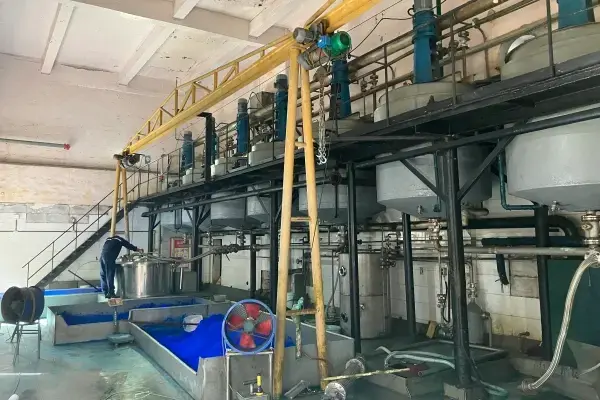
Annual production output and investments in fixed assets show how stable a provider is. Companies that have specific production lines and have spent a lot of money on capital show that they are committed to the product area. Their ability to keep up with demand during spikes in demand or breakdowns in raw material supplies depends on how well they handle their inventory and have backup production capabilities. Long-term contracts are only useful when providers have enough volume to handle changes in demand without lowering quality.
Technical Support and Customization Capabilities
Specification changes are often needed for advanced uses. Suppliers with provincial-level technology centers and analysis tools like ICP-MS and atomic absorption spectrometry can make products with specific amounts and very high purity levels. Technical help teams that know how to deal with the problems your business faces add value beyond just providing goods. Whether you need to change the pH level, make unique packaging, or check the concentration, the technical depth of your provider has a direct impact on how well your business runs.
Documentation and Compliance Support
For products like Manganese Nitrate Solution, the full Certificate of Analysis (COA) paperwork, MSDS availability, and environmental safety documents make the receiving and quality control processes easier. When suppliers give scientific data that is specific to a batch, including samples of trace impurities, it makes it easier to qualify materials faster and reduces the need for internal testing. When sourcing abroad, export paperwork knowledge is very important because it affects how quickly customs clearance goes and how well regulatory compliance is checked, and this is especially critical for Manganese Nitrate Solution due to its hazardous material classification and handling requirements.
Optimizing Usage: Best Practices for Manganese Nitrate in Various Industries
Understanding application-specific rules and safety standards that are specific to your operational setting is necessary to get the most out of manganese nitrate.
Agricultural Application Guidelines
0.5–1.0% solutions are usually used for foliar treatments because they give manganese straight to the leaf surfaces where deficiency symptoms show up. Fertigation devices mix the solution at 50 to 200 ppm levels, based on the type of crop and the state of the soil. It is best for citrus and grain crops to use nitrate types because they fix deficiencies faster than sulphate examples. Adjustable pH properties make it compatible with different types of water and food mixes. Applying manganese during busy growth phases improves uptake efficiency, which lowers the total amount needed each season.
Catalyst Manufacturing Protocols
Catalyst production needs accurate stoichiometry and control of contamination. Pre-dissolved liquid forms make sure that the metal is spread out evenly on ceramic or zeolite supports. Using controlled heat at 300–500°C to break down the nitrate turns it into active oxide phases with the best surface area and hole structure. Keeping iron pollution below 30 ppm stops catalysts from losing their ability to work in methanol production and controlling emissions from cars. Batch consistency has a direct effect on how well the catalyst works again and again, which makes seller quality standards an important thing to think about when buying something.
Safety and Environmental Management
Oxidising substances need to be kept separate from organic chemicals and burning materials. Ventilation systems have to deal with the release of nitrogen oxides that could happen during heat processes. Before the material arrives, plans should be made for how to limit the spill and neutralise it. People who work with strong solutions need to wear the right safety gear, like gloves that can fight chemicals and eye protection. Depending on local rules, wastewater from dilution or cleaning equipment may need to have its pH adjusted and heavy metals precipitated before it can be released.
Conclusion
When choosing between manganese nitrate and other manganese salts, you should think about your application needs, quality standards, and overall cost. The Manganese Nitrate Solution has better solubility, better bioavailability, and easier processing, which is why it costs more in industries like electronics, precise agriculture, and catalyst production. The sulphate and chloride forms work well for common tasks, but the nitrate form is better for high-performance tasks because it has very few impurities and is ready to use as a liquid. Working with ISO-certified providers who can provide strong technical support guarantees the reliability of the supply chain and the consistency of the products, which are important for long-term business success.
FAQ
What's the primary difference between manganese nitrate and manganese sulfate in agriculture?
Manganese nitrate delivers two nutrients at once—manganese and nitrogen—which increases the efficiency of uptake by 20 to 30 percent. The nitrate form dissolves better and fixes manganese deficiencies faster, especially in alkaline soils where manganese is hard to find. Alternatives to sulphate are cheaper, but they may make the soil more acidic over time.
How should I verify the purity of Manganese Nitrate Solution before bulk ordering?
Ask for a Certificate of Analysis that shows the amount of active Manganese Nitrate Solution (should be 15.8 to 16.2% for 50% solutions), the density, the pH, and the profiles of any stray impurities. Some important toxins to keep an eye on are sulphate, chloride (100 ppm or less), and iron (≤30 ppm). Set up sample testing if the specs are very important to your program.
Why does iron contamination matter in catalyst applications?
Even very small amounts of iron (>30 ppm) can harm catalysts used in the production of methanol and hydrogenation, making the processes less efficient and shortening the life of the catalysts. Iron also makes electrical paths in electronic parts, which can lead to leaking currents and short circuits when making capacitors.
Source High-Performance Manganese Nitrate Solution from Yunli Chemical
Yunli Chemical has been making nitrates for more than 20 years and can provide you with Manganese Nitrate Solution that meets the highest standards for clarity and stability. As a Manganese Nitrate Solution maker that is ISO 9001, ISO 14001, and OHSAS-certified and a provincial-level technology center, we know how important it is to keep an eye on minor impurities and stick to delivery dates. Our 50% solution keeps the active manganese level between 15.8 and 16.2% and the iron level below 30 ppm.
It comes with full COA and MSDS paperwork. We get rid of supply chain uncertainty by being able to make more than 1 billion yuan a year and offering a range of packing choices, from 25 kg drums to ISO tanks. Get free samples of up to 500 grams by emailing our technical team at wangjuan202301@outlook.com. Learn how factory-direct buying cuts out middlemen and ensures consistent specifications. You can look at our full range of nitrates at yunlichemical.com and build procurement relationships based on technical excellence and operating reliability.

References
1. Chen, W., & Liu, H. (2021). "Comparative Study of Manganese Compounds in Industrial Catalyst Synthesis." Journal of Applied Catalysis B: Environmental, 287, 119-134.
2. Rodriguez, M., & Thompson, K. (2020). "Bioavailability of Manganese Salts in Agricultural Systems: Nitrate vs. Sulfate Forms." Soil Science and Plant Nutrition, 66(4), 612-627.
3. Peterson, L. (2022). "Impurity Effects on Electronic-Grade Manganese Compounds for Capacitor Manufacturing." IEEE Transactions on Components, Packaging and Manufacturing Technology, 12(3), 445-458.
4. Anderson, J., & Smith, R. (2019). "Environmental and Safety Considerations in Manganese Salt Selection for Industrial Applications." Chemical Engineering Progress, 115(8), 34-42.
5. Zhang, Y., & Kumar, S. (2023). "Cost-Benefit Analysis of Manganese Compounds in Surface Treatment Applications." Corrosion Science and Technology, 22(2), 88-103.
6. Williams, D., & O'Connor, P. (2021). "Quality Assurance Standards for Industrial Manganese Nitrate Solutions in B2B Procurement." Industrial & Engineering Chemistry Research, 60(19), 7234-7248.