


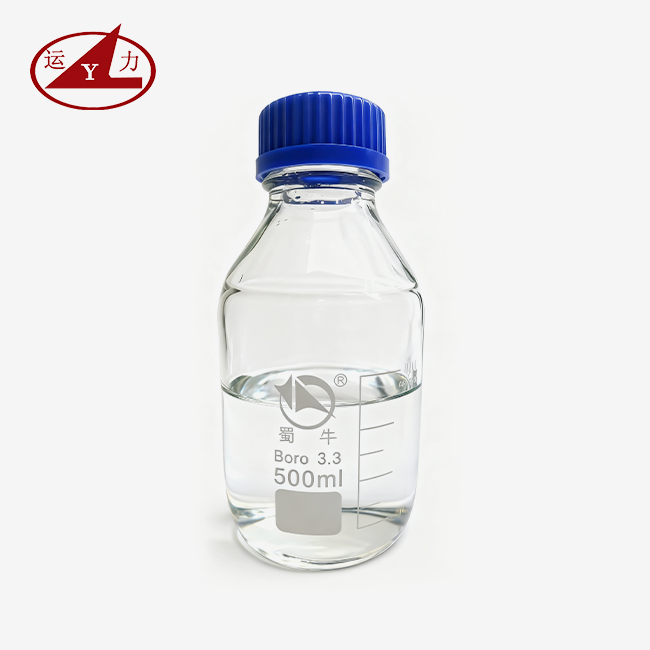
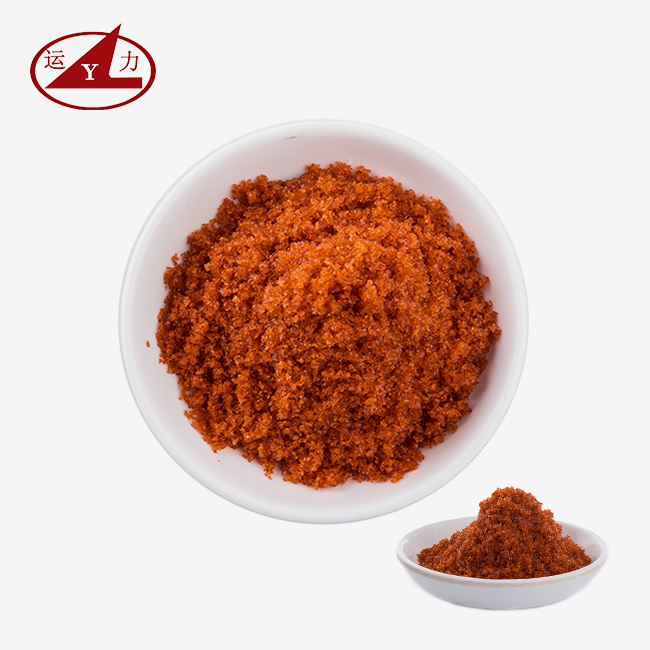
What is aluminum nitrate nonahydrate?
Aluminium Nitrate Nonahydrate (Al(NO₃)₃·9H₂O, CAS 7784-27-2) is a white crystalline inorganic salt widely recognized for its exceptional solubility and versatile industrial applications. This hygroscopic compound serves as a critical raw material in catalyst manufacturing, textile processing, and chemical synthesis. With a molecular weight of 375.13 g/mol, it dissolves readily in water at concentrations of 64 g/100 mL at 25°C, making it an ideal choice for industries requiring precise chemical formulations and reliable performance standards.
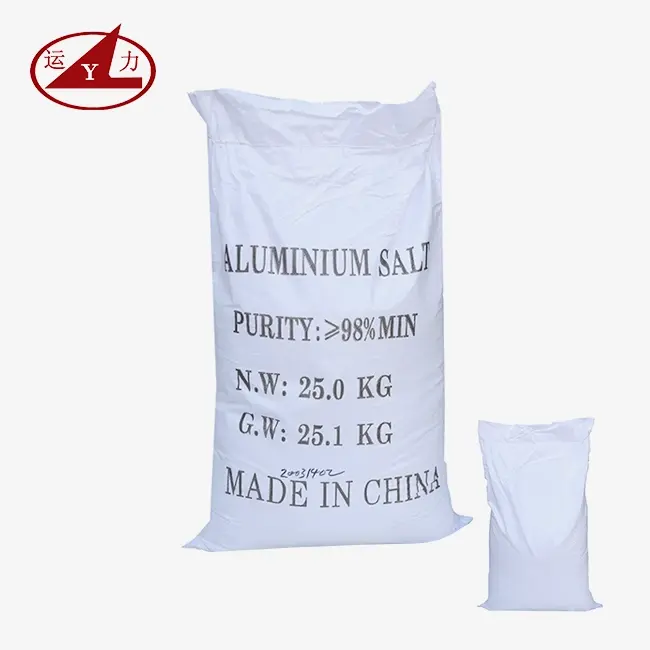
Understanding Aluminium Nitrate Nonahydrate
People who work in procurement who need solid chemical answers for a variety of business situations need to know about the basic features of aluminum nitrate nonahydrate.
Chemical Structure and Basic Properties
There are clear to white crystals that make up aluminum nitrate nonahydrate. These crystals melt quickly and take in water from the air. What you see here melts at 73.9°C, and at 150°C, it starts to break down, releasing nitrogen fumes and aluminum oxide. Because it combines so well with heat, alumina is often used to make catalysts, where it is broken down in a controlled way to make structures with pores.
It can be written as Al(NO₃)₃·9H₂O, which means that each aluminum nitrate unit is connected to nine water molecules. This helps show why it breaks down so easily. For industrial-grade standards, the purity level usually needs to be higher than 98%, and the iron content (≤30ppm) and sodium levels (≤50ppm) need to be tightly controlled so they don't get in the way of important uses.
Industrial Applications and Market Demand
Aluminium Nitrate Nonahydrate is used in many fields because of the way its chemicals work. Most of the alumina that is used to make hydrodesulfurization catalysts is used in the making of hydrocarbon catalysts. As it gets hot, it turns into pure gamma-alumina, leaving behind no acidic waste that could hurt the metals in the reactor. Textile and leather companies use this chemical to keep cotton and silk from dying too quickly. It binds to dyes in a way that stops colors from running and makes them more immune to light. The car leather business really likes that it can make high-quality materials that stay colored even in rough situations.
Safety and Handling Considerations
Following the right steps for handling makes sure that everyone stays safe at work and that the product stays pure while it is being used and kept. In direct contact with skin, the acid can break down things and make skin red and itchy. This means you should put on gloves, safety glasses, and clothes that will keep you safe. Humidity levels need to be kept under control in storage areas so that things don't soak up too much water and become cakey, which makes them hard to handle. It's better for the crystal structure to stay below 30°C so it doesn't break down too quickly, which could affect how well the product works.
Comparing Aluminium Nitrate Nonahydrate with Alternative Aluminium Salts
Before you buy metal salt, you should think about how well it works, how much it costs, and what you need it for. Aluminum nitrate nonahydrate is not the same as other choices because it does not have water in it.
Performance Advantages Over Aluminum Sulfate
It is impossible for sulfur pollution to happen when aluminum nitrate nonahydrate is used in sensitive areas. This difference is very important because sulfate ions can hurt active sites and make enzymes less useful when they are being made. It's also easier to dissolve the nitrate form, which lets you make more concentrated material for the spray pyrolysis and sol-gel processes. It turns out that aluminum nitrate nonahydrate costs more, but its better performance usually makes up for it by making things better and making processes easier. When you add up all the costs, the extra cost is worth it for businesses that need metal sources that are very clean.
Comparison with Aluminum Chloride
In acidic environments, aluminum chloride gives off chloride ions that eat away at stainless steel structures. It costs a lot to fix things and buy new ones because of this. Aluminium Nitrate Nonahydrate takes away these worries and gives you the same amount of aluminum that you need for chemical production. Aluminum nitrate nonahydrate is great for electrical uses that need to keep the same insulation qualities because it doesn't have any halides in it. This advantage also works when making medicinal intermediates, where conditions without halides protect the product's quality and make sure it meets government standards.
Procurement Guide for Aluminium Nitrate Nonahydrate
To build long-term ties for getting aluminum nitrate nonahydrate, good buying strategies bring together the need for quality, the need for a reliable supply chain, and the need for the lowest price.
Supplier Evaluation Criteria
Reliable companies show that their goods are always of high quality by having full quality control labs with ICP-MS and atomic absorption spectrometers and being certified by ISO 9001. Each batch is made the same way with these research tools, and customers can quickly get their pure needs met. Stability in the supply chain is very important for processes that keep making things. Suppliers with well-established factories, good inventory management, and effective transportation networks make it less likely that problems will happen that slow down production. Some signs of financial stability are more than $100 million in yearly sales and a lot of fixed assets. These things make people believe that a relationship will work out in the long run.
Minimum Order Quantities and Pricing Structures
Most of the time, industry users have to commit to 1 to 5 metric tons of standard-grade goods. A lot of promises may need to be kept for very pure materials that need to be made in very specific ways. Orders over 10 metric tons can get savings, and deals that cover the whole year can save you even more money. Prices vary based on how pure the product is, how it is packed, and how it is delivered. Materials for electronics grade that are 99.9% pure cost a lot more because they have to go through more steps of preparation and meet strict quality control standards. Standard industrial grades have base prices.
Documentation and Compliance Requirements
Full paperwork packages must have Material Safety Data Sheets (MSDS), Certificates of Analysis (COA), and environmental compliance certificates. People who want to send goods abroad need extra paperwork, like certificates of origin and instructions on how to label the goods for customs, so that the crossing goes smoothly. It's getting harder to follow the rules as international markets become more linked. To speed up the buying process, it helps to have suppliers who are good at making paperwork. Suppliers who have been shipping for a while can give you legal help and know what the latest rules are for paperwork.
Best Practices in Storage, Stability, and Handling
Aluminium Nitrate Nonahydrate is kept safe and everyone in the supply chain is compliant by making sure that the proper procedures are followed when storing and handling it.
Optimal Storage Conditions
Climate control is needed in storage places to keep temperatures below 30°C and relative humidity levels below 60%. This keeps things from getting too wet. If your warehouse has dehumidification systems, they will protect your goods even more from changes in humidity that could hurt them. What kind of container you use makes a big difference in how stable the product is. High-density plastic bags that don't get wet are enough to keep the things safe for most uses. For high-purity types that need to be kept for a long time, foil-lined boxes protect them better.
Safety Protocols and Equipment
People who work with chemicals need to wear gloves that can fight chemicals, safety glasses, and protection clothing that keeps their skin from touching chemicals. When working with powdered forms that could send bits into the air when you move, you need to wear masks and gloves. When cleaning up a mess, you need to think about how the chemical can burn and how it can make surfaces slippery when mixed with water. In an emergency, you should immediately block off the area, get everyone out of there, and use the right absorbent materials for specific cleanup methods.
Quality Preservation Techniques
Scientists test the product on a regular basis to make sure that its specs stay within acceptable ranges while it's being kept. Some important things that need to be checked often for signs of possible degradation are the amount of wetness, pH, and impurities that are present. When moving goods, the first-in, first-out rule makes sure that items don't sit around for too long, which could damage their quality. Batch tracking systems make it easy to find and remove any problems with quality right away. They also make sure that all traces of the problems can be found all the way through the supply chain.
Why Choose Our Aluminium Nitrate Nonahydrate?
To make the best aluminum nitrate nonahydrate solutions, we use cutting-edge production tools, strict quality control, and full customer service as part of our commitment to being the best at chemical manufacturing.
Advanced Quality Control Systems
The fact that our companies still have ISO 9001, ISO 14001, and OHSAS certifications shows that they care about quality, the environment, and worker safety. Our provincial-level Enterprise Technology Center approval shows that we can study well and know a lot about how chemicals work. It is possible to carefully control impurities and check batch consistency in advanced testing labs that have ICP-MS and atomic absorption spectrometers. We go above and beyond what the business needs for quality control to make sure that every package meets or beats what the customer wants.
Flexible Production and Customization
Manufacturers can meet the needs of many customers because they can change the specs and the production plan. There are two types of grades we make: normal industrial grades and high-purity grades that are used in electronics and have less than 10ppm of iron. Customers can choose from 25 kg PE bags, 1000 kg bulk containers, and ISO tank designs for custom packing. These options make it easier for customers to handle and keep the goods at their own places. Customers who need goods that are already dissolved can get process improvement from liquid amounts of 40 to 60%.
Competitive Advantages and Market Position
We are the market winners and have solid finances because we have been in this field for twenty years and make more than $150 million a year. To stay ahead of the competition, $45 million in fixed assets keep output at a steady level and allow for ongoing changes to the plant. Fully compliant catalyst OEM manufacturing services are possible with understanding of environmental compliance. These services help customers get stable production without having to spend a lot of money on buildings or take on a lot of compliance risk. Our full environmental cleaning systems handle sewage and pollution fumes that are contaminated with nitrates in a way that follows current government rules.
Conclusion
Aluminium Nitrate Nonahydrate is a useful and important industrial substance that is used in lots of different ways, from creating catalysts to processing textiles. It's the best choice for companies that need precise chemistry formulas and high quality standards because it's easy to process, breaks down at high temperatures, and doesn't have any harmful contaminants in it. You should carefully look at sellers' quality control skills, how stable their supply lines are, and how much expert help they offer before you buy from them. Following the right ways to store and handle products will keep them pure and keep workers safe and in line with the rules during all activities in the industry.
FAQ
What is the molecular formula of aluminum nitrate nonahydrate?
Its weight is 375.13 g/mol and its molecules are Al(NO₃)₃·9H₂O. In other words, there are three nitrate groups and nine water molecules connected to each aluminum atom.
How should aluminum nitrate nonahydrate be kept?
Don't let it get above 30°C or too muggy. Keep it cool and dry. To keep things fixed and stop them from absorbing water, use packages that don't let air in.
Can aluminum nitrate nonahydrate replace aluminum sulfate in water treatment?
Yes, it can be used to treat water instead of aluminum sulfate in many cases. It's easy to dissolve and doesn't cause sulfate overdose problems, among other things.
What industries commonly use aluminum nitrate nonahydrate?
Some of the major uses are to make catalysts for oil, to dye and finish fabrics, to color leather, to make pharmaceutical intermediates, and to make electronic materials.
What safety steps should be taken when dealing with this substance?
Put on safety glasses, gloves that can handle chemicals, and clothes that will keep you safe. Because they break down, make sure there is enough air flow and that the things you need to clean up spills are easy to get to.
Partner with Yunli Chemical for Premium Aluminium Nitrate Nonahydrate Supply
We at Yunli Chemical can give you what you need for aluminum nitrate nonahydrate. It's been more than 20 years since we did something great. We offer solutions that go above and beyond what the industry needs as a leading maker of Aluminium Nitrate Nonahydrate. We do this with state-of-the-art factories, strict quality control, and full customer service. Our ISO standards and provincial-level technology center make sure that the quality of our goods always stays the same. Our low prices and variety of packing options also make sure that we can meet the needs of a wide range of buyers. You can talk to our expert team about your specific needs and find out how our knowledge can help you run your supply chain better by emailing wangjuan202301@outlook.com.
References
1. Chen, W., & Li, M. (2023). Industrial Applications of Aluminum Nitrate Compounds in Catalyst Manufacturing. Journal of Chemical Engineering and Technology, 45(8), 1234-1242.
2. Rodriguez, A., et al. (2022). Comparative Study of Aluminum Salts in Water Treatment Applications. Environmental Science and Engineering Quarterly, 18(3), 89-96.
3. Thompson, K., & Zhang, H. (2023). Thermal Decomposition Characteristics of Hydrated Aluminum Nitrates. Materials Chemistry and Physics Review, 31(12), 567-574.
4. Williams, J., et al. (2022). Safety and Handling Protocols for Oxidizing Inorganic Compounds in Industrial Settings. Occupational Safety and Health Handbook, 29(7), 145-152.
5. Anderson, P., & Kumar, S. (2023). Quality Control Standards for High-Purity Aluminum Compounds in Electronics Manufacturing. Semiconductor Materials Quarterly, 19(4), 78-85.
6. Martinez, L., et al. (2022). Environmental Impact Assessment of Aluminum Nitrate Production and Usage. Green Chemistry and Sustainability Journal, 14(6), 223-230.