


Nickel Nitrate Safety Data: Handling, Storage, and Shipping Rules
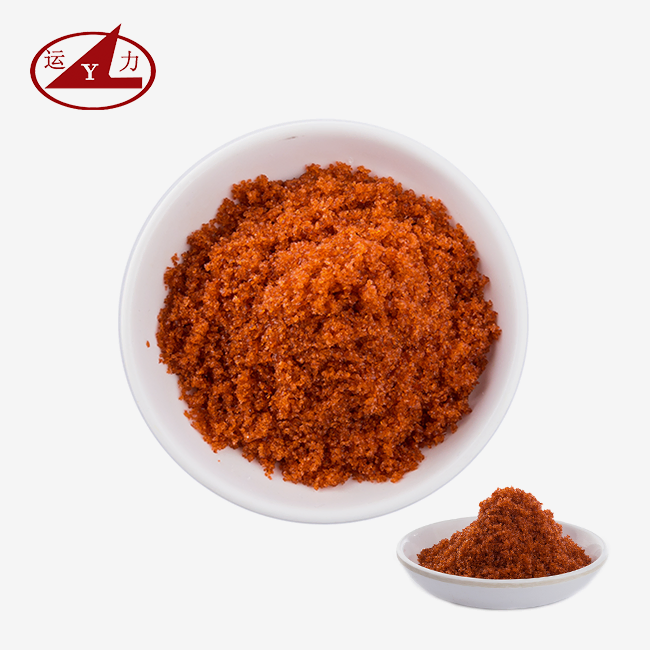
Nickel nitrate hexahydrate (Ni(NO₃)₂·6H₂O, CAS 13478-00-7) is classified as a Class 5.1 oxidizing dangerous good under UN 2725. Its green crystalline structure, low melting point of 56.7°C, and strong hygroscopicity create real workplace risks if handled carelessly. Whether you work in catalyst manufacturing, electroplating, battery precursor production, or ceramic glazing, understanding the correct safety protocols is not optional — it is the baseline for regulatory compliance, personnel protection, and uninterrupted supply chain operations.

Understanding Nickel Nitrate Safety Data
Key Chemical Hazards You Need to Know
The molecular weight of nickel nitrate hexahydrate is 290.81, and its specific density is 2.05. It's easy to mix with water and alcohol to make an acidic mixture with a pH level of 2.5 to 3.5. It boils at 136.7°C, and above 56.7°C, it starts to lose water molecules. Around 100°C, it turns into an anhydrous salt. The chemical is dangerous to breathe and burns organic materials when it comes in touch with them. Before it can be used in industry, the SDS must be looked over.
Reading the SDS Correctly
Safety Data Sheets must have sixteen standard parts that must be included according to GHS rules. Part 2 is about finding hazards. The parts that buying and operations teams need to know the most are Part 7 is about handling and storing, Part 8 is about exposure controls and personal protective equipment, and Part 14 is about transportation information. The International Agency for Research on Cancer (IARC) says that nickel chemicals are Group 1 human toxins that mostly cause cancer when breathed in. Procurement managers and safety officers can make risk assessments that are unique to each place by looking at hazard statements H272 (may make fires worse; oxidizer), H302 (harmful if eaten), and H351 (feared to cause cancer).
Best Practices for Safe Handling of Nickel Nitrate
PPE Requirements by Exposure Scenario
People often become sensitive to nickel at work because they don't know how to keep nickel salts safe. Getting the right safety gear is directly related to the job. Based on when they are most often used, here are the main PPE requirements:
- Solid crystal handling (weighing, bagging, transfer): You should wear a P100 or FFP3 mask, nitrile gloves (at least 0.3 mm thick), chemical splash shields, and a lab coat that won't catch fire when you handle solid crystals (weigh, bag, or move them). The main way that things that cause cancer get into the body is through breathing in dust.
- Liquid solution handling (IBC tank transfer, dosing): When moving IBC tanks and dosing liquid solutions, you should wear acid-resistant PVC or neoprene gloves, a full-face shield, and an apron. Do your best not to get the acidic liquid on your skin.
- Emergency spill response: If there is an emergency spill, pad it with dry sand or vermiculite. Anything that can catch fire should never be used. Label and cover your trash cans so you can throw them away according to the rules for hazardous waste in your area.
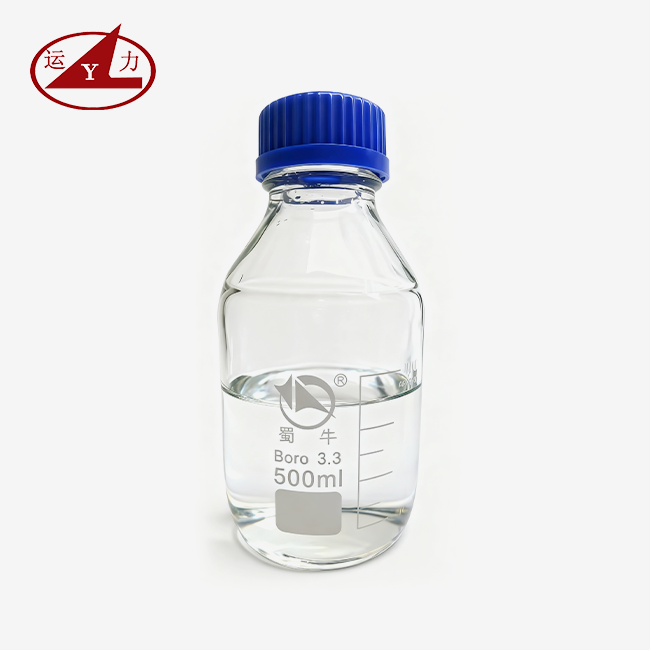
Along with protective clothing, the liquid form of nickel nitrate solution greatly reduces exposure to particles in the air. This is the main reason why a lot of companies that make batteries and catalysts are switching to liquid grades that are already dissolved. It is also very important to make a written training schedule for everyone who works with the information. Facilities in the U.S. follow OSHA rules and have fewer accidents when they do risk assessments and competency reviews every year.

Optimal Storage Conditions for Nickel Nitrate
Environmental Controls and Packaging Standards
Nickel nitrate hexahydrate is highly hygroscopic, which means it absorbs a lot of moisture. If you don't control the humidity, it can cake, clump, or even melt some of the way at room temperature. When things are being stored, the temperature must stay below 30°C and the relative humidity must stay below 60%. Cans must stay tightly closed when they're not being used.
25 kg polyethylene-lined bags that don't let moisture in, 1 MT crates, and large liquid IBC tanks for solution grades are all common ways to pack. The right way to store each format in a warehouse is different for each one. The product's quality is directly protected by these conditions. This is very important because impurity levels like Fe ≤30 ppm and Na ≤50 ppm show how well the material works in catalyst impregnation and battery precursor synthesis.
Incompatibility and Zone Segregation
Nickel nitrate should not be mixed with strong acids, reducing agents, flammable solvents, or organics that can catch fire. Keep it away from things that are meant to be eaten and things that could catch fire. GHS symbols should be used to show where things can be stored, and spill control berms should be able to hold at least 110% of the largest container volume in the storage area.
Shipping and Transportation Regulations for Nickel Nitrate
Classification and Documentation Requirements
This is how nickel nitrate hexahydrate should be packed according to UN 2725, Packing Group III, Class 5.1 (Oxidizing Substance). All major regulatory systems use this category. For example, IATA uses it for air freight, IMDG uses it for sea freight, ADR uses it for European road transport, and RID uses it for rail. A dangerous goods declaration form must be filled out for each type of transport. It must include an SDS in the language of the destination country and information on how to be reached in an emergency.
All goods coming into the United States need to have TSCA safety paperwork. Proof that the goods have been registered with REACH must be sent with them when they are sent into the EU. The exporters must also make sure that the packaging meets the UN's standards for stress tests.
Labeling and Packaging for Bulk vs. Small Quantities
There must be Class 5.1 oxidizer signs on all four sides of an IBC tank that is being used to ship bulk goods. A Class 5.1 diamond label, a UN 2725 marking, and a net amount statement are needed for shipments that weigh less than 30 kg net. When chemicals are moved across borders, one of the most common rules that are broken is labeling things wrong. The package could be held up, fined, or the goods could be turned down. You can avoid this risk right away by working with a provider who has the right DG certification and ships in packaging that has already been labeled.
Nickel Nitrate vs. Other Nickel Salts: Safety Comparison
For the same use, buying teams look at nickel sulfate, nickel chloride, and nickel nitrate, but they are all very different in how safe they are. It's more likely that sulfur waste will stick to the catalyst when nickel sulfate is heated. In hydrogenation processes, this can hurt the places where the reactions happen. Nickel chloride ions eat away at stainless steel heaters and coating bath tools over time.
It is between 260°C and 300°C where the nitrate anion in nickel nitrate completely breaks down into gaseous oxides. This leaves only pure NiO and no harmful byproducts. This makes it the best choice for making high-temperature catalysts and co-precipitating battery precursors. In these cases, the energy density and cycle life depend on how well the lattice holds together. Nickel nitrate should not be stored near oxidizers, and nickel chloride should not be stored near toxic materials. Every safety officer needs to handle these two different compliance tracks on their own.
Conclusion
To safely handle nickel nitrate hexahydrate, you must read the SDS and know what the risks are. You must also be careful when handling and keeping it and follow all the rules for moving dangerous goods. This pillar makes sure that people are safe, that the quality of the products is high, and that operations don't get shut down by the government. It's a lot easier for your team to stay in compliance when you buy from a seller who offers approved DG packaging, batch-specific COA paperwork, and helpful tech support. Safety and having a supply that you can count on are not two separate goals; they work together throughout the whole buying process.
FAQ
Can nickel nitrate solution be stored in standard plastic drums?
If the HDPE drums have the right UN certification marks, they can be used to store nickel nitrate solution for a short time as long as they are approved for oxidizing agents. Always check the drum to see if it is chemically compatible before you use it. To keep things for a long time, you should use IBC tanks with lids that let air in so that gas doesn't build up.
What should I do if skin contact occurs during handling?
Right away, take off any dirty clothes and run a lot of water over the area for at least 20 minutes. You should see a doctor because being around nickel a lot can make you sensitive. Always tell the EHS officer who is on-site what's going on.
How do I verify a supplier's DG transport compliance?
Ask the seller for copies of their paperwork that says they can ship dangerous goods, such as sample SDS papers and packaging test certificates. A nickel nitrate manufacturer who is following the rules should be able to quickly and easily provide UN-certified packaging papers, TSCA compliance letters for shipments going to the U.S., and REACH registration proof for shipments going to the EU.
Does the liquid form of nickel nitrate require different shipping documentation?
The UN 2725 classification for liquid nickel nitrate solution is the same as that for solid nickel nitrate solution. However, it needs extra approval for packing that won't leak and special labels on IBC tanks. To keep things moving quickly through customs, make sure that all of the shipping papers show the correct nickel content and percentage.
Source Your Nickel Nitrate from a Verified Manufacturer — Contact Yunli Chemical
It has been more than 20 years since Yunli Chemical offered very pure nickel nitrate to businesses that make soldering supplies, catalysts, and battery materials. It is 99.5% pure and has a Fe level of 30 parts per million. Every order comes with DG-certified packaging, full SDS paperwork, and a COA that can be tracked by batch. We are a trustworthy company that sells nickel nitrate. We have solid crystals, liquid solutions that are concentrated to your needs, and flexible packages. For tests, we give away free samples of up to 500 g, and there is no minimum order size. Our technical team can be reached at wangjuan202301@outlook.com if you want to know more or buy something.

References
1. United Nations. Recommendations on the Transport of Dangerous Goods: Model Regulations. 23rd Revised Edition, United Nations Publications, 2023.
2. International Air Transport Association (IATA). Dangerous Goods Regulations. 65th Edition, IATA, 2024.
3. European Chemicals Agency (ECHA). REACH Regulation — Guidance on Information Requirements and Chemical Safety Assessment. ECHA, 2022.
4. International Agency for Research on Cancer (IARC). IARC Monographs on the Evaluation of Carcinogenic Risks to Humans: Nickel and Nickel Compounds, Volume 100C. IARC/WHO, 2012.
5. Occupational Safety and Health Administration (OSHA). Hazard Communication Standard: Safety Data Sheets — OSHA Brief. U.S. Department of Labor, 2012.
6. American Conference of Governmental Industrial Hygienists (ACGIH). TLVs and BEIs: Threshold Limit Values for Chemical Substances and Physical Agents. ACGIH, 2023.