


Top Uses of Manganese Nitrate 50% Solution in Modern Manufacturing
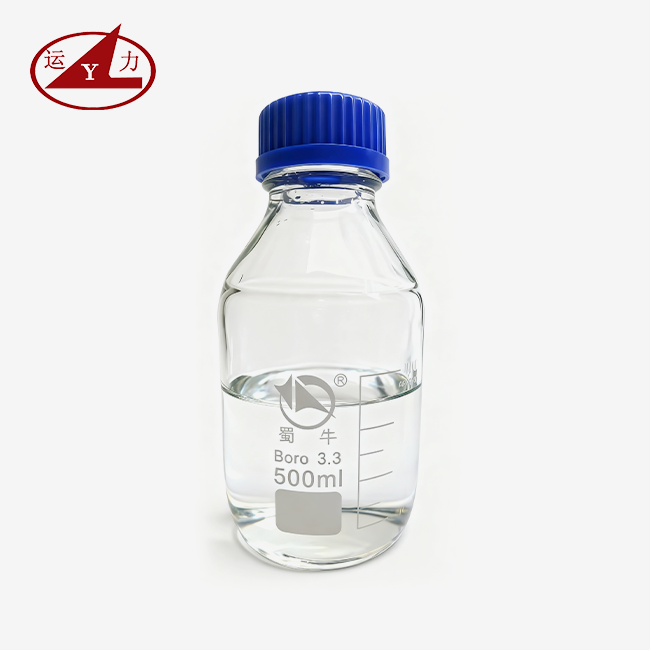
Manganese nitrate 50% solution (CAS 10377-66-9, Mn(NO₃)₂, MW: 178.95) is one of the most industrially versatile manganese compounds available today. This pale rose-red, slightly acidic liquid delivers 15.8–16.2% active manganese content in a ready-to-use format that eliminates on-site dissolution entirely. From SCR catalyst synthesis to lithium-ion battery precursors and precision agricultural inputs, its applications span multiple high-growth sectors. This guide helps procurement managers, R&D engineers, and sourcing teams understand where this compound excels and how to source it with confidence.

Understanding Manganese Nitrate 50% Solution
Chemical Identity and Key Properties
When Mn(NO₃)₂ is mixed with water, it turns into a clear, stable liquid with a density of 1.56–1.60 g/cm³ at 20°C and a pH that can be changed between 2.0 and 4.0. The solid manganese nitrate hexahydrate is very water-absorbing and hard to dose correctly. The 50% watery solution, on the other hand, stays the same during automatic feeding. It breaks down easily in water and alcohol, turns into manganese dioxide and nitrogen oxides above 140°C, and has oxidizing qualities that mean it needs to be handled properly according to OSHA and DOT rules. It is common to store things in SS304/316 or HDPE bins, away from organics and reducing agents.
How It Differs from Other Manganese Sources?
Manganese sulfate and manganese chloride are common alternatives, but they add sulfate and chloride ions to the mix, which damages equipment and makes catalysts less effective. Before it can be used, manganese oxide needs to be reduced at high temperatures. The nitrate form breaks down completely during calcination, leaving only MnO₂ and no anion contamination. This is a very important property in the electronics and catalyst manufacturing industries, where small impurities can cause products to fail.
Top Industrial and Agricultural Applications
In four main areas, the liquid manganese nitrate format always does better than solid options when it comes to process control, purity, and operating efficiency. This is where manufacturers depend on it the most. For manganese nitrate 50% solution, these advantages typically include more accurate dosing, fewer dissolution steps, lower dust and contamination risk, and more consistent batch performance in catalyst, electronics and specialty chemical production.
- SCR Catalyst Manufacturing: Selective catalytic reduction (SCR) systems used in power plants and diesel vehicles depend on manganese-based active sites to reduce NOₓ emissions. The ultra-low iron content (Fe ≤30 ppm) in our solution prevents catalyst poisoning, while the pre-dissolved liquid ensures uniform metal dispersion on ceramic or zeolite supports. Environmental regulations tightening under EPA standards continue to expand this market.
- Lithium-Ion Battery Precursors: Producers of lithium manganese oxide (LMO) and nickel manganese cobalt (NMC) cathode materials use high-purity manganese nitrate as a co-precipitation precursor. Consistent Mn concentration and minimal alkali-ion contamination directly influence electrochemical cycling stability. Battery-grade material demands Fe <10 ppm—a specification our ICP-MS-verified production process reliably meets.
- Water-Soluble Fertilizer Production: Manganese is an essential micronutrient governing photosynthesis and enzyme activation in crops. Nitrate-based manganese delivers 20–30% higher nutrient uptake than sulfate equivalents because nitrate ions actively facilitate root absorption. The adjustable pH (2.0–4.0) allows formulators to match diverse soil profiles without additional acidification steps.
- Metal Surface Treatment (Phosphating): In anti-corrosion processing of steel and galvanized components, manganese nitrate accelerates dense phosphate film formation. Low chloride content (<100 ppm) reduces pitting corrosion risk on treated surfaces—a specification particularly valued by automotive and heavy-equipment manufacturers.
Manufacturing of SCR catalysts: Power plants and diesel cars use selective catalytic reduction (SCR) systems that depend on active sites made of manganese to lower NO₢ pollution. Our solution has very little iron (Fe ≤30 ppm), which keeps the catalyst from getting poisoned. The pre-dissolved liquid also makes sure that the metal is spread out evenly on ceramic or zeolite supports. As EPA standards get stricter, environmental rules continue to grow this business.
Comparing Manganese Nitrate 50% Solution with Alternative Products
Concentration Matters: 50% vs. Lower-Grade Solutions
A 20–30% manganese nitrate solution has a higher water weight, which means it costs more to ship and takes up more space in storage for each unit of active manganese. At room temperature, a 50% concentration is the practical saturation limit before the risk of crystallization rises. This makes it the best concentration for bulk industrial users in terms of logistics. Lower amounts might work well for small-scale lab work, but they won't save money when used on a large scale for production.

Nitrate vs. Sulfate: A Performance Gap
It has been shown over and over again in published research that sulfate-derived MnO₂ layers in the production of tantalum capacitors have more lattice defects than nitrate-derived layers. This leads to higher equivalent series resistance (ESR). In catalyst uses, sulfate that is still on the support surfaces stops active sites, which lowers the efficiency of the conversion. Both of these problems can be avoided by going the nitrate route, which is why electronics-grade specs always call for the nitrate precursor.
Procurement Insights for Manganese Nitrate 50% Solution
What Separates Reliable Suppliers from the Rest?
If you buy manganese nitrate 50% solution without making sure the quality is good, it could cause concentration drift, crystallization during transport, and impurity spikes in your production line. Need to get a Certificate of Analysis (COA) that says the following: Mn content between 15.8 and 16.2%, Fe ≤30 ppm, Cl⁻ ≤100 ppm, and insoluble matter <0.01%. Suppliers with ISO 9001 and ISO 14001 certifications add an extra layer of security that can't be achieved through batch testing alone.
Your dosing system should work with the packaging choices you choose. The different sizes—25 kg drums, 250 kg drums, and ISO tanks—allow them to be directly connected to automated liquid-feed systems. This cuts down on the need for manual handling and the risks of contamination that comes with it. Before signing a long-term contract with a supplier, make sure that they offer free samples and concentrations that can be changed. This will greatly lower the risk of the first order.
Optimizing Manganese Nitrate Use in Manufacturing Workflows
Integration Best Practices for Catalyst and Battery Production
For effects to be consistent, sources must also be consistent. Keeping the solution between 10°C and 35°C stops it from crystallizing and keeps it uniform. For manganese nitrate 50% solution, this temperature control is essential to maintain concentration, prevent crystal formation and ensure reliable dosing in catalyst, electronics and specialty chemical applications.
Changing the pH to the lower end of the 2.0–4.0 range makes it easier for metal to get into porous clay supports for catalyst impregnation. Maintaining stoichiometric ratios during addition in co-precipitation for battery precursors requires precise specific gravity monitoring. A 50% solution makes this step a lot easier compared to dissolving solids by hand.
When manufacturers switched from solid manganese nitrate hexahydrate to the 50% solution form, they said that the preparation time was cut down significantly and the end catalyst performance was more consistent from lot to lot. The liquid form works well with one-stop nitrate purchasing plans; getting manganese nitrate, cobalt nitrate, and nickel nitrate from the same source cuts down on lead times and administrative work.
Conclusion
In the fields of catalyst chemistry, battery material production, crop nutrition, and metal treatment, manganese nitrate 50% solution plays a critical role. It is scientifically better than most other manganese precursors in automated production settings because it breaks down cleanly, comes in a ready-to-use liquid form, and has a high concentration of active manganese. When buying this kind of thing, the purity standards of the seller, the uniformity of the batches, and the flexibility of the logistics are more important than price alone. Working with a trusted, experienced manufacturer lowers the risk in the supply chain and helps meet performance goals for the product in all its uses.

FAQ
What is the shelf life of manganese nitrate 50% solution?
The solution stays as specified for 12 months if it is kept in sealed SS304/316 or HDPE containers at 10–35°C, away from heat sources and materials that don't work with it. Stay away from temperatures above 40°C for long periods of time, as they speed up breakdown.
Can concentration be customized below or above 50%?
50% is the standard concentration in the industry, which is best for stability and logistics. On-site, lower amounts can be brought in or made weaker. If the concentration is above 50%, it could crystallize at room temperature, which would make pumping and metering systems more difficult.
Is this product classified as hazardous for shipping?
Yes. As an oxidizing liquid, it is moved in accordance with UN 3139 or the relevant DOT/IMDG rules. Suppliers should give full SDS paperwork and packing that meets regulations.
How does iron contamination affect downstream products?
When making capacitors, Fe levels above 10 ppm raise the dielectric leakage current. Iron fights for active surface spots in SCR catalysts, which lowers the efficiency of NO conversion. It is necessary to specify Fe ≤30 ppm or Fe <10 ppm for electronic uses.
Does Yunli Chemical offer samples?
Samples up to 500 grams are given away for free to qualified buyers before they commit to buying in bulk.
Partner with Yunli Chemical — Your Trusted Manganese Nitrate 50% Solution Supplier
Yunli Chemical has been working with industrial clients around the world since 2005. We make more than 1 billion yuan a year and make sure that every batch we ship is certified by ISO 9001, ISO 14001, and OHSAS. We are the only ones who make manganese nitrate 50% solution, so we can offer factory prices, amounts that can be changed, flexible packaging, and free samples of up to 500 g. To get your COA and quote, email us at wangjuan202301@outlook.com right now.
References
1. Journal of Power Sources – "Effect of Manganese Precursor Chemistry on LiMn₂O₄ Cathode Performance," 2021.
2. Applied Catalysis B: Environmental – "Manganese Oxide Catalysts for Low-Temperature SCR DeNOₓ: Precursor Influence on Active Site Density," 2020.
3. Journal of The Electrochemical Society – "MnO₂ Electrolyte Formation in Solid Tantalum Capacitors via Pyrolytic Decomposition," 2019.
4. Corrosion Science – "Role of Manganese Compounds in Phosphate Conversion Coating Formation on Steel Substrates," 2022.
5. Journal of Plant Nutrition and Soil Science – "Comparative Manganese Bioavailability from Nitrate and Sulfate Sources in Calcareous Soils," 2018.
6. Industrial & Engineering Chemistry Research – "Thermal Decomposition Kinetics of Manganese Nitrate Precursors for Oxide Catalyst Synthesis," 2023