


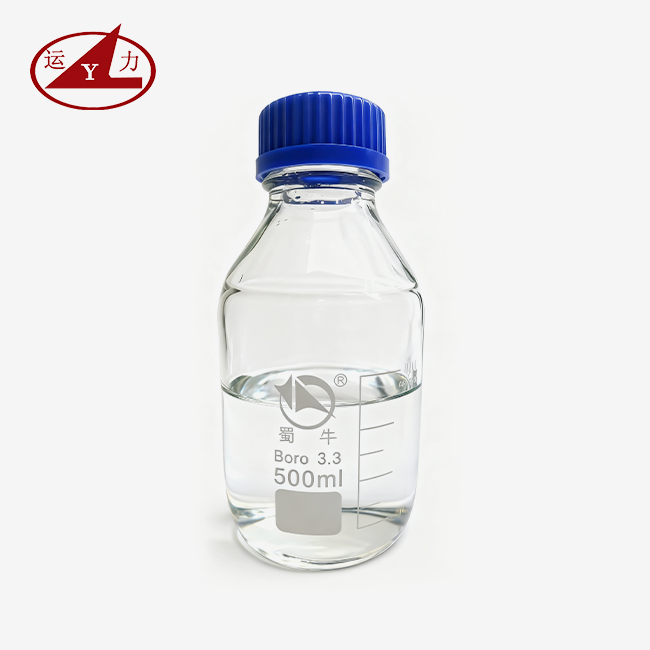

What Are Calcium Nitrate Solution Storage Requirements?
When managing bulk quantities of liquid calcium nitrate, storage conditions can make or break your investment. Calcium Nitrate Solution 45-50% liquid demands precise environmental controls and container compatibility to prevent crystallization, contamination, and safety hazards. At its core, successful storage hinges on maintaining temperatures between 5°C and 30°C, using corrosion-resistant vessels like HDPE or stainless steel 316, and segregating the solution from incompatible chemicals. Proper adherence to these requirements ensures stable calcium and nitrate availability, protects warehouse personnel, and maintains regulatory compliance for both agricultural fertilizer applications and industrial uses like concrete admixtures or wastewater treatment.

Understanding Calcium Nitrate Solution 45-50%
In many ways, calcium nitrate in liquid form (CAS# 13477-34-4, chemical formula Ca(NO3)2·4H2O) is better than calcium nitrate in solid form. You can get calcium ions and nitrate nitrogen from this water-based solution without having to break up the granules first, which takes time. At 20°C, the solution has a specific gravity of 1.40–1.50 g/cm³, 16–18% calcium oxide (CaO), and 8–9% nitrate nitrogen. The tetrahydrate crystals that are sensitive to water break down at 132°C, but the watery mixture stays solid at room temperature.
Why B2B Clients Prefer Liquid Formulations
Purchasing managers who make fertilizer that dissolves in water like that liquid nitrate solutions can be injected right into the plant. It is possible to exactly dose with automated fertigation systems that don't clog pumps or leave behind waste in mixing tanks that hasn't been broken down. Ready-to-use calcium nitrate uses 15-20% less energy than pure calcium nitrate that needs to be dissolved, and it doesn't require any work to mix in batches. Liquid calcium nitrate keeps calcium levels fixed during the growth cycle and stops blossom-end rot in peppers and tomatoes. Agricultural groups that use hydroponic systems really like how well this works.
Industrial Applications Beyond Agriculture
In cold weather, companies that make concrete additives use liquid calcium nitrate as a non-chloride set accelerator in building projects. The solution makes up for the delay caused by the plasticizer and speeds up the process of taking down the formwork, even when it's almost freezing outside. The solution is put into sewer networks by wastewater treatment plants to stop hydrogen sulfide (H₂S) from forming. Soapy sulfuric acid is gone, and structures made of concrete are safe from biogenic sulfuric acid damage. For all of these uses, there is one thing that they all need: safe ways to store chemicals even when demand changes with the seasons.
Core Storage Requirements of Calcium Nitrate Solution 45-50%
To keep the quality of the goods while they are being stored, you need to pay attention to four key things: the temperature, the material of the cases, the amount of air flow, and following all the rules. Calcium nitrate fluid can turn into crystals when the temperature drops below 5°C. A quantity of 45% to 50% is the exact range at which this can happen. Because calcium nitrate tetrahydrate has a saturation point, even a little cold can make salt form crystals. This makes it impossible to pump the solution and very hard to mix again.
Temperature and Environmental Controls
For safety reasons, places where Calcium Nitrate Solution 45-50% liquid is stored should keep the air temperature between 10°C and 25°C. Because tanks and lines are protected and temperature-traced, cold weather crystallization can't happen in the winter. There needs to be enough air flow to keep humidity from building up, which could lower the percentage of solutions near tank holes or make the product dirty through condensation. Climate-controlled buildings are the best places to store a lot of stuff. Outside tanks that are well insulated and have heating coils can be used instead, though, and cost less, in mild climates. Monitoring systems should let workers know when temperatures are getting close to lower limits. This way, they can move the solution around or heat it up before it crystallizes.
Material Compatibility and Container Selection
It's important to be careful about what you use since calcium nitrate can break down things. Materials like HDPE or types 304 and 316 stainless steel don't rust and keep the seal's shape for a long time. To make it hard to use mild steel and copper alloys in farming places that need heavy metal limits below 10–20 ppm, they rust quickly when they come into contact with the solution. Totes made of IBC (Intermediate Bulk Container) that can hold polluting liquids make it easy to move up to 1,000 liters of stuff. When the setup is bigger, special polyethylene or stainless steel storage tanks are used that have extra walls to catch any leaks. Seals should be made of EPDM or Viton so they don't break down when nitrate comes in contact with them.
Regulatory Standards and Safety Documentation
Material Safety Data Sheets (MSDS) say that biological substances and materials that are on fire should not be near calcium nitrate solutions because they are oxidizers. The U.S. Department of Transportation (DOT) says that the answer is in Hazard Class 5.1, which is for Oxidizing Substances. This means that the right signs must be on it while it's being moved, and information on what to do in an emergency must be posted where it's kept. In order to meet European REACH rules, safety data sheets must have information on how to control a spill and how much exposure is allowed. Facilities that keep more than the allowed amount need to have emergency plans that include ways to clean up spills using dilution methods. They should also make sure that workers have the right safety gear, like chemical-safe gloves and masks.
Common Storage Challenges and How to Overcome Them?
Even if the right tools are used, there are a number of issues that can lower the quality of calcium nitrate solutions. It is good for the product's worth and the safety of the workplace to know about these issues and take steps to avoid them.
Crystallization and Pumpability Issues
Winter is usually the worst time for storage. Calcium nitrate salt crystallizes when the temperature of the solution drops below the crystallization point. This point can be between 0°C and 12°C, depending on how much is in the solution. These solid crystals get stuck in pipes and transfer pumps. To mix a solution that has hardened again, it needs to be heated and stirred, which slows down production when farming needs to be done quickly. Putting in tank heating systems that keep temperatures 5–10°C above crystallization points, insulating pipe runs between storage and application points, and batch rotating older inventory first are all proactive ways to solve the problem. Others sell versions that have been carefully fixed so that they don't harden at slightly lower temperatures, but they might cost more.
Contamination and Quality Degradation
Calcium nitrate solutions can get messed up by chemicals that don't mix with them and by being open to air. For Calcium Nitrate Solution 45-50% liquid, calcium can become less available when it is close to ammonia molecules or sulfates, which can lead to unwanted precipitation processes. Algae grows in tanks that are left out in the sun for a long time. This adds organic matter to the solution, which can make it cloudy and stop fine-nozzle spray systems from working. To avoid cross-contamination, keep chemicals that don't mix at least 10 meters apart and use the right chemical division. Sunlight is kept out of the tanks by making them dark or UV-protected, and regular quality checks are done to make sure that the calcium content, nitrate levels, and heavy metal amounts stay within the acceptable ranges while they are being stored.

Handling Safety and Spill Response
When you handle calcium nitrate, you need to be very careful because it oxidizes. It can start fires when it dries and gathers on wood boards or other organic materials if the solution gets on them. If someone gets chemical burns or skin irritations from the liquid, they need to wash them off right away with water. To lower the risk of contamination, make sure that areas used for handling have floors that don't let liquid through. Also, teach workers how to transfer materials correctly by using closed-system pumps instead of open pouring. Finally, always have spill kits on hand with absorbent materials and neutralizing agents. Regularly checking transfer tubes and connections finds wear before they break, which stops leaks that are out of control.
Comparative Storage Insights: Liquid vs Solid Calcium Nitrate
As you choose whether to buy calcium nitrate in liquid or solid form, you should think about how much it will cost to store, how easy it is to handle, and the total cost of ownership. The amount of calcium and nitrogen in both types is the same, but they need to be handled in different ways because of how they are made.
It is easy for calcium nitrate tetrahydrate crystals to take in water from the air because they are very hygroscopic. They are hard to mix and flow because of this. To keep the goods' quality, they need to be kept in dry places where the relative humidity stays below 60%. The crystals need to be broken up before they can be used in fertigation systems. This takes time, mixed tanks, and tools for stirring. It is possible to keep more calcium nitrate in each cubic meter of warehouse space because of the benefits of storage density. This means that smaller warehouses are needed. To keep solids stable for more than two years, they need to be kept in a dry place. Since they are strong, they are a good choice for long-term strategic supplies.
Since liquid forms don't need to be broken down first, they can be put straight into concrete mixers or watering systems. Because it's easy to use, the work costs less and the equipment is simpler. This is especially helpful for companies that don't have a lot of experts on staff. In order to keep the liquid form from crystallizing, it needs to be kept at a certain temperature. The liquid form also takes up more space than the solid form per unit of calcium content. You can keep liquid solutions for more than a year in sealed containers if you follow the right steps and stir them every so often to keep them smooth. Liquids are better for high-throughput systems that value easy operation over storage density, even though they cost more per unit to ship.
It is cheaper to ship solids over long distances because there is less freight per kilogram of active ingredient. Delivery centers in the area can keep calcium nitrate in solid form and use local services that dissolve it to make it watery. When it comes to localized production and delivery, liquid solutions work best. This is especially true for sellers who are less than 300 kilometers away from end users and can still afford the shipping costs.
Guidelines for Long-Term Storage and Logistics
A lot of planning goes into running an industrial-scale storage business. They have to figure out how much room they need, how to keep track of their goods, and how to connect their supply lines. Companies that order a lot of water-soluble fertilizer have to deal with seasonal changes in demand and a lack of storage space.
Tank Farm Design and Batch Management
The tanks that are only used to store Calcium Nitrate Solution 45-50% liquid liquids should have a number of design features. Secondary containment berms around tanks hold 110% of the volume of the tank, which keeps the area clean when something terrible happens. These systems keep track of things in real time and set restart points to make sure there are always enough supplies, even when farming is busy. After being stored for the winter, things don't freeze because of temperature tracking and heating devices. It should be possible for the tank to hold enough food for one to three months. It will take less time to send tanks with more space, but it will cost more to build them. When you have several smaller tanks, you can handle different levels of concentration or keep making things while the bigger tanks are being cleaned.
This method of moving the solution in batches keeps it fresh. With first-in, first-out (FIFO) inventory management, items are not stored for long periods of time, which could change the concentration by evaporation or quality loss. The amounts of calcium, nitrates, pH, and impurities are kept in the right areas by taking samples on a regular basis. If you keep solutions for more than six months, you should look at them all over again before you use them in high-tech farming situations where exact amounts of nutrients affect crop yields.
Loading Protocols and Transportation Compliance
To keep the goods' quality and the workers' safety during bulk loading, there needs to be a set of rules that everyone follows. Tanks are checked to make sure they are clean and don't have any leftover materials that could make calcium nitrate treatments less effective before they are sent out. When you load through certain filling stations, cross-contamination from multi-use links can't happen. Flow meters record the exact amounts that are moved, which helps with keeping records and making sure that the right amount of money is paid. As soon as the cars leave with the solution, samples are taken to make sure they meet the concentration standards.
Transportation paperwork that meets DOT or international IMDG (International Maritime Dangerous Goods) codes must have Material Safety Data Sheets, information on how to handle an emergency, and signs that show how dangerous the goods are. Drivers need to be taught the right way to deal with oxidizers and clean up spills based on the level of risk. Checks are made to the tanks, valves, and emergency gear before every trip to make sure they are safe and easy to reach. When shipping to another country, the customs paperwork should make it clear how much of the solution is being sent, what it will be used for, and that it meets the country's requirements for gardening supplies.

Conclusion
Calcium Nitrate Solution 45-50% liquid performs consistently in wastewater, agriculture, and concrete, protecting your investment. Keeping chemicals separate, keeping temperatures between 5°C and 30°C under control, and using containers that won't rust are all important parts of good storage plans. When procurement teams know the differences between liquid and solid forms, they can pick formats that work with the infrastructure and meet operational needs. Following strict storage rules, such as designing tanks and rotating batches, following loading procedures, and following the law, lowers quality risks, makes the workplace safer, and keeps the supply chain reliable during seasonal demand cycles.
FAQ
Can liquid calcium nitrate be mixed with phosphate or sulfate fertilizers during storage?
Calcium phosphate or calcium sulfate is formed when calcium nitrate is mixed with phosphate or sulfate substances. These substances don't dissolve in water. Gypsum is the name for this. Because these precipitates get stuck in pipes, pumps, and irrigation outlets, they need to be fixed or cleaned, which can cost a lot of money. When you mix nutrients for your tank, you should always keep calcium nitrate separate and inject it through a different line. Do not mix the nutrients ahead of time. Instead, use systems that mix them as they are needed or sequential insertion ways.
What factors influence the crystallization temperature of 45-50% calcium nitrate solutions?
The concentration often ranges from 45 to 50%. The exact point at which crystals form relies on the concentration. Higher amounts form crystals when it's warmer. Crystals form at different temperatures depending on how pure the solution is. This is because even small amounts of impurities can make the temps a little higher or lower. Suppliers should give concentration-specific crystallization data so that the right storing temperatures can be planned. As a safety measure, two to three degrees Celsius should be added to the mentioned crystallization points. This accounts for changes in temperature inside storage tanks.
How does liquid calcium nitrate shelf life compare to solid forms?
You can keep liquid solutions fresh for 12 to 24 months in sealed, temperature-controlled areas if you store them the right way. Solid calcium nitrate tetrahydrate stays safe for more than two years in buildings that are dry and keep the temperature and humidity under control. It's important to keep both types away from high temperatures, but solids can handle a wider range of temperatures without changing. Since solids can be stored for longer, they are better for operations where demand changes often. On the other hand, liquids are better for operations where demand is clear and delivery plans are regular.
Partner with Yunli Chemical for Reliable Calcium Nitrate Solutions
Yunli Chemical makes Calcium Nitrate Solution 45-50% liquid and has been making nitrates for 20 years. They are also ISO 9001 certified. When the iron level is below 30ppm, the sodium level is below 50ppm, and the chloride level is below 50ppm, our mixes stay clean (≥99.5%). Their quality meets the high standards of companies that make fertilizer that dissolves in water and additives for concrete. We no longer have to worry about crystallization because we can better control the concentration.
We can send in IBC totes or bulk trucks, and all of our foreign shipments follow all ADR and IMDG rules. If you need materials for fertigation systems, to get rid of the smell of wastewater, or for cold-weather concrete uses, our expert team can change the pH and add trace elements that are just right for your process. Because we are a reputable company that sells calcium nitrate solutions in North America, Europe, and the Asia-Pacific region, you can email wangjuan202301@outlook.com to get free 25 kg samples with a certificate of analysis (COA) and to talk about bulk prices.
References
1. Smith, J. L., & Anderson, R. K. (2021). Industrial Storage Guidelines for Oxidizing Liquid Fertilizers. Chemical Safety Institute Press.
2. Martinez, P., & Chen, W. (2020). "Temperature-Dependent Crystallization Behavior of Calcium Nitrate Aqueous Solutions." Journal of Agricultural Chemistry, 68(4), 215-228.
3. European Chemicals Agency. (2022). REACH Compliance Manual for Nitrate Salt Solutions. Publications Office of the European Union.
4. Thompson, D. R. (2019). Material Compatibility Guide for Chemical Storage Systems. Industrial Engineering Publishers.
5. United States Department of Transportation. (2023). Hazardous Materials Regulations: Oxidizing Substances Classification and Handling. Federal Register Documentation.
6. Lee, S. H., & Kumar, V. (2020). "Comparative Analysis of Liquid versus Solid Calcium Nitrate in Fertigation Systems." International Journal of Horticultural Science, 15(2), 89-103.