


Recommended dosage of calcium nitrite for concrete
The recommended dosage of calcium nitrite for concrete typically ranges between 10 to 30 liters per cubic meter of concrete, or approximately 2% to 4% by weight of cement content, depending on chloride exposure severity. Calcium nitrite functions as an anodic corrosion inhibitor that passivates steel rebar by forming a protective ferric oxide layer. Accurate dosing is essential—overdosing can impact set times, while underdosing may fail to prevent chloride-induced corrosion in high-risk environments such as marine structures and bridges exposed to de-icing salts.


Understanding Calcium Nitrite and Its Role in Concrete
What Makes Calcium Nitrite Essential for Reinforced Concrete?
Chloride ions can always get into buildings made of concrete, especially ones near the water, in parking lots, and on roads that have had salts used to melt snow. Elements of chloride start to rust steel supports that are hidden in concrete when they reach them. In the end, this breaks the structure because the rust gets worse and starts to crack. This kind of cancer is often called "concrete cancer."
It is solved by Calcium Nitrite, which works in a complicated way. It changes ferrous ions (Fe²⁺) into ferric ions (Fe³⁺) when added to the concrete mix. This makes a thick, passive film of ferric oxide on the steel surface. This oxide layer makes a molecular screen that makes a lot less chloride needed for rust to start. Passivation acts at the molecule level to protect the concrete for as long as it lasts. This is different from surface layers, which wear off over time.
Performance Advantages Over Alternative Inhibitors
Researchers have found that Calcium Nitrite is better than sodium nitrite or lithium-based inhibitors in a number of ways. Since it doesn't change chemically in alkaline concrete, it will work well for many years. It is easy for the material to mix with Portland cement, and it doesn't have any bad affects. A study from the American Concrete Institute shows that buildings that are treated with Calcium Nitrite-based inhibitors stay strong for more than 50 years, even if they are always exposed to salt.
The fact that it helps the environment is another big plus. People aren't in much danger from Calcium Nitrite, and it doesn't break any strict environmental rules in the US or Europe. Since it is alkaline (pH 8.0–10.0), it doesn't mess up the natural chemistry of concrete like some other admixtures do when they break down in acidic conditions. Buildings and equipment need to get environmental approvals more and more. To help make sure that EPA and LEED rules are met, Calcium Nitrite is used.
Determining the Recommended Dosage of Calcium Nitrite for Concrete
Key Factors Influencing Dosage Selection
There are a lot of weather and mix design factors that go into picking the best dose. The most important thing to think about is how much salt you take in. Coastal marine buildings usually need higher dose rates, about 25 to 30 liters per cubic meter, because they are always in contact with water from the sea. For bridge decks, 15 to 20 liters per cubic meter is usually enough in cold places where salt is used a lot to melt ice. When light salt is present, 10 to 15 liters per cubic meter may be enough for parking spaces inside.
The mix of water and cement changes how the inhibitors are spread out and how well they work. Lower amounts (0.40-0.45) make the concrete thicker and less open, so a little less of the inhibitor is needed to keep the protection. When the ratio is between 0.5 and 0.55, bigger amounts are needed to make up for the fact that pores are closer together, which makes it easier for chloride to get in. We've found that the most cost-effective way to keep rust away is to make sure that the amount of inhibitor used is equal to the mass of the concrete.
The amount of the cement is used to measure the dose. Calcium Nitrite amount is usually set at 2 to 4 percent by weight of the cement in industry standards. You would need 8–16 kg of pure Calcium Nitrite, which is about 27–53 liters of 30% solution, for a mix that has 400 kg of cement per cubic meter. When extra materials like fly ash or slag are present, structure engineers need to look at how much cementitious materials are present generally and change the amount of inhibitors used to match.
Standard Dosage Ranges and Application Guidelines
Moderate Exposure Environments: Base doses of 10-15 liters per cubic meter (1.5–2% by cement weight) are good for internal slabs, foundations that don't come into touch with salt, and buildings that are constructed in warm places. This range shields well enough against chloride touch by chance and is still affordable.
Severe Exposure Environments: In areas with a lot of salt water, like parking spaces, bridge decks, and homes by the water, a medium dose of 15 to 25 liters per cubic meter (2 to 3.5% by cement weight) is needed. Over time, salt can get into infrastructure that is kept in the winter or is open to ocean spray. This level deals with these patterns.
Extreme Exposure Environments: The best way to protect coastal pilings, seawalls, and ocean platforms is to add 25 to 30 liters per cubic meter, which is 3.5 to 4% by weight of the cement. These buildings are always getting wet and dry, and they are right next to the ocean, which makes the salt build up faster.
A highway authority in the northeastern US kept track of how well 200 bridge deck installs with different amounts worked. Structures that were exposed to 20 liters of deicing salt per cubic meter for 15 years did not show any signs of rusting. But within 8 years, control parts that did not have inhibitors needed major fixes. The longer service life saved more than two million dollars in lifecycle costs for each building.
Calculating Mix Ratios for Your Project
They can use a simple method to find the right amount of cement: Required Volume (liters) = Cement Weight (kg) ÷ Dosage Percentage ÷ Solution Concentration. An area of 350 kg of cement is needed to make a solution that is 3% by weight of Calcium Nitrite. Take the weight and divide it by 0.03. Then add 0.30. This tells you 35 liters per meter³.
When you mix concrete the right way, the grid is filled with equal amounts of each ingredient. Mix some Calcium Nitrite into the batch water before you add the materials and cement. It's easier for the substance to be spread out evenly during the mixing stage because it dissolves fully in water. After mixing all the ingredients for the normal amount of time (90 to 120 seconds), keep mixing for another 30 seconds or so to get a smooth spread. If you add the inhibitor right to dry cement, the amount that ends up in different places might be different.

Comparing Calcium Nitrite Dosage With Other Corrosion Inhibitors
Dosage Efficiency and Performance Metrics
A lot of people use sodium nitrite as a replacement inhibitor, but you have to use a lot more of it to get the same result. Studies in the field show that sodium nitrite generally needs 30–50% more volume to match the rise in Calcium Nitrite's corrosion threshold. There is a difference in how well they work because Calcium Nitrite is better at keeping passivation layers in place when pH levels change.
You could also use organic amine-based inhibitors, but they are very different from the others. There are no inactive oxide layers made by these substances. Instead, they stick to steel surfaces and form short walls. When chloride targets them for a long time, they lose their power faster, so they need to be dosed 40–60% higher than Calcium Nitrite to have the same long-term effect. A study by the Transportation Research Board found that parts of concrete treated with amine needed to be treated again every 12 to 15 years, but parts treated with Calcium Nitrite stayed safe for 30 years or more without needing any extra care.
Safety and Environmental Considerations
There are a lot of different safety grades for corrosion agents. It's not very dangerous (DOT shipping rules call it "non-hazardous"), and there aren't many risks when you mix and place Calcium Nitrite. Normal personal safety gear is enough to get the job done. Not only is sodium nitrite chemically similar to ammonium nitrite, but it also combines more strongly with some organic molecules, so it needs to be treated with more care.
Studies of how materials affect the environment are more important when picking materials. Calcium Nitrite is naturally broken down in water and earth, so it doesn't leave any long-term effects. When it is made, it makes a lot less dangerous waste than synthetic organic inhibitors. CaCO3-based buildings are more likely to get green building certificates. This is something to keep in mind for public works projects that need to meet sustainability standards.
Cost-Effectiveness Analysis
Price of things is only one part of the economy of control as a whole. Calcium Nitrite may cost 10-15% more per unit than sodium nitrite at first, but because it works better, its costs per cubic meter are generally the same or less. When you look at the total cost, Calcium Nitrite is cheaper because it needs less maintenance, lasts longer, and doesn't need to be rebuilt.
We looked at how much Calcium Nitrite was used in city projects across the US and found that over 30 years, buildings that used the recommended amounts had 40% lower total lifecycle costs than parts that weren't treated. It's worth the extra money to protect against rust because it saves you money in the long run and makes the item last longer.
Best Practices for Storage, Handling, and Safety of Calcium Nitrite
Storage Conditions and Shelf Life
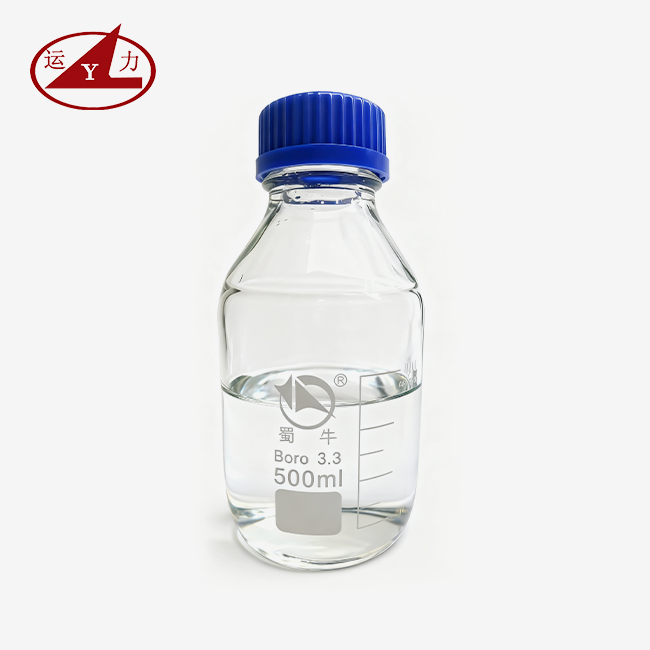
To keep a product working well, it needs to be kept in the right way. Between 5°C and 35°C, Calcium Nitrite solutions should be kept in containers with tight locks on the lids. Keep them out of direct sunlight and away from heat sources that are hotter than 40°C. These can speed up the breakdown process and lower the amount of inhibitors that are present. If you store the 30% solution in the right way, its chemicals will stay the same for 12 to 18 months.
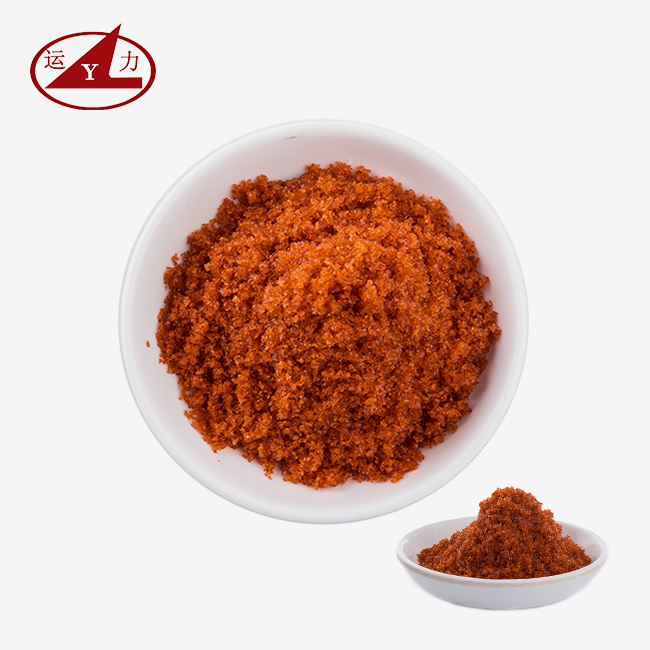
For dry Calcium Nitrite powder mixes, keeping the wetness under control is very important. Powdered goods should be kept in climate-controlled places where the humidity level stays below 60%. If you use a container, you should shut it right away so that water doesn't get inside and make it hard to handle or form. When things are put wrong, they break down, which makes rust protection less effective and changes the quality of the concrete.
Safety Data and Handling Procedures
The pH range for Calcium Nitrite solutions is between 8.0 and 10.0, which means that easy safety precautions need to be taken when working with them. Wear gloves and safety glasses that can handle chemicals when you move things or add things to concrete mixers. It's possible for your skin to get a little red after being touched for a long time. If you get it in your eyes, wash them out with water for 15 minutes right away. See a doctor if the redness doesn't go away.
If you drink the drug, it doesn't really hurt your lungs. Some jobs only need a small amount of air to work. People who use spray application methods should wear the right breathing gear to keep tiny mist particles from getting into their lungs. Making Safety Data Sheets easy to find on the job site and making sure workers are trained well before they start is important.
Logistics and Supply Chain Reliability
When you ship big things, the rules rely on how much and what kind of packing you use. Most of the time, 200-liter drums, 1000-liter intermediate bulk containers, or tanker trucks that are only used for big jobs are used to send Calcium Nitrite 30% solution. Pick the right packing for the job. If you want to build big building projects at a low cost, truck delivery is the best way to go. Drum amounts work best for precast operations and smaller pours.
It is not dangerous to drive in most places because of rules about transportation. It is easy to do business this way, and shipping costs go down. Make sure that the service providers you work with give you all the information you need, such as compliance certificates, test records for quality control, and COAs. Reliable providers keep a safety stock on hand so that projects don't get held up. They can also help with dose estimates and making mix designs better.

Optimizing Procurement: Guide to Buying Calcium Nitrite in Bulk
Evaluating Supplier Credentials and Product Quality
If you want to buy something, you should care more about how good the seller is and how consistent the product is than just how much it costs. Look for businesses that have been approved by ISO 9001 for quality management. When they make them, these strict rules make sure that every batch is the same. If you get ISO 14001 environmental approval, it means you are committed to following the rules and using eco-friendly production methods.
How pure a product is tells you right away how safe it is. The amount of chloride in good Calcium Nitrite solutions should be less than 0.05% and the amount of active ingredients should be within ±1% of what is stated. The regulator doesn't work when there is too much chloride pollution because it adds the ions that it's meant to stop. You should get Certificates of Analysis for each batch of product that show the SG, pH, amount of solid matter, and salt levels.
Premium suppliers offer expert support, setting them apart from basic providers. Manufacturers that offer application engineering can help you figure out the best amount for each job. This could lower the cost of the material while still meeting safety standards. When problems arise in the field or plans need to be changed because of unplanned site conditions, being able to quickly get in touch with technology experts is very helpful.
Certification Standards and Compliance Requirements
A standard called ASTM C1582: "Standard Specification for Admixtures to Inhibit Chloride-Induced Corrosion of Reinforcing Steel in Concrete" tells us how well corrosion inhibitors should do their job. To make sure the goods meet ASTM standards, make sure they've been checked by a third-party lab. In some places, you need extra permission. As an example, the California Department of Transportation keeps a list of things that have been cleared but need more testing.
Approvals from the environment are getting more and more important in the buying process. Product labels with Environmental Product Declarations (EPDs) or Health Product Declarations (HPDs) make it clear what chemicals are in the product and how it affects the environment. Getting these licenses is easy and shows that a business cares about the environment, which are both very important to the government when they buy things.
Strategic Sourcing and Value Optimization
Getting to know reliable companies is helpful for more than just finding the best price. When a supplier's minimum order amount is open, they can work with projects of all kinds without having to keep too much stock on hand. You can try a product for free and decide if you like it before you buy a lot of it. This is very helpful when switching sources or asking for new ways to make a product.
When you buy something from XiaXian Yunli Chemical, the seller knows how to make the process easy. It's been making things for over 20 years and brings in more than 1 billion yuan a year. This proves that it is financially sound and has the ability to make enough to keep supplies steady. They follow strict rules to protect the environment and make sure quality with their ISO 9001, ISO 14001, and OHSAS standards. The fact that the company is a Shanxi Provincial Enterprise Technology Center shows that it does advanced research and development (R&D) that helps with making unique formulas and fixing tech problems.
The factory-direct business plan of the company cuts out markups for wholesalers and keeps quality control in place from the time of production to the time of delivery. With ICP-MS and atomic absorption spectrometers in their high-tech lab, they make sure that every batch has an exact makeup check. This stops pollution ions from getting into the product and making it less resistant to rust. There is no minimum order size, and you can make your own concentration formulas. This makes it easy for groups of all kinds to get what they need. Their technology team is very helpful when we need to know about applications or are having trouble with mix design optimization.

Conclusion
It's very important to get the amount of Calcium Nitrite in concrete mix right, because it affects both how long the building lasts and how much it costs over its lifetime. The average range of 10 to 30 liters per cubic meter, which is based on how bad the exposure is, keeps things from rusting in a lot of different scenarios. Buyers shouldn't just look at unit prices; they should also look at suppliers' quality standards, the help they offer, and how reliable their supply lines are. If you keep, handle, and make the concrete the right way, the inhibitor will work as it should for as long as it is used. You can be sure that the corrosion-preventing products you choose will protect your infrastructure investments for many years if you buy them from a well-known company that provides complete paperwork and quick technical support.
FAQ
Q1: What is the ideal dosage of calcium nitrite for marine concrete applications?
A: Marine buildings need 25 to 30 liters of cement per cubic meter (3.5 to 4% by cement weight) because they are always in contact with saltwater and have high chloride levels. It takes a lot of this to build up enough passivation stores to keep things safe for a long time from harsh rusting conditions.
Q2: How does calcium nitrite compare to sodium nitrite in terms of safety?
A: Calcium Nitrite is a cleaner chemical than other chemicals because it has less danger, less reaction, and is easier to work with. Also, it doesn't hurt the environment much and works well in a wider range of temperatures. This makes it better for projects that care about worker safety and following the rules.
Q3: What storage precautions prevent calcium nitrite degradation?
A: Things that need to be kept should be kept in sealed cases out of direct sunlight and at temperatures between 5°C and 35°C. For products that are made of powder, keep the humidity below 60%. If you store 30% goods the right way, they will work for 12 to 18 months. They might lose focus and not protect against rust as well if they are kept wrong.
Partner With Yunli Chemical for Reliable Calcium Nitrite Supply
A well-known Calcium Nitrite source with a history of stability and a lot of technical knowledge is the best way to get Calcium Nitrite that you can count on. Since more than 20 years ago, Yunli Chemical has been making specialized goods. They are certified by ISO 9001, ISO 14001, and OHSAS to show that they follow strict rules for quality control and the environment. At the neighborhood level, our technology center makes formulas that are unique to each job. By keeping impurities in check, high-tech testing tools make sure that every batch meets strict standards for cleanliness.
We have prices that come straight from the plant, a range of packing options, and concentration solutions that are specific to your needs. There is no minimum order size, and samples up to 500 grams are free. This way, you can try the product before you buy a lot of it. On-time shipping and a stable supply chain keep projects moving forward. Our thorough paperwork, which includes MSDS, COA, and safety certificates, makes it easier to buy from us.
You can talk to our expert team about your specific rust protection needs, get full product specs, or set up a trial sample by emailing wangjuan202301@outlook.com. When you go to yunlichemical.com, you can see all of our chemical solutions and admixtures for concrete. These are meant to make structures last longer and cost less in the long run.

References
1. American Concrete Institute (2019). "Guide to Durable Concrete (ACI 201.2R-16)." ACI Committee 201, Farmington Hills, Michigan.
2. Berke, N.S., and Hicks, M.C. (2004). "Estimating the Life Cycle of Reinforced Concrete Decks and Marine Piles Using Laboratory Diffusion and Corrosion Data." ASTM International, West Conshohocken, Pennsylvania.
3. Transportation Research Board (2018). "Corrosion Inhibitors in Concrete: State-of-the-Art Report." NCHRP Synthesis 512, National Academy of Sciences, Washington, D.C.
4. American Society for Testing and Materials (2021). "Standard Specification for Admixtures to Inhibit Chloride-Induced Corrosion of Reinforcing Steel in Concrete (ASTM C1582-21)." ASTM International, West Conshohocken, Pennsylvania.
5. Presuel-Moreno, F., and Sagüés, A.A. (2009). "Corrosion Inhibitor Performance in Simulated Marine Concrete." Construction and Building Materials, Volume 23, Issue 6, pp. 2452-2461.
6. National Ready Mixed Concrete Association (2020). "Concrete in Practice: Corrosion of Embedded Materials (CIP 25)." NRMCA Publication, Silver Spring, Maryland.