


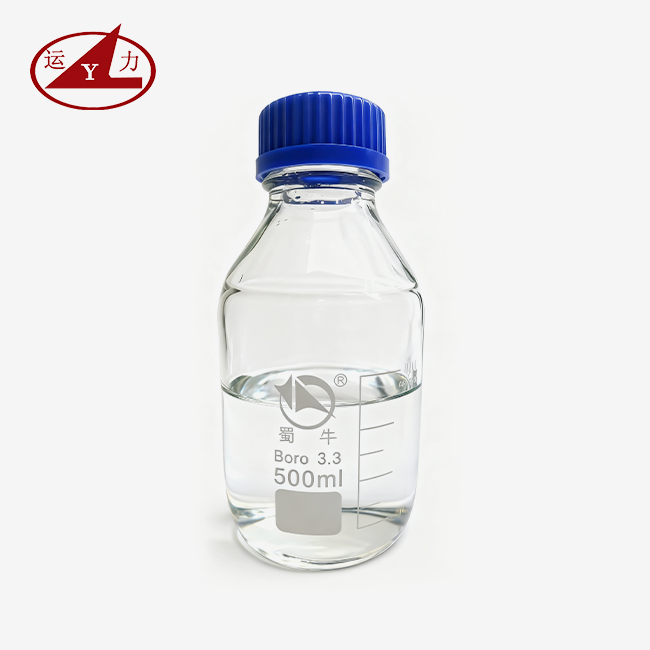
Where can I buy calcium nitrate solution for agricultural use?
When procurement teams search for high-quality fertilizer sources, the question of where to buy Calcium Nitrate Solution becomes urgent. The answer depends on verifying supplier credentials, understanding product specifications, and assessing logistics capabilities. Direct manufacturers with ISO certification and environmental compliance—like those offering factory-direct liquid formulations in concentrations of 45-50%—provide the most reliable combination of quality assurance, competitive pricing, and technical support. Whether you're a purchasing manager at a hydroponic greenhouse operation or a distributor serving multiple agricultural clients, choosing suppliers with established production histories and proven regulatory compliance minimizes supply chain risk while ensuring consistent crop nutrition delivery.
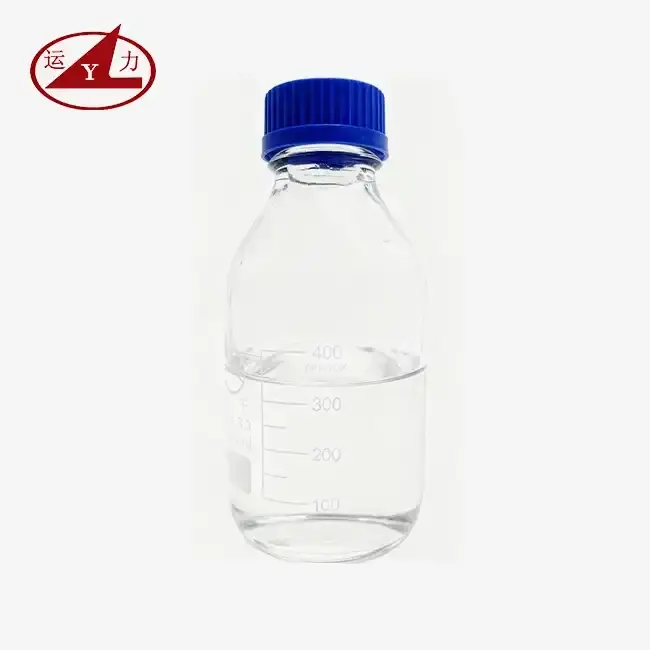
Understanding Calcium Nitrate Solution for Agricultural Use
Chemical Composition and Plant Nutrition Benefits
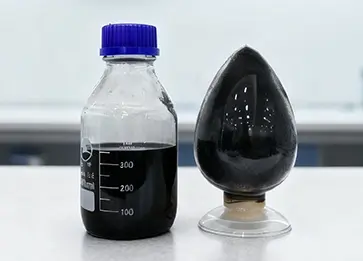
Calcium Nitrate Solution usually has 8.0 to 9.0% nitrate nitrogen and 16.0 to 18.0% calcium oxide equivalent dissolved in 45 to 50 percent water. This recipe is the best saturation point because it keeps the product stable without crystallizing too soon while it's being shipped. The nitrate form of nitrogen is better than ammoniacal sources because plants can take it directly without microbes changing it, which lets them respond quickly to feeding plans. Calcium is important for more than just nutrition; it helps keep cell walls and middle lamellae strong, which stops diseases like blossom-end rot in tomatoes and tip burn in cabbage. These nutrients work together to make stems stronger, fruits firmer, and plants less likely to get diseases.
Application Methods in Commercial Agriculture
There are three main ways that liquid Calcium Nitrate Solution is delivered on modern farms. Drip watering for fertilization lets you precisely dose based on how the plants take in nutrients, reducing waste while keeping the right levels of nutrients in the root zone. This method is most common for high-value crops like peppers and strawberries, where consistency has a direct effect on the selling yield. Foliar application fixes serious flaws that happen during fruit development. The low viscosity of the solution makes sure that fine-spray nozzles can cover the whole area evenly.
In hydroponics, where there is no soil, all minerals must be delivered through water because the liquids are mixed into fertilizer solutions that are circulated. For example, foliar sprays need pH stability to keep leaves from getting burned, while fertigation systems need water-insoluble matter levels below 0.01% to keep emitters from getting clogged.
Safety Considerations and Handling Protocols
Calcium Nitrate Solution needs to be handled in the right way, even though it is not as dangerous as strong acids or oxidizers. Because the product oxidizes, it needs to be kept away from materials that can catch fire while it is being stored and shipped. During shift activities, workers should wear the right safety gear, such as gloves that can handle chemicals and eye protection. Acidic chemicals are easier to clean up after a spill, but if you clean up quickly, crystals won't happen, which will make future cleaning harder.
To keep salt from falling, storage sites must keep the temperature above 10°C. This is especially important in northern areas during the winter. Enough air flow in mixing areas lowers the risk of breathing in harmful chemicals, even though the solution doesn't produce as much smoke as ammonia-based fertilizers. These practices are spelled out in great detail in MSDS documents from trustworthy suppliers. This makes sure that they are in line with OSHA safety rules for the workplace and state farming laws.
How to Choose the Right Calcium Nitrate Solution Supplier?
Quality Certifications and Manufacturing Standards
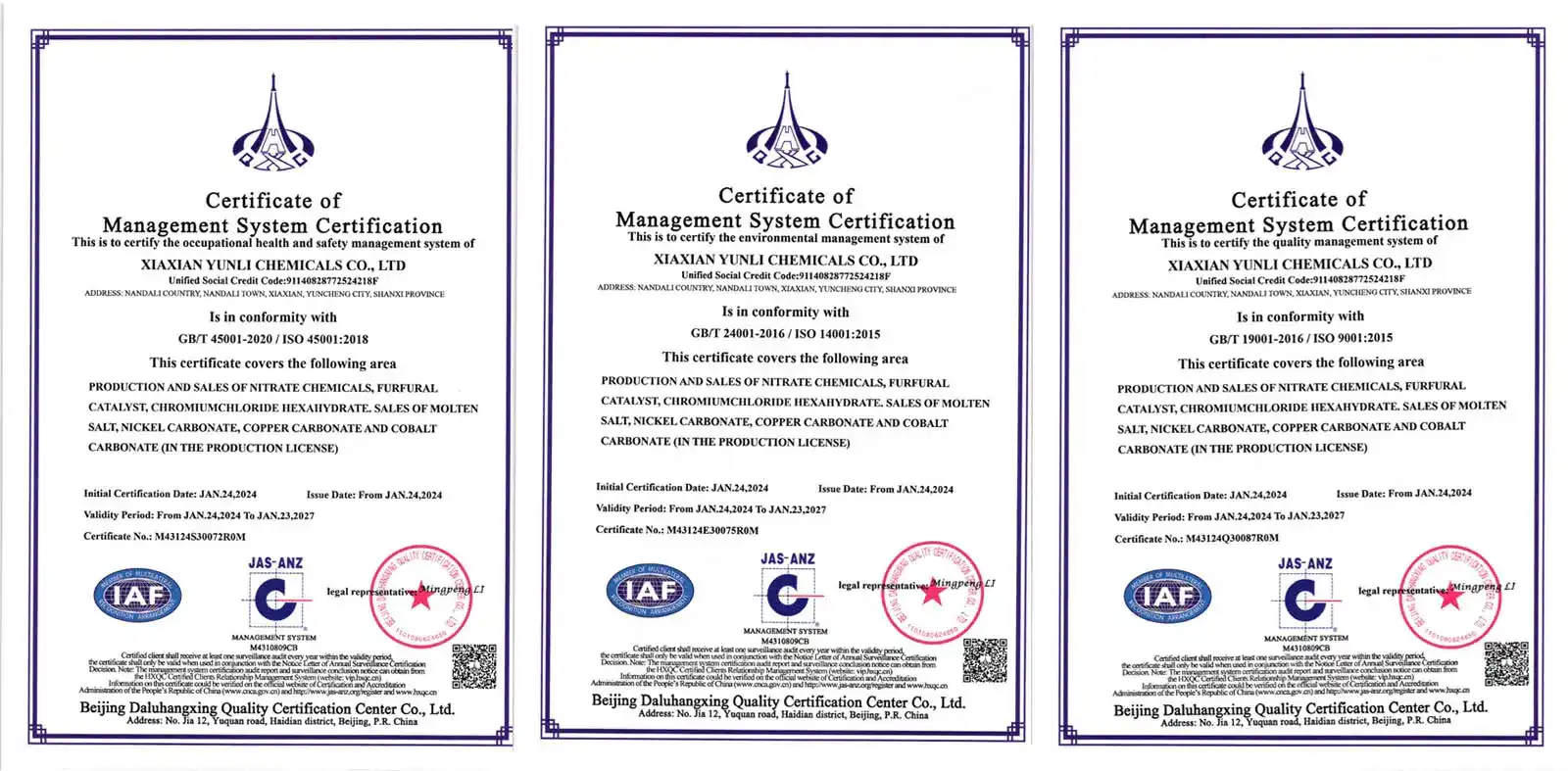
The most trustworthy providers have ISO 9001 certification, which shows that they have consistent quality control systems. This certification shows that there are written methods for testing raw materials, keeping an eye on the production process, and checking the final product. Environmental management approval under ISO 14001 shows that the company uses environmentally friendly production methods. This is especially important when looking at the nitrate processing that goes into making Calcium Nitrate Solution. Companies that have been in business for more than 20 years and have fixed assets worth more than 300 million renminbi have the financial steadiness and technical infrastructure to keep supplies going.
When a province names a technology center, it means that they are investing in research and development. This lets formulations be changed when normal goods don't meet the needs of a certain crop. Check to see if the sellers have analytical labs with ICP-MS and atomic absorption spectrometers. These tools give you the accuracy you need to keep heavy metal contaminants below 10 ppm, which is a very important level for food-grade agricultural uses.
Production Capacity and Supply Reliability
The annual sales number shows how big a seller is and how well the market accepts them. Manufacturers who make more than 1 billion yuan a year usually have more than one production line with backups in case one fails. This scale keeps prices stable even when the cost of raw materials changes, which is a big plus when making multi-year contracts for buying things. Check to see if the seller offers direct export services instead of trading through middlemen.
Factory-direct routes cut down on communication delays and get rid of markup layers. Being able to change the concentrations of solutions and the forms of their packages shows that production is flexible. Suppliers who offer free samples (up to 500 grams) and no minimum order amounts show that they are confident in their products and are willing to let customers try them out before committing to buying in bulk.
Technical Support and Documentation
Professional providers give full scientific information, like a Certificate of Analysis (COA) for each batch that lists the density, nitrogen content, calcium content, pH, and amounts of impurities. Material Safety Data Sheets (MSDS) that follow worldwide GHS norms make it easier for regulatory approval in countries that import. Access to agronomist advice helps find the best rates of treatment for different crops and stages of growth, in addition to reducing paperwork. Some companies have local technology centers with chemical engineers that can help with problems that happen when you mix Calcium Nitrate Solution with other fertilizers or crop protection products. This help is very helpful when switching from solid to liquid fertilization or when changing dosing plans to fit new crop types.

Comparing Calcium Nitrate Solution Options in the Market
Liquid Versus Solid Formulations
The 45–50% liquid content gets rid of the step of dissolving the grainy Calcium Nitrate Solution, which saves time and money on tools. When you mix solids by hand, you can't get as accurate results as you can with automated dosing pumps that work directly with fertigation controls. Liquid types also don't have the hygroscopic problems that granular ones do. Solid Calcium Nitrate Solution takes moisture from the air, which makes it harder to store and handle.
In terms of operations, liquids take up less stock room per nutrient unit than solids, which need to be packed in bulkier containers. On the other hand, the trade-off is higher shipping costs because water content makes things heavier. Businesses that are less than 500 miles from the factories often find that liquid forms are cheaper, while customers farther away may prefer concentrated powders even though they are harder to handle. The real cost comparison can be seen by adding up the total delivery cost per kilogram of actual nutrients.
Comparison with Alternative Calcium Sources
While calcium chloride has a higher calcium content, it also adds chloride ions to the soil, which can make sensitive plants like cabbage and strawberries sick. Gypsum, which is calcium sulfate, gives you calcium without the chloride problems, but it dissolves slowly, so it's not good for quickly fixing calcium deficiencies or hydroponic systems. Calcium Nitrate Solution is the only substance that combines instant nutrient access with helpful nitrogen. This means that when you take calcium supplements, you don't need to find separate nitrogen sources.
The nitrate form also makes calcium more mobile inside plants than other calcium salts, making it easier for calcium to get to the tips of fruit and leaves, which is where deficiency signs usually show up. When compared to calcium chelates, which are used in high-end hydroponic recipes, Calcium Nitrate Solution works just as well but costs a lot less. This makes it the best choice for large-scale business operations where cost is important.
Where and How to Buy Calcium Nitrate Solution Online and Offline?
Direct Manufacturer Channels
Building ties with certified makers is the best way to make sure of quality, get expert help, and get the best prices. Direct contact through business email (for example, wangjuan202301@outlook.com for well-known sources) skips the markups that distributors add on and lets you talk about customization. Factory trips, whether real or virtual, show how much is being made, how quality is controlled, and how environmental rules are followed.
These evaluations boost trust in a way that can't be done with catalog sales. It's easier to buy things from other countries when manufacturers have their own export offices that take care of paperwork like phytosanitary certificates, certificates of origin, and customs reports. When answering questions about quality or planning shipping times around planting windows, the lack of middlemen speeds up the response time for Calcium Nitrate Solution procurement.
Regional Distributors and Agricultural Cooperatives
Distributors play a big role in places where it's hard to buy goods directly or where the number of orders doesn't warrant sending full containers. Reliable wholesalers keep stock locally, which means you can buy less and get it faster than if you ordered from overseas. A lot of the time, they mix Calcium Nitrate Solution with other nutrients to make unique fertilizer plans. Make sure that the distributors you're dealing with only buy from approved makers and can show you the original COAs and MSDS.
Agricultural unions sometimes buy things in bulk on behalf of their member farms, which lets them get better prices while still sharing smaller amounts. This model works well in regions with concentrated specialty crop production. Check to see how detailed the distributors are; the best ones hire agronomists who know how to apply products to specific crops instead of just taking orders.
Online Industrial Platforms and Procurement Considerations
Digital platforms that connect buyers around the world with chemical sellers offer a wide range of options, but they need to be carefully checked out. Compared to open markets, platforms that host ISO-certified sellers with verified factories have a lower risk of fraud. Instead of depending on general descriptions, read the product's exact specs for Calcium Nitrate Solution. Density readings, nitrogen percentages, and heavy metal test results should be easy to find. Peer validation comes from reviews of suppliers based on how well they serve and the quality of their products.
Prior to reviewing prices, you should figure out the total landed costs, which include shipping, insurance, customs taxes, and foreign exchange. There are trade guarantee programs on some sites that keep payments safe until the shipment is confirmed. International orders usually come in 1000-liter IBC totes or bigger bulk packages, so make sure your building can handle the right size delivery vehicles and has the right tools for unloading.

Best Practices for Applying and Storing Calcium Nitrate Solution
Application Rates and Timing Strategies
During peak growth periods, vegetable crops usually need 50 to 150 liters of Calcium Nitrate Solution per hectare per week. This amount can change depending on the calcium levels in the soil and the calcium needs of the plants. Tomatoes and peppers need the most calcium when their fruits are setting and when they are growing. Rate changes are better based on weekly tissue analysis than on general advice, especially in hydroponic systems where accuracy is important.
It's better for constant nutrient access to split applications than to give one big amount all at once. Fertigation should happen in the morning, when plants are most likely to be able to absorb nutrients. In the field, don't apply anything right before it rains, because leaching wastes the product and could affect groundwater. In greenhouses, Calcium Nitrate Solution feeds should be added to the watering plan every day at lower concentrations instead of once a week at high concentrations.
Storage Requirements and Stability Management
Keep storage temperatures between 10°C and 25°C to stop crystallization and avoid too much heat, which speeds up the breakdown of containers. Metal drums can be slowly etched by Calcium Nitrate Solution, but high-density polyethylene (HDPE) containers don't rust as easily. Instead of putting containers directly on concrete floors, store them on boxes to make it easier to check for leaks and keep the temperature stable. Following the first-in, first-out rule for inventory movement keeps things from being stored for too long, which could lead to condensation.
If conditions are right, the solution stays fixed for months, but yearly turnover makes sure it works at its best. As required by oxidizer safety rules, keep the storage of Calcium Nitrate Solution separate from biological materials, fuels, and reducing agents. In enclosed storage places, ventilation devices should change the air at least six times an hour. Put up clear signs with warning marks, but Calcium Nitrate Solution is one of the less dangerous agricultural chemicals that should be stored by a professional.
Integration with Systems for Fertigation
Modern drip irrigation controls let Calcium Nitrate Solution be injected automatically in a way that is equal to the flow of water. This keeps concentrations constant no matter how long the irrigation lasts. Check that the Calcium Nitrate Solution and other fertilizers don't react chemically with each other before injecting them all at the same time. Mixing calcium sources with phosphate or sulfate fertilizers leads to precipitation that blocks emitters. This problem is avoided by injecting sequentially through different ports.
After using Calcium Nitrate Solution, flush the watering lines with clear water to keep salt from building up in the emitters and side lines. Keep an eye on syringe pumps for worn seals, because Calcium Nitrate Solution is slightly corrosive and breaks down normal pump parts over time. When you replace parts, get seals that can handle chemicals and are rated for agriculture fertilizers. Checking the system pressure on a regular basis can find clogs before they get too big, which stops the uneven spread of nutrients that causes crop variability.
Conclusion
To find a good Calcium Nitrate Solution option, you have to balance technical requirements with the dependability of the seller and the efficiency of the logistics. The best value for procurement teams running commercial farming operations comes from direct relationships with ISO-certified makers who offer proven production scale, thorough quality paperwork, and open customization. The benefits of the liquid formulation in automatic fertigation systems and the fact that nutrients are available right away make it worth carefully choosing a provider, even though it costs more to do the initial research. Whether your business grows veggies in a greenhouse, in the field, or using hydroponics, working with well-known producers will guarantee consistent product quality, which will directly affect crop performance and operating predictability.
FAQ
Q1: What concentration of calcium nitrate solution works best for hydroponic lettuce production?
A: When there are 150 to 200 parts per million (ppm) of Calcium Nitrate Solution in the flowing nutrient solution, hydroponic cabbage grows very well. Depending on the quantity you want, the 45–50% stock solution needs to be diluted at a ratio of about 1:250 to 1:180. Keep an eye on the EC levels to make sure there isn't too much overall salt content and that there is enough calcium supply. When the head forms and calcium demand is highest, raise the amounts.
Q2: Can calcium nitrate solution ship safely during winter months?
A: To keep things from freezing during shipping in the winter, the temperature must be controlled or the packages must be protected. If you keep Calcium Nitrate Solution below 10°C, they could get snow, which can block pumps and emitters. Reliable providers schedule packages for times when the weather isn't too bad or offer heating options for deliveries to cold areas. Before you accept winter packages, make sure your storage building can keep the temperature at a minimum.
Q3: How does calcium nitrate compare to ammonium nitrate for nitrogen delivery?
A: The nitrate-nitrogen form of Calcium Nitrate Solution doesn't make the soil acidic like ammonium-based fertilizers do, so it's better for crops that don't like when the pH changes. The extra calcium helps the structure in ways that ammonium nitrate can't. Even though ammonium sources are cheaper per nitrogen unit, Calcium Nitrate Solution is usually a better deal when you need to add extra calcium to your diet.

Partner with a Trusted Calcium Nitrate Solution Manufacturer
Yunli Chemical is ready to help you buy farm fertilizer. They have been making high-quality products for over twenty years and have ISO-certified quality systems. To protect your fertigation infrastructure, our 45–50% liquid Calcium Nitrate Solution meets strict quality standards. Its heavy metal content is kept below industry standards, and water-insoluble matter is kept below 0.01%. When normal goods don't exactly meet the needs of your crop, the provincial technology center can make changes to the formulation.
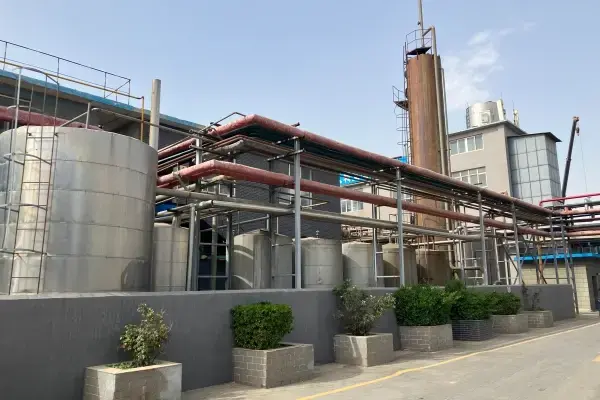
With fixed assets worth RMB 300 million and yearly sales over RMB 1 billion, we can keep the supply going even when the market is down. With factory-direct prices, there are no markups for distributors, and our own export department takes care of all the paperwork for foreign orders. You can test products for free (up to 500 grams), and there are different packaging choices to fit any size business. You can email us at wangjuan202301@outlook.com to talk about your unique Calcium Nitrate Solution needs with technical experts who know what industrial agriculture needs.
References
1. Adams, P. (2002). Nutritional Control in Hydroponics. In Hydroponic Production of Vegetables and Ornamentals. Timber Press.
2. Marschner, H. (2012). Mineral Nutrition of Higher Plants (3rd ed.). Academic Press.
3. Peet, M. M. (2009). Calcium Disorders in Greenhouse Crops. North Carolina State University Extension Publication AG-560.
4. Sonneveld, C., & Voogt, W. (2009). Plant Nutrition of Greenhouse Crops. Springer Science.
5. Hochmuth, G. (2011). Fertilizer Management for Greenhouse Vegetables. University of Florida IFAS Extension HS796.
6. Resh, H. M. (2013). Hydroponic Food Production: A Definitive Guidebook for the Advanced Home Gardener and Commercial Hydroponic Grower (7th ed.). CRC Press.