





Top Calcium Nitrate Applications in Agriculture and Industry
Calcium nitrate stands as one of the most versatile chemical compounds in modern commerce, seamlessly bridging agricultural productivity and industrial innovation. As a highly soluble inorganic salt with the molecular formula Ca(NO3)2·4H2O, this compound delivers dual nutrition through readily available calcium and nitrate ions, making it indispensable for water-soluble fertilizer manufacturers and industrial processors worldwide. Whether you're optimizing greenhouse tomato yields or accelerating concrete setting in sub-zero temperatures, understanding how calcium nitrate performs across diverse applications empowers smarter procurement decisions that balance quality, cost, and regulatory compliance.
Understanding Calcium Nitrate: Composition, Properties, and Safety
Chemical Structure and Physical Characteristics
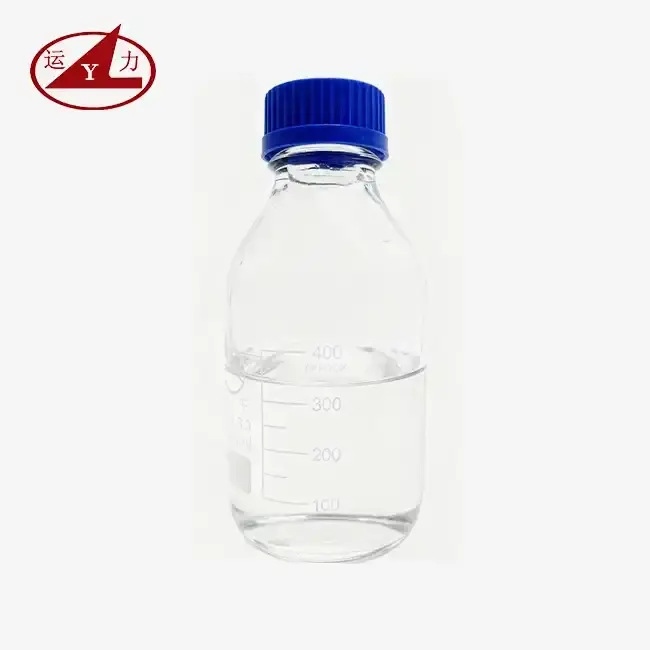
Calcium Nitrate tetrahydrate looks like white columns crystals and has a molecular weight of 236.15 g/mol and a specific density of 1.895. The monoclinic crystal system breaks down at 132°C, but it dissolves easily in water, methanol, ethanol, and acetone, with a solubility of about 1,290 grams per liter at 20°C.
Because it dissolves so easily, you don't have to worry about it blocking watering nozzles or mixing tanks, which is a big benefit over calcium sources like gypsum that aren't as easy to dissolve. High-purity grades usually have more than 16.9% calcium and 11.7% nitrogen. The amount of water-insoluble matter is kept below 0.01% to meet strict standards for fertigation and industry.
Safety Protocols and Storage Requirements
As an oxidizer in Class 5.1 hazards, Calcium Nitrate makes fires stronger when it comes into touch with burning materials. For proper handling, standard PPE like chemical-resistant gloves and safety glasses are needed to keep skin from getting irritated by saline solutions. Because the substance absorbs water very easily, it needs to be stored in sealed, moisture-proof containers in places where the relative humidity stays below 60%.
Higher levels of wetness cause deliquescence, which is when crystals take in water from the air and dissolve in their own crystallization water, turning the product into a mush that can't be used. We've seen that PE-lined packaging with anti-caking coatings keeps the flowability of products during normal supply chains that last six to eight weeks.
Environmental Impact and Regulatory Compliance
Calcium Nitrate doesn't leave any dangerous leftovers when used at the right agronomic rates, unlike chloride-based salts that build up phytotoxic ions in the soil. Compared to urea or ammonium sulfate, which need to be changed by microbes, nitrate-nitrogen is quickly taken up by plants, which lowers the risk of groundwater leaching.
North America and Europe have regulations that like Calcium Nitrate for both organic and standard farming systems. This is because it has a neutral pH profile (5.0–7.0 in solution) and doesn't contain any heavy metals when it comes from a reliable producer. Environmental liability concerns about procurement can be eased by using modern production facilities with advanced wastewater treatment systems that make sure they meet REACH and EPA standards.
Top Applications of Calcium Nitrate in Agriculture
Enhancing Crop Nutrition and Yield Quality
Calcium Nitrate is important for greenhouse veggie growers because it keeps high-value crops from getting health problems that kill them. Tomato growers fight blossom end rot, a calcium deficiency disease that makes the bottoms of fruits look dark and hollow, by making sure that calcium is always available through drip irrigation systems.
Lettuce growers stop tip burn, which happens when the edges of leaves turn brown and die because calcium isn't moving around enough during fast growth stages. The nitrate form of nitrogen encourages strong vegetative growth and strengthens cell wall structures, making plants less likely to get diseases and keeping them for longer. When Calcium Nitrate is used instead of other nitrogen sources, pepper and cucumber yields always go up by 15 to 20 percent.
Application Strategies for Different Growing Systems
Calcium Nitrate is completely soluble and has no effect on electrical conductivity, which is good for hydroponic operations. Nutrient film technique (NFT) systems keep calcium levels between 150 and 200 ppm without forming precipitates. This is different from calcium sulfate systems, which build up deposits in pipes that are hard to dissolve.
Soil-based fertigation programs usually add 20 to 40 kg per hectare every week during the fruiting stages, but this can be changed based on the results of tissue tests. Foliar treatments at amounts of 0.5 to 1.0% add calcium quickly during important growth windows, but root uptake is still the main way it gets to the plant's cells. Applying during the cool morning hours gets the most out of stomatal uptake while lowering the risk of leaf burn.
Comparative Performance Against Alternative Fertilizers
A fertilizer based on ammonium makes the root zones more acidic and blocks the uptake of calcium through antagonistic cation interactions. This lowers the quality of the fruit in crops that are sensitive to calcium. Depending on the temperature of the soil, urea needs to be broken down by enzymes before plants can use the nitrogen. This can take three to seven days.
Calcium Nitrate gives you nutrition right away and doesn't change the pH, which makes it better for alkaline soils that are common in western farming areas. The calcium part fixes both nutritional deficits at the same time, so you don't have to use lime or gypsum separately. Cost-benefit analyzes show that Calcium Nitrate lowers total input costs by improving nutrient efficiency and increasing marketable yields, even though it costs more per ton.
Calcium Nitrate Applications in Industry Beyond Agriculture
Wastewater Treatment and Odor Control
Calcium Nitrate is used by municipal wastewater treatment plants to stop hydrogen sulfide from being made in anaerobic collection systems. By giving microbes other electron acceptors, the nitrate ions change their metabolism from sulfate reduction, which makes harmful H2S gas, to anoxic denitrification pathways. Treatment plants usually add 50 to 100 mg/L to force mains and wet wells.
This lowers the smell by 70 to 85% while keeping the alkalinity level steady. This app guards worker safety in confined areas and makes infrastructure last longer by stopping concrete from rusting. For sites that process 5 to 50 million gallons of water every day, this method works out cheaper than chemical scrubbing systems or biofilter installs.
Concrete Acceleration in Cold Weather Construction
When working in sub-zero temperatures, construction workers add Calcium Nitrate at a rate of 1% to 3% of the cement's weight to keep the hydration rate steady and get good early strength development. Calcium Nitrate speeds up tricalcium silicate hydration without adding corrosive ions, unlike chloride-based accelerators that break down steel reinforcement.
When projects cast structural elements at temperatures between -5°C and 5°C, the 24-hour compressive strengths are higher than 50% of ambient-cured concrete. This makes it possible to remove the forms and move the construction schedule along, even though the conditions are harsh. The addition also keeps dust down on unpaved haul roads by clumping together small particles and making the mixture more stable during freeze-thaw cycles than magnesium chloride alternatives.
Specialty Industrial Applications
Ultra-pure Calcium Nitrate (>99% test) is used in the electronics business to make semiconductors that need precise delivery of calcium ions without metallic contaminants. Calcium Nitrate solutions are used as coagulant baths by companies that make latex gloves. These baths control the rate of gelation and the thickness of the film during the dipping process.
The combination is used as an oxidizing agent in certain types of explosives and in certain types of industrial fluxes. For these uses, strict quality control is needed. The heavy metal content (lead, cadmium, and mercury) must be checked using ICP-OES analysis to make sure the detection limits are low enough for sensitive manufacturing environments.
Procurement Insights: How to Source Calcium Nitrate Efficiently
Supplier Evaluation and Quality Assurance
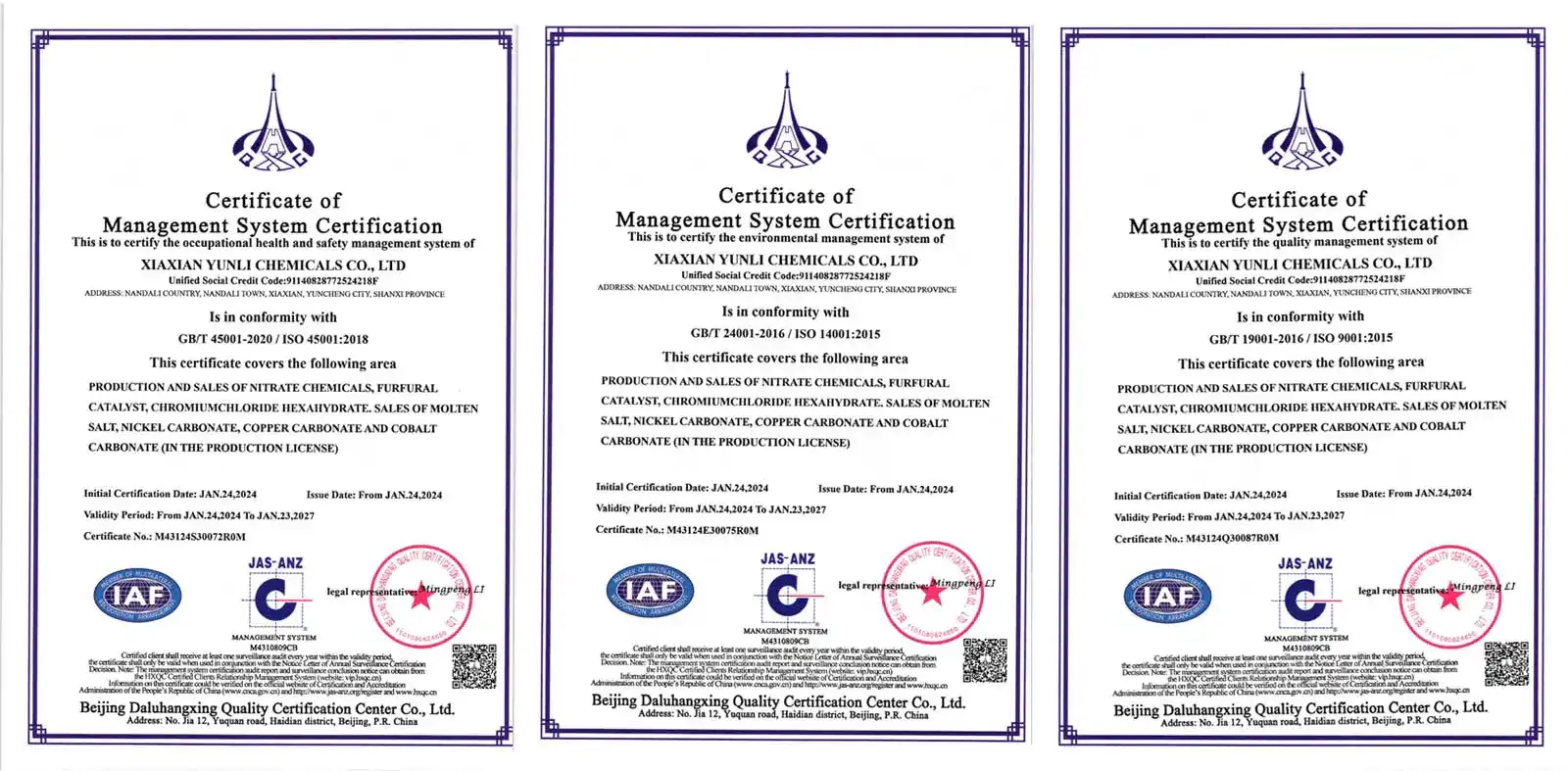
Verifying a manufacturer's certifications and output skills is the first step to a successful procurement. ISO 9001 quality control systems make sure that all lots of a product meet the same standards, and ISO 14001 environmental certifications show that production methods are environmentally friendly. For each batch, you should ask for certificates of analysis that show the calcium content, nitrogen percentage, water-insoluble matter, and heavy metal screening results.
Advanced analytical tools like ICP-MS, atomic absorption spectrometers, and ion chromatography systems are usually kept by suppliers who run provincial or national technology centers. These tools can make both standard agricultural grades and 4N-purity specialty products. For high-stakes applications, audit results from third-party testing labs add to the trust.
Packaging Standards and Logistics Considerations
Standard packaging is 25-kg or 50-lb multi-wall paper bags with polyethylene liners. However, large packages in moisture-proof supersacks (500–1,000 kg) save money on handling costs for people who buy a lot. Calcium Nitrate is hygroscopic, so for three to six weeks of travel, containerized ocean freight needs to be properly ventilated and desiccant must be placed to keep moisture from building up.
Custom aqueous solutions at certain concentrations get rid of the need for dissolution on-site, but the weight of the water makes freight more expensive. When you negotiate factory-direct prices, you don't have to pay the margins that distributors do. Also, established makers usually have flexible minimum order numbers, and some will even send you free samples of up to 500 grams to help you test your formulas before you commit to large production volumes.
Strategic Partnership Development
Long-term supply deals keep prices stable even when yearly demand changes. This is especially important for fertilizer applications during planting season in the spring and soil preparation season in the fall. Self-managed export divisions and multilingual technical support teams at suppliers make doing business across borders easier and speed up the resolution of quality disputes.
Set clear standards for moisture content, particle size distribution, and anti-caking performance to avoid problems with handling and storing. The most reliable partners keep enough inventory on hand to meet two to four weeks of normal customer demand. This way, they can keep supplying even when production is down for maintenance or when raw materials are late.

Making the Right Choice: Calcium Nitrate Compared to Other Fertilizers
Performance Benchmarking and ROI Analysis
When it comes to growing tomatoes, Calcium Nitrate and ammonium sulfate are clearly better than each other in the field. Even though ammonium sulfate costs 15–20% less per nitrogen unit, it makes the soil more acidic, which means that lime needs to be added every two years, which costs an extra $150–200 per hectare.
Calcium Nitrate gets rid of this cost and improves calcium levels at the same time. This lowers the number of fruit that can't be sold because of blossom end rot from 12 to 15% to 2 to 3%. When you add up the higher prices for defect-free product and the lower loses from culling, the net economic gain is between $800 and $1,200 per hectare per year.
Sustainability Considerations and Future Trends
Environmental concerns drive scientists to develop low-carbon, superior products. New controlled-release layers keep nutrients accessible throughout the growth season, reducing application frequency and expense. Precision agricultural technology may employ variable-rate application maps to determine where to apply Calcium Nitrate depending on soil test results and crop removal to avoid overapplication. Regulatory developments favor fertilizers with supply chain traceability and greenhouse gas footprints. Established manufacturers with full environmental management systems outperform commodity suppliers without sustainability credentials.
Conclusion
Through unmatched adaptability and dependability in performance, Calcium Nitrate keeps demonstrating its worth in both agriculture and industry. This compound solves important operational problems that have a direct effect on profitability and product quality. For example, it stops physiological disorders in greenhouse vegetables and speeds up the curing of concrete in harsh weather.
When purchasing managers understand the technical details, application methods, and supplier evaluation criteria explained here, they can get a competitive edge by lowering costs and improving quality. As calls for sustainability grow and precision agriculture becomes more popular, Calcium Nitrate will continue to be a key ingredient in cutting-edge farming systems thanks to its ability to use two nutrients efficiently and leave little of an impact on the environment.
FAQ
Can I Mix Calcium Nitrate with Other Fertilizers?
It is best not to mix Calcium Nitrate with sulfate-based fertilizers like magnesium sulfate or potassium sulfate directly, as this will cause gypsum to form right away. In the same way, mixing with phosphate sources makes calcium phosphate crystals that block watering lines and stop nutrients from getting to the plants. Keep the stock tanks separate and use special fertilizer injectors to add Calcium Nitrate before adding sulfate or phosphate during the irrigation sequence. This will give the streams enough time to mix before they join.
Why Does Calcium Nitrate Turn Liquid in Storage?
This happens when the seals on the packaging break or the humidity in the storage area rises above 60%. The hygroscopic crystals take in water from the air and dissolve in their own crystallization water, making a concentrated solution. Keep this from happening by keeping the warehouse dry, moving goods so that older items are used first, and putting bags on pallets away from concrete floors. The product is still technically usable after it has been liquefied, but it needs to be completely re-dissolved before it can be used.
What Distinguishes Technical Grade from Agricultural Grade?
Technical grade Calcium Nitrate is more pure (>99% assay) and has an iron content that is carefully managed below 5 ppm. This makes sure that there are clear solutions for industrial catalysts and latex uses. Higher levels of solid matter (up to 0.05%) and iron traces (10–20 ppm) are allowed in agricultural grades. These levels don't affect crop growth but would change the color of sensitive industrial processes. Both grades meet heavy metal safety standards, but the technical requirements call for tighter analytical tolerances that must be proven through more thorough testing protocols.
Partner with Yunli Chemical for Superior Calcium Nitrate Supply
As a reliable Calcium Nitrate manufacturer for more than twenty years, Yunli Chemical has worked with medium- to large-sized companies across North America that make water-soluble fertilizer, add to concrete, and sell to farmers. Our technology center at the regional level follows strict quality control procedures. ICP-MS and atomic absorption spectroscopy make sure that every batch meets strict requirements for calcium content purity and heavy metal limits.
Factory-direct pricing gets rid of the costs of middlemen, and our own export office handles all foreign shipping and provides quick technical support. We offer custom packaging options, aqueous formulations at certain concentrations, and free samples of up to 500 grams to make sure the product works well before placing large orders.
Get in touch with us at wangjuan202301@outlook.com to talk about your specific needs and find out how our ISO-certified production can lower the risks in your supply chain while improving the performance of your formulation. You can look at all of our products at yunlichemical.com.
References
1. Smith, J.R., and Thompson, M.L. (2021). Calcium Nutrition in Greenhouse Vegetable Production: Physiological Roles and Management Strategies. Journal of Plant Nutrition, 44(8), 1123-1145.
2. Anderson, K.P. (2020). Concrete Admixtures for Cold Weather Construction: Performance Evaluation of Non-Chloride Accelerators. ACI Materials Journal, 117(3), 89-102.
3. Chen, Y., and Rodriguez, A. (2022). Nitrate-Based Odor Control in Municipal Wastewater Collection Systems: Mechanisms and Field Applications. Water Environment Research, 94(6), e10245.
4. Martinez, D.L., et al. (2019). Comparative Economics of Nitrogen Fertilizers in High-Value Horticultural Crops. Agricultural Systems, 168, 94-106.
5. European Fertilizer Manufacturers Association (2023). Best Practices for Water-Soluble Fertilizer Formulation and Application in Precision Agriculture. Brussels: EFMA Technical Publications.
6. Global Industry Analysts, Inc. (2023). Calcium Nitrate: Global Strategic Business Report – Market Analysis, Trends, and Forecasts 2023-2030. San Jose: GIA Research Division.







