


What Are Aluminium Nitrate Solution Liquid Applications?
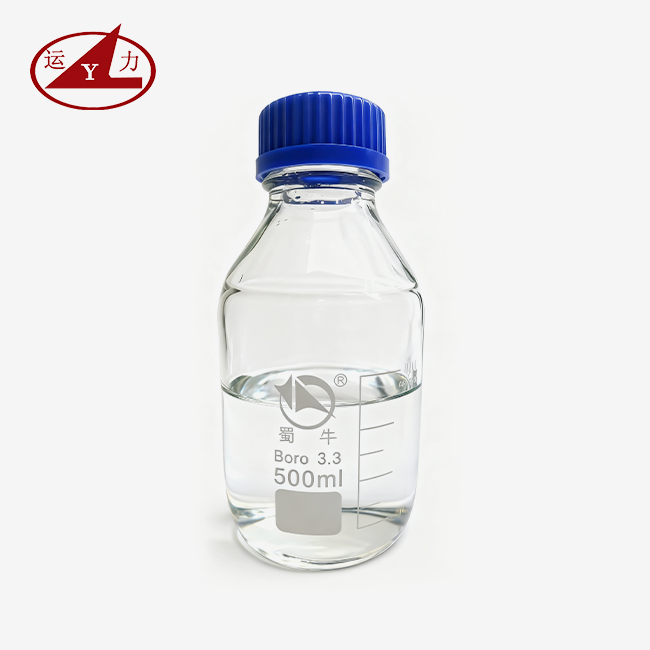
Aluminium Nitrate Solution Liquid is a specialized aqueous formulation of aluminium nitrate (CAS# 7784-27-2), widely valued across catalyst manufacturing, water treatment, and specialty chemical synthesis. Unlike traditional solid forms, this ready-to-use liquid eliminates dissolution steps, reducing operational costs and enhancing process efficiency for manufacturers requiring direct-feed capabilities.
Industries from petrochemicals to textiles increasingly adopt liquid formulations to streamline production workflows, improve safety profiles by minimizing dust exposure, and achieve precise dosing in automated systems. Its oxidizing properties and soluble aluminium content make it indispensable for applications demanding consistent quality and rapid integration into continuous production lines.

Understanding Aluminium Nitrate Solution Liquid
The nonahydrate form of aluminum nitrate (Al(NO3)3·9H2O) dissolves in water to make the liquid form. This form has a molecular weight of 375.13. This odorless, water-loving compound melts at 73.9°C and breaks down at 150°C. At 25°C, it dissolves very well in water, 64 grams per 100 milliliters. Once the solution is mixed, it turns clear to slightly yellow and stays acidic because of hydrolysis. At room temperature, the specific gravity of industrial-grade liquids is usually between 1.35 and 1.45 g/cm³ and the concentration is usually between 50 and 60%.
Key Physical and Chemical Characteristics
Because the solution is hygroscopic, it needs to be stored in a sealed container to keep it from absorbing water and changing concentration. Because it oxidizes, it needs to be handled carefully around organic compounds so that exothermic reactions don't happen. Premium formulas keep the iron level below 30 parts per million, which is much lower than the national limit of 100 parts per million.
This makes sure that they can be used with sensitive catalyst applications. This ultra-low impurity profile solves quality problems in the production of electronic materials and optical glass, where small contaminants hurt the performance of the final product.
Storage and Stability Parameters
Keeping an eye on the temperature is important for keeping the liquid stable. Solutions above 15°C stay liquid, but when it's cold, they can crystallize, which makes redissolution harder if you don't have equipment to stir them. Acidic oxidizers can cause storage containers to rust. Tanks made of stainless steel (316L grade), PVC, or glass liner keep contaminants out and keep structures from breaking. To keep pH levels from crystallizing over long periods of time, manufacturers say to keep them between 1.5 and 4.0.
Safety and Handling Protocols
Material Safety Data Sheets say that aluminum nitrate solutions are oxidizers that need to be transported with hazardous material certifications. The solution hurts skin when it comes in touch with it, so safety gear must be worn when handling it. As part of emergency plans, any possible spills are neutralized with sodium bicarbonate solutions, which are then diluted and thrown away in a way that follows environmental laws. Facilities must have good ventilation systems in place to handle nitrogen oxide vapors when things are heating up or breaking down.

Core Industrial and Laboratory Applications of Aluminium Nitrate Solution
Liquid aluminum nitrate is useful in many different industries because it has specific chemical qualities that help make things better. Understanding these applications helps procurement managers find the best ways to use them to meet operational needs and cut costs.
Catalyst Manufacturing and Direct Feedstock Integration
To make catalysts is the main use for liquid aluminum nitrate, especially in processing processes for oil. The solution is used as both a glue and an alumina precursor by companies that make hydrodesulfurization and reforming catalysts. In the liquid state, carrier substrates can be evenly filled with pores, which makes sure that the activity of the catalyst is the same from batch to batch.
This direct-feed feature gets rid of the need for separate dissolution equipment, which lowers the cost of capital and makes operations simpler. When catalyst makers switch from solid to liquid material, they say their labor costs go down by 15 to 20 percent. They also say that the quality of their batches gets better because the mixing is more even.
Aluminium Nitrate Solution Liquid is the specific form used in these processes, and its ready-to-use nature eliminates dissolution delays while ensuring consistent ionic concentration. The managed iron content (below 30 ppm) keeps the catalyst from becoming poisoned, which extends its useful life in high-pressure reactors where performance loss directly leads to production losses.
Water Treatment and Purification Systems
Aluminum nitrate is used as a coagulant and flocculant in municipal and industry water treatment plants. The solution makes the particles in the fluid less stable by neutralizing their charges. This makes bigger aggregates that can be easily removed by sedimentation and filtering. The nitrate form is better than aluminum sulfate in some water chemistry situations, especially when sulfate levels need to be controlled for processes further down the line.
The liquid form works perfectly with automated dosing systems, giving you full control over the treatment parameters. Operators of water treatment plants like that they don't have to handle bagged solids as much, which reduces exposure at work and improves safety compliance.
Textile and Leather Processing Applications
Textile companies use aluminum nitrate solutions as mordants when they dye fabrics. This makes the finished fabrics last longer and keep their color better. The solution makes it easier for dye molecules to connect with fiber structures, which stops color loss during cleaning. The solution is used in leather tanning to passivate collagen fibers, which makes them more stable at high temperatures and less likely to break down from sweat and the environment.
These uses benefit from the liquid's even spread in treatment baths, which makes sure that all production batches have the same color depth and material qualities. Being able to change the concentrations of solutions lets processors make the best formulations for different types of fibers and the finish characteristics they want.
Specialty Chemical Synthesis and Research
In chemical synthesis, liquid aluminum nitrate is useful because it can be used as a reagent or an intermediate in many ways. Because it is an oxidizer, it speeds up certain chemical reactions, and the liquid aluminum in it is used to make special compounds.
Flexible order minimums—yunli chemical gives amounts starting at 25 kilograms—allow research labs doing pilot-scale development to save money on experiments without having to commit to large purchases. ICP-OES analysis proved that the solution meets strict research requirements for purity. Trace impurities can change the results of experiments or lower the quality of products during the next stages of manufacturing scale-up.
Comparing Aluminium Nitrate Solution With Other Aluminium Salts
When making buying choices, it's helpful to know how aluminum nitrate solutions stack up against other aluminum salts that are widely used in industry. Depending on the process needs and operational limitations, each compound has its own unique benefits.
Chemical and Physical Property Differences
Aluminum chloride solutions have more aluminum per unit volume, but they also have chloride ions that damage stainless steel tools and stop some chemical processes from working. Aluminum sulfate is cheaper to make, which makes it a good choice for high-volume water treatment tasks where purity standards are not as strict.
But the nitrate form works best when oxidizing qualities help processes go more smoothly or when chloride and sulfate contamination needs to be avoided. The nitrate anion works well with nitrogen-based chemistry further down the line, which gives it special benefits in fertilizer production and lets it use special pathways for synthesis that other salts can't.
Application-Specific Performance Considerations
Comparing water cleaning methods shows subtle changes in how well they work. Most of the time, aluminum sulfate is 20–30% cheaper than nitrate alternatives. This is why it is preferred for cost-effective public uses. It works better than aluminum nitrate when treating acidic wastewater that needs to reduce sulfate or when treating effluents that need further nitrate-based processes.
Most companies that make catalysts prefer nitrate solutions because they don't contain sulfur, which can poison active sites on catalyst surfaces. When aluminum nitrate breaks down at high temperatures, it leaves behind pure alumina supports that don't have any sulfur species that would make them less effective as catalysts.
Solution Versus Powder Form Economics
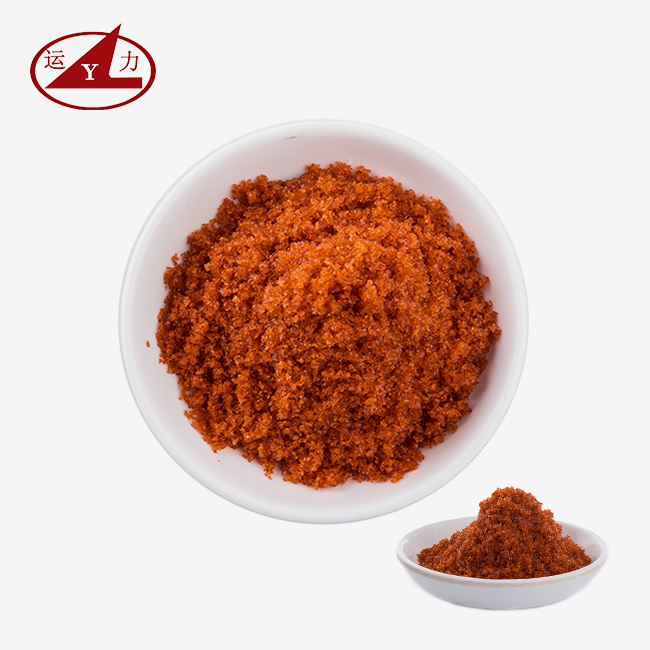
Solid aluminum nitrate nonahydrate costs less per kilogram of aluminum content, but a total cost analysis shows that liquid forms are more cost-effective for some tasks. Aluminium Nitrate Solution Liquid avoids the need for heating water, mixing tools, filtration to get rid of undissolved particles, and supervision of workers, all of which are required when dissolving solid salts.
These costs add up to 15–20% of the material prices. Processing multiple runs every day costs a lot of money in energy and work, which liquid feedstock doesn't have. When working with powder, you have to think about safety issues like breathing in dust and managing hygroscopic materials, which means spending more on compliance and personal protective equipment.

Procurement Considerations for Aluminium Nitrate Solution Liquid
To make sure stable supply lines and regular product quality, choosing the right suppliers means looking at more than just unit price. Strategic procurement practices reduce operational disruptions to a minimum while maximizing the total cost of ownership.
Supplier Credibility and Certification Requirements
Suppliers with a good reputation keep full quality management systems that are certified under ISO 9001 standards. These systems show consistent production methods and protocols for tracking products. Environmental compliance standards, such as ISO 14001, show that waste is being managed responsibly. This is especially important when treating nitrate wastewater, which is very complicated. Occupational health certifications (OHSAS 18001) show that worker safety is a top priority.
This lowers the risks in the supply chain that accidents at the factory will delay production. Yunli Chemical's designation as a Shanxi Provincial Enterprise Technology Center shows that it has advanced research and development (R&D) skills that allow for technical problem-solving partnerships and support for unique designs that go beyond just dealing with suppliers. Verification of licenses to make dangerous chemicals makes sure that the law is followed and lowers the risk of liability for organizations that buy these chemicals.
Packaging Standards and Logistics Infrastructure
IBC tote tanks (with a 1000-liter capacity) or specialized tanker trucks for high-volume customers are usually used for bulk shipping. When compared to drummed product, these options reduce the amount of wasteful packaging and the cost of shipping each unit. 200-liter plastic drums are good for people who don't need specialized tools to handle large amounts of material.
The materials used for packaging must meet UN standards for transporting oxidizing liquids, and they must be labeled correctly according to GHS rules and local laws about dangerous materials. Suppliers who run their own export departments have an advantage because they can offer direct factory prices, which cut out middlemen and make it easier to communicate about tracking shipments and meeting documentation requirements.
Pricing Dynamics and Contract Negotiation Strategies
Prices on the market change depending on how much feedstock nitric acid costs and how supply and demand are balanced in each region. By making framework deals with volume promises, you can get better prices and be sure that there will be enough supply when the market is tight. To make accurate comparisons between suppliers, purchasing managers should ask for thorough quotes that break down the costs of materials, shipping, and paperwork.
When you look at the total landed cost, which includes customs taxes, freight, and insurance, you can see the real changes in costs that nominal FOB price hides. Suppliers who let you customize their products without a minimum order quantity offer freedom for unique uses, but standard formulas are usually more cost-effective for everyday tasks.
Best Practices for Handling and Storage in Industrial Settings
Using the right handling procedures saves workers' safety, keeps product quality high, and makes sure that regulations are followed throughout the whole lifetime of a material. Systematic approaches to managing storage keep accidents and poor quality from happening at work, which can be very expensive.
Safe Dilution Procedures and Reactivity Management
To avoid making too much heat from breakdown, you need to be very careful when diluting concentrated liquids such as Aluminium Nitrate Solution Liquid. Always add water to a strong solution—never the other way around—while stirring continuously to spread the heat and stop any one spot from boiling. When you mix water into concentrated nitrate solutions, exothermic reactions can happen, which can splash or break the container, which is very dangerous.
Avoid carbon steel, which breaks down quickly in acidic environments, and use mixing bowls and tools that don't rust. Watch the temperature rise during dilution and stop adding things if they get too hot (above 50°C) so they can cool down before going on. Enough ventilation gets rid of any nitrogen oxide vapors that might be released during mixing, keeping workers' lungs from getting irritated.
Quality Assurance and Shelf Life Management
Solutions that are stored correctly stay stable for 12 to 24 months if they are kept in sealed containers out of direct sunlight and at room temperature. Testing on a regular basis makes sure that the concentration stays the same and looks for signs of possible decay, like pH shift or the formation of precipitates. By using first-in, first-out product rotation, you can avoid long periods of keeping that raise the risk of quality issues.
Retesting solutions every 12 months makes sure they are still good for important uses where meeting specifications has a direct effect on the quality of the finished output. Keeping detailed getting records, which should include source certificates of analysis, lets you look into tracking issues if there are quality issues during use.
Environmental and Safety Risk Mitigation
Surrounding storage areas with spill containment systems catch any accidental leaks. This keeps the surroundings clean and makes cleanup easier. The secondary containment volumes should be 110% of the largest container that is stored in the area. Spill response kits with neutralizing agents, absorbent materials, and personal protective equipment make it possible to respond quickly to an incident while reducing the risk of exposure and damage to the environment.
Emergency showers and eyewash stations that are less than 10 seconds' walk from handling areas are very important for safety. Regular training for employees that covers recognizing hazards, proper handling methods, and emergency processes lowers the number and intensity of accidents.
Conclusion
Aluminium Nitrate Solution Liquid offers significant practical benefits for companies that make catalysts, treat water, and make specialty chemicals that want to improve production efficiency while keeping high quality standards. Because it can feed directly, there are no dissolution steps. This means that 15–20% less energy and labor are used than with solid alternatives. Specifications for high purity, especially ultra-low iron content below 30 ppm, make sure that it can be used in sensitive situations where tiny contaminants could hurt performance.
When choosing a supplier strategically, focusing on certifications, customization options, and a reliable logistics network can help you get more value than just comparing unit costs. By following the right procedures for handling and storing items, you can keep your employees safe and keep the quality of your products even when your inventory cycles are longer. This helps you reach your goals for business excellence and legal compliance.
FAQ
What concentration ranges work best for catalyst manufacturing?
For catalyst production, solutions with a concentration of 50–60% are usually used. These solutions have the right amount of aluminum and a reasonable viscosity so that the material is evenly impregnated. Lower amounts, around 30–40%, work well for tasks that need easier pumping or a longer pot life before precipitation happens. Custom formulas change the concentration very accurately to work with certain ways of making catalysts and the tools that can do the job.
How does storage temperature affect solution stability?
Solutions stay stable above 15°C, keeping their homogeneous liquid properties that make them ready to use right away. When temperatures drop below 10°C, crystallization can happen, especially in higher concentration mixes that need to be heated up and stirred before they can be used. If a facility doesn't have climate-controlled storage, cold weather problems can be avoided with heated storage or insulated tanks.
Can standard carbon steel equipment handle this solution?
When acidic aluminum nitrate solutions come in contact with carbon steel, it rusts quickly, contaminating the product with iron and putting equipment at risk. Corrosion protection is provided by stainless steel types 304L or 316L. Depending on the temperature and pressure needs, PVC, PTFE, or glass-lined vessels can also be used.
Partner With yunli chemical for Reliable Aluminium Nitrate Solution Supply
With quality Aluminium Nitrate Solution Liquid formulations, Yunli Chemical is ready to assist you with your catalyst production, water treatment, and custom synthesis needs. Our provincial technology center can customize to your exact pH, purity, and concentration needs, ranging from 10% to 60%. They also do strict quality control to keep the iron content below 30 ppm.
As a seasoned supplier of Aluminium Nitrate Solution Liquid with over 18 years of experience, we cut out the middlemen by selling directly from the factory. This allows us to offer competitive prices without lowering quality standards, which are backed up by ISO 9001, ISO 14001, and OHSAS certifications. You can test the performance of free samples up to 500 grams without taking any risks before committing to large-scale production.
Get in touch with our technical team at wangjuan202301@outlook.com to talk about your application needs and get personalized quotes within 48 hours. You can look at our full line of products at yunlichemical.com and learn how our eco-friendly production methods and flexible no-MOQ policies can help you reach your business goals.
References
1. Smith, J.R. & Chen, L. (2021). Industrial Applications of Aluminium Salts in Catalysis. Chemical Engineering Press.
2. Thompson, M.A. (2020). Water Treatment Chemicals: Selection and Optimization Strategies. Environmental Technology Publications.
3. Rodriguez, P. & Kim, S.H. (2022). Advanced Catalyst Support Materials: Synthesis and Characterization. Petrochemical Research Institute.
4. Williams, D.E. (2019). Specialty Chemical Procurement: Quality Assurance and Supplier Management. Industrial Chemistry Journal, 45(3), 234-256.
5. Zhang, W. & Patel, R. (2023). Liquid Feedstock Advantages in Modern Chemical Manufacturing. Process Engineering Quarterly, 18(2), 89-107.
6. Anderson, K.L. (2021). Safety Protocols for Oxidizing Chemical Solutions in Industrial Settings. Occupational Health and Safety Standards Manual, 12th Edition.