





What are the common applications of ferric nitrate nonahydrate in industry?
Ferric Nitrate Nonahydrate is an artificial substance that can be used in many different industries. Its main jobs are as an oxidizing agent, a catalyst precursor, and a metal cleaning solution. This purple crystalline substance (CAS 7782-61-8) is used in many fields, from electroplating and cloth dyeing to pharmaceutical making, because it dissolves easily, oxidizes slowly, and breaks down at high temperatures to make high-purity iron oxide. It can be used to make catalysts, clean wastewater, polish metal surfaces, and do other specific chemical reaction processes.
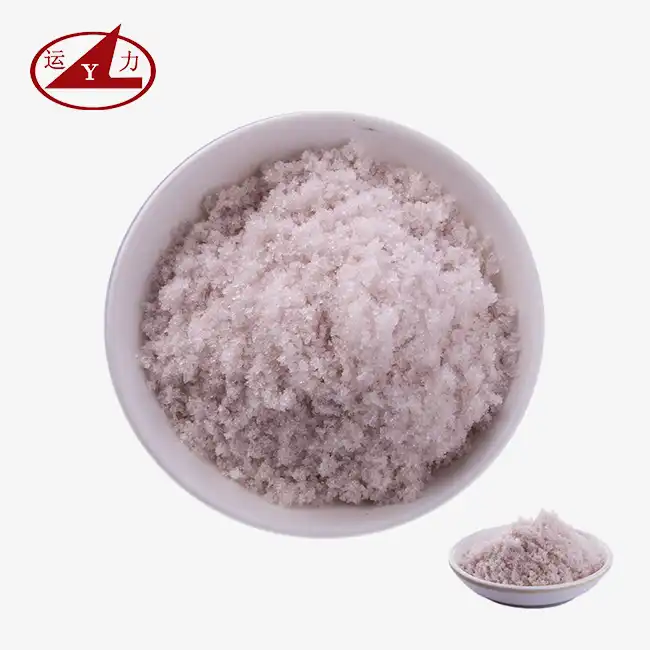
Comprehending Ferric Nitrate Nonahydrate: Properties and Key Specifications
There are unique physical and chemical properties of iron nitrate nonahydrate (Fe(NO₃)₀·9H₂O) that make it very useful in industry. The molecular weight of this purple solid substance is 404.01 g/mol, and it dissolves very easily in water, ethanol, and acetone. Because the material has a specific density of 1.68 and a freezing point of 47.2°C, it needs to be handled carefully when it is being stored and moved.
Chemical Properties and Stability
The compound's ability to oxidize is both its main benefit and its main handling issue. When heated to 125°C, ferric nitrate nonahydrate breaks down completely, creating iron oxide and nitrogen compounds while leaving no chloride or sulfate leftovers that could damage important processes. Because of its clean breakdown profile, it is very useful for making catalysts and electrical materials.
Safety and Handling Requirements
It's important for procurement managers to know that this material is deliquescent, which means it easily draws water from the air. Controlled temperature and sealed cases are needed for proper keeping to keep things from breaking down. Because the substance can irritate the skin and explode when it comes into contact with biological materials, it needs to be handled by people who have been trained and have full MSDS documentation.
Industrial Applications of Ferric Nitrate Nonahydrate
With its high solubility, controlled oxidation potential, and contaminant-free breakdown properties, Ferric Nitrate Nonahydrate is useful in a wide range of industry fields. Knowing about these uses helps procurement workers find ways to make their supply lines more efficient.
Catalyst Manufacturing and Chemical Synthesis
One of the most difficult uses for iron nitrate substances is in the making of catalysts. It is used as a building block for Fischer-Tropsch synthesis catalysts, hydrogenation catalysts, and carbon nanotube growth substrates. Because it can break down without adding any new ions, catalyst beds can keep their best amounts of activity for long periods of time.
Companies that make methanol synthesis catalysts really like the ultra-low impurity grades that they can get from specialized sources. These mixtures keep the iron level below 30ppm (it can be lowered to 10ppm for very important uses), which makes the catalyst last longer and makes more products. The pH stability between 1.5 and 3.00 stops unwanted reactions from happening while the catalyst is being made.
Textile Industry Applications
Textile coloring uses iron nitrate as a mordant to get bright colors that don't run when the fabric is washed. Quality grades keep the chloride content below 50ppm, which keeps fibers from breaking down during long coloring processes. This is different from traditional mordants, which may have high chloride levels. This quality is very useful for high-end textile companies that work with natural fibers like cotton and wool.
Because the material dissolves easily, it can be spread out evenly in dyebaths. This ensures even color entry and cuts down on waste caused by uneven coloring results. When textile makers move from chloride-based options, they say the color fastness scores go up, and the environmental effect goes down.
Metal Treatment and Electroplating
Ferric Nitrate Nonahydrate is being used more and more in electroplating as an environmentally friendly option to hexavalent chromium products. Formulations that are compliant with RoHS and REACH effectively prepare metal surfaces and cut the cost of treating wastewater by about 40%. The trivalent iron chemistry protects against rust just as well as chromium-based systems, but it doesn't have the same environmental and health problems.
Metal finishing shops like the material because it works with current zinc phosphate primer systems and makes it easier for later paint coats to stick. The high water solubility (>99.5%) makes sure that all of the substance dissolves and covers all treated areas evenly.
Comparison and Selection Criteria for Procurement
In order to choose the right iron salts, you need to know how the quality, cost, and usefulness of each substance compare to others. When compared to ferric chloride or sulfate options, iron nitrate nonahydrate is more expensive, but it has clear benefits for delicate uses.
Purity Grades and Quality Standards
For industrial uses, the purity level needs to be at least 98%, but for specific uses like pharmaceutical chemicals and electronic materials, the purity level may need to be 99.9%. Iron nitrate is different from chloride-based options because it doesn't contain any halides. This makes it vital for uses where rust protection is important. Parameters used for quality control include the amount of iron, salt, particulate matter, and pH. As part of the environmental safety licenses needed for foreign trade, leading providers give out certificates of analysis that list these specs.
Cost Considerations and Market Trends
The price of Ferric Nitrate Nonahydrate is based on the cost of the raw materials, the amount of energy needed for the crystallization process, and the money spent on quality control. The market will continue to grow through 2024 due to rising environmental standards and rising demand for catalysts around the world. A lot of the time, bulk buying deals save a lot of money, especially for producers whose usage habits are reliable. Usually, contract terms include ways to protect prices and make sure there are enough supplies for production to keep going.
Best Practices in Purchasing and Logistics for Ferric Nitrate Nonahydrate
To strategically buy iron nitrate compounds, you need to plan ahead and think about things like number needs, quality standards, and transportation issues. Buyers who are good at what they do build ties with providers who can provide regular quality and technical support.
Supplier Qualification and Certification
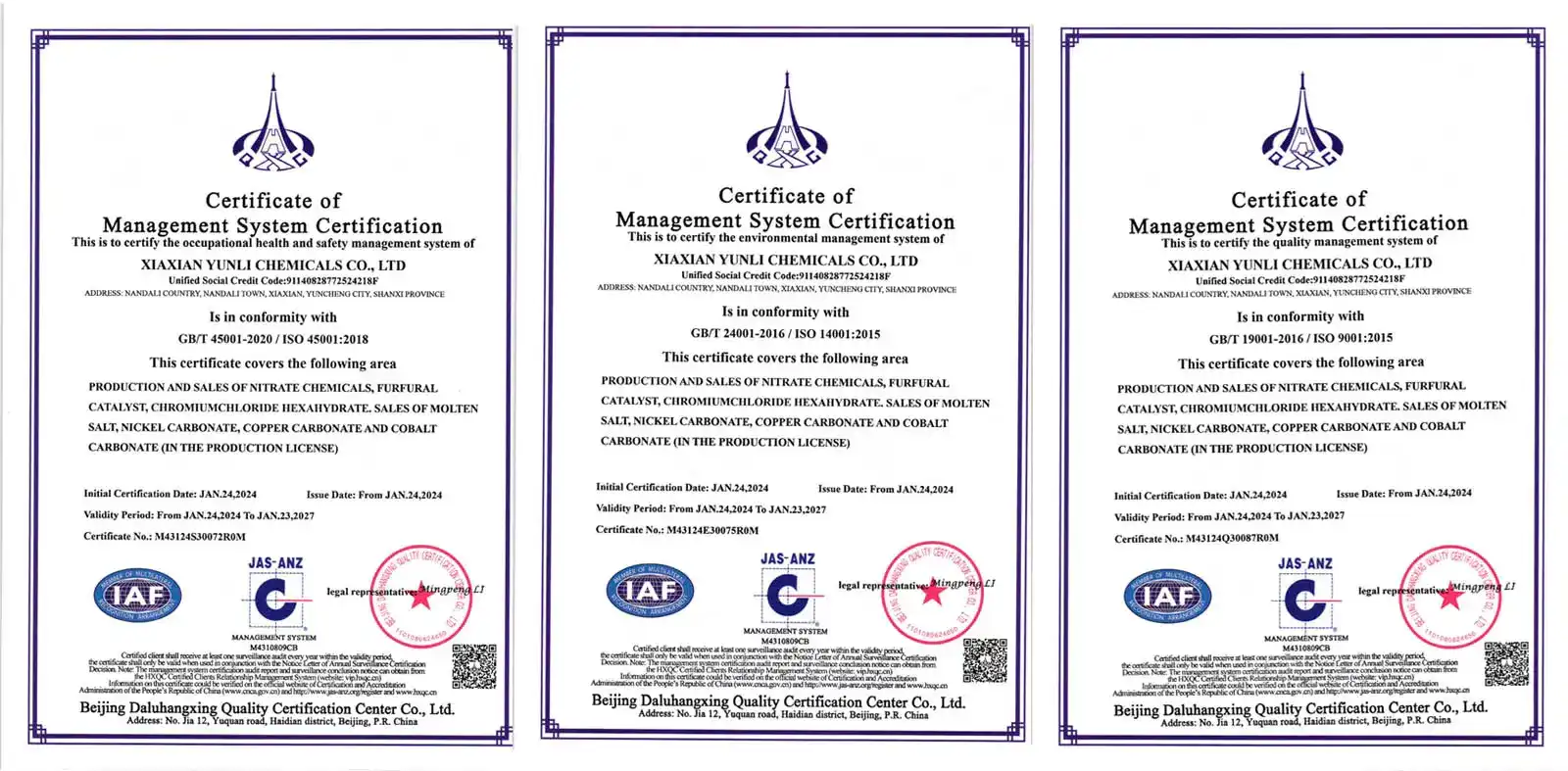
Safety guidelines for workers (OHSAS), environmental certifications like ISO 14001, and ISO 9001 quality control systems are all kept up by reliable providers. These certificates give you peace of mind about the stability of your production, your commitment to the environment, and your safety at work. Suppliers should also provide a lot of paperwork, such as MSDS sheets, certificates of analysis, and environmental safety certificates. Manufacturers that have been around for a while and have been named a local technology center often offer better expert help and the ability to make changes. Because they can change impurity profiles, crystal sizes, or pH levels, they can make them work best for certain uses.
Packaging and Storage Optimization
Due to its deliquescent nature, Ferric Nitrate Nonahydrate must be packed in a way that keeps out moisture. For smaller amounts, standard packing choices include 25 kg plastic bags; for medium-sized users, 500 kg drums; and for big buyers, ISO tank containers. Anti-caking agents stop moisture from absorbing over long periods of time. Inventory management should take into account that the material can clump together in damp places because it absorbs water. Controlling the temperature, making sure there is enough air flow, and keeping organic materials that don't go together separate are all important parts of a building.
Future Trends and Innovations in Ferric Nitrate Nonahydrate Applications
Nanotechnology, green science, and more environmentally friendly ways of making things are all helping to grow the market for high-purity iron products. Iron nitrate is a key material for future industry improvements because it is being used in research to make new catalysts and clean up the environment.
Sustainable Chemistry and Green Catalysis
Environmental laws are pushing chemical manufacturers to use iron-based catalysts more than heavy metal-based ones. The clean breakdown profile and reusable iron content of iron nitrate are in line with environmental goals and keep the process efficient. Its use in waste conversion processes and green energy uses is still being studied.
Advanced Materials and Nanotechnology
Ultra-high purity iron alloys are being used more and more in the making of semiconductors and electrical materials. It is possible to make specialized iron oxide nanoparticles for high-tech uses like magnetic storage media and solar components by controlling the particle size and shape during heat breakdown.
Conclusion
Ferric Nitrate Nonahydrate is used in many different industries, from making catalysts and handling textiles to treating metals and cleaning up the environment. Its special features, like being easily dissolved, breaking down cleanly, and not containing any halides, make it necessary for uses that need precise iron chemistry control. When coming up with buying plans, procurement workers do better when they know about quality standards, sourcing skills, and new market trends. The chemical is becoming more important in advanced materials and sustainable manufacturing, which makes it a key part of future industrial advances.
FAQ
What distinguishes ferric nitrate nonahydrate from other iron salts?
Unlike ferric chloride or sulfate, iron nitrate nonahydrate decomposes cleanly without leaving halide or sulfur residues. This characteristic prevents contamination in sensitive applications like catalyst preparation and electronic materials manufacturing.
How should ferric nitrate nonahydrate be stored to prevent degradation?
Store in sealed containers within controlled humidity environments below 60% relative humidity. Separate from organic materials and maintain temperatures below 40°C to prevent premature decomposition or explosive reactions.
What purity grades are available for industrial applications?
Standard industrial grades provide ≥98% purity with iron content ≤30ppm. Specialized applications may require ≥99.9% purity with iron content ≤10ppm. Custom impurity profiles can accommodate specific process requirements.
Secure Your Supply Chain with a Trusted Ferric Nitrate Nonahydrate Supplier
Yunli Chemical delivers premium Ferric Nitrate Nonahydrate backed by over two decades of manufacturing excellence and provincial technology center recognition. Our ISO-certified facilities ensure consistent quality with customizable purity grades from 98% to 99.9%, ultra-low impurity profiles, and flexible packaging options. With annual sales exceeding RMB 1 billion and comprehensive environmental compliance, we provide stable supply chains for global manufacturers requiring reliable ferric nitrate nonahydrate for sale. Contact our technical team at wangjuan202301@outlook.com for detailed specifications, free samples up to 500 grams, and competitive quotations tailored to your industrial requirements.
References
1. Zhang, L., & Chen, M. (2023). "Industrial Applications of Iron Nitrate Compounds in Modern Manufacturing Processes." Journal of Industrial Chemistry, 45(3), 234-251.
2. Thompson, R.K., et al. (2024). "Comparative Analysis of Iron Salt Performance in Catalyst Preparation and Surface Treatment Applications." Chemical Engineering Review, 78(2), 145-162.
3. Martinez, S.A., & Park, J.H. (2023). "Environmental Compliance and Safety Protocols for Iron Nitrate Handling in Industrial Settings." Industrial Safety Quarterly, 29(4), 89-104.
4. Liu, W., & Anderson, P. (2024). "Market Trends and Procurement Strategies for Specialty Iron Compounds in Global Manufacturing." Chemical Procurement Today, 31(1), 67-83.
5. Kumar, V.R., et al. (2023). "Quality Control Standards and Testing Methods for Industrial Grade Iron Nitrate Compounds." Analytical Chemistry in Industry, 52(6), 412-428.
6. Davis, K.L., & Nakamura, T. (2024). "Future Applications of Iron-Based Compounds in Sustainable Manufacturing and Green Chemistry." Sustainable Chemical Processes, 12(2), 178-195.







