


What are the common industrial uses for cobalt nitrate hexahydrate?
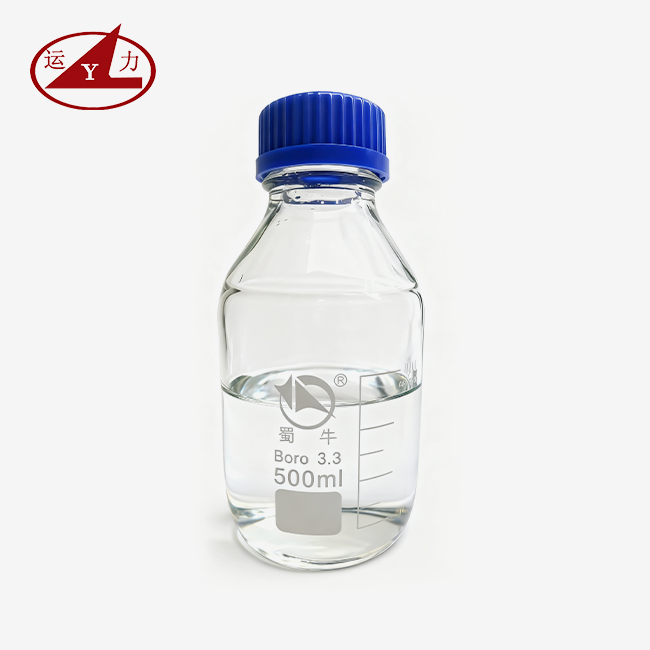
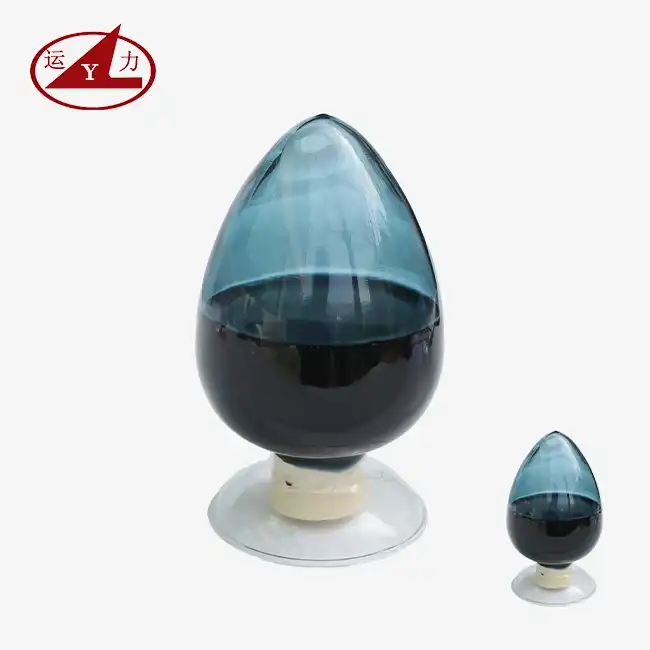
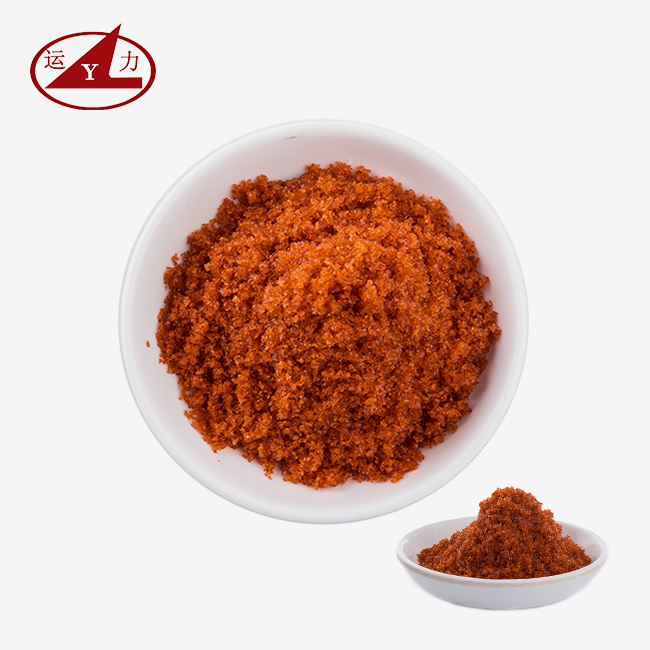
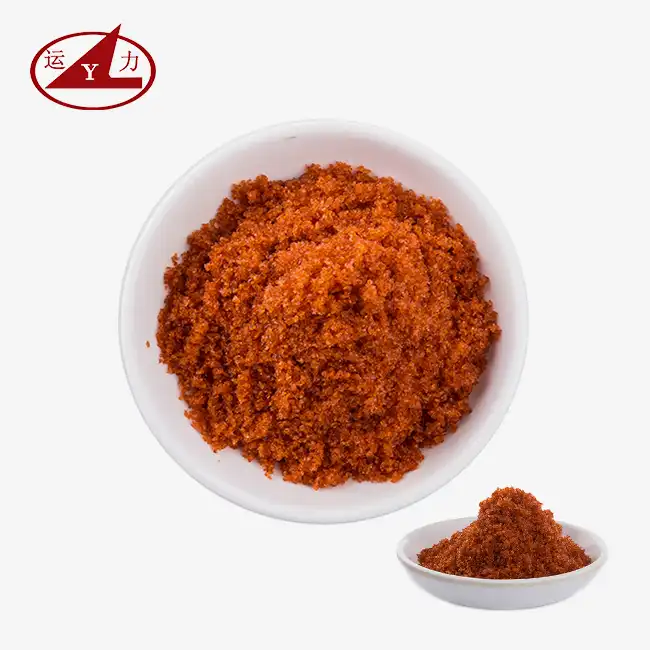
Cobalt Nitrate Hexahydrate (Co(NO3)2H2O, CAS# 10026-22-9) is a chemical compound that is very helpful in many industrial processes. This solid red-brown substance is easy to dissolve in acetone, ethanol, and water. This makes it a useful starting material for making catalysts, clay colors, battery cathodes, and other things that treat surfaces. Because of how well it dissolves and oxidizes, makers in many fields, from advanced electronics to processing petrochemicals, can make exact formulations. How well the end product works depends on how pure and regular the ingredients are. Technical engineers and buying managers can use this information to figure out when cobalt salt is better than other choices such as cobalt sulfate or cobalt chloride.
Overview of Cobalt Nitrate Hexahydrate
Molecular Structure and Physical Characteristics
Cobalt Nitrate Hexahydrate is composed of crystals that are easy to melt and have a density of 1.88 g/cm3. Its molecular weight is 291.03 g/mol. It melts and disappears in its own water of crystallization at 55 to 56°C. With this hygroscopic material, it's important to store it in a controlled way so that it doesn't dry out or break down too fast. Amount of water needed to dissolve it is about 134 g/100 mL at 0°C. This makes it different from cobalt carbonate and hydroxide. This lets it break down quickly without having to be treated with strong acids. Because it has nitrate groups, the chemical can oxidize, which means it can combine with organic materials. To keep it safe, it needs to be treated carefully when it is being moved or kept.
Safety and Handling Imperatives
This stuff is really bad for your health. People who use it need to wear a lot of safety gear because it could hurt them if they take it in, eat it, or touch their skin with it. It can catch fire or burst when mixed with things that can catch fire because it is an oxidant. In order to make it safe for shipping, it is labeled as an oxidizer under UN 1477 (Class 5.1). Safety Data Sheets (SDS) that tell staff how to give first aid and what to do in an emergency must be kept by industrial users. It is safer to work if there are good air systems and ways to clean up spills. These also make sure that OSHA and REACH rules are followed.
Differentiating from Similar Cobalt Salts
Cobalt Nitrate Hexahydrate easily breaks down into cobalt oxide when heated. It does not leave any sulfur behind, which could affect later steps in the process. This isn't a problem for the nitrate form of cobalt chloride because it doesn't have chloride ions in it, which can damage stainless steel reactors. When it comes to wet chemistry, anhydrous cobalt nitrate doesn't have the right amount of water for correct stoichiometry. These differences are very important in fields like pharmaceutical chemicals and electronic materials, where even small mistakes can hurt the quality of a product or its chances of being accepted by regulators.
Primary Industrial Applications of Cobalt Nitrate Hexahydrate
Catalyst Manufacturing for Petrochemical Processes
There are processes at oil plants called hydrodesulfurization (HDS) that remove sulfur from crude oil streams. These processes make sure that fuel standards for the environment are met. Cobalt Nitrate Hexahydrate is the main type of cobalt used to make catalysts. It is easy to dissolve in water and can be spread out widely on alumina or silica supports that are porous. As certain temperatures are reached, the nitrate breaks down into cobalt oxide. This is the phase that breaks the bonds between carbon and sulfur. Because catalysts don't have any salt or sulfate impurities, they don't get poisoned. This makes them last longer and keeps the conversion rate high. When petroleum companies buy a lot of stuff, they like to buy from people who can prove that the iron level is less than 30 parts per million (ppm). This is because even small amounts of metal on catalysts can make them less effective and mean they need to be changed too soon.
Ceramic Pigments and Glass Coloration
The vibrant cobalt blue color of pottery glazes and art glass is caused by cobalt oxide, which is made from Cobalt Nitrate Hexahydrate. Ceramicists mix the material with water to make spray solutions that cover pots that have been bisque-fired before the final glaze is put on. The nitrate turns into cobalt oxide when fired in a kiln. This cobalt oxide mixes with the silicate material to make solid blue colors that won't fade when exposed to UV light. In the same way, glassmakers add cobalt nitrate to groups of liquid glass to make deep blue artistic items and optical screens. The combination is very easily dissolved, which makes sure that the colors are spread out evenly and there are no streaks. This is an important quality control step in the making of expensive clay tiles and plates. When companies want to sell their goods abroad, they often need certificates of analysis (COA) that say the sulfate level is less than 0.02%. This is done to make sure that the colors don't change.
Lithium-Ion Battery Cathode Synthesis
As the number of electric cars grows, so does the need for high-performance lithium-ion batteries. Making cathode materials requires Cobalt Nitrate Hexahydrate, which is an essential component. It is used as a starting material in co-precipitation or sol-gel chemistry to make cathode chemicals like NCM (nickel-cobalt-manganese) and NCA (nickel-cobalt-aluminum). The nitrate is completely soluble, so it can mix with nickel and manganese precursors at the atomic level. Without this, phase splitting would happen, which would make the cell last less long. The cathode pieces that are made after precipitation and calcination have more energy and can handle heat better than materials made from cobalt sources that are less suitable for dissolving. Battery material suppliers who buy a lot of materials every month stress the need for uniform particle shape, purity levels above 99.5%, and paperwork that can be used to link each batch to tests for electrochemical performance.
Surface Treatment and Metal Finishing
In order to make zinc and aluminum parts more rust-resistant, Cobalt Nitrate Hexahydrate is used in passivation baths and conversion coats during electroplating. It is better to use cobalt-based paints instead of hexavalent chromium solutions since they are better for the environment. They are legal under REACH rules and can be used on boats and in cars. The substance breaks down quickly in plating bath mixes, which lets you exactly control the concentration of cobalt ions to keep the layer thickness constant. Metal workers who work for defense and aerospace companies need to find materials with chloride levels below 0.005% to keep the surfaces of high-strength alloys from breaking from stress corrosion. When you want to build a long-term relationship with a seller, it's important that they can help you change the pH and keep the bath in good shape.
Factors Influencing Procurement Decisions for Cobalt Nitrate Hexahydrate
Quality Standards and Certification Requirements
People whose job it is to buy things rate sellers based on how well they can meet ACS lab grade or ISO standards for materials. The cobalt content (usually ≥98.0% for industrial grade and ≥99.5% for electronic grade), the iron content (≤30 ppm is best), and the amount of matter that doesn't dissolve in water (<0.01%) are all important. Suppliers who are certified in ISO 9001, ISO 14001, and OHSAS 18001 do an organized job of taking care of quality and the environment. This lowers the risk in the supply line for buyers, who have to follow strict rules made by the government. It has been making things for more than twenty years and is known as a Shanxi Provincial Enterprise Technology Center. Businesses like Yunli Chemical can give foreign companies the quality assurance paperwork and batch tracking they need for vendor qualification checks.

Supplier Reliability and Technical Capabilities
Procurement managers look at more than just base costs. They also check to see if sellers can produce the same product specs for multiple orders, help with technical problems, and meet specific requirements for purity or packing. Suppliers can use high-tech testing tools, such as ICP-MS and atomic absorption spectrometers, to look for trace metals and give detailed analysis results. When a seller can make high-purity materials that are 4N grade, they can be used in new ways in electronics processing and drug creation. They look for suppliers of chemicals that work well together, such as zinc nitrate, calcium nitrite, and other nitrate products, when they want to cut down on the number of suppliers they work with. This makes it easier to plan procedures and cuts down on the work that comes with working with many companies.
Packaging, Logistics, and Regulatory Compliance
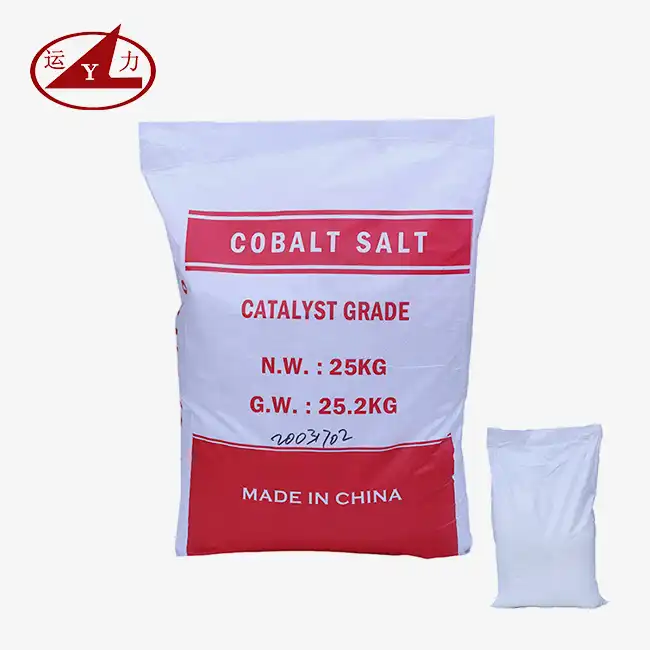
Cobalt Nitrate Hexahydrate is an oxidizer, so it needs to be packed and moved in a certain way. Industrial buyers like it when sellers offer a variety of flexible packing options, such as 25 kg drums, IBCs, or custom sizes. They also like it when sellers offer UN-certified containers that can withstand checks by government officials during international shipping. It's even more important to stick to shipping plans in just-in-time industries, where production delays due to lack of materials cost a lot of money. These risks are kept to a minimum by providers who show they can handle foreign business and keep enough stock on hand. Giving MSDS papers in more than one language and helping with the customs clearance process are also extra services that add value that go beyond the product itself. This makes the ties between buyers and sellers better by making businesses run more smoothly and following the rules.
Best Practices for Storage, Handling, and Safety Compliance
Optimal Storage Conditions
The product should be kept in cool, dry places where the humidity stays below 50% to keep it pure. Or else, it will form hygroscopic caking. Keep containers away from things that don't work with them, like chemical solvents, reducing agents, and things that burn, and make sure the lids are tightly closed when not in use. It's also very important to keep the temperature under control. The crystals may break in the water they form in if the substance is heated to temperatures near or above 55°C. This could make them difficult to handle and cause them to spill.
Personal Protective Equipment and Workplace Safety
Anyone who works with Cobalt Nitrate Hexahydrate needs to wear rubber gloves, a chemical-resistant clothing, and a safety mask to keep it from getting on their skin or eyes. People who wear respirators with HEPA screens don't get particles in their lungs when they work with powders or substances that dissolve. A safety shower and an emergency eyewash stand should be within ten seconds of work areas in case someone gets exposed by accident. Safety training classes that go over SDS measures and spill response methods on a regular basis help make the workplace safer, which lowers the number and intensity of accidents.
Waste Disposal and Environmental Stewardship
It is in line with environmental laws and businesses' claims to be more eco-friendly to get rid of Cobalt Nitrate Hexahydrate trash and dirty materials in the right way. Organizations should hire skilled businesses that can get rid of dangerous trash and deal with oxygen waste streams. It is better for the climate and costs less to use closed-loop wastewater cleaning methods that can separate cobalt, collect it, and return it. Companies that do these things to show they care about the environment often get extra points with customers and have a better reputation in areas where sustainability is being looked at more closely.
Emerging Trends and Innovations in Cobalt Nitrate Hexahydrate Applications
Advances in Sustainable Chemistry
Researchers are looking into green catalyst preparation methods that make things at lower temperatures and without chemicals. These methods use less energy and make fewer emissions. The old ways of wet impregnation might not work as well as the new ones that use supercritical fluids or mechanochemical synthesis. This might change how Cobalt Nitrate Hexahydrate is used to make catalysts. The need for smaller carbon footprints in business led to these new ideas. They aim to keep or even improve catalytic performance.
Battery Technology Evolution
Because more nickel-based cathodes are being used in batteries (like NCM 811, which has 80% nickel), it's more important than ever to keep the spread of cobalt under tight control. Because it helps with this accuracy, Cobalt Nitrate Hexahydrate will be more in demand in delivery lines for ingredients for next-generation batteries. Even though scientists are still looking into batteries with little or no cobalt, they will always be in demand because cobalt keeps cathode structures stable. This is especially true for high-end uses that need the most energy efficiency and safety from heat.
Supply Chain Resilience Strategies
Problems with the global supply chain have made industry buyers look for more sources and work together with makers in their own countries or regions. Long-term contracts shield suppliers from changes in the prices of goods as long as they have good quality control systems, can adapt to changing demand, and communicate clearly when quantities are low. When sellers and buyers work together on technical problems, like creating custom purity grades or figuring out the best way to package goods for certain manufacturing processes, it's good for both sides in more ways than one.

Conclusion
That being said, because it melts easily, breaks down cleanly, and functions with specific chemical processes, Cobalt Nitrate Hexahydrate is still required in the industrial catalysis, ceramics, battery, and surface treatment industries. More and more, reliability, expert support, and specific quality documentation from suppliers are becoming just as important as price when it comes to buying things. In industries that want to make things that are more pure and better for the environment, working with well-known companies that offer quality systems that have been approved, analytical help, and open customization options becomes an asset rather than a transaction.
FAQ
Why does cobalt nitrate hexahydrate arrive caked or wet?
Because it is hygroscopic, the chemical takes in water from the air. Because its freezing point is low (55°C), it can partially melt in its own crystal water when it is on a warm journey. The chemicals that make this up don't change unless it gets too hot. People in the business world who need crystals that don't stick together should ask for climate-controlled shipping and storage.
How should I dissolve cobalt nitrate hexahydrate to avoid turbidity?
Calcium or magnesium salts can settle to the bottom of hard water and make it cloudy. Deionized water should be used instead. While adding nitric acid to a solution, it stays clear and doesn't break down. This is done by professionals to make sure the cleanness of the solutions used for soldering baths or catalyst impregnation.
What distinguishes cobalt nitrate hexahydrate from cobalt sulfate in battery manufacturing?
Once you heat cobalt nitrate, it fully breaks down, leaving behind only oxides. It's not necessary to go through the hard steps of precipitation and washing to get rid of the sulfur that's still there. That's why it works better for direct calcination or spray pyrolysis, which wouldn't work as well with cathode materials that are sulfate-contaminated.
Partner with Yunli Chemical for Reliable Cobalt Nitrate Hexahydrate Supply
For more than eighteen years, Yunli Chemical has sold high-purity Cobalt Nitrate Hexahydrate to businesses. Their pH ranges (3.0–5.0) can be changed to fit the needs of electrochemical and catalytic uses that need to be very careful. The fact that our building is certified for ISO 9001, ISO 14001, and OHSAS shows that we care about quality control and the environment. ICP-MS testing is one of the advanced analysis services we offer as a well-known Shanxi Provincial Enterprise Technology Center. We also offer a variety of output options. Our goods can be fine grains, crystals, or liquids, and there is no minimum order size. You can get up to 500 grams for free as well.
We not only sell goods, but we also give full expert help on storage protocols, process optimization, and regulatory compliance paperwork (MSDS, COA) to make it easier for you to choose a provider. Being able to offer more than 60 nitrate derivatives in one place makes buying easier, lets you join sources, and makes management easier. We make sure you always get what you need on time, whether you make catalysts, battery materials, or special finishes. Our factory-direct prices and self-run export operations cut out the middlemen. To talk about your needs and find out why many big companies trust Yunli Chemical as their Cobalt Nitrate Hexahydrate supplier, you can email our team at wangjuan202301@outlook.com.
References
1. Chen, Y., & Liu, H. (2021). Cobalt Compounds in Industrial Catalysis: Synthesis and Applications. Chemical Industry Press.
2. Rodriguez, M., et al. (2020). "Precursor Chemistry in Lithium-Ion Battery Cathode Manufacturing." Journal of Power Sources, 468, 228-241.
3. Singh, A. K. (2019). Inorganic Nitrates: Properties, Production, and Industrial Uses. Springer Publishing.
4. Thompson, J. D., & Williams, R. (2022). "Surface Treatment Technologies for Corrosion Prevention in Marine Environments." Corrosion Engineering Quarterly, 58(3), 145-162.
5. European Chemicals Agency. (2023). REACH Compliance Guidelines for Oxidizing Substances. ECHA Publications.
6. National Institute for Occupational Safety and Health. (2021). Handling and Storage of Cobalt Compounds: Safety Protocols. NIOSH Technical Report 2021-147.