


What is chromium sulfate used for?
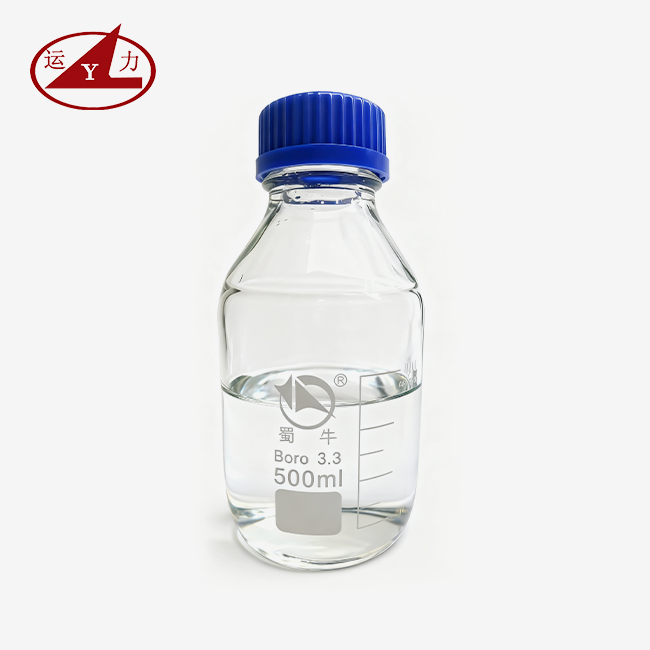
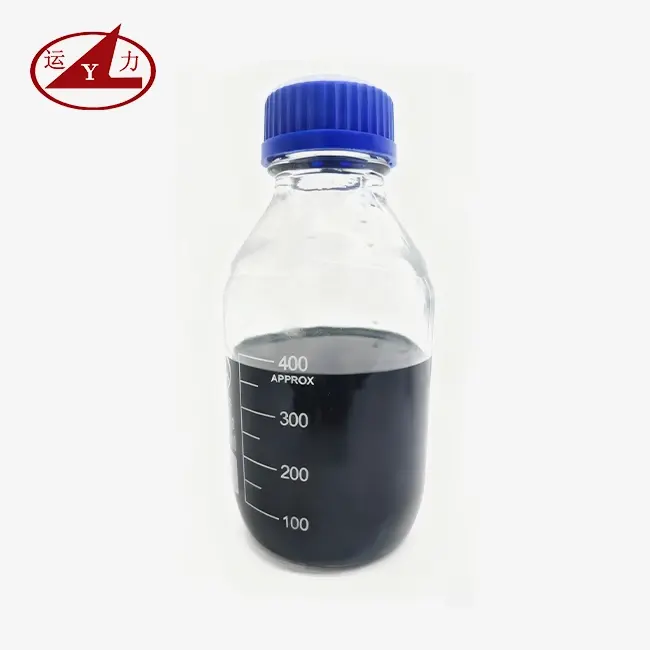
Leather tanning, textile dyeing, catalyst production, and surface treatment businesses all use Chromium Sulfate, which has the chemical formula Cr2(SO4)3 and the CAS number 10101-53-8, as a source of trivalent chromium. This substance keeps the amount of chromium the same while getting rid of the risks of hexavalent chromium. This lets makers make products of the same quality. Because it dissolves in water and can be made in different forms, from powder to 30–40% liquid solutions, it can be used with both automatic dosing systems and manual batching. This directly addresses worries about worker safety and production efficiency in chemical processing settings.
Understanding Chromium Sulfate: Chemical and Industrial Basics
Chemical Composition and Molecular Structure
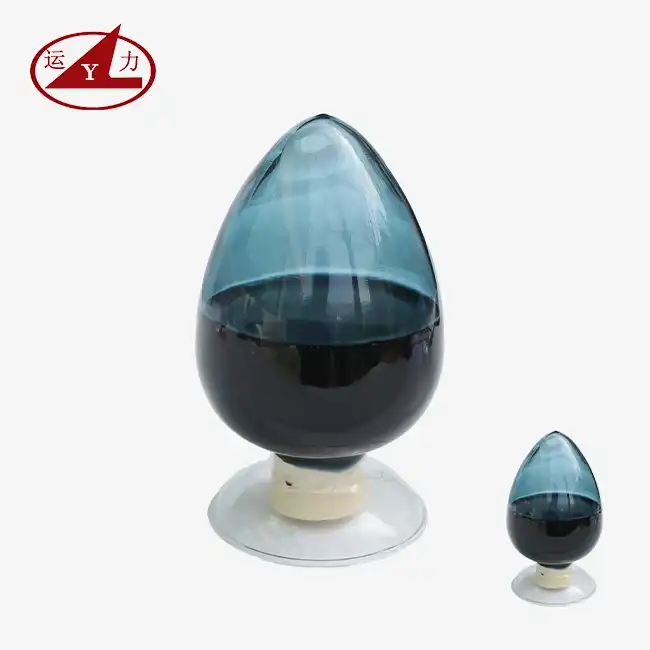
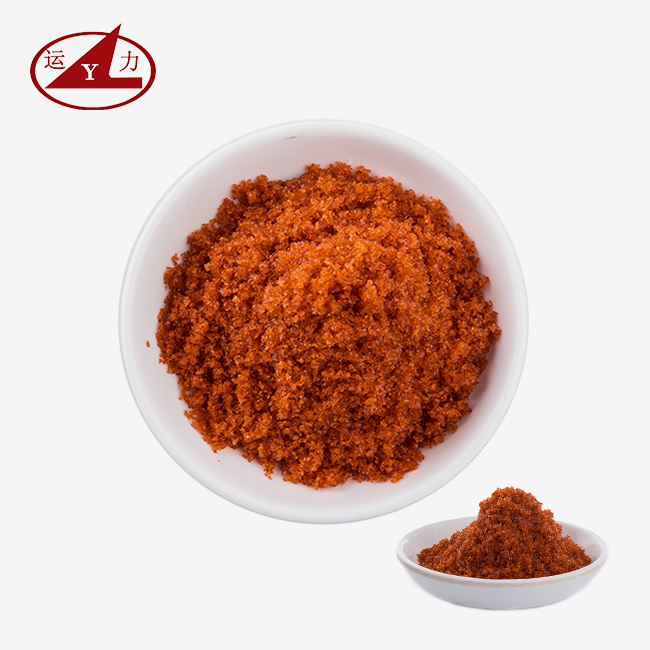
The chemical has a molecular weight of 392 g/mol and comes in different hydrate forms, ranging from not containing any water to having 18 molecules of water. The range of colors it shows changes from grey-blue to violet-green based on temperature and moisture levels. This makes it easy to see during quality checks. The hexahydrate form is still the most common type sold in stores because it stays stable during shipping and storage.
This artificial salt breaks down into chromium ions and sulfate ions when mixed with water. This makes acidic solutions with pH levels usually below 2.0 when it is concentrated. Because this acidity is so high, it needs holding tanks that don't rust and careful reduction procedures when the waste is being moved. Compared to their hexavalent cousins, trivalent chromium compounds are much less harmful. This is because environmental laws in North America and Europe are tougher.
Manufacturing and Quality Standards
There are two main ways that industrial production is done: either sodium chromate is reduced with sodium bisulfite, or chromium oxide is directly dissolved in sulfuric acid. We keep stability from batch to batch by using ICP-MS to make sure that iron impurities stay below 30 ppm. This is a very important level for keeping leather from turning colors and for keeping chemical catalysts from losing their ability to work. In addition to basic purity checks, we also do particle size distribution analysis for powders and viscosity tests for liquid mixes as part of our quality control.
Our production methods are governed by ISO 9001 certification, which requires recorded traceability from where the raw materials come from to where the final products are packed. HG/T 2678-2011 standards are used to test each output lot carefully, and Certificates of Analysis (COA) and Material Safety Data Sheets (MSDS) are sent with all orders. This paperwork makes it easier for you to do safety checks and file regulatory paperwork, especially when you need to meet REACH standards for European markets.
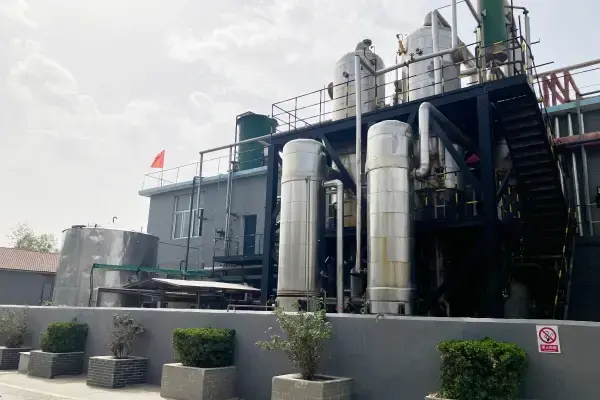
Safety Protocols and Storage Guidelines
To handle Chromium Sulfate properly, you must first understand that it is acidic. During moves, workers should wear nitrile gloves and splash-proof masks. There should be emergency eyewash stations within ten seconds' walk of mixing areas. To keep metals from getting inside and to make the containers last longer than 24 months at room temperature, the lids must be corrosion-resistant. Polyethylene or fluoropolymer coats work well.
Temperature control between 5°C and 35°C is needed in storage areas to keep liquids from crystallizing and powders from sticking together when they get wet. We suggest keeping the relative humidity below 60% and setting up secondary containment systems that can hold 110% of the biggest container space. These steps not only keep workers safe, but they also keep the purity of the product, making sure that the amount of chromium in the product you receive is the same amount of chromium in the product you use six months later.
Chromium Sulfate Applications in Industry: Where and Why It's Used?
Leather Tanning Operations
Chrome tanning is the most popular way to make leather because it is stable at high temperatures (above 100°C), while vegetable tanning only shrinks at 60 to 70°C. Chromium ions cross-link with collagen fibers in animal hides during the dyeing process. This turns raw skin into tough leather in hours instead of weeks. Our liquid recipes get deeper into thick fiber structures more evenly than powders do, getting rid of the "chrome spots" that push finished goods into lower-price groups.
Cutting down on dust contact is a big practical benefit. When you handle powder the old-fashioned way, you could breathe it in, which means you need expensive air systems and safety gear. When you switch to pre-dissolved liquids, you don't have to worry about airborne particles, and automatic measurement systems can be used. By carefully dosing, tanneries that use our 30–40% liquid concentrates report using 15-20% less chromium, which directly leads to lower costs for raw materials and lighter loads on wastewater treatment plants.
Textile Dyeing and Mordanting
This chemical acts as a mordant, holding dye molecules to cloth threads and stopping color loss during washing. Chromium mordanting is good for cotton, wool, and synthetic mixes, especially when deep colors that won't fade are needed. Aluminum-based mordants can make colors that aren't very bright, but chromium-based systems make bright greens and blues that don't fade easily.
Textile mills like sulfate-based chromium better than chloride or acetate options because it reacts more slowly. Most color chemicals don't react with sulfate ions, so formulators can use the same mordant for more than one product line. This flexibility makes inventory simpler and cuts down on the time needed to switch between production runs, which is very helpful when meeting tight dates for custom orders.
Catalyst Manufacturing
Chromium Sulfate is a building block for heterogeneous catalysts that are used to make methanol and carry out specific hydrogenation processes. Trivalent chromium changes into active chromium oxide species when it is calcined on alumina or silica supports. Our top grade has very little iron in it, which keeps active sites from becoming poisoned. This is a problem that shortens the life of catalysts and makes them less selective in target reactions.
The consistent pH profile our material offers during catalyst creation is valued by companies that make pharmaceutical intermediates. Changes in acidity between batches can change how metals are distributed on support materials, which can affect how fast the reaction moves downstream. By using exact manufacturing methods to control basicity, we help catalyst formulators get consistent performance data as they move from lab-scale production to commercial production numbers.

Ceramic Glazes and Pigment Production
The chromium-sulfate complex adds green color to paints and glazes for ceramics and is more stable at high temperatures than organic colorants. The compound breaks down into chromium oxide during high-temperature firing processes and becomes forever part of the glaze matrix. This makes colors that won't fade when exposed to UV light or wear and tear—important qualities for building tiles and industrial paints.
Ceramics makers can finetune color strength without having to redo whole paint recipes thanks to our customizable purity levels. Getting rid of sodium impurities to less than 50 ppm keeps the glass transition temperature that your kiln plans depend on during vitrification. With this level of control, you can get the same quality of work whether you're making sanitaryware or advanced clay for electronics.
Choosing the Right Chromium Sulfate: Comparisons and Market Insights
Powder Versus Liquid Forms
Whether to use powder or liquid depends on the handling equipment and processing needs of your building. Powder has lower shipping costs per unit of chromium and can be kept for an infinite amount of time without going bad. It works well for businesses that have special dissolution tanks and batch processes where mixing time isn't a problem.
Liquid concentrates get rid of the need for dissolution tools and the work costs that come with moving bags. They are the best choice for constant processing lines that need to change the doses in real time. When you figure out the total cost of ownership, you need to include the secret costs of dust collection systems, replacing PPE, and the possibility of worker's compensation claims that come with handling powder. Many medium-sized businesses find that the extra cost of liquid formulas is worth it in eight to twelve months thanks to better running their businesses.
Comparing Chromium Salts
Chromium chloride and chromium acetate are two different anion systems that work in different ways. Chloride salts make things dissolve more easily at lower temperatures, but they can cause rust in stainless steel equipment and mess up the way some dyes work. Acetate forms have better buffering abilities than sulfate forms, which is useful in pH-sensitive situations but costs 20–30% more.
Most industry users find that chromium based on sulfate is the best mix of properties. In addition to being soluble at standard working temperatures, it also works well with a wide range of process chemicals and has reasonable prices backed by established supply chains. The sulfate anion itself has useful qualities. It can be used as a mild oxidizing agent in some processes and to help metals stick together better in electroplating baths.
Pricing Dynamics and Minimum Order Quantities
Industrial-grade Chromium Sulfate costs between $1,200 and $1,800 per metric ton on the market right now. Powder forms cost this much, while liquid concentrates cost between $1,500 and $2,200, based on how much chromium they contain and how pure they need to be. When iron levels drop below 10 parts per million and heavy metal profiles meet strict analysis limits, high-purity grades that can be used as pharmaceutical intermediates or in electronics can fetch $3,000 to $4,500 per ton.
Our usual minimum order is 1,000 kg, which works for both established businesses and those testing out new methods. We offer free samples of up to 500 grams, so your expert teams can do full-scale tests before deciding to buy in bulk. This method lowers your buying risk and gives us a chance to show you how our constant quality means that you need fewer production changes and your finished goods are rejected less often.
How to Source Chromium Sulfate: Procurement and Supplier Guidance?
Evaluating Supplier Credentials
Check the company's ISO 9001 approval and ask for recent audit reports as a first step. Reputable makers have quality control systems that are written down and have traceability rules that connect each production batch to a specific lot of raw materials. Ask possible providers what kinds of tests they can do. Labs with ICP-MS or atomic absorption spectroscopy can give you the accurate results you need for high-specification uses.
Environmental law should be looked at with the same level of care. Ask about systems that clean up wastewater and limits for air emissions, especially for sellers in areas where the rules are changing all the time. Companies that follow the ISO 14001 environmental management standards take proactive steps to stop pollution, which means you are less likely to have your supply interrupted by measures taken by regulators. Doing this saves the image of your brand when customers check the sustainability of your supply chain.
Sample Testing and Quality Verification
Do not skip the tasting step, even if prices are tight or delivery is needed quickly. Get samples from three different production batches to check for accuracy, and then put them through your real process, not just lab-scale models. Key performance indicators (KPIs) that are special to your application should be tracked. These could be tanning penetration rates, dye fixation percentages, catalyst activity coefficients, or the regularity of the glaze color.
Write down everything: the time it takes to dissolve, the temperature, any changes in pH, and any results that aren't what was expected. Give this information to your providers and see how expert they are in responding. The best partners will look into problems together and suggest changes to the concept or the process instead of avoiding responsibility. This way of solving problems shows the kind of long-term relationship that can handle the problems that will inevitably come up in chemical supply lines.
Logistics and After-Sales Support
Transportation costs have a big effect on the final price, especially for liquid products where you're paying for freight based on how much water is in them. Carefully compare FOB and CIF terms, and look into bulk tanker choices if your monthly consumption goes over five metric tons. Some sellers offer consignment inventory programs for customers who buy a lot. These programs shift the costs of the warehouse to the maker while ensuring that your production will continue.
Support after the sale is what sets good sellers apart from great ones. Make it clear how long it takes to answer expert questions—24-hour responses should be normal, not the exception. Check to see if the seller keeps safety stock to handle sudden increases in demand or delays in production. Our team gives you direct access to process experts who understand your needs, not just sales reps reading from sheets of specifications. This knowledge helps you get the most out of your usage rates and fix problems before they get so bad that they stop production.
Conclusion
Chromium Sulfate is useful in many industries, including leather, textiles, catalysts, and ceramics, because it delivers chromium reliably, comes in different forms that can be changed, and is safer than hexavalent options. For buying to go well, technical requirements must be weighed against what the seller can do, including checking for analytical rigor, environmental compliance, and quick technical support. Smart buyers put the chance of a long-term relationship ahead of short-term price benefits because they know that consistent quality and on-time delivery protect production schedules and the quality of the finished goods. If you choose the right suppliers and follow the right quality rules, this compound stops being an expensive source of variation and turns into a variable that you can manage that drives operational success.
FAQ
Q1: What purity levels matter most for different applications?
A: For example, to tan leather, you need industrial-grade material with 15–17% chromium and iron levels below 50 ppm. To make catalysts, you need pharmaceutical-grade purity with iron levels below 30 ppm and heavy metals that meet USP standards. For ceramic uses, slightly higher levels of impurities are fine, but sodium levels should be kept below 100 ppm to avoid surface flaws.
Q2: How does chromium sulfate compare to basic chromium sulfate for tanning?
A: Basic chromium sulfate has chromium ions that are partly neutralized. It has higher pH values (3.5–4.5), which are good for main tanning processes. Regular Chromium Sulfate has a pH level below 2.5, which means it can be used for retanning or other tasks that need to reduce the acidity. The choice you make will depend on how you want to tan and the type of hide you have.
Q3: What shelf life can we expect under normal storage conditions?
A: When kept in sealed cases below 35°C with humidity below 60%, powder forms stay fixed for 36 months. Under the same conditions, liquid concentrates will stay the same for 24 months, but at temperatures below 5°C, they may crystallize. Always check the dates on products before using older stock in important situations.
Partner with Yunli Chemical: Your Trusted Chromium Sulfate Supplier
Yunli Chemical has been making chromium compounds for more than twenty years and has ISO 9001, ISO 14001, and OHSAS standards. They are a provincial-level technology center with these skills. Our Chromium Sulfate supplier operations use high-tech analytical tools, such as ICP-MS systems, to make sure that the iron content is less than 30 parts per million (ppm) and that the consistency from batch to batch meets the strictest output standards. We can change the purity levels, pH levels, and shape (powder or liquid) to fit your exact process needs. There is no minimum order quantity, and we offer free samples up to 500 grams for full testing.
Direct plant access gets rid of markups by distributors, and our self-run export division makes sure that communication is clear and that all the paperwork needed for customs clearance is correct. You can email our technical team at wangjuan202301@outlook to talk about your unique needs, ask for samples, or place large orders with a choice of flexible packing. Our quick response time and high quality make us the best choice for getting your Chromium Sulfate supply, whether you're expanding a new catalyst recipe or improving an existing tanning business.

References
1. Covington, A.D. (2009). Tanning Chemistry: The Science of Leather. Royal Society of Chemistry, Cambridge.
2. Fathima, N.N., Rao, J.R., Nair, B.U. (2011). "Effect of UV Irradiation on the Properties and Application of Chrome Tanned Leather." Journal of Cleaner Production, 19(17-18), 2010-2016.
3. Grossel, S.S., Louvar, J.F. (2019). Process Safety Principles: Prevention, Preparedness, and Response. Wiley-AIChE, Hoboken.
4. Kirk-Othmer (2007). Encyclopedia of Chemical Technology, Volume 7: Chromium Compounds. John Wiley & Sons, Hoboken.
5. Rao, J.R., Thanikaivelan, P., Sreeram, K.J., Nair, B.U. (2002). "Green Route for the Utilization of Chrome Shavings in Tanning Industry." Environmental Science & Technology, 36(6), 1372-1376.
6. Verhaeven, E., Moldenaers, P., Van Puyvelde, P. (2007). "Dispersion Development in Elastomer Blends During Processing." Polymer Engineering & Science, 47(3), 388-398.