



What are the environmental regulations for disposing of spent chromium chloride solutions?
To properly get rid of used chromium chloride solutions, people must strictly follow federal and state environmental laws that are meant to protect water safety and people's health. Under the Resource Conservation and Recovery Act (RCRA), the EPA in the US considers chromium-containing garbage to be dangerous waste. This means that it must be treated to lower its toxicity before it can be thrown away. Certain rules apply to the Chromium Chloride Solution itself. Trivalent chromium (Cr³⁺), which is what you'll find in CrCl₃·6H₂O solutions, is usually less dangerous than hexavalent chromium (Cr⁶⁺). Chemical reduction, precipitation, and neutralization are some of the preparation methods that facilities must use to make sure that the chromium levels in their wastewater fall below the maximum contaminant level of 0.1 mg/L before they are released. To follow the Clean Water Act and state-specific hazardous waste programs, you need to have the right paperwork, like trash records and safety data sheets.
Understanding the Environmental Risks of Spent Chromium Chloride Solutions
Chemical Toxicity and Persistence
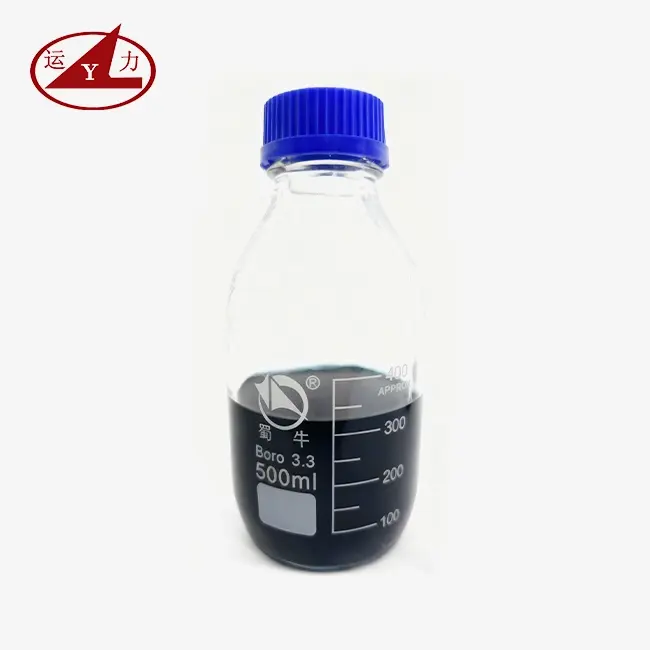
Chromium chloride hexahydrate (CrCl₃·6H₂O, CAS# 10060-12-5) is a dark green solid material that is often used in making catalysts, electroplating, and tanning leather. Due to its great solubility in water and molecular weight of 266.45, it is perfect for use in industry. When used chromium products get into the world in the wrong way, they cause a lot of problems. Trivalent chromium is not as dangerous as hexavalent chromium, but it can still build up in soil and groundwater and mess up the communities of microbes and plants. Over time, some natural situations, like high pH or strong oxidizing agents, can change trivalent chromium into the much more dangerous hexavalent form, which is known to cause cancer and mutations.
Origin and Contamination Pathways
Electroplating pools, metal finishing processes, and lab study are where most of the spent chromium solutions come from. Chromium ions are put onto metal surfaces during the plating process, leaving behind an acidic solution that is less concentrated but still very strong. This used material usually still has metal ions, chlorides, and chemical substances added during production. Chromium compounds get into surface water, soil layers, and drinking water sources when these solutions are dumped without being properly cleaned. The effects go beyond harm to the environment; towns downstream from facilities that don't follow the rules have had higher amounts of chromium in their water, which has led to expensive cleanup efforts and legal action.
Real-World Consequences of Improper Disposal
A lot of case studies show how bad chromium waste management costs money and hurts the environment. After officials found raw chromium-filled wastewater seeping into a nearby stream, a midwestern electroplating plant had to pay over $2 million in fines and cleanup costs. Chromium levels in the soil were ten times higher than what is allowed by law. This means that the site can't be used for commercial or household purposes in the future without a lot of cleaning up.
These kinds of problems show how important it is to take effective compliance steps. These risks can be reduced if procurement and supply chain managers choose providers with strong environmental controls. This will protect their companies from legal trouble and damage to their image, especially when handling a Chromium Chloride Solution.
Overview of Global Environmental Regulations on Chromium Waste Disposal
United States EPA Regulations and RCRA Classification
The Resource Conservation and Recovery Act (RCRA) tells the Environmental Protection Agency (EPA) how to get rid of dangerous trash in the United States. When the total amount of chromium in waste exceeds 5 mg/L in the Toxicity Characteristic Leaching Procedure (TCLP) test, it is called characteristic toxic waste (D007). The places that make spent chromium solutions need to sign up as hazardous waste generators, keep thorough records, and work with approved treatment, storage, and disposal facilities (TSDFs).
The Clean Water Act sets pretreatment guidelines that are different for each local government that further limits chromium release to publicly owned treatment works (POTWs). In some places, like California and New York, chromium runoff is even limited, and plants must reach almost zero effluent concentrations before releasing wastewater.
European Union REACH and Waste Framework Directive
The trash Framework Directive and the REACH rule (Registration, Evaluation, Authorization, and Restriction of Chemicals) say how chromium trash can be thrown away in the European Union. REACH requires companies that make or import chromium compounds to give a lot of safety information, like how the chemicals will affect the environment and what might happen if someone gets exposed to them. The garbage Framework Directive says that chromium-containing garbage is dangerous and that member states must set up systems for collecting, treating, and getting rid of it in a way that doesn't pollute the environment.
In the EU, the maximum amount of chromium that can be released into wastewater is very low—usually 0.05 mg/L or less, based on how sensitive the receiving water body is to environmental damage. Companies that do business in or send goods to the EU must make sure that all chromium products, including any Chromium Chloride Solution, can be tracked and keep up-to-date compliance paperwork, such as trash transfer notes and treatment center certifications.
Asia-Pacific and Emerging Market Regulations
In the Asia-Pacific area, regulatory systems are very different from one country to the next. The National Hazardous Waste List is enforced by China's Ministry of Ecology and Environment. Chromium compounds are on this list, and sites are required to use closed-loop systems whenever they can. The Central Pollution Control Board of India requires electroplating and tanning businesses to have effluent treatment plants (ETPs). For inland rivers, chromium discharge limits are set at 2 mg/L.
These changing rules are a result of people around the world wanting to match standards and becoming more aware of the environment. When buying chromium-based products from or in these areas, business-to-business procurement teams need to do a lot of research to make sure that the sellers have the right environmental permits and follow the right disposal procedures in those areas.
Best Practices and Compliance for Safe Disposal of Spent Chromium Chloride Solutions
Proper Storage and Handling Protocols
Storing used chromium chloride solutions correctly is the first step to safe removal. Because a Chromium Chloride Solution is acidic (pH less than 2.0), facilities should use high-density polyethylene (HDPE) or steel tanks sealed with rubber to keep them from rusting. To keep spills and seepage from getting into the ground or dirt, you need secondary containment devices that can find leaks.
People who work with these substances need to be trained on how to handle toxic dangers, use personal protective equipment (PPE), and handle emergencies. Labeling storage cases clearly with the chemical name, concentration, and safety warnings makes sure that they are handled safely during the entire dumping process. Putting limits on how long something can be stored lowers the chance that it will break down or leak accidentally.
Industrial Treatment Methods
Several chemical processes are needed to effectively treat used chromium chloride solutions in order to lower their toxicity and restore valuable materials. Chemical reduction changes the pH levels so that chromium hydroxide crystallizes. This is a solid that can be cleaned and sent to be processed further or thrown away. Any small amount of hexavalent chromium can be changed back to the safer trivalent state using reduction processes and chemicals like sodium metabisulfite.
Ion exchange resins and membrane filtration are two advanced treatment methods that make it possible for facilities to get back high-purity chromium that can be used again in production. This turns a trash burden into a resource asset. These closed-loop systems cut down on the amount of waste that needs to be thrown away and the cost of running them. They also show lawmakers and customers that they care about the environment.
Partnering with Certified Waste Management Providers
Contracting with qualified hazardous waste management companies makes sure that the end dumping is legal. Treatment, storage, and dumping facility licenses from the EPA or the state are held by reputable providers, and these facilities are regularly inspected to make sure they are meeting operating standards. When buying teams choose a waste management partner, they should ask to see copies of their current licenses, look at the provider's history of breaking the law, and make sure that their handling methods are in line with best practices in the industry.
Clear prices and thorough paperwork for keeping track of trash keep secret costs and legal problems at bay. Having long-term ties with reputable trash handlers makes logistics easier, lowers the administrative load, and gives you peace of mind that chromium waste is handled properly from birth to death.
Procurement Considerations for Ensuring Regulatory Compliance
Selecting Certified Chromium Chloride Suppliers
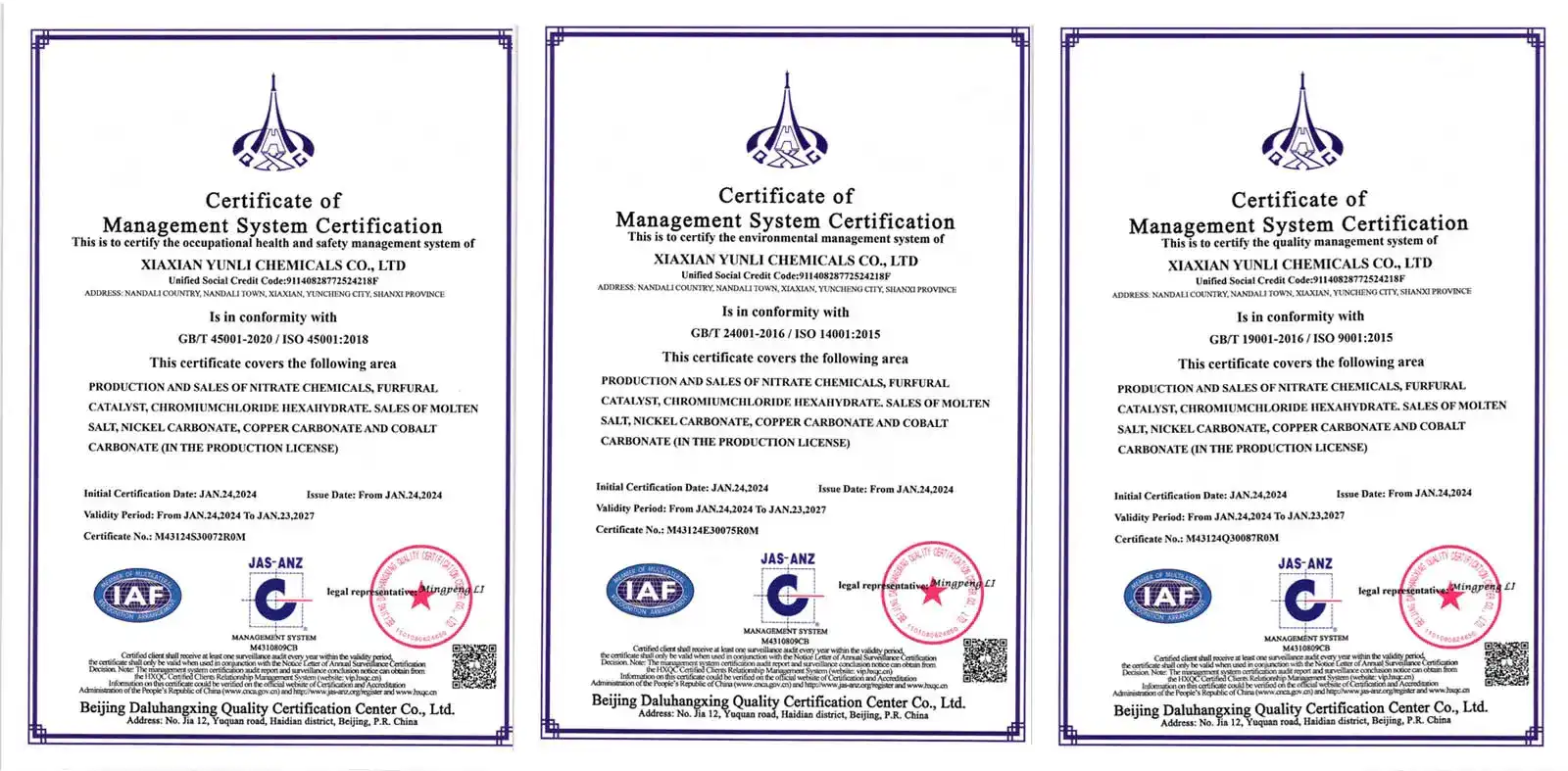
Buying choices have a direct effect on problems that come up later with trash management. Choosing chromium chloride providers who care about the environment lowers the amount and variety of hazardous trash that is made. Suppliers who are recognized by ISO 9001, ISO 14001, and OHSAS have strict methods for managing quality and the environment. Yunli Chemical, which has been around since 2005, has these licenses and runs modern wastewater treatment plants that can reuse 99.2% of the chromium they collect.
Our ultra-high purity grades (more than 99.5% pure, with iron impurities below 30 ppm) keep contaminants that make further waste handling more difficult to a minimum. Procurement teams can lower their companies' garbage disposal costs and legal risk by choosing suppliers with clear environmental records and a stable Chromium Chloride Solution supply.
Understanding Hazardous Material Transport Regulations
Following U.S. rules is necessary when transporting chromium chloride liquids and their used forms. Hazardous materials rules from the Department of Transportation (DOT). To keep accidents from happening during transportation, you must use the right classification, packing, labeling, and paperwork. Most of the time, spent chromium solutions are labeled as UN3264, which means they are corrosive, acidic, and inorganic, and they need to be packaged and labeled in a way that is approved by the UN.
Every package must come with a manifest that lists where the trash came from, what it is made of, how much of it there is, and where it is going. To make sure compliance goes smoothly, procurement teams should work with transportation partners who know how to move dangerous materials. If you mess up in this area, your shipments could be delayed, you could be fined, and you could be held responsible if there are accidents or spills.
Strategic Bulk Purchasing and Inventory Oversight
A key part of buying strategy is balancing practical needs with the ability to make waste. Buying chromium chloride solutions in bulk can lower the cost per unit and make the handling of the supply chain easier, but it needs to be weighed against the ability to store the solutions and treat trash. If you have too many chromium materials on hand, they may go bad or need to be thrown away as dangerous trash because they are old.
Implementing just-in-time stocking systems and working with dependable providers that can deliver quickly cuts down on waste while keeping production going. Yunli Chemical offers a range of flexible packing options, such as 25 kg PE-lined bags for R&D trials and IBC containers for bulk industrial use. They also offer free samples of up to 500 grams to help procurement teams correctly predict their needs without having to commit to large amounts.
Case Studies and Industry Examples of Compliant Disposal Practices
European Electroplating Company's Regulatory Journey
Due to REACH rules, a major German electroplating company was under more and more pressure to stop using hexavalent chromium. To switch to plating methods that use trivalent chromium chloride, the process had to be redesigned and money had to be spent on building new wastewater disposal facilities. To get the best plating bath chemistry, the company teamed up with a chromium provider that offered low-chloride formulas and on-site expert help.
Within 18 months, the plant was in line with REACH, cut chromium emissions by 85%, and collected more than 60% of the chromium from used baths so it could be used again. The cost of getting rid of trash each year went down by €120,000, and better environmental performance brought in new clients looking for sustainable supply chain partners. The case shows how proactive treatment spending and smart supplier selection for your Chromium Chloride Solution can help with both following the rules and getting a competitive edge.
U.S. OEM's Upgrade to Advanced Waste Treatment Systems
A big original equipment maker (OEM) of cars in Michigan improved the way it finishes metal to meet tougher state chromium discharge limits. The building put in a wastewater treatment system with several stages, including chemical reduction, precipitation, and membrane filtering. The system took used chromium chloride solutions from artistic plating lines and lowered the amount of chromium in the wastewater to less than 0.05 mg/L, which is half of the limit set by the state.
A 40% drop in trash hauling costs and the sale of salvaged chromium precipitate to a recycling center more than paid for the $1.8 million investment. Also, the OEM's improved environmental image helped its standing with customers who care about the environment and put it in a better position to bid on government contracts that need to see proof of sustainability practices.
Lessons for Procurement Teams
These examples show buying and management teams useful things they can do. Long-term costs and legal risk are lower when you invest in treatment technology and relationships with suppliers. Creating internal audit tools that check for environmental certifications, accurate trash tracking, and treatment method verification helps keep supply chains that are very complicated compliant. Environmental health and safety (EHS) staff, production engineers, and finance managers should all be involved by procurement teams in figuring out the total cost of ownership for chromium-based products. This includes the costs of disposal and any possible responsibility. Suppliers who offer full support, such as expert advice, safety paperwork, and a range of shipping choices, are very helpful in making operations affordable.

Conclusion
Getting rid of used chromium chloride solutions in a way that doesn't harm the environment requires a deep knowledge of both federal and state laws, smart trash management, and smart buying decisions. The Chromium Chloride Solution is essential for electroplating, catalysis, and specialized manufacturing because it dissolves easily, is acidic, and can be used in a wide range of industries. To follow the rules set by RCRA, the Clean Water Act, and foreign agreements like REACH, businesses must use chemical treatment methods, keep detailed records, and work with licensed trash handlers.
The procurement team is very important because they choose sellers with good environmental records, make sure that regulations for transporting dangerous materials are followed, and make sure that inventory levels are balanced with the capacity to treat trash. Case studies from real life show that investing in advanced treatment technology and working together with suppliers can save a lot of money, reassure regulators, and set you apart from competitors in markets that are becoming more concerned with sustainability.
FAQ
Q1: What makes spent chromium chloride solutions hazardous?
A: There are a lot of trivalent chromium ions, acidic chlorides, and leftover pollutants from industrial processes in used chrome chloride solutions. Hexavalent chromium is more dangerous than trivalent chromium, but if it is thrown away improperly, it can build up in the environment and change into the more dangerous hexavalent form when exposed to oxygen. The strong acidity of these solutions can also hurt marine life and damage buildings.
Q2: How can I tell if my chromium waste requires special handling?
A: Use the Toxicity Characteristic Leaching Procedure (TCLP) test to find out how much total chromium is present. If the results are higher than 5 mg/L, the trash is considered hazardous under RCRA (D007) and must be managed by people who are qualified to handle hazardous waste. Check with your state's environmental office because some places have tighter rules when disposing of a Chromium Chloride Solution.
Q3: Can chromium be recovered from spent solutions?
A: Yes, recovering chromium is good for both the economy and the earth. Chemical precipitation, ion exchange, and membrane filtration are some of the methods that can be used to get high-purity chromium that can be used again. This cuts down on trash and the cost of raw materials. Yunli Chemical's closed-loop methods recover 99.2% of chromium, which helps make production more environmentally friendly.

Partner with Yunli Chemical for Compliant Chromium Chloride Solution Supply
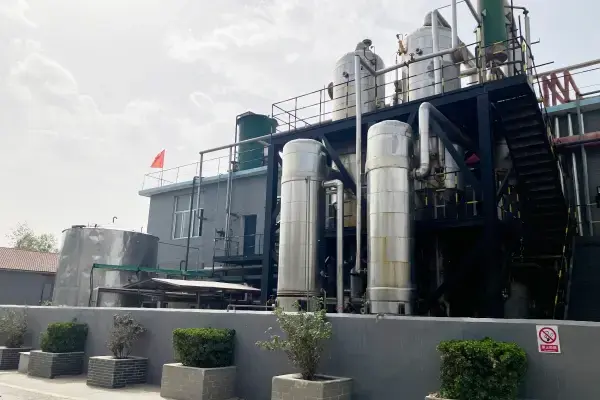
Yunli Chemical is a well-known and reliable company that has been making chromium chloride solutions for over twenty years and is always concerned with being environmentally friendly. Our Chromium Chloride Solution (CrCl₃·6H₂O, CAS# 10060-12-5) is more than 99.5% pure, with iron impurities below 30 ppm. This makes sure that it works well in electroplating, making catalysts, and other specialty chemical uses. We have modern closed-loop wastewater treatment plants that recover 99.2% of chromium for reuse and are certified by the ISO 9001, ISO 14001, and OHSAS management systems. This makes it much easier for you to get rid of trash.
With ICP-MS and atomic absorption spectrometers, our provincial-level business technology center ensures strict quality control and the ability to make high-purity grades that are exactly what you need. We give you all the paperwork you need to follow the rules in the U.S., the EU, and other countries. This includes MSDS, COA, and TDS. We make it easier to buy things by offering factory-direct prices, a variety of packaging choices, and no minimum order amounts. This way, we can provide a steady supply over the long term. You can email our team at wangjuan202301@outlook.com to get free samples of up to 500 grams of chromium chloride solution for sale or to talk about making your own formulas.
References
1. U.S. Environmental Protection Agency. (2022). "Hazardous Waste Identification Rule (HWIR): Chromium Waste Management Standards." Federal Register, Volume 87.
2. European Chemicals Agency. (2021). "REACH Compliance Guidance for Chromium Compounds: Registration and Authorization Requirements." ECHA Publication Series.
3. National Institute for Occupational Safety and Health. (2020). "Chromium Compounds: Occupational Exposure and Environmental Health Guidelines." NIOSH Publication No. 2020-145.
4. American Electroplaters and Surface Finishers Society. (2019). "Best Management Practices for Trivalent Chromium Plating and Wastewater Treatment." AESF Technical Manual.
5. Ministry of Ecology and Environment, People's Republic of China. (2021). "Technical Guidelines for Hazardous Waste Management in Electroplating and Metal Finishing Industries." MEE Standard HJ 2002-2021.
6. World Health Organization. (2020). "Guidelines for Drinking-water Quality: Chromium in Drinking Water." WHO Geneva Publication Series on Water Quality Standards.