


What are the main applications of aluminium nitrate in manufacturing?
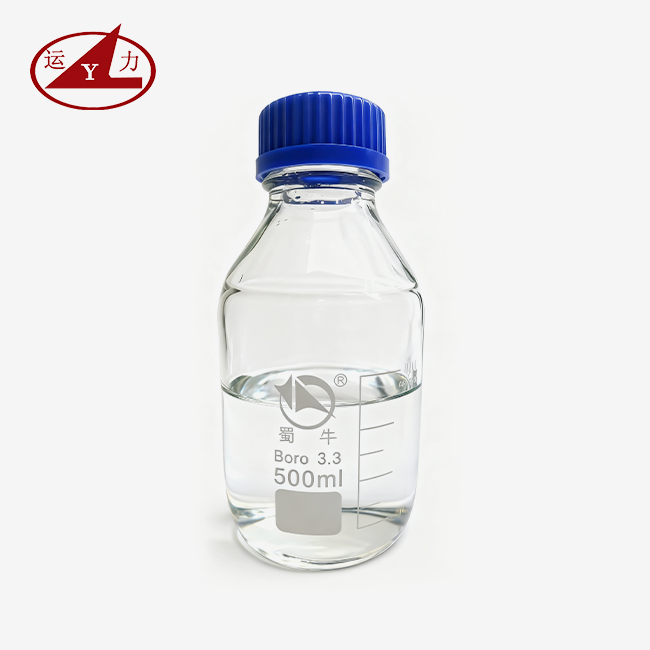
Aluminium Nitrate is a key material that is used in many modern industries. Aluminium Nitrate Nonahydrate (Al(NO₃)₃·9H₂O) is a valuable artificial material because it can oxidize, dissolve easily in water, and react chemically to release aluminium ions. It is mostly used in production to make catalysts for processing oil, as a mordant to make dyes last longer on fabric, and in tanning processes to make leather that is of high quality. Besides these major uses, it can also be used as a starting material to make unique aluminium compounds, as a coagulant to help clean water, and to make high-tech ceramics and electrical materials. If procurement managers and technical experts know how these materials are used, they can choose wisely where to get them so that they meet quality and output goals.
Understanding Aluminium Nitrate – Chemical Properties and Industrial Relevance
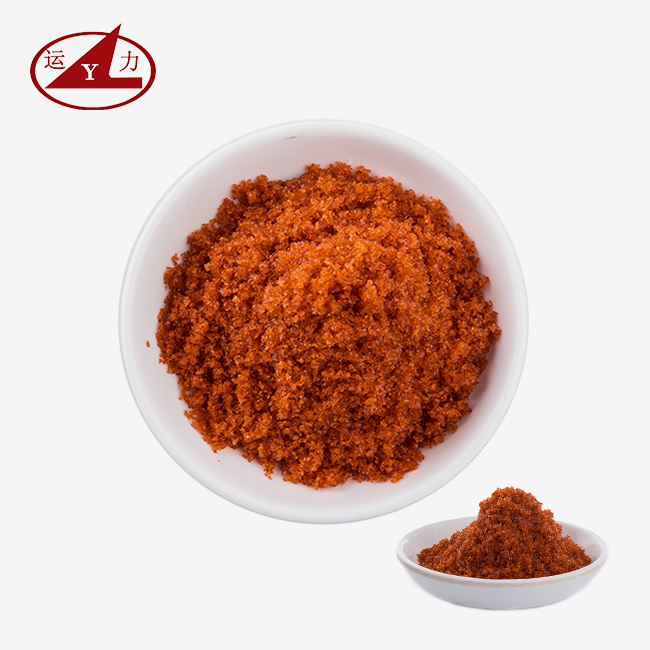
Its molecular formula, Al(NO₃)₃, tells us what kind of chemical Aluminium Nitrate is, even though it forms most often when it is wet. The nonahydrate form has 375.13 g/mol of molecular weight, which means that each formula unit has nine water molecules. This thick white stuff is very hygroscopic, which means it takes in water from the air around it right away.
Physical Characteristics That Matter for Manufacturing
Aluminium Nitrate Nonahydrate melts at 73.9°C and begins to break down at 150°C, releasing nitrogen fumes as it does so. It breaks down quickly in water (about 64 grams per 100 milliliters at 25°C), so it can be used in places where things need to be broken down quickly. It is important to keep this in mind when picking liquids for different tasks. Alcohols and ethylene glycol don't dissolve the material very well. Aluminium ions are broken down by water, which turns the stream acidic. This changes how pH is controlled in manufacturing processes.
Handling Considerations and Safety Profile
Care must be taken to store aluminium nitrate away from things that can catch fire and things that lower the air's oxygen level. It hurts the skin when it comes in close contact with it, so the right safety gear needs to be worn when taking care of it. Material Safety Data Sheets stress how important it is to have good cooling and keep spills under control. For uses that are sensitive to metal contamination, it's helpful for sellers to give full MSDS papers and Certificates of Analysis that show purity standards and impurity profiles. This is especially true for uses that need iron content below 0.01%.
Main Industrial Applications of Aluminium Nitrate
Aluminium Nitrate is useful because it can be used in many chemical processes and still give off aluminium in a clean form that doesn't contain chloride. A lot of different types of making use this chemical in their main processes.
Catalyst Production and Petrochemical Processing
Making triggers is one of the hardest things which can be done. This is the best way to get aluminium for making catalyst supports that are used in hydrodesulfurization units after oil has been processed. With these helpers, sulfur chemicals are taken out of different parts of crude oil. When companies make oil and gasoline, this helps them follow strict rules about the environment.
In this case, the mixture works because it breaks down easily. When heated during catalyst preparation, aluminium nitrate turns into gamma-alumina with a lot of surface area. This is done without leaving behind any dangerous metals that would stop the chemical activity. This feature solves a very important issue: it keeps the catalyst running well over time without letting the chemicals used in production hurt it. Refineries that use ongoing catalytic units like how stable this material is because it saves them a lot of money on changing catalysts.
Textile Industry and Dye Fixation
There are companies that use aluminium nitrate as a mordant. It connects the color molecules to the fibers of the fabric chemically. This program is very important for making fabrics that keep their color even after being washed a lot and being in the sun. Aluminium mordanting works best for getting cotton, silk, and wool ready.
A weak aluminium nitrate solution is used on fabric before or during the dying process. This is known as mordanting. The chromophoric groups in the dye and the hydroxyl or amino groups in the fiber align with aluminium ions to form links. This keeps the molecules of color in place. Aluminium nitrate is better than regular alum (aluminium sulfate) in some manufactured dye systems. It also keeps sulfate from building up in wastewater streams, which is helpful for places that have to follow strict rules about how they can dump waste.
Leather Tanning and Surface Treatment
When leather goods are made, aluminium nitrate is used as a dye to make them white or light colored. Using aluminium to tan the cloth keeps its light color but makes it more stable and resistant to heat. Tans that use chromium, on the other hand, make it look blue-green. Because of this, the mix is great for making unique furniture, high-quality leather for cars, and materials for binding books.
When aluminium is used to tan leather, the collagen fibers in the hide become cross-linked. Protein chains become strong when aluminium ions join them together. This turns raw hide that will rot into leather that will last. The material is liked by processing companies because it can tan evenly with little grain warping. This helps with quality consistency issues that often happen in large-scale production.
Specialty Chemical Synthesis
Chemical firms use aluminium nitrate as a building block to create other aluminium salts and goods. It is very pure and easy to dissolve, which makes it useful for mixing reactions and keeping an eye on them while they happen. The chemical is used in organic synthesis as a nitrating agent. It adds nitrogen groups to target molecules and gives aluminium for transition steps later on.
In the lab and in bulk chemical production, aluminium nitrate is used to make aluminium hydroxide, basic aluminium salts, and organometallic compounds. Sites that study material science like high-purity grades (≥99.9%) for making new materials because tiny impurities would mess up the results.
Water Treatment Applications
In some water treatment systems, sulfate ions can cause problems further down the line, so aluminium nitrate is used instead. However, aluminium sulfate is used more often in normal city water treatment. The chemical acts as a coagulant, taking away the charges of colloidal matter and suspended particles to make them less solid. Particles can be taken out of a floc by settling or screening.
A process called nitrate-based coagulation can help wastewater treatment plants that deal with certain kinds of trash. Aluminium nitrate is sometimes used instead of sulfate by companies that make electronics, drugs, and food. This is because sulfate can get in the way of later cleaning steps or systems for recycling products.
Comparing Aluminium Nitrate with Other Aluminium Compounds for Manufacturing
In order to decide what to buy, many people compare Aluminium Nitrate to other types of aluminium. Because everything has an anionic part, each one has its own pros and cons.
Aluminium Nitrate Versus Aluminium Sulfate
Aluminium sulfate is used to treat a lot of water and make paper because it costs less per equal of aluminium. On the other hand, sulfate ions build up in recycling streams and help tools get scaled. No need to worry about these things because aluminium nitrate does the same things that aluminium does. When sulfate influence leads to issues with operation or environmental compliance, the higher cost (30–50%) is acceptable.
It is clear that aluminium nitrate is better at making catalysts than its cousin aluminium sulfate. Aluminium sulfate can get into and hurt a lot of different kinds of catalytic systems, especially those that are used to break down and rebuild petrochemicals. Nitrate is the only one that can be used for these purposes because it breaks down easily at high temperatures.
Aluminium Nitrate Versus Aluminium Chloride
Aluminium chloride is helpful in organic chemistry and polymerization because it is a strong Lewis acid. But it's hard to work with because it soaks up water and gives off hydrochloric acid smells. Aluminium chloride's chloride ions can also eat away at stainless steel and stop some chemical processes from happening.
Another choice is aluminium nitrate, which is less dangerous but can still corrode. Textile and leather workers stay away from things that contain chlorine to keep metal processing tools from rusting and fibers from breaking down. The nitrate is useful in places that don't have the right tools for handling it because it is safe in water and easy to store.
Selection Criteria for Procurement Teams
There are a lot of things to think about when choosing between aluminium products. The level of purity must match how sensitive the application is. To make catalysts, for example, the amount of iron, silica, and heavy metals must be strictly controlled. On the other hand, cleaning water can get away with less strict rules. How quickly things break down and how regularly the process happens depend on how the particle sizes are spread out. What kind of packing you choose affects how easy it is to handle and how likely it is that something will get dirty.
Dependability of the supplier could become the most important thing in the decision-making process. For manufacturers who use ongoing processes, supply problems and changes in quality from batch to batch are too much to handle. It's safer to buy a lot from well-known companies that have quality management certifications and production records that can be looked at.
Procurement of Aluminium Nitrate for Manufacturing – What B2B Buyers Should Know?
To find Aluminium Nitrate, you need to know more than just the basics. You also need to know how the supply chain works and what quality control measures are used to tell good sellers from bad ones.
Quality Documentation and Compliance
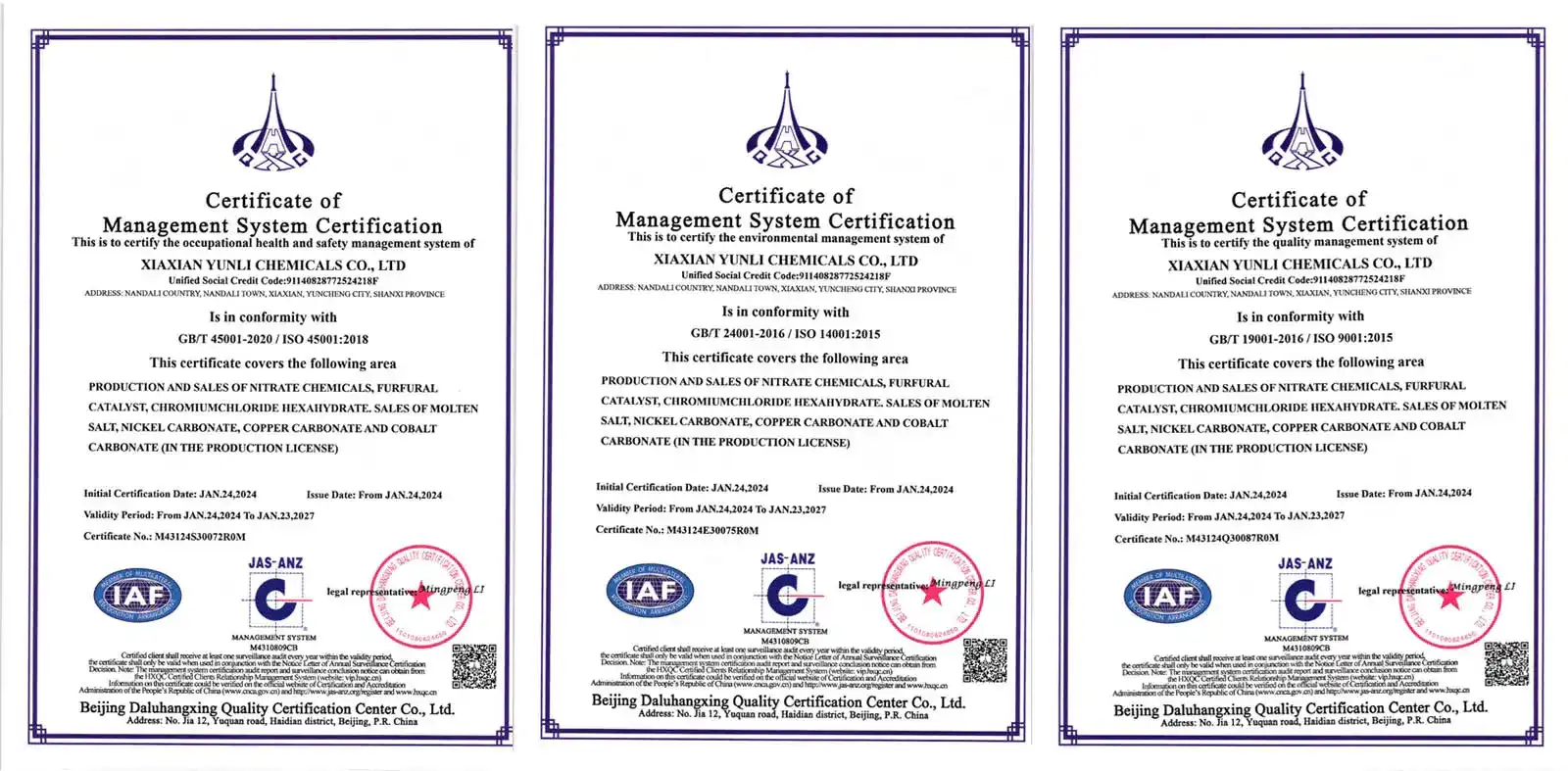
There should be papers that shows that every package of aluminium nitrate meets the rules inside it. There are important information about each batch's purity, impurity levels, particle size distribution, and more on the Certificates of Analysis. These papers help you get reviews and meet the quality system requirements of ISO 9001 and other similar rules.
To follow the rules and keep things safe, you still need MSDS papers. Full safety data sheets state the right way to store things, what to do in an emergency, and how to get rid of them. Suppliers who give detailed MSDS that are regularly updated show that they care about the safety of their customers and following the rules.
For jobs that need to report on the environment, suppliers need to show proof that the ways they make things are green. Getting ISO 14001 approval is a good sign that the environment is being cared for in a planned way. Specific licenses and records of compliance are even stronger proof.
Understanding Packaging and Logistics
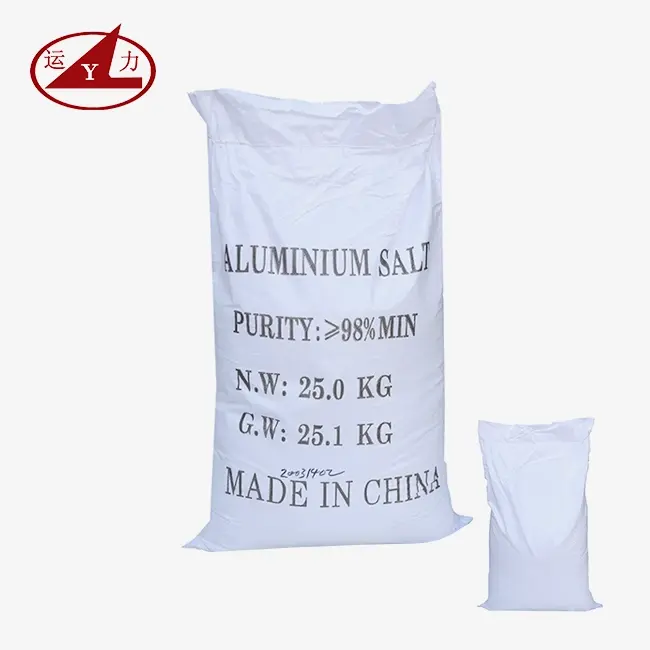
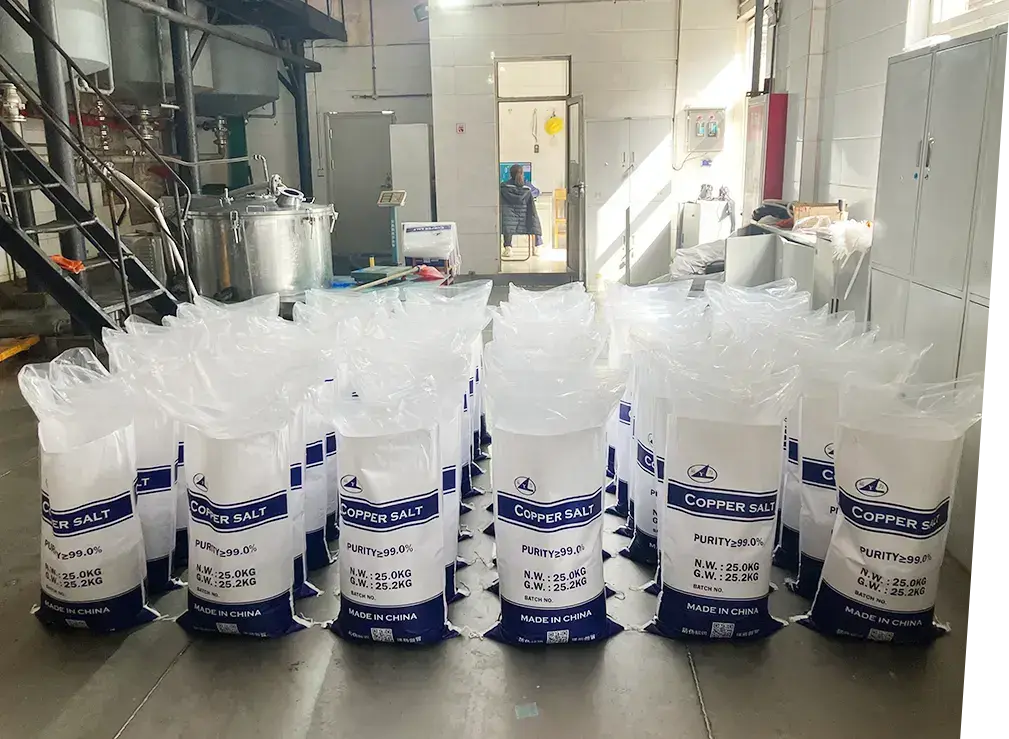
Aluminium nitrate needs to be packed in a way that keeps water out because it soaks up water. Good companies store and ship their goods in covered drums or multilayer bags with plastic covers to keep moisture out. How you pack something impacts how long it lasts and how simple it is to move. For instance, places that use robotic systems to move things around may need certain bag sizes or pallet forms.
The oxygen class of the molecule changes how it is shipped. It has the UN number 1438, which means it is dangerous and needs to be properly labeled, kept away from things that aren't safe, and moved carefully. These requirements are easy for sellers with a lot of experience to meet. However, buyers should make sure that the people helping them ship the chemicals know the rules so that the goods don't get held up or rejected at customs.
Establishing Supplier Relationships
Having a relationship with a source for a long time is better than just getting something once. When you have established relationships, it's easier to guess what people will want, set goals when supplies are low, and work together to fix issues when they come up with application problems. When suppliers offer expert support, they can help fix problems and make the process better, which is an extra benefit that goes beyond the product itself.
When they first work with a seller, many business buyers look at samples. Labs can test the goods before placing big orders when they are given 500-gram samples. Good suppliers give these samples away for free because they know that customers will stick with them for a long time if the samples work. Using this way of trial and error lowers risk and sets high standards at the same time.

Optimizing Your Manufacturing Process with Aluminium Nitrate
Choosing the right products is important, but how they are handled, kept, and how well they work together is also very important. Best working practices keep workers safe and make products work better.
Storage and Handling Best Practices
Aluminium Nitrate needs to be kept in cool, dry places where the air is controlled. Warehouses should try to keep the temperature below 25°C as much as possible, since higher temperatures make it easier for things to soak up water and maybe harden. The substance should not come into contact with living things, burning materials, or reducing agents because it oxidizes them.
The quality of the packages should be checked often because broken packaging lets moisture and germs in. First-in, first-out stocking keeps things from being kept for too long, which could hurt their quality. People who work with the substance should be shown the right way to put on PPE, like safety glasses, gloves that can handle chemicals, and dust masks when moving powder.
Process Integration Strategies
You need to know how the properties of aluminium nitrate change the conditions of the process in order to combine production well. It is easy to dissolve, so concentrated stock solutions can be made. This makes doses easier and cuts down on the number of times the material needs to be handled. But making the solution makes heat, so the temperature has to be kept in check so that things don't break down too fast.
In water-based processes, it's important to keep an eye on the pH because aluminium nitrate solutions are acidic. Certain steps further down the line might need to be reduced or balanced if the pH changes. This thing doesn't work well with some biological materials or reducing agents because it is an oxidizer. What this means is that the chemistry of the whole mixture needs to be looked over very carefully.
Emerging Applications and Future Trends
New tools are making aluminium nitrate more useful in business. In new battery technologies that study aluminium-ion systems, aluminium nitrate is used as a solution. Nanomaterial production starts with this mixture to make aluminium oxide nanoparticles that are all the same size and shape.
In organic synthesis, green chemistry projects choose aluminium nitrate over choices that contain chloride. Less halogenated trash is made because of this. Tougher rules on the environment and company claims to be better for the environment both fit with this trend. Nitrate-based chemicals are being used more and more by manufacturers who want to use better ways that don't hurt the environment.
Conclusion
Aluminium Nitrate is very useful in a lot of different fields, from making specialty chemicals and fabrics to coloring leather and catalysts. Other chemicals can't solve some technical issues as well as this one can because it breaks down neatly, dissolves easily in water, and gives you aluminium without chloride. When you buy something, you need to pay attention to good papers, how reliable your providers are, and the right way to do things. There are more and more places where aluminium nitrate is being used because companies need to be more efficient and less harmful to the earth. If procurement workers know what this chemical is used for and where to get it, they can make smart choices that boost the quality of products and the efficiency of operations.
FAQ
Q1: What safety equipment is required when handling Aluminium Nitrate?
A: People who work with Aluminium Nitrate should wear chemical-resistant rubber or neoprene gloves, safety glasses with side shields, and dust masks or respirators when working with powder forms. With a protective covering on, liquids don't get on your skin. Places of work need to have safety baths and places to wash your eyes in case of an accident. Because the chemical oxidizes living things, cotton clothes are less likely to catch fire than manufactured ones.
Q2: How do I select the appropriate purity grade for my application?
A: It is enough to use industrial-grade material that is at least 98% clean to treat water and do other chemical processes. Most of the time, the needs are the same for both cloth and leather uses. The stuff used to make catalysts has to be more pure (≥99.5%), and there can't be any iron, silicon, or heavy metals in it. To give you an example, analytical grade or better (≥99.9%) might be needed to make electronic materials and pharmaceutical intermediates. Talk to people who know a lot about your process to find out what impurities might hurt the quality of the product or the way it works.
Q3: What are the key considerations for international shipping?
A: As per UN1438 and Packing Group III, aluminium nitrate is a Class 5.1 Oxidizing Substance that can be shipped. Dangerous goods statements, MSDS, and reports of analysis must be used to properly record it. The right warning signs must be on shipping containers, and they must also meet standards for chemical packing. Separation rules say that you can't add biological materials, flammable substances, or some other chemical groups at the same time. Working with freight forwarders who know about chemical operations will help you follow the rules and avoid delays at customs check points that cost a lot of money.

Partner with Yunli Chemical for Reliable Aluminium Nitrate Supply
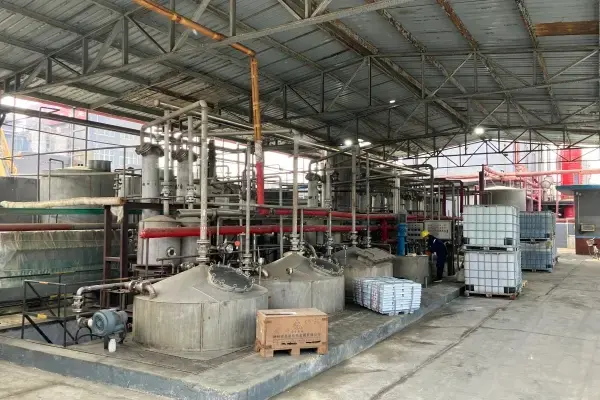
Yunli Chemical has been making Aluminium Nitrate for more than twenty years and has been fulfilling tough business needs all over the United States. We cut out the middlemen with our factory-direct supply model, which means we can give you cheap prices without lowering the quality standards your business needs. We have ISO 9001, ISO 14001, and OHSAS certifications, and we are a Shanxi Provincial Enterprise Technology Center. These show that we are committed to always providing high-quality products and taking care of the environment.
AAS and ICP-MS are used in our advanced quality control lab to make sure that every batch of products we send out meets the standards. The amount of flaws is very strict. The iron content must be less than 0.01% so that it can work with electrical materials and sensitive catalysts. We can make products that are just right for you, whether you need standard commercial grades or very pure 4N materials. Some of these solutions are water-based solutions with different amounts and packing options.
You can get free samples of up to 500 grams to see how good the product is before you decide to make a lot of it. Our tech team is always ready to help during the review and delivery process. Send us an email at wangjuan202301@outlook.com to talk about your aluminium nitrate needs and find out how our steady supply, detailed paperwork, and expert know-how can help your production.
References
1. Smith, J.R., & Chen, L. (2021). Industrial Applications of Inorganic Nitrates in Modern Manufacturing. Cambridge: Royal Society of Chemistry Publications.
2. Martinez, A.P. (2020). "Aluminium Compounds in Catalyst Synthesis: A Comparative Analysis." Journal of Industrial Chemistry, 47(3), 215-234.
3. Thompson, K.L., & Davidson, R.M. (2022). Textile Processing Chemicals: Principles and Applications. New York: Wiley Industrial Press.
4. Zhang, W., & Kumar, S. (2019). "Mordant Chemistry in Modern Dyeing Processes." Surface Treatment Technology Review, 34(2), 156-178.
5. European Chemical Agency (2023). Safety and Environmental Assessment of Aluminium Nitrate in Industrial Contexts. Helsinki: ECHA Technical Reports.
6. Anderson, B.T., Wilson, D.F., & Park, J.S. (2020). Chemical Procurement Strategies for Manufacturing Excellence. Chicago: Industrial Supply Chain Institute Press.