


What are the industrial applications of nickel nitrate chemicals?
Nickel Nitrate, scientifically known as Nickel Nitrate Hexahydrate (Ni(NO₃)₂·6H₂O, CAS 13478-00-7), serves as a cornerstone chemical in diverse industrial sectors ranging from catalyst manufacturing to advanced battery production. This emerald-green crystalline compound offers exceptional solubility in water and delivers ultra-high purity with minimal impurities—qualities that make it indispensable for precision applications like hydrogenation catalysis, electroplating, ceramic glazing, and energy storage systems. Its versatility stems from its clean thermal decomposition, which yields pure nickel oxide without sulfur or chlorine residues that could contaminate sensitive processes.

Understanding Nickel Nitrate: Key Properties and Industrial Relevance
Chemical Structure and Physical Characteristics
Nickel Nitrate Hexahydrate is a solid that is green and dense. Its molecular weight is 290.81 g/mol. What this means is that it easily takes in water from the air. Because of the way it is built, six water molecules are connected to each nickel ion. There is 2.05 specific density in the mix, and it melts at 56.7°C. At 100°C, it turns into an anhydrous salt after going through steps of drying out.
Between 260°C and 300°C, the material fully breaks down thermally, creating nitrogen oxides and nickel oxide (NiO). This stuff breaks down easily in water (238.5 g/100 mL at 0°C) and ethanol, but not so much in acetone. This makes it easy to spread evenly in a wide range of industrial recipes.
Safety Profile and Handling Requirements
When this chemical comes in contact with living things, it speeds up the burning process because it is a Class 5.1 oxidizing agent (UN 2725). In other words, it needs to be stored carefully. To keep it from separating and hardening, workers in factories must keep it in barrels with tight lids in places where the temperature stays below 30°C.
For the acidic water solution (pH 2.5–3.5) to be processed, it needs tools that don't rust. It is important to have the right personal protective equipment (PPE) when handling things. For example, safety glasses, gloves that can resist chemicals, and breathing masks are all important. This is especially true when working with powdered forms that can be dangerous to breathe in.
Comparative Advantages Over Alternative Nickel Compounds
It is easy for Nickel Nitrate Hexahydrate to break down into nitrogen oxide gases, leaving behind only pure nickel oxide and no sulfur or chlorine residues that could be harmful. This quality is very important for making catalysts, since sulfur can damage active sites and make them work less well by up to 40%.
It is important to avoid halide ions when making battery precursors because they can cause structural flaws in nickel-cobalt-manganese (NCM) cathode materials. This directly improves energy density and cycle life. Also, the nitrate form can get deeper into porous ceramic supports than nickel salts. This makes it easier for the metal to be spread out evenly across catalyst surfaces.
Major Industrial Applications of Nickel Nitrate
Modern industries leverage Nickel Nitrate's unique properties across multiple high-value applications. Its role has grown from traditional metal finishing to cutting edge energy technologies because people want cleaner products and ways to make things that are better for the environment.
Catalyst Manufacturing for Chemical Synthesis
It is best for catalyst makers to start with Nickel Nitrate Hexahydrate when making supported nickel catalysts that are used in hydrogenation processes, making syngas, and steam methane reforming (SMR). The compound is very simple to dissolve, which makes the method of starting with wetness easier. Nickel ions go deep into the cracks of solids like alumina or silica that hold things together. When heated, this method makes nickel oxide nanoparticles that are very spread out and have more than 150 m³ of surface area per gram.
These are very important if you want to get the fastest reaction movement rates. The production of methanol is stopped by high-quality types that have less than 30 parts per million of iron. 15 to 20 percent less selection can be caused by iron pollution. Because Nickel Nitrate solution is a liquid, it doesn't need to be broken down in steps that use a lot of energy. This cuts costs by about 18% and lowers dust exposure in the workplace.

Electroplating and Surface Treatment Applications
Nickel Nitrate is used in special plating baths in the electroplating industry to coat steel, brass, and zinc die-cast parts with coatings that resist corrosion. To make surfaces smoother and more uniform and to help coatings stick better, it does more than just deposit nickel. It also acts as an oxidant and a grain refiner. Manufacturers like that it doesn't have any harmful chemicals in it and that it can be used with automated plating lines.
On these lines, the quality of the products depends on how well the bath chemistry stays consistent. The compound's anti-caking properties keep it from sticking together even when it's kept. This keeps production from being held up by materials that are hard to move. This is something that small and medium-sized businesses in Asia and Europe really value because it helps them keep quality control standards high.
Battery Material Innovation and Energy Storage
People who make batteries for electric cars are using Nickel Nitrate more and more to make cathode preparations that are high in nickel. In the co-precipitation process, salts of manganese, cobalt, and nickel are mixed together to make mixed metal hydroxides. After that, these turn into high-energy cathode materials like NCM 811, which is made up of 80% nickel, 10% cobalt, and 10% manganese.
Because Nickel Nitrate breaks down easily, the crystal structure of the end product is kept safe. This has a direct impact on how well the battery works. The best chloride amounts for manufacturers are between 50 and 100 parts per million (ppm). This makes precursors stable during heat processing. For a long time, making batteries has had a problem: how to keep the structure the same across large amounts while lowering the amount of capacity lost during charge-discharge cycles. This flexibility solves that problem.
Ceramic Color Glazes and Pigment Production
Nickel Nitrate Hexahydrate is used by pottery companies to make bright brown-to-green glazes for building pots, dinnerware, and decorative tiles. Because the particles in the substance don't change shape, the results are perfect even in industrial kilns that get as hot as 1200°C and have a lot of different temperature levels.
When ceramics are exposed to light, Nickel-based colors don't fade. This is different from organic dyes, which break down at high temperatures. More than 99.5% clarity is what high-end porcelain makers ask for to get rid of color differences caused by small amounts of metal impurities. Normal color-matching systems can't handle these impurities because they can change hue values by a few percentage points.
Procurement Insights for Nickel Nitrate in B2B Markets
Evaluating Supplier Credentials and Quality Indicators
Buyers should give more weight to suppliers who are certified by ISO 9001 for quality management, ISO 14001 for environmental management, and OHSAS for occupational health. So, these are the basic rules that show production is managed in a planned way. When a company is named a provincial technology center, like when regional governments do it in chemical-making areas, it shows that it is good at research and development (R&D) and coming up with new ideas.
It is easy to understand things when suppliers give batch-specific Certificates of Analysis (COA) with lot-number traceability. This is important for regulatory compliance documentation. They know how to keep important pollution levels below the limits set by the industry because they have advanced testing labs with ICP-MS (Inductively Coupled Plasma Mass Spectrometry) and atomic absorption spectrometers.
Pricing Dynamics and Negotiation Strategies
Nickel Nitrate costs change based on how much nickel is worth. Prices range from $8 to $15 per kilogram, depending on the grade of quality and the size of the order. Material for batteries that is very pure (Fe ≤30 ppm, Na ≤50 ppm) costs 20–30% more than standard industry types. People who buy more than 100 metric tons of nickel a year often make deals to keep prices stable that are tied to Nickel quotes from the London Metal Exchange (LME).
This lowers their exposure to spot market volatility. When you buy the material, you should think about how much it will cost to ship because it is dangerous and needs special handling. Sellers who have been in business for a while and handle their own exports avoid middlemen and make sure that all the necessary papers and packing for dangerous goods is done properly.
Supply Chain Reliability and Regulatory Compliance
For continuous production to work, suppliers must have a history of getting goods to customers on time and in good condition. If a business has been around for more than 20 years and makes more than $150 million a year, it usually keeps extra raw materials and production capacity on hand in case there are supply problems. There is paperwork that makes sure packages can cross countries properly.
In Europe, this includes REACH registration, and in the US, it includes TSCA listing and RoHS declarations. When someone buys something, they should make sure that the company has the right certifications to transport dangerous goods and can give them Safety Data Sheets (SDS) that meet the country's rules. It is important to do this so that goods can get through customs and safety rules are followed at work.
Choosing the Right Nickel Nitrate Form for Your Industrial Needs
Solid vs. Liquid Form Selection Criteria
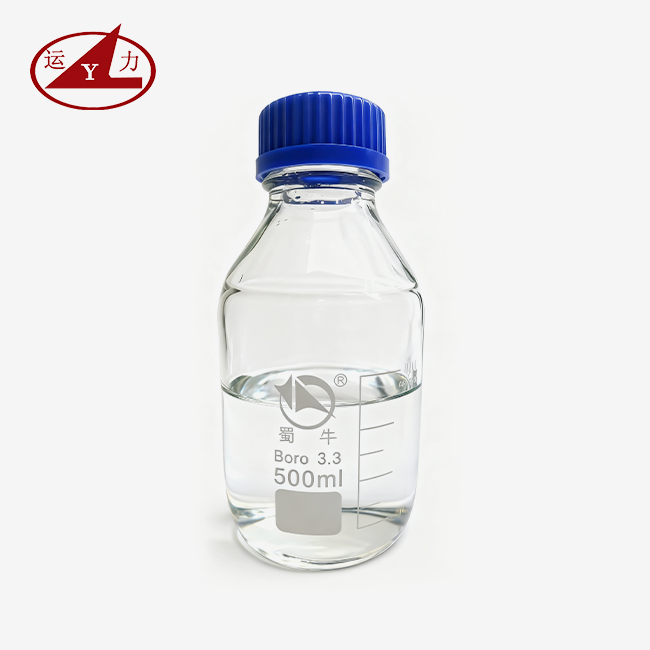
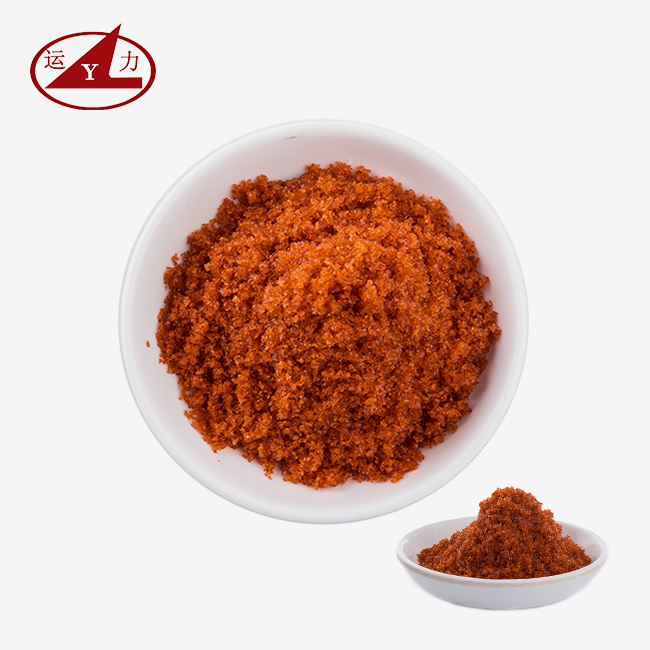
Solid crystalline Nickel Nitrate Hexahydrate works well for batch processing because the material can be weighed out and dissolved on-site. This means that it costs less to move each unit of active nickel content. The liquid solution form, which is usually supplied in IBC tanks at a concentration of 30–50%, doesn't need any dissolution steps at all, which is a big plus for continuous-flow production systems used to make catalysts and battery precursors.
Liquid versions cut exposure to floating particles by up to 95%, which solves the safety issues that come up when working with hygroscopic powders. Which form to use depends on the size of the output, the amount of automation, and whether the goal is to save money up front or improve efficiency over the long run.
Purity Specifications for Specialized Applications
Iron amounts must be less than 30 parts per million (ppm) for companies that make catalysts used in hydrogenation processes. The reason for this is that more iron speeds up different oxidation pathways, making it harder to pick the right product. When making battery predecessors, it's even more important to keep an eye on calcium and magnesium elements that are less than 10 ppm each.
This is because they get in the way of NCM cathode materials forming stacked crystal structures. Standard electroplating uses can handle a little higher impurity amounts (Fe ≤100 ppm) without affecting the quality of the covering. Providers you can trust will let you change the quality of their goods to meet these needs, and their technical support teams can use free sample testing tools to help you find the right product grades for your process.
Mitigating Supply Chain Vulnerabilities
By having suppliers in more than one place, you are less likely to depend on a few key sources that could be affected by problems in one area. Before placing big orders, buyers should make sure that backup sources meet certain requirements. To make sure the products will work with each other, for instance, they could test the process on a small scale.
Negotiating flexible minimum order amounts (MOQ) lets procurement teams keep strategic stock levels without having to spend a lot of money on working capital. They make it easier to try a product without taking too many risks when they give away free samples of up to 500 grams. This helps a lot when you are moving sources or changing how the tests are done.
Future Trends and Innovations in Nickel Nitrate Applications
Growing Demand in Electric Vehicle Battery Supply Chains
Goals set by major car markets for the production of electric vehicles cause Nickel-rich battery cathode materials to grow very quickly. Industry experts say that by 2030, the need for nickel in batteries will have tripled. Nickel Nitrate will become more important as formulators move toward ones with more nickel (NCM 9-0.5-0.5 and above).
This move toward nickel-dominant chemistries is because they have a higher energy density—about 15% higher than cobalt-rich alternatives—which lets cars go farther without the batteries getting larger. Suppliers who invest in battery-grade production capacity with strict controls on impurities will do well in this market segment, which is growing quickly.
Sustainability and Environmental Compliance Pressures
In North America, Europe, and Asia, stricter environmental laws mean that chemical companies have to use closed-loop production methods that make as little waste as possible. Advanced cleaning technologies must be used in processes that release nitrogen oxide when Nickel Nitrate is made in order to meet government standards.
More and more, buyers want to do business with companies that have mature environmental management systems. This includes wastewater treatment plants that can take nickel values from process sources and reuse them. Companies that have these skills not only follow the rules, but they also help the circular economy grow through chemical supply lines of today.
Advanced Catalyst Technologies for Hydrogen Production
Nickel-based catalysts can be used in new ways in the hydrogen economy, like in water electrolysis and steam methane reforming. High-purity Nickel Nitrate is the starting material for creating new types of catalysts that have nanostructured supports and activator elements.
Together, researchers and companies that make catalysts are making materials that can handle more sulfur and last longer. This will help make the process of making hydrogen cheaper. Suppliers with active research and development programs can help with these efforts to come up with new ideas by working with businesses to make customized goods and share technical information.
Conclusion
There is still a need for Nickel Nitrate Hexahydrate in the ceramics, electroplating, catalyst manufacturing, and battery manufacturing industries. This is because it breaks down easily and works well in high-purity settings. To make procurement go smoothly, you need to work with technically skilled providers who offer customizable purity grades, reliable supply continuity, and full regulatory compliance paperwork. The need for high-quality nickel products will rise as companies move toward making things with electricity and in ways that are better for the world. This means that operations teams will need to think more about how to pick suppliers and deal with them.

FAQ
What safety precautions are essential when handling nickel nitrate hexahydrate?
When working with powdered forms of this Class 5.1 oxidizing agent, make sure you have the right PPE on, like chemical-resistant gloves, safety shields, and breathing masks. To keep things from going bad, keep them in covered packages in cool (below 30°C), dry places with controlled humidity. Stay away from things that are alive or that can catch fire. Make and keep up-to-date spill response plans that include steps for reduction and the right way to get rid of harmful waste according to local rules.
Can nickel nitrate substitute for other nickel salts in electroplating applications?
In some plating mixes, Nickel Nitrate can be used instead of nickel sulfate or chloride. However, the bath chemistry needs to be changed because the anion acts in a different way. The nitrate form is better in cases where low sulfur poisoning is needed or where chloride-induced rusting is a problem. Some things to think about when it comes to performance are slightly different throwing power traits and possible changes to brightener added packages. Conduct pilot-scale trials before full production application to confirm coating quality parameters.
How do I identify certified suppliers for industrial-grade nickel nitrate?
Look for companies that have ISO 9001 quality certifications, ISO 14001 environmental certifications, and government-recognized technology center labels that show they can do advanced research and development. Ask for Certificates of Analysis that are unique to each batch and show that they meet your purity requirements, especially the limits for iron, salt, and chlorides.
Make sure the company can give you all the information you need, such as SDS and export compliance papers, and that they have the right licenses to move dangerous goods. Established suppliers that offer free sample programs show that they are confident in the quality of their products and make evaluation easier by lowering the risk.
Partner with Yunli Chemical for Your Nickel Nitrate Supply Needs
We at Yunli Chemical can give you what you need for Nickel Nitrate Hexahydrate. They've been making good stuff for over 20 years and now make more than $150 million a year. Our ISO 9001, ISO 14001, and OHSAS certifications alongside our recognition as a Shanxi Provincial Enterprise Technology Center show our commitment to quality and innovation. We have good materials that can be made to fit your specific purity needs (Fe ≤30ppm, Na ≤50ppm, and Cl⁻ up to ≤50ppm). These materials come in both solid crystalline and liquid solution forms.
Because our model is factory-direct, there is no middleman. This saves you money. The skilled professionals on our technical team can help with applications and have access to cutting-edge research tools, like ICP-MS tests. We can work with you in a number of ways if you need standard industrial grades or battery-grade materials for tough jobs. You can also get samples of any size up to 500 grams without having to place a minimum order. Contact us at wangjuan202301@outlook.com to talk about your needs with a dependable Nickel Nitrate supplier who wants your business to succeed.
References
1. Smith, J.R., and Anderson, M.K. (2021). Industrial Applications of Transition Metal Nitrates in Modern Catalyst Design. Journal of Applied Catalysis Research, 45(3), 287-304.
2. Zhang, L., Chen, Q., and Park, S.H. (2022). Nickel Precursor Chemistry in Lithium-Ion Battery Cathode Manufacturing. Energy Materials Technology Review, 18(2), 156-178.
3. Thompson, R.W. (2020). Electroplating Chemistry: Principles and Industrial Practice (4th ed.). Materials Processing Institute Press.
4. European Chemical Agency (2023). Safety and Handling Guidelines for Oxidizing Inorganic Salts in Industrial Settings. ECHA Technical Report Series, Volume 12.
5. International Nickel Study Group (2022). Global Nickel Supply Chains and Emerging Applications in Energy Storage. INSG Market Analysis Report.
6. Williams, D.P., and Kumar, A. (2021). Ceramic Glaze Technology: Transition Metal Colorants and Their Industrial Applications. Journal of Materials Science and Engineering, 39(4), 412-431.