



What are the primary applications of chromium chloride hexahydrate in industrial settings?
It is called Chromium Chloride Hexahydrate (CrCl3·6H2O, CAS 10060-12-5) and it is a useful Trivalent Chromium source that can be used in many industrial fields, such as electroplating, coating fabrics, glazing pots, and making catalysts. It is an important part of cleaning surfaces, making chemicals, and making colors because it is solid and dissolves quickly in water. It is safer to work with this hexahydrate than Hexavalent Chromium products, and it also meets current environmental standards like RoHS and REACH. It works well and lasts a long time, which are both important in current industrial setups.
Understanding Chromium Chloride Hexahydrate: Chemical Properties and Industrial Relevance
Chromium Chloride Hexahydrate (CrCl3·6H2O) is made up of six water molecules and four chloride ions. A stable complex with a molecular weight of 266.45 g/mol is made up of the chromium atoms. In normal situations, Anhydrous Chromium Chloride stays kinetically neutral. But this hexahydrate form acts in a very different way. It is easy for the hydrated form to mix in water and ethanol, making acidic solutions that can be added directly to water-based processing systems without having to go through long steps of activation or pre-treatment.
Solubility and Reactivity Profiles
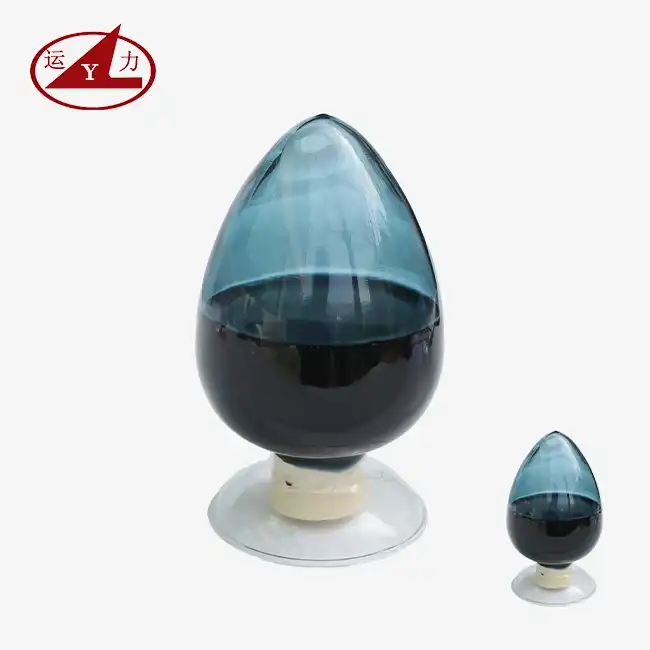
The industrial grade stuff has the shape of dark green crystals, a relative density of 2.76, and melts at temperatures between 86°C and 90°C. If you mix it with water, the pH level stays steady, typically between 2.0 and 3.0 at a 5% concentration. This property of solubility is very helpful in electroplating pools, since the quality of the coating depends on how evenly the metal ions are spread out. The compound dissolves in acetone but not ether. This makes it possible to carefully remove and clean it in chemical processes that use more than one part. To work, anhydrous forms need to be heated up or mixed with certain liquids. The hexahydrate reacts right away, which cuts down on the time and energy needed for production.
Safety Considerations and Storage Best Practices
When you work with Chromium Chloride Hexahydrate, keep in mind that it takes in water and is not very dangerous. It is easy for the chemical to take in water from the air, which can change how much is in recipes if it is left in damp places for a while. The temperature should be between 15°C and 25°C and the relative humidity should be below 60% to keep the goods' quality. Direct contact with the skin may cause discomfort, even though Hexavalent Chromium substances are much safer, so chemical-resistant gloves and safety masks are needed to protect yourself.
While working with the material, Safety Data Sheets tell you how to keep the area well ventilated. When working with powdered forms, these sheets stress the need for local air systems to lower the risk of taking it in. In an emergency, for example, the plan says to wash the face with lots of water right away and get medical help for anyone who drinks something. This is proof of how important it is to give workers thorough training.
Primary Industrial Applications of Chromium Chloride Hexahydrate
You can use this mix in a lot of different commercial settings because it can be both a source of Chromium Chloride Hexahydrate and a process help. It can be used for everything, from making exact changes to surfaces to making a lot of chemicals. Each uses a different kind of hexahydrate form.
Catalysis and Chemical Synthesis
Chromium Chloride Hexahydrate is used to create organometallic combinations that are then utilized in polymerization processes. It gives hydrogenation systems and catalysts for making methanol a source of chromium that doesn't change with pH. How well chromium changes and picks molecules depends on its oxide state. The material keeps the iron level below 30ppm (it can be dropped to 10ppm for certain uses). This keeps the catalyst from losing its ability to work, which happens when feedstocks are contaminated. In study labs, forms that are safe for medicine (with arsenic and lead amounts below 2ppm) are used to make active ingredients for medicines.
Being pure is very important when making medicines for the stomach because it affects how well they work and how safe they are. It's easy to get solid results in research and development because the hexahydrate behaves the same way every time. This makes it easier to move to industrial production.
Electroplating and Surface Treatment
Hexavalent Chromium is banned because it can cause cancer, so more and more new electroplating plants use Trivalent Chromium systems instead. Chromium Chloride Hexahydrate is the main ingredient in these coating baths that are RoHS-compliant. Covers car parts, bathroom items, and work tools with finishes that look good and do their job. Chrome ions are spread out evenly in the plating tank because the combination is very easy to dissolve. This makes throwing power better, which is the skill of covering difficult forms with a steady layer of dough.
Chemicals that stop the hexahydrate from caking keep the system from building up sludge, which cuts down on the time needed to clean the bath. Here, the purity standards become very important. Metal surfaces that have too many iron flaws become cloudy, and current can't run easily if there are too many sulfates. Platers can get shiny, long-lasting finishes that meet car OEM standards without the health risks that come with using chromic acid if they buy materials from sources who keep an eye on the amount of impurities in them.
Textile Dyeing and Mordanting
Textile makers use Chromium Chloride Hexahydrate as a mordant when they use acid dyes on wool, nylon, and other protein fibers. The chromium ions connect with the dye molecules and the fiber supports to form these links. This makes color bonds that stay strong even after being washed and left out in the sun. This process of mordanting is needed to get deep, bright colors that stay true even after being cleaned in tough conditions, which is common for business and industrial cloth.
Because it's easy for the hexahydrate to breakdown in water, it can be added straight to dye baths without being broken down first. This makes the process of making things go faster. The goal of quality control is to keep the chromium level steady (≥19.5%) and lower the amount of matter that doesn't dissolve in water (≤0.02%). This makes sure that the colors don't change shade or show up in spots on long stretches of cloth.
Ceramic and Pigment Production
In clay painting, Chromium Chloride Hexahydrate is used to change the color and the way the flux moves. With this, baked goods turn green, and the glaze sticks to pottery surfaces better. The substance breaks down into chromium oxide species when it gets hot. These species mix with the glaze to make surfaces that are strong and won't rust. You can use these areas for both business and art purposes. Because it contains chromium, the material is used in paint, ink, and covering systems to keep the color fixed and protect it from the weather. Scientists who study pigments can change the chloride levels, form (powder or crystalline), and pH (4.0–6.5) to get the best color strength and spread for many applications, such as car repair systems and building paints.
Comparative Insights: Choosing Chromium Chloride Hexahydrate vs. Other Chromium Salts
It is common for procurement managers to compare Chromium Chloride Hexahydrate to Anhydrous Chromium Chloride and to other types of chromium chloride, such as chromium sulfate or chromium nitrate. Each material has its own pros and cons based on how sensitive it is, how it needs to be handled, and how much it costs.
Hexahydrate vs. Anhydrous Forms
Anhydrous Chromium Chloride (CrCl3) has more chromium per unit weight, but it can't dissolve at room temperature because it's not moving. It needs to be heated up or respond for a long time in order to dissolve. They are hard to use directly in water systems because they don't do anything. Processing is harder because steps for activation are needed a lot of the time. The hexahydrate form, on the other hand, breaks down right away in room-temperature water. This helps save power and makes it simple to change the recipe while the product is being made.
They are also dealt with in different ways. It makes less trash when it doesn't take water, but it needs more advanced storage systems to keep it from doing that because it would then change into the hexahydrate form. The hexahydrate often has a lower total cost of ownership in high-throughput production settings because it dissolves faster, is easier to handle, and doesn't need to be activated. This is true even though Anhydrous Chromium Chloride has a lower stated price per kilogram.
Pricing Trends and Purity Grades
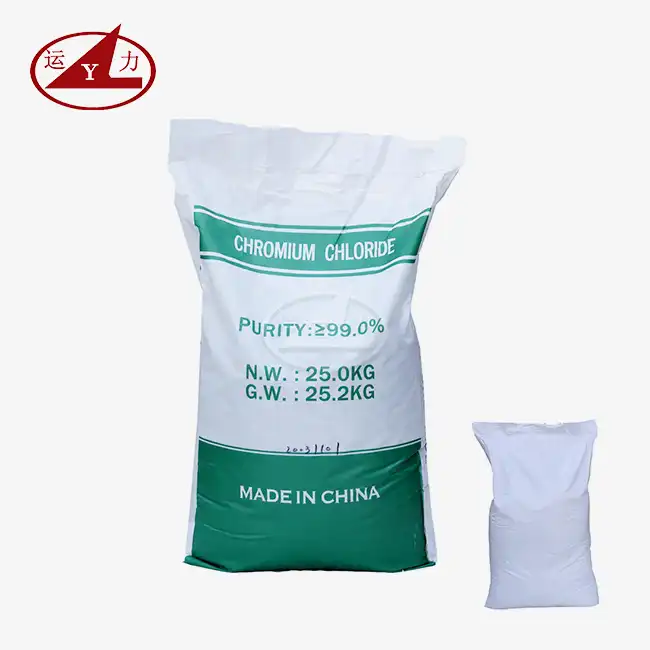
What the market price for Chromium Chloride Hexahydrate is based on is how much is bought and what quality standards are met. For everyday jobs like bulk electroplating and clay glazing, standard industrial types with a purity level of 98% or higher are used. Pharmaceutical or catalyst grades, on the other hand, are more expensive because they have to meet tighter quality control and licensing standards. They have to be ≥99.5% pure and have controlled heavy metal content. For regular grades, bulk sales usually begin at pallet sizes, which are at least 1,000 kg.
But for specialty grades, to support custom production batches, deals on a ton scale may be needed. You can choose from flexible package providers that offer 25 kg bags, IBC containers, or big liquid solutions. These providers offer options that balance unit cost with ease of handling. Most of the time, a long-term deal price includes bulk savings and guaranteed supply allocations. This means that buyers don't have to worry about getting what they want when the market is short or production goes up.
Regulatory Compliance and Quality Standards
If you pick purity grades that have been accepted and meet industry standards, you can be sure that the product will work well and follow the law. In the EU and the US, electroplating has to be approved by RoHS to make sure it doesn't contain any substances that aren't allowed. For medicinal uses, you need materials that are USP or EP grade and meet the standards of pharmacopeial monographs. When sellers send full Certificates of Analysis (COA) with every package, important things like chrome level, iron impurities, and water-insoluble matter can be checked during the receiving inspection and quality assurance process before the product is used in production.
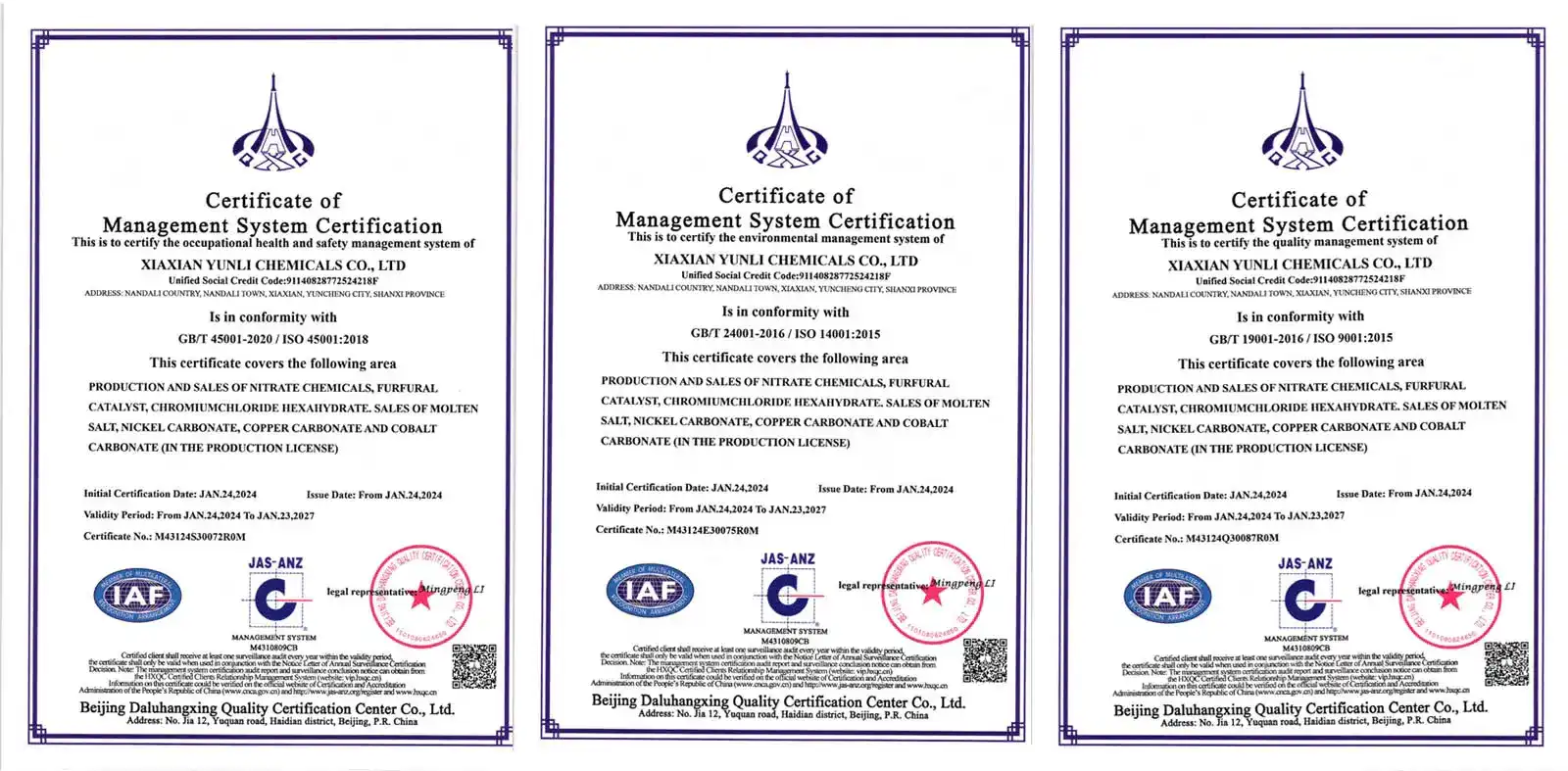
Companies with the ISO 9001 mark have organized quality control, which makes sure that there is less difference between lots of output. When a process needs to find flaws, this is very important. Environmental standards like ISO 14001 show that a company is dedicated to making products in a way that doesn't harm the environment. The goal is to be a responsible business, and this could make it easy to show that environmental rules are being followed during checks.

Procurement Guide for Chromium Chloride Hexahydrate in Global B2B Markets
If you want to find Chromium Chloride Hexahydrate, you need to know what the suppliers can do, look at their track records for quality, and set up processes to make sure the materials get shipped on time and without damage.
Supplier Verification and Quality Assurance
Suppliers you can trust stand out by having clear ways of making things and strong quality control facilities. Find companies with ISO 9001-certified factories and different labs for research. These labs should have ICP-MS, atomic absorption spectroscopy, and X-ray diffraction tools to check the standards for makeup. A local or national technology center approval, like the ones given by regional governments, shows that the business has put money into research and development in the past and has the technical know-how to make unique formulations.
Ask for sample certificates of analysis that cover more than one production batch to make sure that important things like chromium content (≥19.5%), iron levels (≤30ppm for standard grades, ≤10ppm for premium grades), and water-insoluble matter (≤0.02%) are all the same. When wholesalers give you free samples, usually 500 grams for the first test, it means they are sure of the quality of their goods, which lowers your risk during the seller approval process.
Bulk Ordering Strategies and Flexible Terms
When you buy something, you need to make sure that unit cost optimization, inventory carrying costs, and supply reliability are all matched. When you skip the middlemen and go straight to the factory, you can avoid the markups that come from wholesalers. This can save you 15 to 25 percent on costs. The people who work in production can also help you because they know how things are made. When suppliers have their own export offices, it's easier to keep track of paperwork and talk to them quickly, which can happen when you work with third-party traders. You can use minimum order amounts that are flexible to fit different building sizes and usage rates.
These can range from pallet loads for tests to container volumes for normal production. The goods are worth more than their price because they can be customized with different concentrations of aqueous solutions, different designs for shipping labels, and shipping times that work with just-in-time production systems. It's safer to do business with other countries if the payment terms are based on letters of credit or trade finance tools. This is very important when you first start working with new sources.
Logistics and Compliance Documentation
It is important to pay close attention to the shipping classification, the integrity of the packing, and the legal paperwork when Chromium Chloride Hexahydrate is shipped abroad. The substance is easier to ship than chemicals that oxidize or catch fire because most freight groups don't think it is dangerous. But good packing keeps moisture out during ocean travel, which can lower the quality of the product by making it break up or clump together. Supply chains that use moisture-barrier caps on fiber drums or UN-certified containers show that they know how to handle materials so that they stay in the same state throughout the chain.
To get goods through customs, you need Safety Data Sheets (SDS) that meet GHS standards, Commercial Invoices with Harmonized System codes, and Certificates of Analysis that have been checked by third-party labs when required by customer quality systems. So that goods don't get stuck in customs or get fined for not following the rules, importers should make sure that their sellers know what the rules are in the target country. For example, in the US, sellers should make sure that goods follow TSCA. In the EU, sellers should make sure that goods follow REACH.
Best Practices for Safe Handling and Storage in Industrial Environments
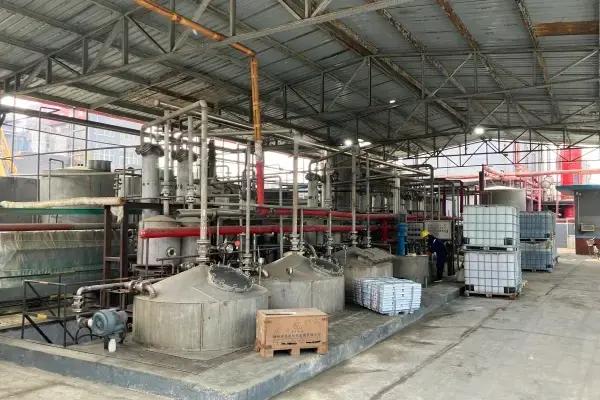
When you're in charge of Chromium Chloride Hexahydrate inventories, you need to carefully plan for environmental controls, handling processes, and being ready for situations to keep the workplace safe and the goods you're in charge of pure.
Storage Conditions and Inventory Management
Things should be stored in a way that keeps them in good shape and keeps people safe. The temperature should stay between 15°C and 25°C, and the relative humidity should stay below 60% to avoid hygroscopic caking, which makes it harder to measure out and pour. Second line of defense, like chemical-resistant boxes or stacked storage areas, clean up any spills that happen while they're being handled. This keeps the area clean and makes it easy to clean up.
Chromium Chloride Hexahydrate shouldn't be mixed with strong oxidizers, alkalis, or weak metals that could cause exothermic reactions. In order to make sure that older stock is used up before it goes bad, use first-in, first-out (FIFO) inventory rotation. When kept properly, this method usually lasts 24 months. Labels that are easy to read and list what's inside, when it arrived, and how dangerous it is make things easier to find both on a daily basis and in an emergency.
Personal Protection and Exposure Controls
The right engineering controls and personal safety gear should be used in handling to prevent direct contact and breathing in exposure. As part of the powder pouring process, local exhaust airflow pulls in particles from the air before they spread to other parts of the workplace. So, the amount of particles in the air stays below what is safe for workers. Because chemicals can damage rubber or neoprene gloves, safety masks with side shields, and protective jackets should be worn when moving large amounts of the substance or making concentrated solutions.
It is important to protect your breathing when you are exposed for a long time or when working with small amounts of powder. Most of the time, half-face respirators with P100 screens are enough to keep you safe. Place bathrooms near areas where people handle things so that skin can be washed right away after touching something by accident. This will lower the chance of getting hurt. Employees should get regular training on how to spot dangers, use PPE properly, and clean up after themselves. This encourages safe work practices and makes sure that health and safety rules are followed.
Emergency Response and Regulatory Compliance
Safety measures are taken, but spills and other exposure events do happen from time to time, so people need to be able to move quickly. An easy-to-reach spill kit should have absorbent materials (like vermiculite, sand, or industrial absorbent pads), non-reactive tools, and trash cans close to where things are stored and processed. To clean up small spills, put something absorbent over them and let it soak up all the liquid. Once the trash is ready to be thrown away, it is put in bins with signs that tell you how to do it in your area. Large-scale spills need to get non-essential staff out of the area, air systems to be turned on, and maybe even the hire of professional cleanup companies to do the job.
For medical emergencies, people who get skin or food in their eyes should wash them right away and for at least 15 minutes after touching something. They should also see a doctor right away. Record all exposure events and what was done to handle them so that you can follow the law and look for ways to improve the way things are handled or the way buildings are designed. Every so often, drills are held to test emergency response plans and make sure that safety rules are being followed at work.

Conclusion
If you look at what Chromium Chloride Hexahydrate is used for, you can see how important it is in fields like pottery painting, cloth mordanting, and electroplating, where source value depends on being pure, stable, and following the rules. The hexahydrate form is better than the dry form because it is easy to work with and dissolves quickly in water. The total cost of ownership goes down, even though the prices aren't exactly the same.
To buy well, you need to carefully research sources, know the quality standards that apply to your project, and set up ways to move materials so that they stay in good shape from production to use. There will be a greater need for reliable, high-purity sources as long as environmental rules allow Trivalent Chromium devices to work. In a competitive workplace setting, this means that relationships with suppliers based on technical know-how and on-time delivery will become more important.
FAQ
Q1: What advantages does the hexahydrate form offer compared to anhydrous chromium chloride?
A: At room temperature, Chromium Chloride Hexahydrate dissolves right away in water, so there are no steps that need to be taken. This means that working takes less time and energy. Because anhydrous forms don't move or respond, they need higher temperatures or longer reaction times to break down the same way other forms do. The hexahydrate is reactive, so it is simple to change the mixture and use it in processes that use water before.
Q2: How can buyers verify supplier credentials and product purity effectively?
A: You should ask for Certificates of Analysis for more than one batch. These should include important information like the amount of chrome, iron impurities, and things that don't dissolve in water. Make sure the company has an ISO 9001 certification and ask about the tools they use for research, like ICP-MS and atomic absorption spectroscopy. Use free sample apps to do your own independent checks before you buy a lot of them.
Q3: What are typical lead times and minimum order quantities for industrial procurement?
A: Most normal industrial grades ship in two to three weeks, and you can buy as little as a box, which weighs about 1,000 kg. It could take 4 to 6 weeks to make custom purity grades or special recipes, and you have to order at least 1 ton. A direct factory seller will often have more flexible terms than a wholesaler. In some cases, they may even let you pick your own trial numbers.

Partner with a Proven Chromium Chloride Hexahydrate Manufacturer
Yunli Chemical has been making chromium goods for more than 20 years and has plants in Shanxi Province that are ISO 9001, ISO 14001, and OHSAS certified. Our Chromium Chloride Hexahydrate has less than 10ppm of iron in it, which means it is ≥99.5% pure and meets the strict needs of uses in medicine, catalysts, and precise electroplating. We have an ICP-MS and other modern analytical tools and are recognized by the province as an Enterprise Technology Center. We offer factory-direct prices with no markups for middlemen.
Our packing options range from 25 kg bags to IBC containers, and the ratios of our aqueous solutions can be changed to fit your production processes. Our steady supply comes from sales that top RMB 1 billion a year. We give away free samples of up to 500 grams. Our expert team can help you with everything, from the initial review to ongoing production. This is true whether you're looking for a new long-term partner or need special products with controlled impurity profiles. You can email wangjuan202301@outlook.com or go to yunlichemical.com to talk to our buyers about your needs for Chromium Chloride Hexahydrate. It's also possible to ask for full product specs and ships of samples.
References
1. Smith, J.R., and Thompson, L.K. (2019). Trivalent Chromium Electroplating: Industrial Practices and Environmental Compliance. American Electroplaters' Society, Detroit.
2. Chen, W., and Martinez, A. (2020). "Catalyst Deactivation Mechanisms in Chromium-Based Polymerization Systems." Journal of Industrial Catalysis, 45(3), 217-234.
3. Anderson, P.D. (2018). Chromium Compounds in Textile Processing: Chemistry and Application Technology. Textile Institute, Manchester.
4. European Chemicals Agency (2021). Guidance on Safe Use of Chromium(III) Salts in Industrial Settings. ECHA Publications, Helsinki.
5. National Institute for Occupational Safety and Health (2020). Occupational Exposure Limits for Chromium Compounds. NIOSH Publication No. 2020-156, Cincinnati.
6. Williams, R.T., Kumar, S., and O'Brien, M. (2022). "Comparative Analysis of Chromium Sources in High-Purity Chemical Manufacturing." Chemical Engineering Progress, 118(2), 42-51.