

What are the safety guidelines for handling aluminium nitrate?
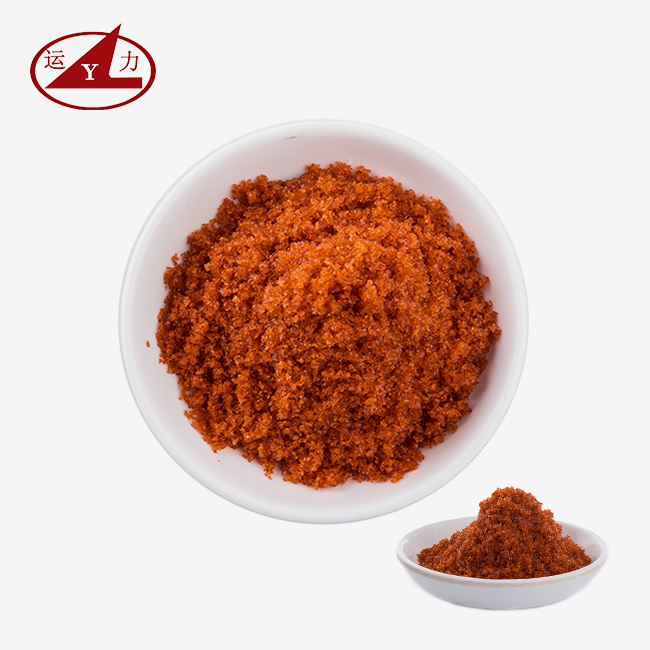
Chemically, Aluminium Nitrate is written as Al(NO3)3. It is a useful substance that is used in lots of different areas, like making catalysts, dying fabrics, and making better batteries. This man-made salt dissolves quickly in water and has strong oxidizing qualities that make it useful in industry but hard to use in operations. Aluminium Nitrate Nonahydrate (Al(NO3)3·9H2O, CAS No. 7784-27-2) is the type that you'll most likely find in shops. It is a solid, odorless, water-absorbing substance with a molecular weight of 375.13 g/mol. It freezes at 73.9°C and breaks down at 150°C.


Understanding Aluminium Nitrate and Its Hazards
Chemical Profile and Regulatory Classification
Because Aluminium Nitrate nonahydrate is physically different, it needs to be treated in a certain way. It dissolves easily in water (64 g/100 mL at 25°C), but not so easily in alcohols and ethylene glycol. This is something that needs to be thought about when the process is being planned. It forms acidic solutions in water, and the substance itself is very good at oxidizing things (UN Number 1438, Hazard Class 5.1, Packing Group III). In other words, it is one of those things that, while not flammable by itself, can make a fire worse when it comes in contact with organic materials or substances that reduce heat.
Health Hazards and Exposure Pathways
There are many risks that need to be planned for when people touch the object. If you breathe in dust or smoke for a long time, it can make your lungs feel uncomfortable and cause you to cough, have shortness of breath, and irritate your nasal membranes. Because it is acidic, the material smells bad and hurts skin when it touches it. Some parts of your body could get burned if you don't treat it right away. Taking in can hurt your whole body and give you major stomach problems, but it doesn't happen very often at work. Long-term touch without the right gear could have health effects that build over time. This makes it even more important to always wear PPE and keep an eye on the surroundings.
Reactivity and Environmental Concerns
Aluminium Nitrate can only be mixed with certain things because it oxidizes. When strong bases combine with the material, heat and aluminum hydroxide form, which could be dangerous. It gives off harmful nitrogen oxides (NOx) when heated above 150℃, which need to be taken away right away through air and pollution control. If you throw away trash in the wrong place, it can damage streams by adding nitrogen and acidity, which can make algae grow. To keep them safe at work and protect the environment, it's important to store them in a controlled way and away from things that don't work with them. You should also think about what to do in case of a spill.

Essential Safety Guidelines for Handling Aluminium Nitrate
Personal Protective Equipment Requirements
Putting on the right PPE is the most important thing you can do to protect yourself when working with this harmful salt. If you regularly handle boxed goods, rubber or neoprene gloves that are at least 0.4 mm thick will keep your hands safe. Safety masks or face shields that are resistant to chemicals keep the eyes from meeting the material during transfer work.
Particulate respirators approved by NIOSH (N95 at least or P100 for long-term exposure) must be worn when dust is likely to be present, like when opening a bag or adding something big. Workers should wear chemical-resistant aprons that cover their whole bodies when melting large amounts of material or charging reactors. To protect their lungs when they are in a small space with too much smoke, they should also think about getting supplied-air respirators.
Storage Requirements and Container Specifications
Tough rules about the surroundings are needed to keep the product pure and stop safety problems. It is easy for Aluminium Nitrate to soak up water from the air because it is hygroscopic. This can lead to caking, the formation of solutions, and the rusting of containers. It is best to keep things when the temperature is below 25℃ and the relative humidity is below 50%. This can be done with dehumidification devices or buildings that are controlled by the weather. Containers need to be tightly closed. For smaller amounts, bags that don't let water in and have polyethylene covers work well. For bigger amounts, UN-approved fiber bins with sealed plastic cases work better.
Operational Handling Procedures
How you handle something every day has a big impact on how often accidents happen and how well it stays in good shape. To catch the dust that comes out when you open Aluminium Nitrate containers, put them in fume hoods or boxes with air flow. They should use closed systems to move things from one place to another, like vacuum conveyors for powder and sealed pumps for solutions... this way, air doesn't get in. Static electricity can start fires when people sort or weigh things by hand. Grounding and joining steps stop this from happening. On the other hand, the material is not itself explosive.

Emergency Response and Spill Management
Immediate First Aid Protocols
When you act quickly on natural events, you keep health effects to a minimum and show that you play by the rules. If it gets on your skin, wash it right away with lots of running water for at least 15 minutes while taking off any clothes that are sick. The process gives off heat, so if you try to remove Aluminium Nitrate with bases, you could get burned. People who get their eyes exposed must wash them right away at eyewash stations for at least 20 minutes, making sure they keep their eyelids open to make sure they get all the water out. After this, you should get an eye exam right away to check for corneal damage.
Spill Containment and Cleanup
There needs to be a plan for what to do in case of a spill that puts worker safety, saving the environment, and getting the materials back first. When you find a spill, you should quickly get rid of anyone who isn't needed, set up a safety zone, and put on the right PPE before getting near it. For spills that are less than 1 kg, carefully sweep the Aluminium Nitrate into plastic containers that can be sealed with tools that won't spark. Do not do things that make clouds of dust. In order to stop bigger leaks, neutral absorbents like sand or vermiculite must be used. No sawdust or other burning materials should ever be used because they can start fires because they oxidize.
Waste Disposal and Regulatory Compliance
When your business gets rid of trash the right way, it avoids being environmentally responsible and getting fined by the government. If you want to clean out your drains or throw Aluminium Nitrate waste away, you need to fix it first. Most of the time, aluminum hydroxide slime is thrown away by neutralizing it and then letting it solidify. After being dried out, the sludge is sent to places that are allowed to handle toxic garbage. On the other hand, some chemical recyclers can get money back from trash streams that have a lot of metal in them. This can make it possible to get material points for the cost of dumping.

Compliance and Procurement Considerations for Aluminium Nitrate
Regulatory Landscape and Documentation Standards
You need to know how to work with rules from other parts of the government in order to understand science laws. OSHA in the US says that Safety Data Sheets (SDS) must be kept up to date and given to all workers. Also, training records must be kept to show that workers know how to talk about risks. In EPCRA Section 313, companies that use more than 10,000 pounds of Aluminium Nitrate a year are required to report to the EPA about pollution problems. Businesses that bring goods into the country must follow CBP rules for the right Harmonized Tariff Schedule classification and any anti-dumping taxes that are in place.
Supplier Selection and Quality Assurance
You need to look at more than just prices to find reliable Aluminium Nitrate suppliers. We discovered that the best way to judge a source is to see how regularly they make things. To do this, we look at how important factors like heavy metal profiles, iron impurities (which are useful for dyeing), and aluminum levels change from one batch to the next. Technical engineers can track things and get technical help they need to make sure processes work when suppliers have quality systems that are ISO 9001 certified and testing labs that use ICP-MS and atomic absorption spectrometry.
Evaluating Supply Chain Reliability
For processes that need steady amounts of chemicals, a steady source over the long term is very important. When you look at different sources of Aluminium Nitrate, you should see how much they make, how they handle backward integration, and how they handle goods. Trading companies that buy from many different sources are less able to handle changes in the prices of raw materials and problems with supply than companies that make their own nitric acid and metal. When a well-known company makes more than RMB 1 billion in sales in a year, for example, they usually keep extra stock on hand and are financially stable enough to keep shipping even when the market is unstable.

Risk Mitigation Strategies in Aluminium Nitrate Usage
Common Handling Errors and Prevention
In many workplaces, we can look at accidents to find mistakes that keep happening and can be stopped with rules that work across the whole system. People often make the mistake of not properly closing the jar after taking Aluminium Nitrate out. This lets water in, which lowers the quality of the item and makes it harder to work with when solids melt. It's also normal for poisons that don't work well together to get mixed up during cleanup. For example, strong alkali cleaners can start fires and using organic acids to break down waste can start fires.
Implementing Effective Safety Systems
Multiple layers of security are used to lower the risk of harm in every way. The building blocks for Aluminium Nitrate handling are the engineering tools. Negative pressure is kept in areas by properly designed air systems. Interlocked equipment stops working unless safety features are triggered, and automatic tracking systems let workers know when something is wrong. It's more likely that physical protection will work than regular controls because they don't depend on how people act.
Building Safety Culture Through Training
Structured training programs that are tailored to each job help people learn both professional skills and safety information. New employees should get training on how to spot dangers, choose and use PPE, handle emergencies, and protect the environment before they start dealing with Aluminium Nitrate. Workers get a chance to talk about notes and close calls that help make procedures better during once-a-year refresher training. This is where important ideas are gone over again and new procedures are taught.

Conclusion
It is very important to follow strict rules when working with Aluminium Nitrate. For example, you must always train your workers, make sure the store area is kept under control, and wear the right safety gear. Care must be taken when handling the substance because it oxidizes and soaks up water. However, thousands of sites around the world deal with these things every day without any issues by following the tips above. To be successful, you need to see safety not as something you have to do because the rules say so, but as a chance to protect your most important assets: your workers and your reputation.
You can build strong systems that will keep your business running for a long time by including these rules in your working procedures, procurement specs, and reviews of suppliers. Often, the difference between reactive and proactive safety management is what determines whether working with chemicals is just a risk that can be dealt with or a way to make money through better quality control and dependability.
FAQ
Q1: What specific PPE is required when handling bulk quantities of aluminium nitrate?
A: To work with bulk Aluminium Nitrate, you need safety gear that can be packed and protects you in more than one way. Nitrile or neoprene gloves that are at least 0.4 mm thick keep your hands safe while you move and work with containers. Safety glasses or full-face covers that are resistant to chemicals keep dust and splashes out of your eyes. You need to wear NIOSH-approved P100 respirators when you open bags or load reactors, which make dust.
Q2: How should different grades of aluminium nitrate be stored to prevent quality degradation?
A: Materials that are used in industry or as reagents need to be kept in climate-controlled spaces where the temperature stays below 25°C and the relative humidity stays below 50%. To keep reagent grades safe, they should be kept away from industrial chemicals to prevent cross-contamination and double-bagged in moisture-proof packaging. They should also be changed so that they are used within 18 months of being made.
Q3: What immediate actions should personnel take following accidental skin exposure?
A: Right away, the most important thing to do is to wash the area with water. For at least 15 minutes, hold the hurt skin under running water with a light pressure that doesn't hurt the skin. While you flush, take off any jewelry or dirty clothes to get rid of any chemicals that might be stuck. To stop the damage from getting worse, don't use neutralizers like baking soda, which make heat. After a good flush, dry the area with a towel and see a doctor, even if the pain doesn't seem that bad. It could have long-lasting effects.

Sourcing Premium-Quality Aluminium Nitrate from Trusted Manufacturers
For 20 years, Yunli Chemical has been getting Aluminium Nitrate to customers. This means they can give purchasing managers and technical experts the regular goods and supplies they need. Aluminium Nitrate Nonahydrate that meets strict purity standards is made in our plant in Shanxi Province, which is ISO 9001, ISO 14001, and OHSAS approved. Iron levels are kept below 0.01%, and heavy metal levels are kept below 0.005%. These amounts are important for making catalysts and using high-quality textiles. As an Enterprise Technology Center that is recognized by the province and has current analysis tools like ICP-MS and atomic absorption, we include full paperwork packages with every shipment. These include MSDS, COA, and environmental compliance certificates.
When we sell things directly from the plant, we don't have to add markups to them like other companies do. It also makes sure you always have enough stock to meet your production needs, whether you need 25 kg bags for lab tests or cases for shipping large amounts of goods abroad. We can make the answers in any way you want by changing their names, packaging, and strengths. People who are used for business can get free samples of up to 500 grams. Fixed assets worth more than RMB 300 million and annual sales of more than RMB 1 billion make sure that we have a steady supply even when the market is unstable. You can email our expert sales team at wangjuan202301@outlook.com to talk about your needs and find out why Yunli Chemical is the main supplier to top companies in the medicine, electroplating, and battery materials industries.
References
1. National Institute for Occupational Safety and Health (NIOSH). "Pocket Guide to Chemical Hazards: Aluminum Compounds." U.S. Department of Health and Human Services, Publication No. 2005-149, Cincinnati, OH.
2. American Conference of Governmental Industrial Hygienists (ACGIH). "Threshold Limit Values for Chemical Substances and Physical Agents." ACGIH Signature Publications, Cincinnati, OH, 2023 Edition.
3. U.S. Environmental Protection Agency. "Guidelines for Hazardous Waste Management: Oxidizers and Reactive Materials." EPA Publication 530-F-08-009, Washington, DC.
4. Occupational Safety and Health Administration. "Hazard Communication Standard: Safety Data Sheets." OSHA Brief, U.S. Department of Labor, Washington, DC, 2021 Revision.
5. National Fire Protection Association. "NFPA 400: Hazardous Materials Code." NFPA Standards Council, Quincy, MA, 2022 Edition.
6. Chemicals Inspection and Regulation Service. "International Chemical Safety Cards: Aluminium Nitrate." United Nations Environment Programme, Geneva, Switzerland, Database Version 2023.