


What are the primary industrial applications of aluminum nitrate?
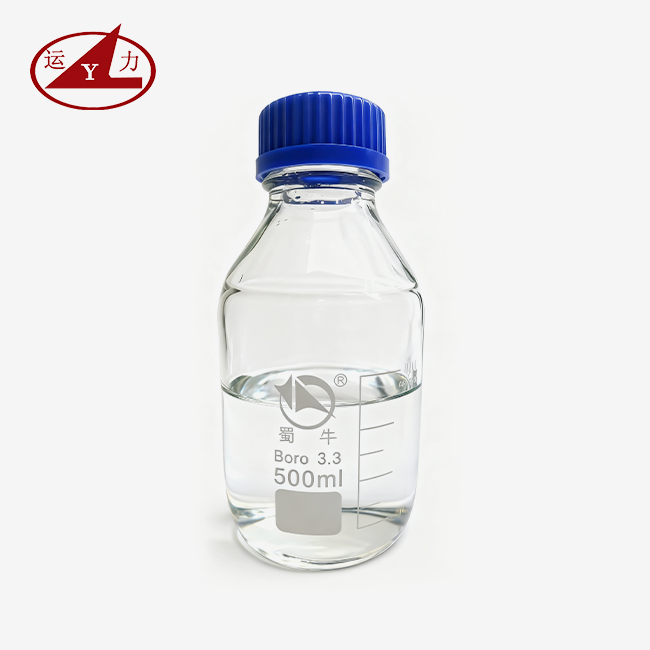
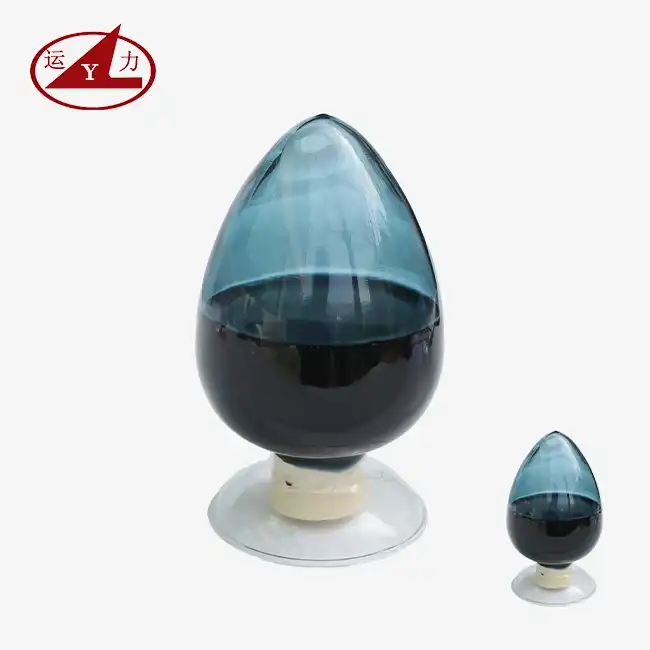
Aluminium Nitrate, which is usually found in its nonahydrate form (Al(NO₃)₃·9H₂O; CAS No. 7784-27-2), is a significant chemical that is utilized in various industrial processes, ranging from creating catalysts in petrochemical plants to stabilizing dyes in textile finishing. It's easy to dissolve in water (64 g/100 mL at 25°C), quickly turns into alumina, and is a strong oxidizer. Because of these traits, it is very useful in areas that need to be clean and precise. Tech experts and buying managers who know about these uses can find ways to follow the rules while still improving product quality and running costs.
Introduction to Aluminium Nitrate and Its Industrial Significance
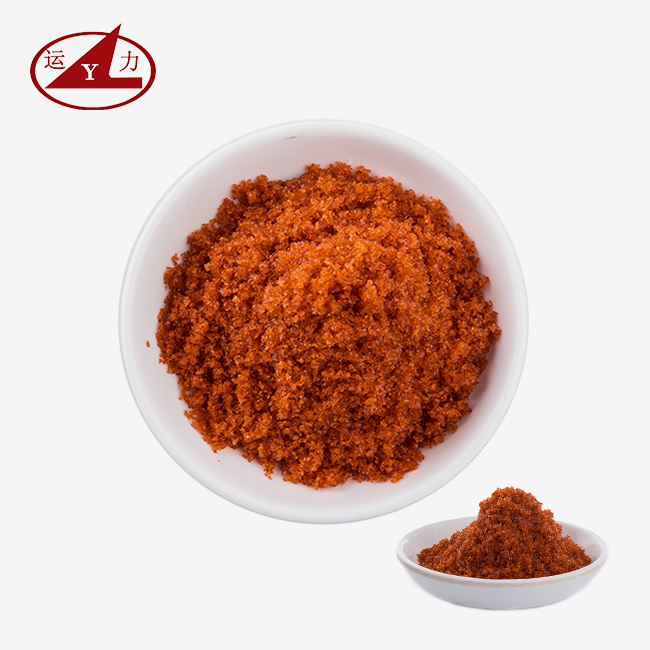
Aluminium Nitrate is different from other chemicals on the market because it has a unique mix of solubility, reactivity, and heat properties. The molecular weight of this chemical is 375.13, and it is a white solid hygroscopic salt. It's easy to mix with water to make acidic solutions, so it can be used in many handling situations.
Why Industrial Sectors Prefer Aluminium Nitrate Nonahydrate?
The nonahydrate form is better than the dry form because it has more benefits. It's easy to store and work with because it stays stable at room temperature. It has a controlled breakdown profile at 150°C that tells you what the working conditions will be. With a freezing point of 73.9°C, the crystals break more easily in their own water, which saves energy while they are being formed.
Because it adds aluminium ions without leaving behind any other chemicals, this one is useful for makers. To clean up, Aluminium Nitrate turns into nitrogen fumes. On the other hand, aluminium sulfate leaves behind sulfate ions, which can stop some processes. This trait is very important for making catalysts because impurities can damage active sites and make them less effective.
Chemical Properties That Drive Industrial Applications
Because it can react, Aluminium Nitrate can be used in organic chemistry and redox steps. It can be used in more settings because it can be used with both water-based and partially alcoholic systems. Its acidity helps keep pH levels in check in processes that need it. Because of these qualities, it is needed in areas where process reliability and quality control can't be ignored.
Core Industrial Applications of Aluminium Nitrate
You can see how useful Aluminium Nitrate is by looking at the different fields where it is used. In each case, a different quality is used to fix a different output problem.
Water Treatment and Purification Systems
Aluminium Nitrate is a good coagulant that can be used in both public and private wastewater treatment plants. It breaks down into aluminium hydroxide flocs when mixed with water. These flocs catch organic matter, tiny toxins, and particles that are in suspension. Quickly settling, the solids make the water clear enough to meet strict quality standards.
But Aluminium Nitrate works better than other coagulants in cold water, where they don't work as well. It doesn't take long for it to dissolve, so it spreads quickly through treatment tubs. This saves time and energy. Water treatment plant managers like how stable it is, even when the feed water conditions change. This means that the output water quality stays good even when the source water conditions change with the seasons.
Textile Dyeing and Finishing Operations
Dye that doesn't run or stick to fabrics has been a problem for textile makers for a long time. Aluminium Nitrate is a mordant that chemically bonds dye molecules to fabric fibers. When dyeing natural fibers like cotton, wool, and silk, this method works best because straight dyeing these fibers often makes the color fade and spread widely.
Aluminium Nitrate liquids that have been weakened are used to treat the materials before they are dyed. When the aluminium ions meet with the color molecules, they form coordination complexes that keep the molecules stuck to the fiber surfaces. This process makes colored clothes last longer by making them much less likely to fade or get damaged by light. In companies that make expensive materials, car seats, or clothes, this method is used to meet strict quality standards.
Catalyst Manufacturing for Chemical Synthesis
In the oil business, Aluminium Nitrate is used to make catalyst supports that are used in hydrodesulfurization, fluid catalytic cracking, and other processes. Aluminium Nitrate breaks down under controlled heat to form gamma-alumina, which has a lot of surface area and holes that are carefully placed.
This use proves that Aluminium Nitrate is better than intermediates based on chloride. If chloride ions are still present, they can hurt the active sites of catalysts. This makes them less good at changing things and shortens their life. Because Aluminium Nitrate breaks down cleanly, it only leaves behind alumina and chemical byproducts that go away on their own. Refineries that work with heavy crude oils or make ultra-low sulfur fuels need catalysts that are made this way in order to meet environmental standards.
Leather Tanning and Treatment Processes
Aluminium Nitrate is used by leather makers to help the hides get tanned so that the leather is stable and lasts a long time. The chemical gets into the structures of the hide and crosses-links the collagen fibers so that germs can't break them down. This method makes leather that takes colors more evenly, is stronger, and doesn't get wet as easily.
Because it works well with different kinds of hide, Aluminium Nitrate is used by tanneries to make high-quality leather for shoes, furniture, and cars. Because the substance is stable, you can exactly control the concentration. This means that you can match the treatment strength to the thickness and purpose you want to hide. It is better for the earth to tan with Aluminium Nitrate instead of chromium because less heavy metals end up in wastewater streams.
Ceramic and Glass Manufacturing Enhancement
When pottery and glass makers mix their materials, they add Aluminium Nitrate to change the way the materials work. It lowers the temperature needed to fire pottery and improves the finish on the outside. Glassmakers use it to make their products more resistant to poisons and sudden changes in temperature. This means that these products can be used in cooking, labs, and factories.
As well as making electronics and airplane parts, the complex also makes specialty pottery. It breaks down into high-purity alumina, which is great for making plates, insulation, and structural parts that need to be strong and able to keep heat out. For these tough uses, flaws must be kept under tight control. For products to meet standards, they must have less than 0.01% iron and less than 0.005% heavy metals.
Comparison and Advantages of Aluminium Nitrate Over Related Chemicals
People often have to weigh their choices when they want to buy something. If you know how Aluminium Nitrate compares to other materials that do the same thing, you can get the most for your money.
Performance Against Aluminum Sulfate
Aluminium Nitrate comes from both, but they are different in important ways that make one better for some uses than another. Because it costs less per unit, sulfate ions make aluminium sulfate less useful in processes that need to be careful. The people who make catalysts hate sulfate pollution because it stops important metals from working, even in small amounts. Aluminium Nitrate takes away this fear. Its higher price is justified by the fact that it makes the product yield higher and the catalyst last longer.
Taking care of water is another thing that can be compared. When water is below 10°C, aluminium sulfate can't combine as well, so it needs to be used in bigger amounts or with more polymers. Because Aluminium Nitrate doesn't change when the temperature does, it is easier to use and less frequent changes in how much is used.
Advantages Over Ferric Nitrate and Sodium Nitrate
Like Aluminium Nitrate, ferric nitrate can remove oxygen, but it also has iron in it, which isn't good for uses that need clear products. Iron compounds can only be used with certain color schemes because they give fabrics red tones when they are treated. Things can rust with Aluminium Nitrate without changing color.
Sodium nitrate is less expensive, but it can't give you the aluminium ions you need to color, mordant, or support synthesis with a catalyst. Aluminium Nitrate and this compound both oxidize things, but this compound doesn't have the many uses that make aluminium compounds useful in many fields.
Operational and Environmental Considerations
Handling needs affect the choices that are made about what to buy. As a result of absorbing water, Aluminium Nitrate needs to be kept in dry places and packed in a way that keeps water out. But the fact that it is a Class 5.1 oxidizing material according to UN 1438 is standard hazmat management, and well-known chemical distributors know how to handle it.
Places with strict rules about release should use Aluminium Nitrate because it is better for the earth. Nitrogen oxides and alumina, which are what it breaks down into, are easy to add to things that clean the air. In wastewater cleaning, standard alkaline chemicals are used to get rid of any acidity that is still there. This makes aluminium hydroxide precipitate, which settles down and gets rid of the water well. Many facilities say that getting permits is easy and tracking costs go down when they switch from chloride or sulfate-based systems to Aluminium Nitrate systems.
Procurement Guide for Aluminium Nitrate—Ensuring Quality and Compliance
Where you choose to get things affects the safety of your work and your ability to follow the rules in the long run. Managers of purchases who have done this before will look at more than just the unit price.
Evaluating Supplier Credentials and Quality Standards
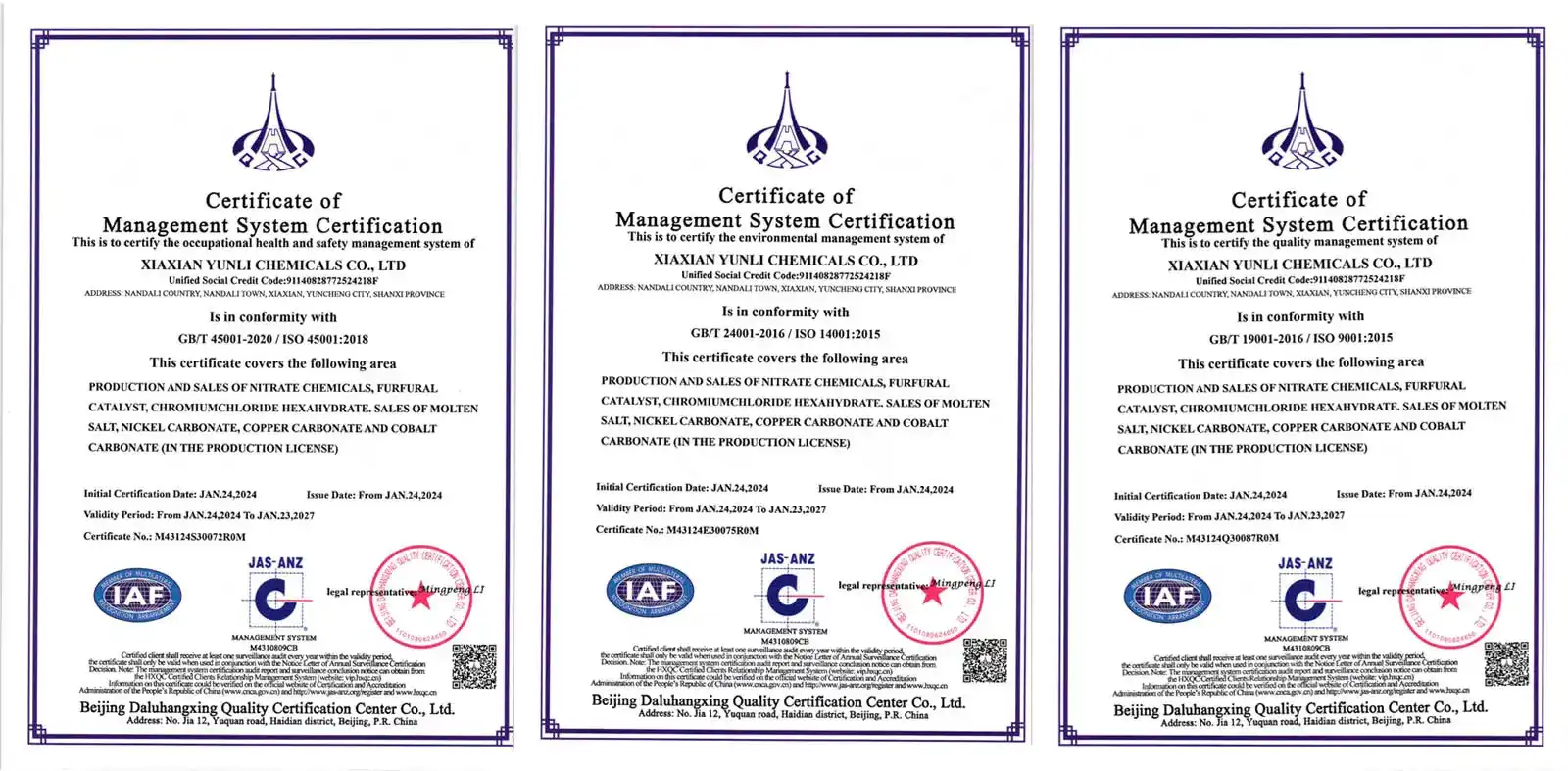
Some suppliers keep papers that show they care about quality control and the environment. You can trust these suppliers. If a company has ISO 9001 approval, it means that their work methods are organized and their steps for quality control are written down. The ISO 14001 environmental certification shows that dust and trash are handled in a planned manner. This makes it less likely that environmental problems will happen in the supplier line.
Better companies stand out because they know how to use technology better. In provincial-level business technology centers, analytical tools like ICP-MS and atomic absorption spectrometers are used to check particle profiles and a certificate of analysis (COA) is sent with every package. Users who need ultra-pure (≥99.9%) or very strict control over iron content (<0.01%) and heavy metals (<0.005%) will find this tool very useful.
Understanding Minimum Order Quantities and Packaging Options
Standard chemical suppliers have low order sizes that make it tough for small to medium-sized businesses or businesses that are trying out new recipes to keep up with their cash flow. Progressive sellers make it easy to buy by letting you choose the size of your order and giving away free samples of up to 500 grams. With this way, expert teams can see how well things work before they buy a lot of them.
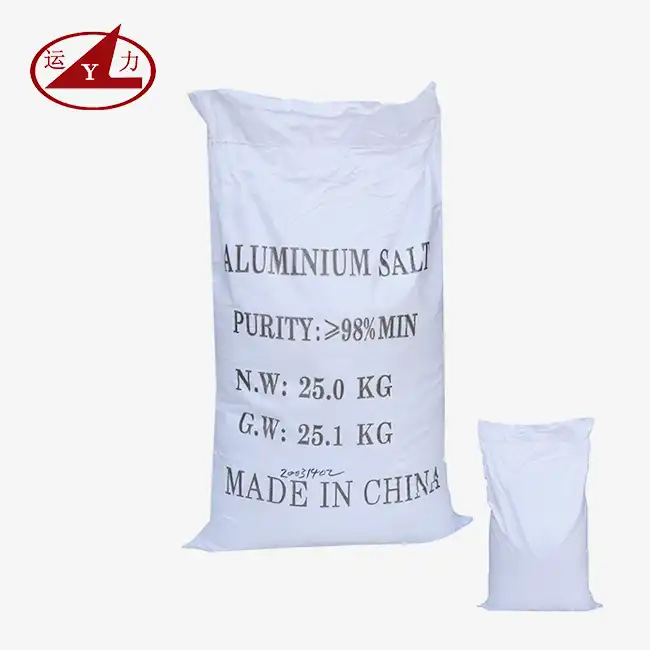
Flexible wrapping can be used for many useful things. For moving large amounts of stuff, standard 25-kilogram bags with plastic sides that don't leak work well. The price per unit is cheaper for people who buy a lot when it is packed in 500-kilogram super sacks or ton barrels. With custom strength water solutions, you don't have to take any steps to dissolve the solids. This speeds up production and lowers the risks of working with hygroscopic solids.
Navigating International Regulations and Documentation
If you buy something from another country, especially the US or EU, you need to keep a lot of papers. Safety Data Sheets (SDS) that follow GHS rules are a key way to tell people about risks. To make sure it is legal to move and bring in Aluminium Nitrate, export licenses and customs papers must correctly name its UN 1438 classification.
Regulatory compliance is more than just filling out papers for shipping. Product that will be used as a building block for medicines or in food-contact applications may need extra purity approvals or proof that they can be tracked. If a supplier handles their own exports and production control, they may be able to offer full paperwork packages that cut down on delays in clearance and costly shipment rejects.
Safety, Handling, and Environmental Considerations
Today, safety at work and taking care of the environment are clear musts in the business world. Aluminium Nitrate needs to be handled in a certain way because of how it is chemically made.
Toxicity Awareness and Personal Protection
Aluminium Nitrate can hurt your skin if it comes in direct contact with it because it is acidic and oxidizing. Nitrile gloves, safety shields, and protective aprons are just a few of the safety gear that everyone who works with the mix must wear. You need to wear respirators when working with dusty materials or when process steps that break down heat make nitrogen oxide fumes.
It's worse for your health when you eat or drink it. Acute poisoning isn't very bad, but anyone who gets it by accident needs to see a doctor right away. Aluminium Nitrate should be handled in places with eyewash stations and safety showers. Staff should also be taught what to do in an emergency.
Storage Protocols and Incompatibility Management
It is important to keep Aluminium Nitrate nonahydrate in climate-controlled buildings with relative humidity below 60% and sealed cases to keep it from getting wet. As it breaks down, the substance shouldn't be near things that can catch fire. When you separate them from metals, reducing agents, and organic chemicals, exothermic processes that could start fires or make toxic gases stop.
It's important to keep the temperature under control while keeping. It is solid at room temperature, but when the temperature goes above 73.9°C, the water in which it crystallizes breaks down. This could cause containers to break. To keep temperatures below 25°C when it's hot, businesses should use air conditioning or store things in insulated rooms. That way, the goods will stay good and the workers will be safe.
Environmental Compliance and Waste Management
When getting rid of things, you have to follow environmental rules. If you add small amounts of sodium carbonate or calcium hydroxide liquid, you can neutralize them. This turns the metal into aluminium hydroxide, which can be thrown away as safe trash. Businesses on a large scale should hire qualified trash collectors who know how to get rid of oxidizers the right way.
Businesses that use Aluminium Nitrate in their wastewater need to build treatment systems that lower the acidity and collect the dissolved aluminium. Most of the time, the sludge is ready to be dumped after it has been drained, but local rules may be different. Aluminium-containing trash is sometimes seen as special trash that needs to be taken to the right places with a manifest. To find the best sources or products, procurement teams should add the total cost of ownership to the cost of compliance.
Conclusion
If buying managers and technical experts know what Aluminium Nitrate is mostly used for in business, they can choose better places to get it, which leads to better products and more efficient operations. This chemical can be used to make catalysts and clean water, among other things. It can also be used in certain ways in fabric, leather, and pots. Making things with it is very easy because it dissolves easily, oxidizes well, and breaks down cleanly. To get something well, you should look at more than just the price. You should also look at the dealer's professional skills, quality licenses, and compliance with the law. One way for businesses to keep costs down and make sure they have enough high-purity Aluminium Nitrate on hand is to work with well-known companies that offer open terms, clear paperwork, and quick technical support.

FAQ
Which industries most commonly utilize aluminum nitrate?
Petrochemical plants buy the most Aluminium Nitrate because they need it to make catalyst supports. In the textile and leather industries, it is used to color and tan materials. As a coagulant, it is used in water treatment plants. To make pottery and glass better, it is added to the recipes. In the electronics and medicine industries, high-purity grades are used for specialized synthesis and making materials.
How does aluminum nitrate compare to aluminum sulfate in water treatment performance?
When it comes to cold water and a wider pH range, Aluminium Nitrate works better than aluminium sulfate. While Aluminium Nitrate costs more per unit, it works better at low temperatures and doesn't need any extra polymers. In general, this means that less chemical is used. Distribution systems don't scale because there aren't any sulfate ions there. This lowers the cost of maintenance over time, which makes up for the higher price.
What quality certifications should buyers verify when purchasing aluminum nitrate?
When you buy something, the listing should include a COA that proves the pure levels, which for industrial types are usually above 98%. To stop pollution, some of the most important rules are iron percentage (<0.01%), heavy metals (<0.005%), and insoluble matter (<0.01%). Suppliers should keep their ISO 9001 certification, which shows they have systems in place to check the quality of their work. Shipments must have SDS paperwork that follows GHS rules. Anyone who wants to buy something that is regulated should make sure that the seller follows Good Manufacturing Practice (GMP) or other similar standards used in the pharmaceutical industry.
Partner with Yunli Chemical for Your Aluminium Nitrate Supply Needs
Aluminium Nitrate nonahydrate that is easy to get makes you more competitive and lowers the risk of supply chain problems. Yunli Chemical has been making chemicals for 20 years, makes more than 1 billion yuan a year, and has the skills of a business technology center at the state level to meet the needs of industries that are very picky. Our ISO 9001, ISO 14001, and OHSAS marks show that we value quality, the environment, and worker safety.
We have strict quality control that is checked by state-of-the-art analysis tools such as ICP-MS systems because we are a direct maker of Aluminium Nitrate and don't have to pay markups to middlemen. You can buy from us in any amount, from free 500-gram samples to try out new recipes to big amounts for established production lines. To meet the goals of your business, we can change how the packages are put together and how strong the solutions are. With our quick expert help, you can be sure that they will work perfectly with your needs. Contact our team at wangjuan202301@outlook.com to discuss your specific requirements. Our specialists will provide detailed product specifications, competitive pricing for your volume requirements, and documentation supporting regulatory compliance.
References
1. Smith, J.R., & Williams, T.K. (2021). Industrial Inorganic Chemicals: Production and Applications. Oxford University Press.
2. Chen, M.L., et al. (2022). "Aluminum Compounds in Catalyst Synthesis: A Comprehensive Review." Journal of Chemical Engineering, 45(3), 234-256.
3. Anderson, P.H., & Roberts, S.D. (2020). Water Treatment Chemistry: Principles and Practices. CRC Press.
4. Taylor, E.F. (2023). Textile Chemical Processing: Modern Methods and Materials. Woodhead Publishing.
5. National Institute of Standards and Technology. (2022). Chemical Properties Database: Aluminum Nitrate Nonahydrate. U.S. Department of Commerce.
6. Environmental Protection Agency. (2021). Guidelines for Chemical Handling and Disposal in Industrial Settings. EPA Industrial Guidance Series.