


What are the primary industrial uses for aluminium nitrate nonahydrate?
Aluminium Nitrate Nonahydrate serves as a critical chemical intermediate across multiple industrial sectors, offering exceptional versatility in applications ranging from catalyst manufacturing and water treatment to textile processing and ceramics production. This crystalline compound, with the molecular formula Al(NO3)3·9H2O, provides industries with a reliable source of aluminum ions while maintaining superior solubility and oxidizing properties essential for advanced manufacturing processes.
Comprehending Aluminium Nitrate Nonahydrate: Chemical Properties and Synthesis
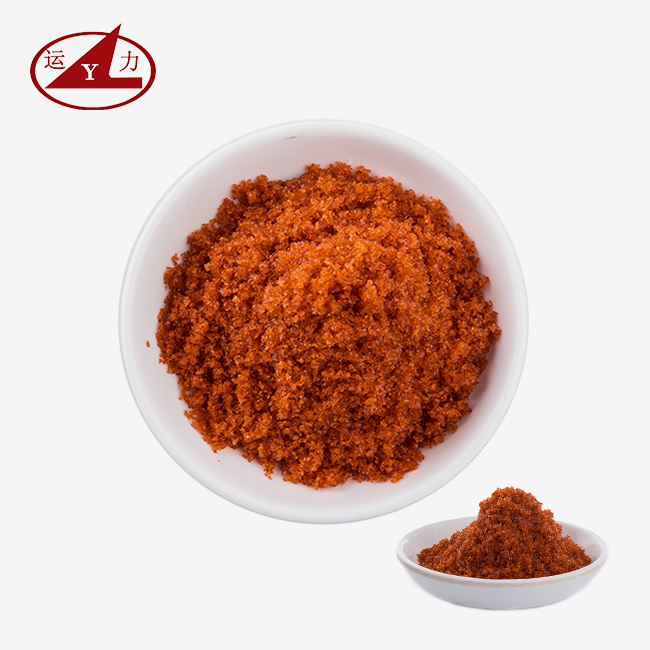
Aluminium Nitrate Nonahydrate is a key chemical building block that is used in lots of different fields. You can use it to make catalysts, clean water, work with fabrics, and make pots, among other things. Molecularly, this solid material is made up of Al(NO3)3·9H2O. It gives companies a reliable source of aluminum ions and still has great solubility and oxidation properties that are needed for modern industry.
Key Physical and Chemical Properties
The material can only be used in certain heat processing settings because it melts at 73.9°C and breaks down at 150°C. Because its water solutions are naturally acidic and it oxidizes, it can do chemical reactions that other things can't. The stuff smells bad, so it needs to be treated with care. It breaks down quickly in water, but not so much in alcohols and ethylene glycol. This changes how it is used in different fields.
Industrial Synthesis and Purity Considerations
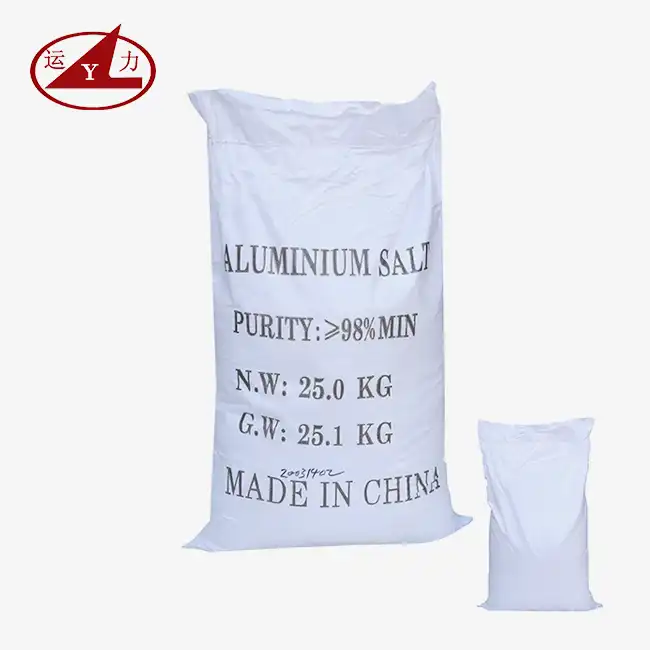
During the making process, nitric acid is often mixed with aluminum hydroxide or aluminum metal. Because of this, there are various standard grades that can be used in various scenarios. For use in industry, the amount of metal must be more than 98%. Ultra-pure kinds with less than 30 parts per million of iron and less than 50 parts per million of sodium are needed for certain applications. It is because of these strict rules that sensitive uses, like catalyst supports and electrical materials, work at their best.
Primary Industrial Applications of Aluminium Nitrate Nonahydrate
The combination is useful in many fields, and each one makes things in a different way by using its unique chemical properties. Procurement workers can find ways to make their work more efficient by learning about these apps.
Catalyst Manufacturing and Petrochemical Processing
This mix is the main source of aluminum used in the oil business to make supports for catalysts, especially for processes that remove sulfur. It does not leave dangerous chloride residues when it breaks down thermally like other aluminum chloride choices do. Instead, it forms pure gamma-alumina structures. It is very important that the catalyst stays active and lasts a long time, and that the metal in the reactor doesn't break down.
To get the uranium out of the fuel used to make nuclear power, this material is turned into salt. By increasing the distribution factors between the watery and organic phases, it makes it easier to separate fissionable materials from other contaminants. This proves that it works well in business situations with a lot at stake.
Textile and Leather Processing Industries
Aluminium Nitrate Nonahydrate is a great mordant for coloring fabrics because it forms strong coordinate bonds with dyes and fibers. These bonds stop color loss and make the fabric more resistant to light. It is very important to keep the color of cotton and silk the same, and this app makes it easier to do that. In the process of dying leather, this chemical is used as a high-performance tanning agent. It works great for making high-quality leather grades for cars. Its even browning skills keep the structure from breaking down and make sure that the quality stays the same even when a lot of it is made.
Water Treatment and Environmental Applications
People and businesses that treat water with this material use it because it works better than aluminum sulfate and chloride alternatives as a coagulant and flocculant. It dissolves easily and fast through treatment systems. It also breaks down slowly, which makes it the best floc for getting rid of contaminants. In the environmental field, it is used in certain wastewater treatment processes that need to keep the pH level and aluminum ion content under tight control to follow rules and make the treatment work well.
Safety, Handling, and Storage Guidelines
It is important to follow safety rules so that workers are safe and the product stays in good shape while it is being stored and handled. These instructions are very useful for buying teams that are setting up how things will work.
Health and Safety Considerations
Because the material oxidizes, you need safety gear like gloves that can handle chemicals, eye protection, and breathing masks in dusty areas. It smells bad, so the Material Safety Data Sheets say not to touch it with your skin. Also, make sure you don't breathe it in while you're handling it.
Environmental Compliance and Disposal
The most important things for the earth are how to properly get rid of trash and how fast it breaks down. It will break down into aluminum oxide and nitrates over time, so it needs to be treated correctly before it can be thrown away. This is to make sure that the natural rules in the area are followed. Cleanup systems must be put in place at facilities so that trash doesn't end up in rivers or the ground by accident.
Storage Requirements and Transportation
To keep things from getting too wet, temperatures should stay below 25°C and relative humidity should stay below 60%. It is important to follow the Class 5.1 oxidizer classification when sending goods internationally, and they need to be properly packed to keep out contaminants and wetness during long shipping times.
Comparative Analysis for Procurement Decisions
You need to know a lot about the different options on the market and how they work in order to make smart purchases. This study makes sure that buyers get the most for their money and that the method works well each time.
Performance Comparison with Alternatives
Aluminium Nitrate Nonahydrate is easier to process than aluminum sulfate. It also doesn't pollute with sulfate, which is important for uses that need to be careful. When aluminum chloride is present, it keeps the harmful chloride from getting into reaction systems. This keeps tools safe and improves the quality of the product. Because of these benefits, the higher price is worth it when speed and cleaning are more important than price.
Supplier Evaluation and Quality Assurance
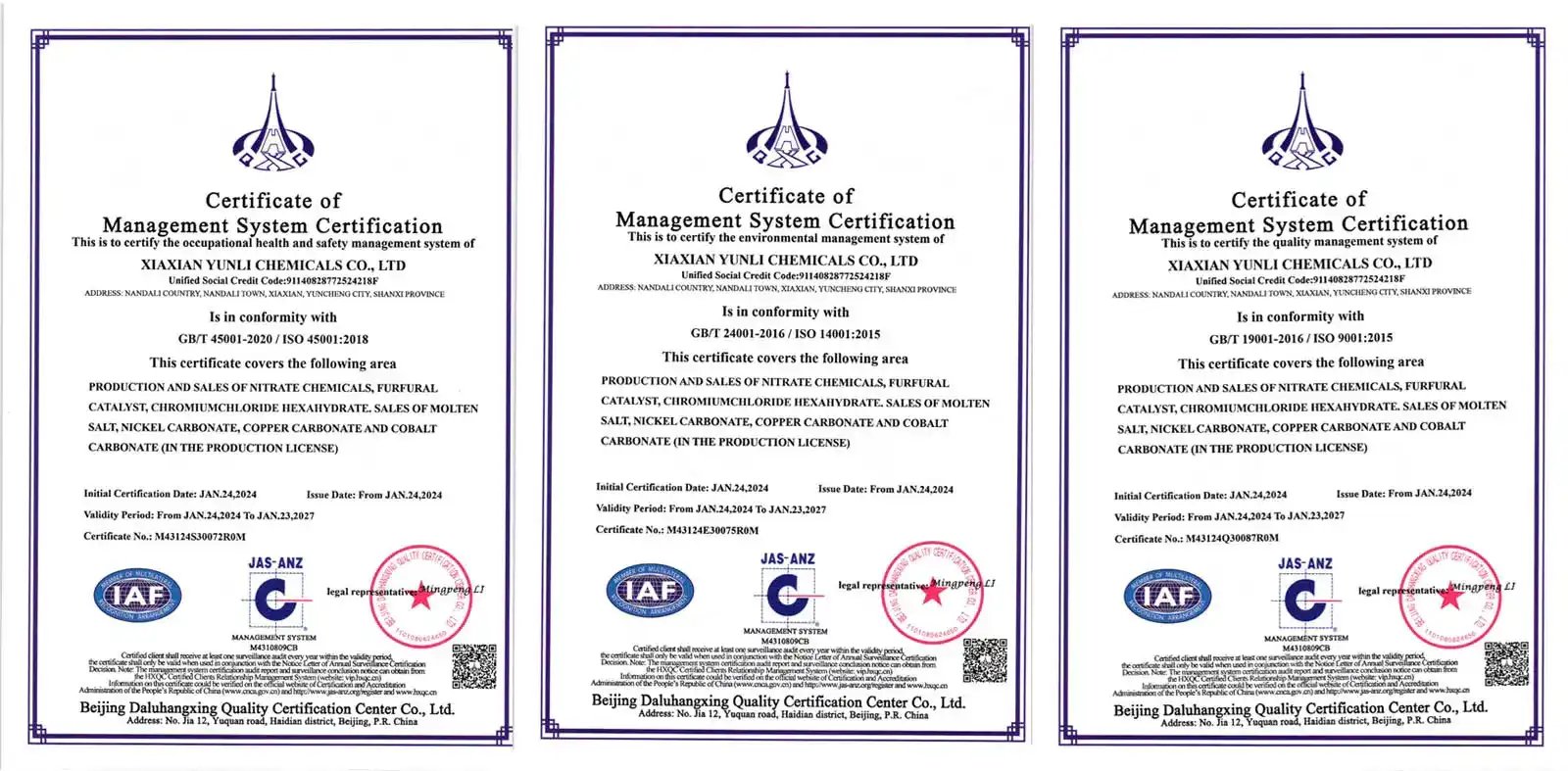
With certifications like OHSAS compliance, ISO 9001 compliance, and ISO 14001 compliance, leading providers show that their quality is always the same. A lot of different tests, like ICP-MS and atomic absorption spectrometry, are used to make sure that every batch is the same and meets very high standards for cleanliness. Providers who offer a range of ratios, pH changes, and packaging options are more useful for certain uses.
Teams that are in charge of getting things should give more weight to suppliers who have been reliable in the past, have sound finances, and can offer expert help. People who have been together for a long time usually save money because they agree to buy more and make sure there is a steady supply even when the market changes.
Maximizing the Value of Aluminium Nitrate Nonahydrate in Your Operations
A business can get the most out of the chemicals it buys while still meeting high quality standards by using operational efficiency methods. For instance, when working with hydrated metal salts like Aluminium Nitrate Nonahydrate, precise handling and inventory control are key operational methods that ensure maximum yield and consistent product quality. Businesses that are already up and running and those that want to make their processes better can both use these methods.
Process Optimization Strategies
Concentration needs, reaction rates, and effects on processes further down the line need to be carefully thought through in order for the performance to go well. Pilot testing helps businesses figure out the best dose rates and reaction conditions for their needs. Every so often, quality tracking checks to see if performance stays the same and looks for ways to make the process better.
Supply Chain Integration
Setting up reliable shipping plans, making sure there are enough goods on hand, and putting in place ways to check the quality of the goods are all important parts of integrating the supply chain well. Being close to your providers lets you quickly adapt to new needs and keep things running, even when fixes are planned or when demand changes quickly.
Partners in business often include technical help services in their deals. They help operations figure out what's wrong and get things done better. These extra services are very useful for businesses that are starting new processes or expanding the ones they already have.
Conclusion
Aluminium Nitrate Nonahydrate is a key part of current industrial production because it can be used to make many things, such as chemicals, catalysts, and fabrics. It is the best choice for companies that care about quality because it breaks down more slowly, melts more easily, and spreads germs less. It is important for reliable suppliers to offer professional support and the chance to build long-term relationships. It is also important to make sure that laws are followed and product quality stays the same.
FAQ
What purity grades are recommended for different industrial applications?
To treat industrial water, for example, the water must be at least 98% pure. To make catalysts, it must be at least 99% pure and have less than 30 parts per million of iron. When used in electronics or medicine, 99.9% pure is often needed, along with full heavy metal analysis and contamination control.
How does the hydrated form compare to anhydrous aluminum nitrate?
The nonahydrate form is easier to work with and dissolves more slowly than the anhydrous form. Anhydrous forms have more aluminum per unit weight, but hydrated crystal structures keep dust from building and make doses more accurate when used with water.
What are the key safety priorities during transportation and storage?
For shipping, you need to meet the requirements for Class 5.1 oxidants, pack the goods in a way that keeps wetness out, and keep the temperature below 30°C. Places that store things need to keep the humidity below 60%, make sure there is enough air flow, and follow the right fire safety rules for the things that are on fire. Emergency action plans should include things like possible leaks and situations where people could be exposed.
Partner with Yunli Chemical for Premium Aluminium Nitrate Nonahydrate Solutions
Yunli Chemical, which has been producing high-quality goods for over 20 years and has a history of meeting the needs of difficult commercial uses, is a reliable source of Aluminium Nitrate Nonahydrate. We can make materials that are very pure and meet the tightest standards thanks to our advanced production methods. On the other hand, our strict quality control methods make sure that each batch works the same way. Custom solutions are made to fit your needs. For example, we can give you different crystal shapes, liquid ratios, and packed options. Feel free to email our team at wangjuan202301@outlook.com to talk about your specific needs and get free 500g samples of our top-notch goods.
References
1. Smith, J.A. and Chen, L. "Industrial Applications of Aluminum Nitrate Compounds in Modern Manufacturing." Journal of Chemical Engineering and Process Technology, Vol. 45, No. 3, 2023, pp. 234-251.
2. Thompson, R.K. "Comparative Analysis of Aluminum-Based Coagulants in Water Treatment Systems." Water Treatment and Environmental Engineering Quarterly, Vol. 28, No. 2, 2023, pp. 89-104.
3. Martinez, C.P. and Anderson, D.M. "Catalyst Support Materials: The Role of High-Purity Aluminum Sources." Petrochemical Processing International, Vol. 67, No. 8, 2022, pp. 156-169.
4. Wilson, E.T. "Advanced Mordant Systems in Textile Dyeing: Performance and Environmental Considerations." Textile Chemistry Review, Vol. 39, No. 4, 2023, pp. 78-92.
5. Lee, S.H. and Brown, K.L. "Safety and Handling Protocols for Oxidizing Chemical Compounds in Industrial Settings." Industrial Safety and Health Management, Vol. 31, No. 7, 2023, pp. 201-218.
6. Davis, M.R. "Supply Chain Optimization for Specialty Chemical Procurement in Manufacturing Industries." Chemical Business Quarterly, Vol. 52, No. 1, 2024, pp. 45-61.