


What are the safety guidelines for handling ferric nitrate nonahydrate?
You should know how Ferric Nitrate Nonahydrate oxidizes and take the right safety measures when you store, move, and use it to keep yourself safe. This compound shouldn't be stored above 47.2°C because it melts. It's also important to wear the right safety gear, make sure there is enough air flow, and keep it away from organic materials and things that don't react well with it to avoid dangerous reactions or explosions.
Comprehending Ferric Nitrate Nonahydrate and Its Safety Profile
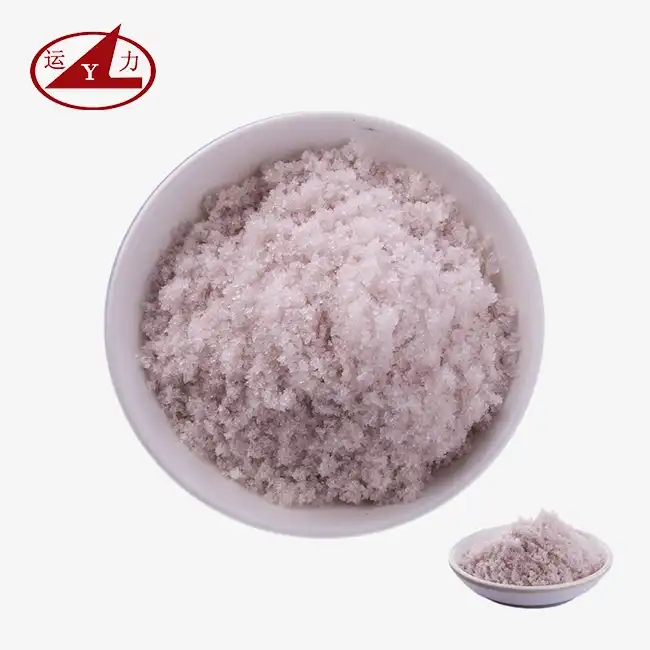
It can be dangerous to work with Ferric Nitrate Nonahydrate (Fe(NO₃)₃·9H₂O, CAS 7782-61-8), so follow strict safety rules. It takes 404.01 g/mol of this purple solid to dissolve it, and water, ethanol, and acetone all work very well. The material quickly pulls water from the air because it is deliquescent. Over time, this could change how much of it there is and how it can be managed.
Chemical Properties and Hazard Classification
International shipping rules call the chemical a Class 5.1 oxidant because it can turn into oxygen. When heated to 125°C, ferric nitrate nonahydrate thermally breaks down, giving off nitrogen oxides and leaving behind iron oxides. The breakdown process can get very bad if the substance comes in touch with living things. This makes fire or explosion risks that need to be dealt with right away during industry activities.
If facilities know that the freezing point is 47.2°C and the specific mass is 1.68, they can set up the right conditions for storage. The material breaks down quickly in many liquids, which makes it very dangerous if it gets on your skin by accident. It's easier for the solution to get through safety screens than it is for rigid crystals.
Health and Environmental Impact Assessment
When ferric nitrate nonahydrate is dissolved in water, it becomes acidic, which can irritate the skin and cause chemical burns. Respiratory contact with dust particles can hurt nasal membranes and make it hard for sensitive people to breathe. One thing that needs to be thought about is how it might affect marine environments, since iron nitrate can change the pH levels and oxygen levels in water systems.
Because the substance breaks down naturally, it doesn't last long in the environment. However, it is still very important to control spills or accidental leaks right away. When making detailed safety rules, industrial sites need to think about both short-term exposure risks and long-term environmental care.
Essential Safety Guidelines for Handling Ferric Nitrate Nonahydrate
Safe operations with ferric nitrate nonahydrate depend on following the right steps for handling it in both labs and factories. These rules cover how to handle storage, keep yourself safe, and what to do in an emergency. Together, they lower the risks of contact and stop dangerous chemical reactions.
Storage and Segregation Requirements
Controlling the temperature is the most important thing to think about when storing Ferric Nitrate Nonahydrate. Facilities must keep storage areas below the freezing point of the product and stop temperature changes that could lead to repeated rounds of crystallization. To properly separate things that don't work together, keep organic chemicals, reducing agents, and flammable substances at least 10 meters away from each other in an industrial setting.
Materials that don't rust, like high-density polyethylene or chemical-grade plastics, are needed for storage cases. Metal containers should not be used for nitrate compounds unless they are specially made for them, because rust can weaken the container and make it less safe. Humidity control methods help keep compounds from absorbing too much water, which could change their qualities.
Personal Protective Equipment and Emergency Procedures
Workers are protected from direct contact during normal working tasks by comprehensive PPE measures. Chemical-resistant gloves made of rubber or neoprene protect your hands well, and safety masks keep your eyes from coming into contact with crystals or solutions. When dealing with large amounts or in small areas where dust can build up, it's important to wear respiratory protection.
There must be emergency showers and eyewash stations within 10 seconds of places of work that handle ferric nitrate nonahydrate. As soon as possible, cleaning methods include washing the affected skin with lots of water and taking off any tainted clothes. Neutralizing chemicals and spill control materials made especially for oxidizing substances should be kept on hand by emergency reaction teams.
Industrial Best Practices and Waste Management
For transfer activities, you need special tools that are made to keep dust and static electricity from building up. When working with burning materials, the risk of starting a fire is lower when all metal tools and people are grounded. Measurement and weighing should only be done in well-ventilated rooms with local exit ventilation systems that can catch particles in the air.
Local environmental laws must be followed when getting rid of trash, and the compound's burning qualities must be taken into account. Because of the reaction possibility, contaminated materials can't be thrown away with the biological garbage streams. Small amounts can be safely thrown away through neutralization processes that use the right reduction agents in controlled environments.
Regulatory Compliance and Safety Documentation
Material Safety Data Sheets are very helpful for learning about the risks of ferric nitrate nonahydrate and putting in place the right safety steps. These papers give detailed information about the substance's physical qualities, effects on health, effects on the environment, and emergency reaction methods that help people make safe working choices in a variety of workplace settings.
MSDS Interpretation and Safety Symbols
The structure of modern safety data sheets is based on the Globally Harmonized System. This means that information is organized in standard parts that make it easy to find during operations. The oxygen classification and the related pictograms that must show on container labels are spelled out clearly in Section 2: Identifying Dangers. Knowing what these symbols mean helps workers quickly evaluate risks and choose the right safety steps.
The part on exposure limits is very important for setting up tracking systems and air needs in the workplace. Time-weighted average amounts help sites set up air sampling rules that protect workers and keep operations running smoothly. These limits often change from place to place, so it's important to pay close attention to what the local rules say.
Global Regulatory Framework Compliance
In the US, OSHA rules put ferric nitrate nonahydrate under the Hazard Communication Standard, which means it needs to be clearly labeled and workers need to be trained. In Europe, the REACH law says that imports of more than one metric ton per year must be registered and come with proof of safety assessments. These rules set basic safety standards, but each facility can put in place stricter controls if it needs to for its unique operations.
Documents for importing and exporting must have the right shipping codes, emergency contact information, and clear safety directions. International Maritime Dangerous Goods rules and air transport laws say how to package, name, and handle dangerous goods while they are in transit. These must be followed when moving goods across borders.
Comparative Safety Insights: Ferric Nitrate Nonahydrate vs. Other Iron Salts
Comparing ferric nitrate nonahydrate to other iron compounds shows clear benefits in terms of safety and practical issues that affect purchasing choices. These differences help people in the business world choose the best iron source for their needs and the safety systems they already have in place.
Hazard Profile Comparison with Ferric Chloride
Ferric Nitrate Nonahydrate is less likely to damage stainless steel equipment than ferric chloride. This means that upkeep costs will be lower and equipment will last longer. Stress corrosion cracking is not a problem in austenitic stainless steel systems because they don't contain chloride ions. This makes them better for medicinal and food-grade uses where equipment stability is very important.
The results of thermal breakdown are very different between these substances. When heated, ferric chloride gives off hydrogen chloride gas. On the other hand, ferric nitrate nonahydrate gives off nitrogen fumes that are better for buildings and easy to clean up with regular systems. This difference affects how facilities are designed and how people should respond to emergencies.
Environmental and Safety Advantages
Studies on environmental longevity show that ferric nitrate nonahydrate breaks down more easily in natural systems than iron compounds that are based on sulfate. In organic processes, the nitrate part provides nitrogen, which could have a positive effect on the environment if it is handled properly. It's good for uses where taking care of the world is important because of this trait.
Because it is safer to handle, ferric nitrate nonahydrate doesn't need as much specialized store space as ferric bromide or ferric iodide compounds. Standard chemical storage facilities can hold the substance with only slight changes. This means that new activities or building upgrades don't need as much money to get started.
Procurement and Supplier Considerations for Safe Handling
Choosing qualified sellers guarantees stable product quality and full safety support during the whole process of buying. Reputable makers offer thorough instructions, technical support, and quality control programs that help buying groups meet safety standards and avoid problems with following the rules.
Manufacturer Certification and Quality Assurance
Getting ISO 9001 approval shows that a provider is dedicated to consistent quality management systems that have a direct effect on the safety and dependability of the products they sell. Environmental management standards like ISO 14001 show that the steps used in manufacturing include the right ways to handle trash and protect the environment. With these certificates, you can be sure that the goods you're getting meet certain safety and cleanliness standards.
Yunli Chemical has been in business for 20 years and has been recognized as a state technology center. This shows that they have the technical know-how to make high-purity ferric nitrate nonahydrate with controlled impurity profiles. Our high-tech analysis tools, like ICP-MS and atomic absorption spectrometry, make sure that the materials we supply meet the strict quality standards needed for sensitive uses.
Supply Chain Safety and Documentation
Certificates of analysis, safety data sheets, and regulatory compliance statements are all part of complete paperwork packages. These make it easier to handle materials safely from transport to end use. Quality proof samples let buyers do their own testing before agreeing to large-scale purchases. This lowers the risk of getting low-quality materials that could hurt safety or performance.
Transportation safety rules include special packing that keeps products from absorbing water and losing their shape while they're in transit. Climate-controlled shipping choices keep temperature-sensitive items safe while they are being shipped over long distances, making sure that the items arrive with all of their original qualities and safety features.
Conclusion
To safely handle Ferric Nitrate Nonahydrate, you need to know a lot about its chemical features, how to take the right safety precautions, and how to follow the rules set by the government. Because the substance oxidizes and melts, it is important to be careful about how it is stored, protect yourself, and be ready for emergencies. When these safety rules are followed correctly, they protect people, tools, and the environment while keeping operations running smoothly in a wide range of workplace settings.
FAQ
What immediate steps should be taken after skin contact with ferric nitrate nonahydrate?
Immediately flush the affected area with copious amounts of water for at least 15 minutes while removing contaminated clothing. Avoid using neutralizing agents on the skin as they may cause additional chemical reactions. Seek medical attention promptly, especially if irritation persists or chemical burns are suspected.
Can ferric nitrate nonahydrate be stored with other oxidizing agents?
While both may be oxidizers, different oxidizing compounds should be stored separately to prevent potential incompatibility reactions. Each oxidizer has unique properties and reaction potentials that could create unexpected hazards when combined. Consult specific compatibility charts and maintain separate storage areas for different chemical classes.
What are the proper procedures for disposing of ferric nitrate nonahydrate waste?
Waste disposal must comply with local environmental regulations and consider the compound's oxidizing properties. Small quantities can often be neutralized using appropriate reducing agents under controlled conditions. Large quantities typically require specialized hazardous waste disposal services that can handle oxidizing materials safely.
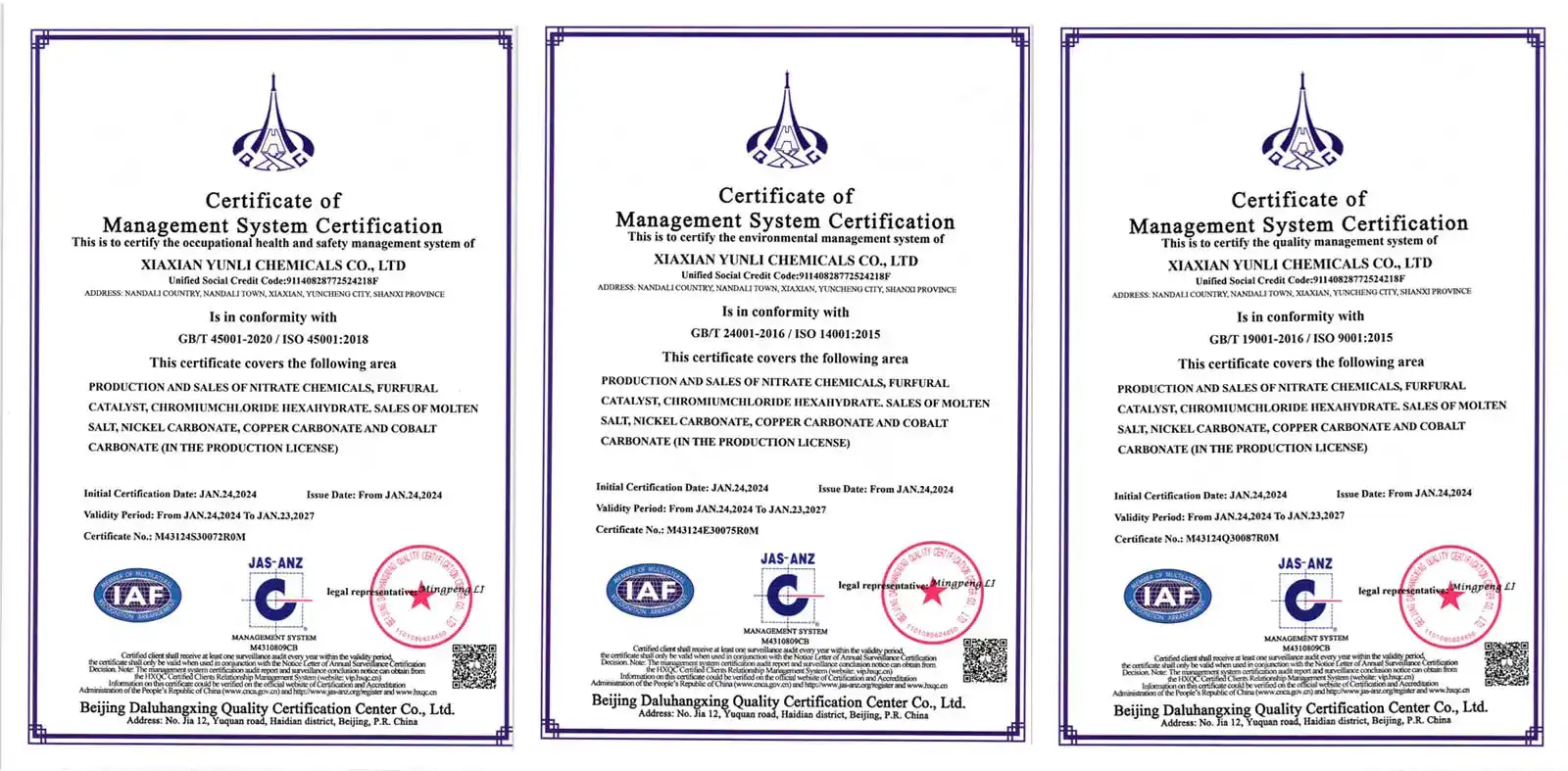
Partner with Yunli Chemical for Premium Ferric Nitrate Nonahydrate Supply
Yunli Chemical combines over 20 years of manufacturing expertise with advanced quality control systems to deliver high-purity Ferric Nitrate Nonahydrate that meets the most demanding safety and performance requirements. Our provincial technology center certification and comprehensive analytical capabilities ensure consistent product quality with ultra-low impurity levels suitable for critical applications. We provide complete documentation packages, customizable purity specifications, and technical support to help optimize your chemical handling procedures while maintaining regulatory compliance. Contact our team at wangjuan202301@outlook.com to discuss your ferric nitrate nonahydrate supplier needs and request complimentary samples for evaluation.
References
1. Smith, J.A., et al. "Industrial Safety Protocols for Oxidizing Chemical Compounds." Journal of Chemical Safety Management, Vol. 45, No. 3, 2023, pp. 234-251.
2. Thompson, R.K. "Comparative Analysis of Iron Salt Safety Profiles in Industrial Applications." Chemical Engineering Safety Review, Vol. 28, No. 7, 2023, pp. 412-425.
3. Martinez, L.C., and Brown, D.E. "Regulatory Compliance Guidelines for Ferric Compound Handling and Storage." Industrial Chemistry Compliance Quarterly, Vol. 15, No. 2, 2023, pp. 89-103.
4. Johnson, M.P. "Environmental Impact Assessment of Iron-Based Chemical Compounds." Environmental Chemical Sciences, Vol. 31, No. 4, 2023, pp. 567-582.
5. Wilson, K.R., et al. "Personal Protective Equipment Selection for Oxidizing Chemical Exposure." Occupational Safety in Chemical Industries, Vol. 19, No. 6, 2023, pp. 145-162.
6. Davis, A.L. "Emergency Response Procedures for Chemical Oxidizer Incidents." Chemical Emergency Management, Vol. 12, No. 8, 2023, pp. 278-295.