


What are the primary uses of copper nitrate trihydrate?
Copper Nitrate Trihydrate (Cu(NO₃)₂·3H₂O, CAS 10031-43-3) is an important chemical product used in many different industries. It has a lot of different uses in making catalysts, electroplating, crop formulations, and advanced material synthesis. This blue solid oxidizing agent dissolves better in both water and alcohol, which lets you finetune chemical processes that range from treating metal surfaces to making pharmaceutical intermediates. Its clean thermal breakdown profile and controlled reactivity make it an essential part for uses that need consistent purity and reliable performance results.
Understanding Copper Nitrate Trihydrate: Properties and Composition
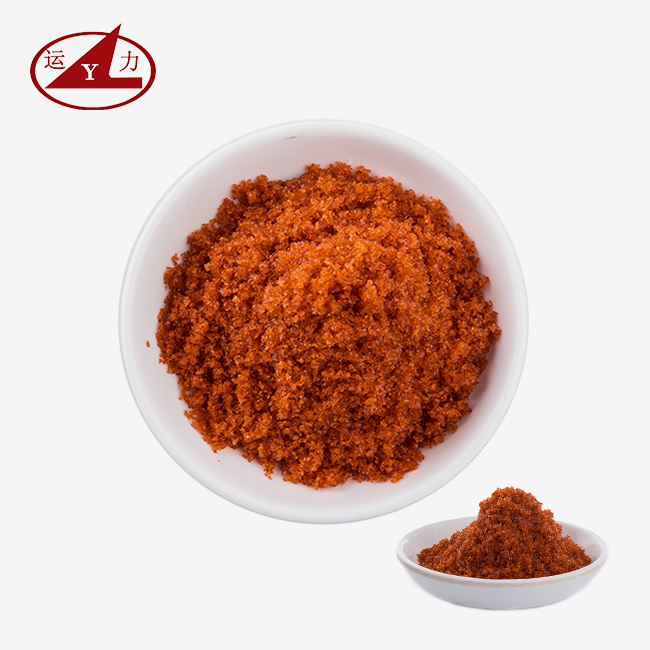
This artificial salt has a molecular structure made up of three water molecules, two nitrate groups, and one copper ion. Its molecular weight is 241.6 g/mol. This Copper Nitrate Trihydrate form is made up of dark blue columnar crystals that have a mass of 2.05 g/cm³ under normal conditions.
Physical Characteristics That Define Industrial Suitability
The substance has amazing hygroscopic properties; it easily absorbs moisture from the air, which means it needs to be stored in a sealed container. At 114.5°C, its melting point, it dissolves in its own water of crystallization and then breaks down at temperatures above 170°C. This material is very useful for neutral reaction settings where even distribution of copper ions is important because it dissolves completely in both water and ethanol. The water-based solutions that are made have an acidic pH, so they need to be tested to see if they are compatible with process tools and chemicals used later on.
Chemical Reactivity and Safety Considerations
This nitrate salt needs to be handled carefully because it is a strong oxidizing agent. When flammable materials are put together with pressure, contact, or heat, dangerous reactions may happen. Nitrogen oxide gases are released when things break down at high temperatures. These gases are bad for your health and the environment. Both the oxidizing and acidic qualities of dissolved solutions make direct touch with the skin irritating.
Companies that want to use this substance need to make detailed material safety data sheet (MSDS) rules that include what safety gear workers need, how to ventilate the space, and what to do in an emergency. Controlled humidity levels below 60% and temperatures between 15°C and 25°C should be kept in storage areas to keep things from going bad too quickly and to make sure that each batch is the same.
When procurement workers look at seller certifications, these physicochemical factors have a direct effect on what they buy. Quality control teams look for records of analysis that show purity levels of 98% or more, with strict limits on iron content (usually 30ppm or less) and other small metal contaminants that could affect how well the catalyst works or how well the surface is treated.
Primary Industrial and Laboratory Uses of Copper Nitrate Trihydrate
These days, factories use Copper Nitrate Trihydrate for many different high-value tasks, and each one takes advantage of different chemical qualities that other copper salts can't produce as well.
Catalyst Production and Chemical Synthesis
Cupric nitrate is the best starting material for making copper oxide-based catalysts in the catalyst production process. The clean breakdown route it uses makes high-purity CuO without adding sulfate or chloride, which can damage active catalyst sites. Ultra-low iron formulas are especially helpful for methanol synthesis because controlling impurities has a direct effect on how long the catalyst lasts and how selective it is.
The compound allows exact copper loading onto support materials using impregnation methods. Its full solubility makes it easy to get deep into porous surfaces like silica and alumina. Adjusting the pH of recipes to keep them in the ideal range of 3.5 to 4.2 stops premature precipitation and makes sure that the metal is spread evenly across the surfaces of the catalyst.
In the process of organic synthesis, this chemical acts as a controlled oxidation agent to make certain changes. Aromatic nitration processes use it in certain situations where excess nitric acid would lead to unwanted side effects. The substance also turns on glowing powder mixtures, adding copper ions that improve their photoluminescent qualities in specific coating uses.
Metal Surface Treatment and Electroplating
Copper and brass parts get artistic and protective patinas from cupric nitrate solutions used in surface finishing. Its predictable oxidation processes make dark finishes that don't flake or fade in UV light, which is important for architectural repair projects. Unlike acetate-based options that don't always produce the same color, nitrate formulas give reliable results even when the substrate is made of different materials.
Ready-to-use liquid ratios get rid of the need for on-site dissolving steps. This saves about 30% of the work that needs to be done and lowers the risk of exposure during solution preparation. RoHS-compliant versions help plating operations be more eco-friendly by switching from hexavalent chromium systems to trivalent ones that keep up performance and meet regulatory requirements.
Agricultural Applications and Micronutrient Delivery
Companies that work with agricultural technology add this chemical to water-soluble fertilizer mixes to help plants that don't have enough copper. Because it dissolves so easily, it can be easily added to NPK mixtures. It stays solid in concentrated solutions and doesn't precipitate when stored or used in the field. Certified formulas keep heavy metal levels below 10ppm, which meets the standards for organic growing and the requirements for OMRI approval. The substance can also be used as a starting point to make fungicides, which work by releasing copper ions in a controlled way to kill germs without leaving behind too much waste. It quickly dissolves, which makes it good for foliar spray uses because it makes sure that nutrients get into leaf cells efficiently.
Advanced Materials and Nanotechnology
High-purity types are used in research and development labs to make copper-based nanoparticles that can be used in electronics and optics. Using sol-gel processing methods to make nanoparticle dispersions with controlled size distributions takes advantage of its ability to dissolve uniformly. The combination is part of photosensitive resistance materials that are used to make circuit boards. The usefulness of parts is determined by the exact patterns of copper deposition used. Pharmaceutical intermediate synthesis is possible with API-grade formulations having ≤0.07% moisture, especially when making bismuth nitrate products that need to meet strict purity standards.
These different uses show why purchasing managers in all kinds of businesses put a lot of value on relationships with manufacturers who can make both standard goods and custom formulations. When looking for long-term supply partners, technical support services like application improvement advice are just as important as the quality of the base materials.
Comparing Copper Nitrate Trihydrate with Other Copper Salts for Optimal Usage
When choosing a material, it's important to look at how well it works, how much it costs, and what the application needs. Copper Nitrate Trihydrate is different from other copper compounds in a number of ways.
Performance Differentiation Against Copper Sulfate
Copper sulfate pentahydrate is the most common option. It has lower unit costs but adds sulfate ions that stay in the system during many processes. When sulfate builds up in baths used for electroplating, it causes problems with contamination and needs to be replaced often. Sulfate species block active sites and change selectivity profiles, which lowers the performance of catalyst uses. The nitrate version gets rid of these worries by breaking down cleanly at high temperatures, leaving only gaseous products and pure copper oxide that doesn't have any anionic leftovers. There are also changes in how well they dissolve. For example, the nitrate form can reach higher concentrations in alcoholic media, which is important for some organic synthesis methods.
Advantages Over Copper Chloride Systems
Copper chloride is very easy to dissolve, but chloride pollution can be a big problem in sensitive uses. In chloride settings, stainless steel process equipment rusts more quickly, which raises the cost of upkeep and the chance of contamination. Copper from chloride sources in catalyst mixtures is less stable at high temperatures and stops working early during high-temperature processes. The nitrate option saves investments in infrastructure and gives better batch consistency. A study of prices shows that nitrate systems have lower total operating costs, even though the raw materials are more expensive. This is because the equipment lasts longer and the process produces more.
Quality Assessment Protocols for Procurement Teams
To tell the difference between premium-grade materials, more than just basic quality requirements need to be checked. Analyzing the iron content using ICP-MS or atomic absorption spectroscopy lets you know if batches meet the very low impurity levels needed for tough uses. Measuring the particle size distribution makes sure that the working qualities and rate of dissolution are always the same. Finding out the moisture content makes sure that the solid hydration ratios are correct and stops stoichiometric changes that make process control harder to maintain. Certificates of analysis should include details about how the tests were done and records of how the instruments were calibrated to show that the measurements can be tracked.
The changes in prices show how much the raw materials cost as well as the value-added services like expert help and the ability to make custom formulations. Instead of just looking at prices per kilogram, bulk buying strategies rely on supply agreement structures that ensure consistent availability. Long-term value is higher in supplier partnerships that provide consistent batches and quick technical support than in commodity price relationships that need frequent quality testing and process changes.
How to Source and Purchase Copper Nitrate Trihydrate for B2B Needs
Setting up reliable supply chains for important chemical inputs needs methodical ways to evaluate suppliers that balance quality control, following the rules, and operating freedom. Copper Nitrate Trihydrate procurement requires careful evaluation of several factors.
Evaluating Manufacturer Credentials and Certifications
ISO 9001 quality management certification shows that production rules are set up in a way that makes sure stability from batch to batch. Environmental management standards, such as ISO 14001, make sure that the right steps are taken to clean garbage and control emissions, which are necessary for businesses to be sustainable. OHSAS occupational safety standards show steps to keep workers safe that are in line with good work practices and keeping the workplace clean.
Designations as a provincial or national technology center show that the center can do research that helps with custom formulation creation and technical fixing. Manufacturers with their own analytical labs that are equipped with ICP-MS and atomic absorption spectrometers can quickly check lots and solve quality problems that wholesalers who don't have these facilities can't.
When it comes to regional sourcing, things like legal alignment and communication speed are just as important as delivery logistics. Established makers who have been in business for decades have an edge over newer companies when it comes to supply security. This is especially true when it comes to allocating resources during shortages of raw materials. Financial strength signs, such as yearly sales of more than $150 million and large amounts of fixed assets, show that the company is able to keep inventory levels high and invest in process changes.
Navigating Bulk Purchasing and Contract Negotiations
Tonnage buyers should look for framework deals that set price rules, minimum order amounts, and delivery times that strike a balance between the costs of keeping inventory and the security of a steady supply. Free sample programs of up to 500 grams let you fully test the product's quality before committing to large-scale sales. Customization options, such as changing the iron specs, stabilizing the pH, choosing the particle size, and making liquid formulations that are already dissolved, add value by getting rid of the need for internal processing steps.
Distributors who deal with a wide range of customers whose volume needs change will benefit from rules that don't require a minimum order number. Flexible packaging that can use both standard cases and labels made just for each customer cuts down on the steps needed to handle items and helps inventory management systems work better.
Payment terms should be negotiated based on how long the relationship has been going and how much business is being done. Long-term customers should be able to get better terms than occasional buys. Coordinating freight plans is needed to keep temperatures and moisture levels under control while they're in transit, especially for foreign shipments that go through more than one climate zone. The standards for documentation, such as commercial invoices, material safety data sheets, and certificates of analysis, must match what the customs and regulatory agencies in the target country want.
Transactional providers are different from strategic partners because they don't offer technical support services. Having access to application engineers who are skilled in creating catalysts, improving electroplating, or creating farm products speeds up efforts to fix problems and make processes better. Post-sale quality assurance, which includes methods for investigating complaints and corrective action processes, keeps batch differences from messing up production plans.
Best Practices for Handling, Storage, and Safety in Industrial Settings
To be excellent at handling oxidizing chemical solutions like Copper Nitrate Trihydrate, you need detailed plans that cover things like the properties of the materials, training for staff, and following the rules set by regulators.
Storage Infrastructure and Environmental Controls
To keep things from going bad too quickly, storage places should keep the temperature between 15°C and 25°C and the relative humidity below 60%. Containers that are airtight and made of materials that are compatible with each other chemically stop moisture from absorbing while still letting pressure equalize when temperatures change. Protocols for segregation keep oxidizing agents away from flammable materials, which lowers the risk of fire and blast.
Secondary filtration systems catch possible leaks, keeping harmful chemicals from getting into the environment and making cleanup easier. Inventory management systems that keep track of lot numbers and receipt dates allow for first-in, first-out movement, which cuts down on the time items are stored.
Personal Protective Equipment and Exposure Controls
Engineering controls, such as local exit ventilation systems, remove particles and vapors from the air at the sources where they are created. This keeps the air quality in the workplace below the limits for safe contact. When working with dry substances or concentrated solutions, workers should protect their eyes and skin by wearing chemical-resistant gloves, safety shields, and protective jackets. Respiratory protection is needed when working in a dusty environment or when there isn't enough air flow. Emergency eyewash stations and safety showers must always be within ten seconds of work areas, and they must be tested every week to make sure they are working properly.
Spill Response and Waste Management Protocols
Spill kits with absorbents, neutralizers, and control tools should be put near places where things are stored and used. Response methods stress separating the affected area, putting on the right safety gear, and holding back liquid drops before they are absorbed. To get rid of contaminated materials properly, approved hazardous trash contractors must follow all environmental laws. Copper and nitrate ions are found in water waste streams that need to be treated to lower the concentrations below the standards for discharge before they can be sent to city systems. Environmental responsibility and cost control goals can both be met by optimizing processes to reduce waste by making better use of materials and starting recycling programs.
When someone first starts working for a company and every year after that, they should go through training programs that cover right handling methods, emergency procedures, and legal requirements. During regulatory checks, systems that keep track of completed training, incident reports, and inspection results show that compliance has been met. Material safety data sheets must always be available to anyone who might come into contact with the material, and copies that are available in more than one language should be made available to help a diverse workforce.
Conclusion
Copper Nitrate Trihydrate is very useful for making catalysts, treating surfaces, finding new ways to grow crops, and making improved materials. Because it dissolves more easily, breaks down more slowly, and reacts more slowly, it meets important performance needs that other copper salts can't. Finding suppliers who offer regular purity, full certifications, and expert support services is key to successful procurement. Proper handling procedures and storage facilities protect both workers' safety and the integrity of materials, ensuring that processes work as expected and that regulations are followed in all industry activities.
FAQ
What purity levels should I specify for catalyst applications?
To keep catalysts from losing their effectiveness, they usually need to be ≥98% pure and have an iron level below 30ppm. 99.99% grades get rid of minor contaminants that hurt selection and durability, which is good for ultra-sensitive processes.
How does moisture content affect product performance?
Too much wetness messes up stoichiometric ratios in mixtures that need precise copper amounts. For pharmaceutical uses, API-grade materials need to have less than 0.07% moisture, but industrial types can handle up to 0.5% moisture, based on the end use.
Which certifications validate supplier reliability?
The ISO 9001 quality management and ISO 14001 environmental standards show that production is controlled in a planned way. For quality control and following the rules, you need to have MSDS documents and reports of analysis that support the compositional specs.
Partner with Yunli Chemical as Your Trusted Copper Nitrate Trihydrate Supplier
Yunli Chemical has been providing high-purity Copper Nitrate Trihydrate to manufacturers who need steady quality and reliable supply for more than 20 years. Our business technology center at the province level and advanced analytical tools, such as ICP-MS verification, make sure that every batch meets your exact needs, whether they are normal industrial grade or special 99.99% purity formulations. Our ISO-certified factories make more than 60 different kinds of nitrate. We offer factory-direct prices with no markups for middlemen, adjustable minimum order quantities, and free samples of up to 500 grams for testing purposes.
When it comes to improving catalyst performance, surface treatment results, and farming formulations, our expert team gives advice that is specific to each application. Get in touch with us at wangjuan202301@outlook.com to talk about your needs and get custom solutions backed by full paperwork, such as MSDS and COA approvals.
References
1. Smith, J.D., & Williams, R.K. (2021). Industrial Applications of Copper Compounds in Catalyst Technology. Academic Press, Cambridge.
2. Thompson, M.L. (2020). "Comparative Analysis of Copper Salt Performance in Electroplating Systems," Journal of Surface Finishing Technology, 45(3), 178-192.
3. Rodriguez, A.C., & Chen, H. (2022). Oxidizing Agents in Organic Synthesis: Properties and Applications. Springer, New York.
4. National Institute for Occupational Safety and Health. (2019). Chemical Safety Guidelines for Inorganic Nitrates. U.S. Department of Health and Human Services, Washington D.C.
5. Anderson, P.T., & Kumar, S. (2023). "Trace Metal Impurities in Catalyst Precursors: Effects on Performance and Longevity," Catalysis Today, 412, 89-104.
6. European Chemicals Agency. (2020). Guidance on Safe Handling of Oxidizing Substances in Industrial Settings. ECHA Publications, Helsinki.