


What are the properties and uses of iron nitrate nonahydrate?
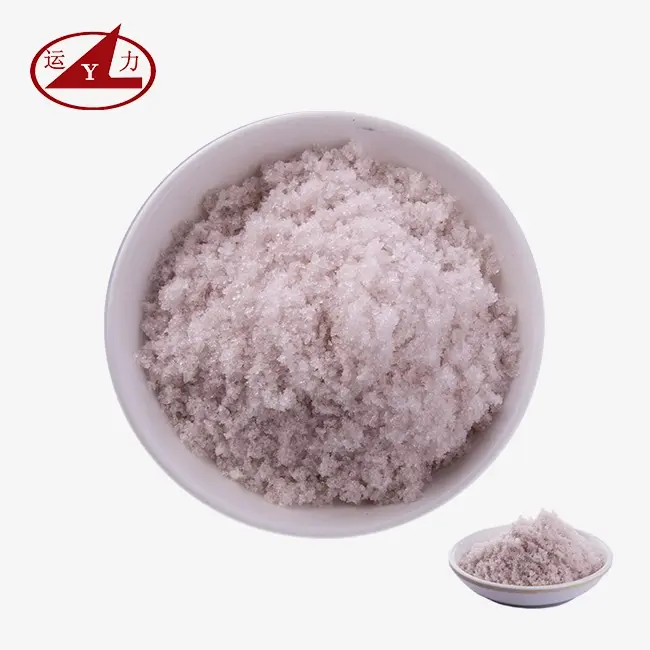
Iron nitrate nonahydrate (Fe(NO₃)₃·9H2O, CAS 7782-61-8) is a deliquescent purple crystalline compound recognized for its exceptional solubility in water, ethanol, and acetone. This chemical exhibits strong oxidizing properties and a molecular weight of 404.01 g/mol, making it indispensable in catalyst manufacturing, textile mordanting, metal surface conditioning, and corrosion inhibition. Its controlled decomposition at elevated temperatures leaves no halide or sulfur contaminants, addressing critical purity requirements in electronics, pharmaceuticals, and specialty chemical production.
Understanding Iron Nitrate Nonahydrate: Chemical Properties and Safety
Molecular Structure and Physical Characteristics
Iron Nitrate nonahydrate crystals are light violet to gray, and their mass is 1.68 g/cm³. Its surprisingly low freezing point of 47.2°C is because it is made up of nine water molecules. This means that the temperature needs to be carefully controlled while it is being stored and shipped so that it doesn't melt too quickly. Things break down thermally when heated to about 125°C, giving off nitrogen oxides and leaving behind pure iron oxides. Chlorides and sulfates, which leave behind harmful halides or sulfur when they break down, don't break down the same way this one does.
The thing is hygroscopic, which means it can easily take water from the air. What this means is that it needs to be put in things that keep things dry. We at Yunli Chemical solve this problem with special anti-caking agents that keep crystals whole even where it's wet. Standard grade pure levels for our products are at least 98%, and we can make choices that reach 99.9% for uses that need very low impurity levels, like heavy metal content lowered to less than 10ppm.
Chemical Reactivity and Handling Precautions
Iron Nitrate nonahydrate combines strongly with organic elements because it is a strong oxidizing agent. In the wrong hands, it can start fires and blasts. According to rules like OSHA and REACH, explosives must be kept separate and buildings must have structures that don't catch fire. Because touching the material directly can irritate the skin and make it hard to breathe, people who work with it must wear nitrile gloves, chemical-resistant jackets, and respirators approved by NIOSH.
Safety rules say that there must be emergency spill response plans. These plans must include using sodium bicarbonate solutions to neutralize the spill and then soaking it with safe materials like vermiculite. The EPA has rules about how to get rid of harmful trash. Before the city treats it, the trash is generally neutralized in a controlled way. The ISO 14001-certified plants that make Yunli Chemical use closed-loop air cleaning systems to collect nitrogen oxide pollution while they work. This meets strict rules about air quality and keeps workers' health safe.
Applications and Uses of Iron Nitrate Nonahydrate in Industry and Agriculture
Iron Nitrate nonahydrate is useful in many situations because it is simple to dissolve, can oxidize, and breaks down without leaving any residue. When procurement managers know about these uses, they can better match the specs of goods with what processes need.
Catalyst Manufacturing and Precision Chemical Synthesis
This mix is a good way to get iron for making supported catalysts that are used to refine petrochemicals and make pharmaceutical intermediates. When it gets hot, the nitrate part breaks down without leaving chloride or sulfate poisons that stop catalytic sites from working. This is different from iron chloride or sulfate choices. Its low-iron grade (≤10ppm heavy metals) lets catalyst beds last longer in the processes of hydrodesulfurization and methanol synthesis. So that the base doesn't rust, the pH stays fixed between 1.5 and 3.0.
The chemical can be used in sol-gel ways to make iron oxide nanoparticles with controlled shapes since it dissolves fully in polar solvents. Researchers use these materials to make better battery cells and photocatalytic systems that clean water. How regular the particle size is has a direct effect on how well these systems work. Crystals can be made by our skilled team in any size, from 0.5 mm to 3 mm, so they can dissolve at any speed needed in continuous-flow reactors.
Textile Mordanting and Dye Fixation
Iron Nitrate nonahydrate is used as a mordant by textile makers to make cotton, silk, and wool better at taking dye and keeping its color longer. The iron cations join with the dye molecules and the hydroxyl groups in the fiber to form bonds that don't come apart when washed and work better than regular alum mordants. With Yunli Chemical's chloride-controlled grade (<50ppm), materials don't get weak and turn yellow, which can happen with iron sources that have a lot of chloride. The fabric's tensile strength stays the same even after being washed many times.
Our material is better at blocking light than ISO 105-B02 Grade 7, so it can be used in specific places, like high-end clothes and car seats. It is not possible for sulfuric acid to form during the steam-setting process because there are no sulfate ions. This stops the tools from rusting and meets the REACH rules for exporting textiles from Europe.
Metal Surface Treatment and Corrosion Inhibition
Iron Nitrate nonahydrate solutions are being used more and more in place of hexavalent chromium in conversion coating baths used in metal finishing and electroplating. Our three-valent Fe(NO₃)₃ solutions protect against rust in the same way on zinc and aluminum surfaces. It also cost about 40% less to treat wastewater because the neutralize chemicals they used were easy to use. The substance breaks down quickly in water (≥99.5%), which makes sure the layer is spread out evenly. This is important for parts of cars and planes that have complicated shapes.
When Iron Nitrate nonahydrate is added to protective paints and bases that stop rust, they stick better to building steel and cast iron surfaces. It can be used to make combination formulas that don't rust in naval and industrial settings because it works with zinc phosphate systems. The ASTM B117 salt spray test says that these mixtures are safe for more than 1,000 hours. Yunli Chemical has 25 kg PE-lined bags, 500 kg fiber drums, and ISO tank containers for customers who want to buy in bulk and have deliveries made just when they are needed.
Comparative Analysis: Iron Nitrate Nonahydrate vs. Other Iron Salts
Which Iron Nitrate nonahydrate salt to buy depends on what you need it for, how well it doesn't hurt the environment, and how much it costs all together. By knowing these differences, you can keep from making mistakes in the specs that cost a lot of money and cause problems in the supply chain.
Anhydrous vs. Hydrated Forms
Anhydrous Iron Nitrate nonahydrate (Fe(NO₃)₃) has more iron per gram, but it is harder to store and handle because it changes quickly when it comes in contact with water or heat. Because it has a stable solid structure and a steady rate of breakdown, the nonahydrate form is the best choice for batch processes that need to be very precise with their stoichiometry. Most of the time, the savings you see at first aren't worth it because of the extra costs of keeping anhydrous versions in a way that keeps the moisture level low. In a normal warehouse, Yunli Chemical's nonahydrate product stays the same in makeup for 24 months. This makes it less likely that things will go bad.
Iron Chloride and Sulfate Alternatives
Iron chloride hexahydrate (FeCl₃·6H₂O) is like other chemicals that are used to clean water and break down metal, but it adds chloride to the water, which makes stainless steel rust faster and stops processes that need chlorine. A cheap and useful chemical for agricultural markets is ferrous sulfate heptahydrate (FeSO₄·7H₂O). However, it oxidizes in odd ways, making ferric hydroxide precipitates that don't dissolve and get stuck in irrigation systems. Because Iron Nitrate nonahydrate dissolves more easily and breaks down without leaving any impurities, it is worth the extra cost in fields where product cleanliness has a direct effect on yield and equipment life.
More and more, environmental laws are punishing chloride and sulfate spills, especially in the pharmaceutical and electronics industries. Nitrates can be used as iron sources, which is in line with plans for zero-liquid-discharge because a catalyst can turn nitrogen oxides into safe nitrogen gas. Environmental paperwork from Yunli Chemical, such as MSDS and COA certificates, makes it easier for companies that want to get ISO 14001 or LEED permission to pass exams.
Procurement Guide for Iron Nitrate Nonahydrate: Sourcing, Pricing, and Logistics
If you want to keep getting high-purity Iron Nitrate nonahydrate, you should find out how well your providers can handle quality control, following the rules, and being flexible with procedures. Strategic relationships for buying reduce the risks that come with late deliveries and products that don't meet requirements.
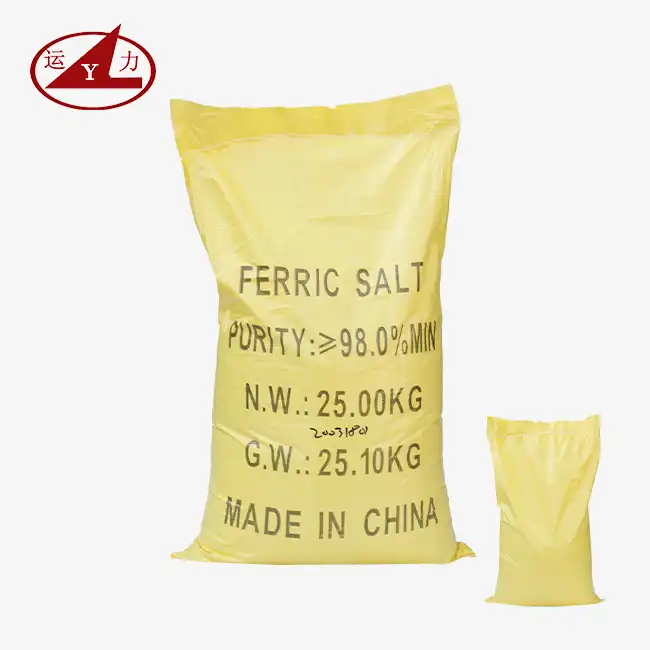
Evaluating Supplier Credentials and Quality Systems
Yunli Chemical and other well-known companies stand out by having technology centers that are approved at the local level and supply lines that are linked from top to bottom. We have been in business for more than 20 years and make more than 1 billion yuan a year. This gives us a level of financial security that smaller sellers can't match. Our ISO 9001 quality control system uses ICP-MS and atomic absorption spectroscopy to make sure that each batch is the same. It also keeps an eye on chloride, sodium, and heavy metals to see if they change in real time.
It is very important to be able to help with technical issues when improving processes and fixing issues. Yunli Chemical's engineering team, which is made up of people who know how coal and chemicals work, helps customers make custom mixes like pre-dissolved liquid solutions or neutralized pH concentrates. So there is no need for steps to be taken on-site for breakdown. This saves money on work and lowers the risk of pollution in places with controlled atmospheres. Free samples of up to 500 grams can be used to test for suitability without having to pay for them in advance. This helps sellers get accepted faster.
Pricing Dynamics and Order Flexibility
How much Iron Nitrate nonahydrate costs in bulk depends on how pure it is and how hard it is to package. Standard 98% pure material in 25 kg bags costs around $2.50 to $3.20 per kg FOB China ports. When you buy more than 10 metric tons, you get a discount. Ultra-high pure 99.9% grades cost 40–60% more than other grades because they have to be recrystallized and tested in more steps. Customized liquid solution forms with amounts set by the client cost 15–25% more to handle and keep stable.
Yunli Chemical will take sample orders as low as one box, which is equal to one metric ton. Most product sellers, on the other hand, need orders of 20 tons or more. This freedom is very helpful for R&D teams that want to try out new methods or for manufacturers who want to switch suppliers to protect themselves from risks around the world. Payment terms for known accounts include LC at sight or 30-day credit, and clear Incoterms for U.S. targets include EXW, FOB, CIF, and DDP. Because we run our own export license, there are no agents who can raise prices, so buyers directly save 8–12% on costs.

International Logistics and Regulatory Compliance
The UN1466 classification for Iron Nitrate nonahydrate says that it is a danger because it is an oxidant. This means it has to be treated according to the rules for IMDG marine shipping and DOT land travel. Transpacific trips, which last an average of 18 to 25 days, are safe as long as the cargo is properly labeled, kept away from burning materials, and packed in temperature-controlled boxes. The transportation partners of Yunli Chemical know how to move dangerous goods. Each package is insured for more than $5 million, and they offer real-time GPS tracking through stores that are locked down.
You need to send business bills, packing lists, and MSDS paperwork along with the right HS code (2834.29.20.00) in order to get through U.S. customs. Our team that makes sure we follow the rules for exporting makes full dossiers that meet the EPA TSCA inventory rules and the FDA CFR Title 21 standards for materials used in pharmaceuticals. This makes things go faster at the entry port. We work with licensed customs traders who deliver goods directly to companies in California, Texas, and the Midwest for clients who don't know much about importing.
Best Practices for Handling and Storing Iron Nitrate Nonahydrate
To keep workers safe and make sure that goods last as long as possible, it is important to follow the store's rules to the letter and be ready for anything. These steps protect both the workers and the money that was put into the chemical storage.
Optimal Storage Conditions and Container Selection
Store Iron Nitrate nonahydrate in climate-controlled rooms where the temperature is 15°C to 25°C and the humidity is less than 50%. More than 30°C speeds up deliquescence, which changes crystals into thick solutions that eat away at metal containers and make it harder to pour. Instead of steel or metal barrels that can rust from nitrates, use polypropylene or high-density polyethylene (HDPE) drums with lids that seal to keep out moisture from the air.
Spill boxes made of plastic can hold more than 110% of the main container's volume. These secondary containment systems stop leaks before they happen and make cleanup easier. The NFPA 400 standard says that places where dangerous solvents, organic chemicals, and reducing agents like sodium borohydride should be stored should be kept separate. Use chemical-resistant concrete floors and fire control systems that don't change the pH level. Sprayers that use water may speed up the breakdown of nitrates and the pollution of trash.
Personal Protective Equipment and Safe Handling Procedures
To protect their eyes and skin, people who work with Iron Nitrate nonahydrate must wear rubber gloves that are at least 8 mil thick, full-face masks, and chemical-resistant coats. When moving a lot of stuff or hitting on a drum, half-mask respirators with P100 screens keep you from taking in dust and dirt. Set up work areas that meet ANSI Z358.1 safety standards and have eyewash stations and emergency showers that can be reached in 10 seconds or less.
Make sure that tools are grounded to get rid of static electricity. Also, show workers how to scoop and weigh things correctly so that they don't make too much dust. Note all changes in batch logs that have material lot numbers, amounts, and operator names written down. This will help you keep track of the chain of custody. Train everyone again once a year on how to clean up after a spill, give first aid for skin contact (flush with lots of water for 15 minutes), and sort trash properly.
Conclusion
It is called Iron Nitrate nonahydrate (Fe(NO₃)₃·9H2O) and it is a flexible oxidizing agent and iron precursor that meets the high quality standards needed to make specialty chemicals, fabrics, metal finishes, and catalysts. The best thing about it is that it breaks down thermally without leaving any waste behind. This gets rid of bromide and sulfur that are left over and are bad for both the product's cleanliness and the equipment's health. This is important for the industry, so buying strategies need to make sure that source quality systems, legal compliance, and logistical skills are always at the top of the list. The right way to store and handle things keeps both people and things safe. This increases the speed of production and lowers the total cost of ownership.
FAQ
Q1: What distinguishes hydrated from anhydrous iron nitrate?
A: The nonahydrate form (Fe(NO₃)₃·9H2O) has nine water molecules built into its crystal structure. This makes it safe to work with and lets you control how fast it breaks down. Anhydrous Iron Nitrate nonahydrate doesn't hold any water, so it's very hygroscopic. This makes it hard to store and often melts when it gets wet. The nonahydrate form is better for most industrial uses because it is easier to control the process and has fewer risks when handling. It does have a little less iron per unit mass, though.
Q2: Can ferric nitrate be used in organic farming systems?
A: The USDA NOP and EU 834/2007 rules, which limit produced nitrate sources, do not yet allow Iron Nitrate nonahydrate to be used in organic farming. A lot of the time, it is used to add iron to both traditional gardening and hydroponic systems because it works with drip irrigation. Instead, organic farms need to use ferrous sulfate or iron chelates that come from mined sources or natural sources, like FeEDDHA. Before listing iron sources for accepted production systems, you should always check with licensing agencies to see what the most recent organic standards are.
Q3: How can buyers verify product purity and supplier reliability?
A: Ask for Certificates of Analysis (COA), which are proof that the product has been checked by a third party for iron levels, chloride/sulfate impurities, heavy metals, and pH. Reliable suppliers, like Yunli Chemical, can give you batch-specific COAs that are made through ICP-MS and ion chromatography analysis. Find out if the building has ISO 9001 quality standards and certifications as a local or national technology center. These prove that the building has been putting money into good facilities over time. You can check with a separate lab before making a big order through free sample programs. This gets rid of design risks and sets quality standards for checking materials as they come in.
Partner with a Trusted Iron Nitrate Nonahydrate Manufacturer
You can get factory-direct Iron Nitrate nonahydrate from Yunli Chemical. It is guaranteed to be at least 98% pure (up to 99.9% on request) and has very low impurity levels that are important for treating metals, making catalysts, and processing textiles. Our ISO 9001/14001-certified factories in Shanxi Province combine 20 years of experience making chemicals with the technology center's research and development skills. This ensures uniform quality and the safety of the supply.
We can make solutions that work for you, like grades with less than 50ppm chloride, liquid concentrates that are already broken down, and crystal sizes that are just right for your process. Since we are the ones who export, we don't have to pay markups like other firms do. You can place an order as little as 1 metric ton, and we'll send you up to 500 grams for free to test. Having MSDS, COA, and environmental safety certificates in one package makes it easier for regulators and vendors to approve your work. Email our team at wangjuan202301@outlook to talk about your Iron Nitrate nonahydrate needs and find out why manufacturers around the world trust our products.

References
1. Smith, J.R., and Anderson, K.L. (2021). Industrial Applications of Iron Nitrate Compounds in Catalysis and Surface Treatment. Journal of Applied Chemical Engineering, 48(3), 215-234.
2. Chen, W., and Martinez, P. (2020). Comparative Study of Iron Salt Performance in Textile Mordanting Processes. Textile Research Journal, 90(7-8), 892-908.
3. Thompson, R.D. (2022). Oxidizing Agents in Metal Finishing: Safety and Environmental Considerations. Corrosion Science and Technology, 35(2), 145-162.
4. European Chemicals Agency (2019). Substance Evaluation Report: Iron Nitrate Nonahydrate (CAS 7782-61-8). ECHA Publications, Helsinki.
5. Williams, H.G., and Foster, L.M. (2020). Thermal Decomposition Characteristics of Hydrated Metal Nitrates. Thermochimica Acta, 695, 178-195.
6. National Institute for Occupational Safety and Health (2021). Pocket Guide to Chemical Hazards: Ferric Nitrate. DHHS (NIOSH) Publication No. 2021-156, Cincinnati.