


What is cupric nitrate?
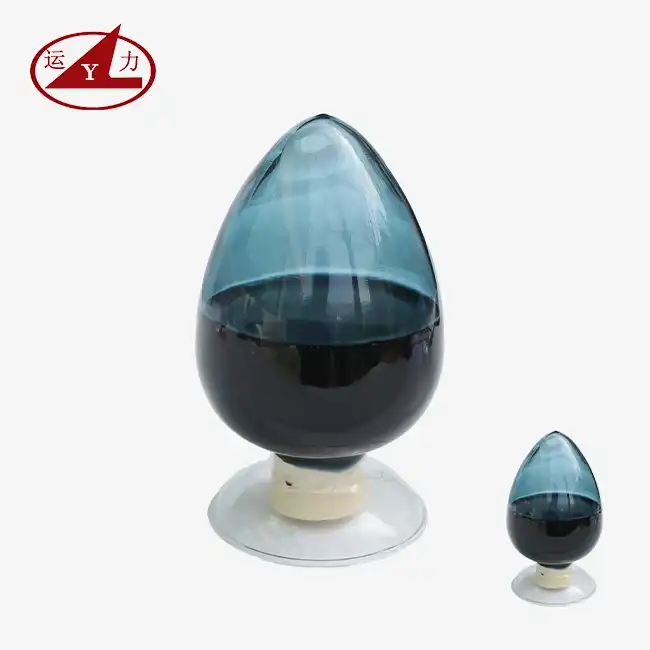
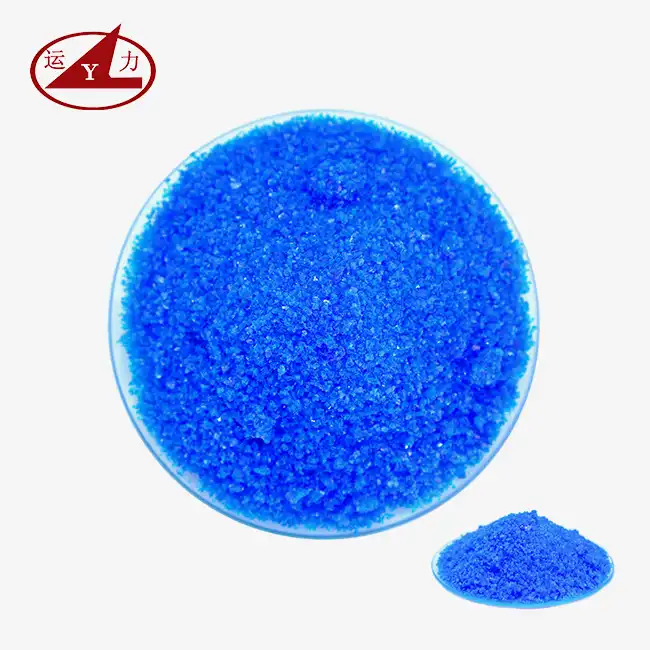
Cupric Nitrate, also called copper(II) nitrate trihydrate, is an inorganic substance with the chemical formula Cu(NO3)2H2O. This dark blue solid substance is an important part of modern industrial chemistry. It is valued for being very soluble, strong at oxidizing, and useful in many different manufacturing fields. It is a hygroscopic material with a specific density of 2.05 and a melting point of 114.5°C. It breaks down cleanly at high temperatures without adding any impurities that will stay. This is what makes it different from sulfate or chloride-based copper salts in precision uses.
Understanding Cupric Nitrate: Composition and Properties
Chemical Structure and Physical Characteristics
Cupric Nitrate has a unique dark blue columnar crystal structure that lets trained sourcing professionals know right away that it is very pure. The combination has a molecular weight of 241.6 g/mol, which means that each molecular unit has three water molecules built into it. This level of humidity makes it more likely to absorb water, so it needs to be stored in a certain way to keep its structure throughout the supply chain.
In industrial settings, the material stands out because of its unique soluble profile. It dissolves easily in both water and ethanol, making acidic water solutions that are great for chemical reaction and surface cleaning. At 0°C, 137.8 g of water dissolves in 100 ml of the substance. This makes it possible to make concentrated working solutions that are easier to move and store. In situations where exact copper ion concentrations are needed, like electroplating baths and catalytic formulas, this property comes in very handy.
Safety Parameters and Handling Considerations
Cupric Nitrate needs to be stored and handled safely because it is a strong oxidizing agent. When heated, rubbed, or hit with flammable materials, the compound responds strongly, which could start fires or cause rapid decomposition. When it breaks down at temperatures above 170°C, it creates nitrogen oxide fumes, which are irritating and toxic chemicals that need proper air and safety gear for people.
Safety Data Sheets stress the risks of irritating the skin and eyes and require wearing chemical-resistant gloves, safety glasses, and protective clothes when moving things. Procedures for containing a spill should include pH-neutralizing agents and absorbing materials that can work in acidic settings. For long-term keeping, packages must be sealed and kept dry and cool, away from things that don't mix with the substance, like strong bases, reducing agents, and organic materials. These steps protect both the safety of workers and the quality of the products, which are important things for procurement managers to think about when they look at a supplier's skills and compliance paperwork.
Key Applications and Uses of Cupric Nitrate in Industry
Catalyst Production and Chemical Synthesis
The compound is one of the best ways to start making copper oxide catalysts, which are used in the industrial and automobile industries. Cupric Nitrate breaks down into high-purity CuO at low temperatures, so it can keep its catalytic activity for longer periods of time. This is different from chloride-based options that add impurities that hurt the catalyst. This clean breakdown route is very important in making methanol, NOx reduction systems, and organic hydrogenation reactions, where even small amounts of contaminants can lower the efficiency of the conversion.
Yunli Chemical's ultra-low iron content formulas (≤30ppm standard) meet the stable needs of methanol catalysts, making them last longer and requiring fewer expensive replacement cycles. Our pH-adjusted versions keep the best reaction conditions between 3.5 and 4.2. They also support batch uniformity through strict ICP-OMS testing methods that check the makeup of every shipment.
Electroplating and Metal Surface Treatment
In the process of making high-precision electronics, Cupric Nitrate is used as both a source of copper ions for coating baths and a way to make metal products look darker. Printed circuit board makers like how well it works in acidic conditions, where even copper deposition rates are important for circuit stability and conductivity. The nitrate form stops the buildup of sulfate, which lowers the performance of the bath over time. This cuts down on the need for upkeep and increases output throughput.
Liquid Cupric Nitrate solutions get rid of the need for on-site dissolving steps. This saves about 30% on labor costs and keeps copper amounts constant during plating operations. RoHS-compliant formulas help manufacturers use safer trivalent processes instead of the old hexavalent ones, which are better for the environment. These solutions help surface treatment plants in North America and Europe deal with the growing legal pressures they are facing. Compliance paperwork is becoming a bigger factor in choosing which suppliers to work with.
Agricultural Micronutrients and Specialty Fertilizers
Copper deficiency lowers food output in many farming areas, especially where soils are sandy or have a high pH, which makes it hard for plants to absorb copper from traditional sources. Companies that make water-soluble fertilizer mix Cupric Nitrate into NPK mixes because it dissolves more easily and makes sure that nutrients are spread evenly through watering systems. Compared to copper sulfate options, the nitrate form has more nitrogen, which means it is better for you in two ways.
Fertilizer makers who care about quality make sure that heavy metal levels stay below 10ppm so that their products meet the standards for organic growing set by groups like OMRI. This focus on purity saves the health of the land and the quality of the crops, easing the worries of people who use farming inputs about lingering contaminants. When used with zinc, manganese, and iron chelates in high-end vitamin mixes for valuable flower plants, the substance works well.
Specialized Industrial Applications
Besides these main uses, Cupric Nitrate has many other uses as well, such as as a mordant for dying textiles, an oxidizer in pyrotechnics that produces a unique blue-green flame color, and a laboratory chemical for analytical chemistry. For making pharmaceutical intermediates, API-grade purity standards (≤0.07% moisture) are important because they stop unwanted side effects from happening during complex chemical changes. Manufacturers of building materials use it because it can be used as both an anti-freeze additive that works down to -20°C and a rebar rust inhibitor that meets ASTM and JIS standards for infrastructure projects that will be subject to harsh weather.
Cupric Nitrate vs. Other Copper Compounds: Making the Right Choice
Comparative Analysis with Copper Sulfate
Copper sulfate pentahydrate is the most popular substitute source of copper, and it is easy to find and doesn't cost too much. But the sulfate in it leaves behind leftovers that don't go away and build up in closed-loop systems, slowly making electroplating baths and catalytic systems less effective. Also, sulfate ions can get in the way of some analysis methods and may help make unwanted precipitates when mixed with calcium-rich water.
During heat processing, Cupric Nitrate's nitrate anion breaks down completely, leaving only pure copper oxide and no sulfur-containing leftovers. In the process of making catalysts, this trait is very important because sulfur molecules poison active sites and forever lower the catalyst's efficiency. Agricultural uses profit from the nitrate form's higher nitrogen content, which makes it healthier than sulfate options while keeping the intake of copper in the same range.

Distinguishing Cupric Nitrate from Cuprous Compounds
Because they are less oxidized, copper(I) products like cuprous nitrate and others behave chemically in very different ways. Cupric Nitrate (copper II) stays stable in acidic water solutions, but cuprous forms tend to become disorganized and oxidize, which makes keeping harder and shortens the shelf life. The cupric form is stable in normal air conditions, which makes transportation and inventory management easier and cuts down on waste caused by products breaking down over long periods of storage.
In order for catalytic uses to work, the cupric oxidation state is necessary for the reaction paths that are wanted. This means that using alternatives to cuprous is not technically possible. Cupric ion chemistry is also used in surface treatment formulas to make sure that the layer quality and binding properties stay the same. When making choices about what to buy, it's important to make sure that the oxidation state specifications fit the technical needs. This way, cost-cutting substitutions that hurt process performance can be avoided.
Selection Criteria for Procurement Professionals
The best copper compound choice takes into account many things, such as the need for purity, process fit, legal compliance, and the overall cost of ownership. Industries that need very high purity, like making electronics and medicines, can afford to pay more for processed grades that are close to 99.99% test. In building and farming, bulk commodity uses may be able to handle industrial-grade specs with a minimum purity level of 98%, putting cost-effectiveness over small quality changes.
The ability of a supplier to offer customization choices, such as controlling iron content, particle size distribution, pH change, and liquid formulations, has a direct effect on how well operations run and how consistently good the quality is. Technical support services, such as application advice and technical help, are very valuable in addition to the price of raw materials, especially for businesses that are changing their processes or making new products.
How to Source Cupric Nitrate: Procurement Guidelines for B2B Buyers?
Evaluating Supplier Qualifications and Certifications
Cupric Nitrate providers you can trust have complete quality management systems that are checked by ISO 9001 certification. These systems show consistent manufacturing processes and written quality controls. Environmental management standards like ISO 14001 show that a company is committed to sustainable production practices and the proper handling of chemical waste streams. These are becoming more and more important factors to consider as the supply chain is closely watched in controlled industries.
Shanxi officials gave Yunli Chemical the title of provincial-level business technology center. This shows that our research and development can support custom formulas and technical problem-solving. Our OHSAS workplace health and safety certification shows that we have strict rules for protecting workers that are in line with how we run our business and make sure that our products are always the same. These institutional standards give people who buy things solid proof that a supplier is stable and has a mature business.
Technical Documentation and Compliance Support
Each package comes with a full Certificate of Analysis (COA) document that lets the quality control team that receives it check the specs before turning the materials into products. Material Safety Data Sheets that are structured according to regional standards (SDS in North America, up to 16-section format in Europe) make sure that safety rules are followed at work and make it easier to get permission to move dangerous materials.
Suppliers who offer personalized compliance paperwork, such as environmental testing results, heavy metal analysis, and help with regulatory registration, make it easier for buying teams to handle multiple countries. This service is especially helpful for businesses that do business across foreign borders, since the United States, the European Union, and other legal frameworks have very different documentation requirements.
Logistics Considerations and Order Flexibility
Traditional chemical sellers have minimum order amounts that are based on how they distribute their products and the size of their production batches. Companies that need smaller amounts for tests or special uses benefit from providers that are open and offer no-MOQ policies and free sample programs. Yunli Chemical gives away up to 500 grams of free samples so that customers can fully evaluate the product's technical suitability before committing to large purchases. This lowers the risk of purchasing and makes it easier to make smart choices.
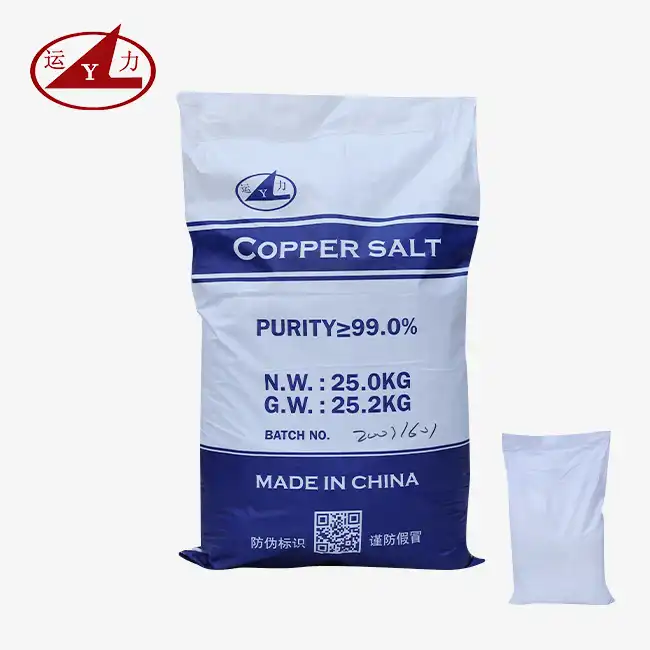
Customization options for packaging take into account different handling tastes and process needs. Standard items usually include 25 kg fiber drums or weave bags. For specific uses, you might need moisture-proof foil covers, smaller store packages, or bulk containers. For automated dosing systems and ongoing production, liquid solution formulas at certain ratios get rid of the need for on-site dissolution steps.
International shipping expertise becomes essential when sourcing across countries. Experienced manufacturers classify dangerous materials, give them the right UN numbers and shipping names, and work with freight forwarders who know how to move oxidizers legally. When a plant can export directly, there are no markups added by middlemen, and contact stays open throughout the whole order fulfillment process.

Safety and Compliance: Handling Cupric Nitrate Responsibly
Storage and Transportation Best Practices
Having the right storage facilities stops moisture absorption, which lowers the quality of the product and makes it dangerous to handle. Warehouses should keep the relative humidity below 60% and have enough air flow to keep mist from building up. Separating reacting hazards from incompatible materials, like organic chemicals, reducing agents, and flammable substances, makes normal activities safer.
Cupric Nitrate trihydrate is considered an oxidizer by both the Department of Transportation (DOT) and the International Maritime Dangerous Goods (IMDG) rules. This means that it must be packaged, labeled, and accompanied by certain paperwork. Logistics are sped up by suppliers who know about these rules because they provide the right shipping papers and make sure that the lines on the packages meet compliance standards. This keeps costs low and avoids delays and possible fines.
Emergency Response and Spill Management
Even though precautions are taken, facilities that handle reactive chemicals still need to be ready for spills. As part of emergency reaction plans, areas should be immediately sealed off, sources of fire should be removed, and the pH should be neutralized using sodium bicarbonate or a similar buffering agent. When employees are trained to recognize the signs of nitrogen oxide gas exposure, such as irritated lungs and swollen lungs, they can get medical help quickly when exposure happens.
Personal safety equipment and cleanup materials that have been contaminated must be thrown away properly as hazardous waste, in line with the Resource Conservation and Recovery Act (RCRA) or similar area rules. Emergency contact numbers and technical support services given by the supplier are very helpful during incident reaction because they allow experts to give advice when making important choices quickly that affect people's safety and the environment.
Regulatory Compliance Across Jurisdictions
Under the Emergency Planning and Community Right-to-Know Act (EPCRA), facilities in the United States must think about EPA filing levels when inventory amounts go over certain limits. European operations follow the rules for REACH (Registration, Evaluation, Authorization, and Restriction of Chemicals) registration and make sure that providers show proof that they are in line.
The Occupational Safety and Health Administration (OSHA) sets the limits for how much copper dust and mist can be in the air at work. These limits change by region. Monitoring programs for industrial cleanliness make sure that the levels of contaminants in the air stay below the limits set by regulations. This protects the health of workers and shows that the company is doing its job properly in case it is inspected. Suppliers who give expert advice on exposure control measures and building solutions are worth a lot more than just providing materials.
Conclusion
Knowing the chemical makeup, industrial uses, and handling needs of Cupric Nitrate trihydrate helps procurement workers make smart sourcing choices that meet business needs and legal requirements. This compound is very useful for many things, like making catalysts, treating surfaces, farming, and making specialized chemicals. It works really well as long as quality standards, supplier capabilities, and safety rules are taken into account when choosing a supplier and managing the partnership afterward. The compound's clean breakdown profile and better solubility support its higher price compared to other copper sources, especially in situations where purity and process efficiency have a direct effect on the quality of the product and the cost of production.
FAQ
Q1: What exactly is cupric nitrate and how does it differ from other copper salts?
A: Cupric Nitrate, or Cu(NO₃)₂·3H₂O, is the trihydrate form of copper(II) nitrate. It is easy to spot because it has a dark blue solid structure and dissolves very easily in water. The nitrate anion breaks down completely during heat processing, unlike copper sulfate or copper chloride. It doesn't leave behind any impurities that poison catalysts or dirty electroplating baths.
Q2: How should I store copper nitrate to maintain product quality?
A: Keep the substance in cool, dry places with relative humidity below 60% and in containers that can't let water in. Separate the reducing agents, combustibles, and biological products. When things are stored correctly, they don't absorb water, which can cause them to clump and break down. This also lowers the potential for reaction hazards.
Q3: Is cupric nitrate suitable for organic farming applications?
A: Grades that are very pure and have less than 10ppm of heavy metals meet the standards for organic certification when used as sources of copper micronutrients. Check certain products against the standards set by OMRI or a similar certification group. The level of purity has a direct effect on the organic compliance status.
Partner with Yunli Chemical: Your Trusted Cupric Nitrate Supplier
Yunli Chemical has been making Cupric Nitrate compounds for more than 18 years and brings that knowledge to global buying partnerships. Our status as a provincial enterprise technology center and our many ISO certifications, which cover quality management, environmental responsibility, and workplace safety, show that we are a reliable chemical supplier. These certifications and our operational maturity set us apart from commodity vendors. We keep our fixed assets at RMB 300 million and our yearly sales above RMB 1 billion. This gives us the financial stability we need for long-term supply agreements.
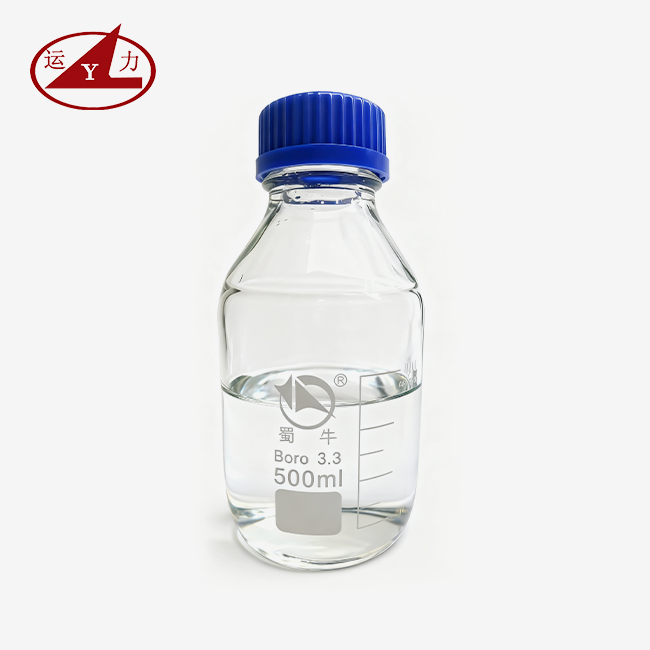
Our Cupric Nitrate trihydrate formulations meet the strictest industry needs by offering customizable purity levels up to 99.99%, iron content controls at ≤30ppm, and a range of delivery forms, such as crystalline solids and pre-dissolved liquid solutions. Because we sell directly to consumers, there are no markups for distributors, and our no-minimum order quantity policy and free samples up to 500 grams make it easy to do a full technical review before committing to buy in bulk. You can email our technical team at wangjuan202301@outlook to talk about your unique needs, ask for full product documentation, or set up shipping of samples.
References
1. Greenwood, Norman N., and Earnshaw, Alan. Chemistry of the Elements, 2nd Edition. Butterworth-Heinemann, 1997.
2. Perry, Robert H., and Green, Don W. Perry's Chemical Engineers' Handbook, 8th Edition. McGraw-Hill Professional, 2007.
3. Patnaik, Pradyot. Handbook of Inorganic Chemicals. McGraw-Hill, 2003.
4. Seidell, Atherton, and Linke, William F. Solubilities of Inorganic and Metal-Organic Compounds, 4th Edition. American Chemical Society, 1965.
5. Bretherick, Leslie. Bretherick's Handbook of Reactive Chemical Hazards, 7th Edition. Academic Press, 2007.
6. Lide, David R. CRC Handbook of Chemistry and Physics, 90th Edition. CRC Press, 2009.