


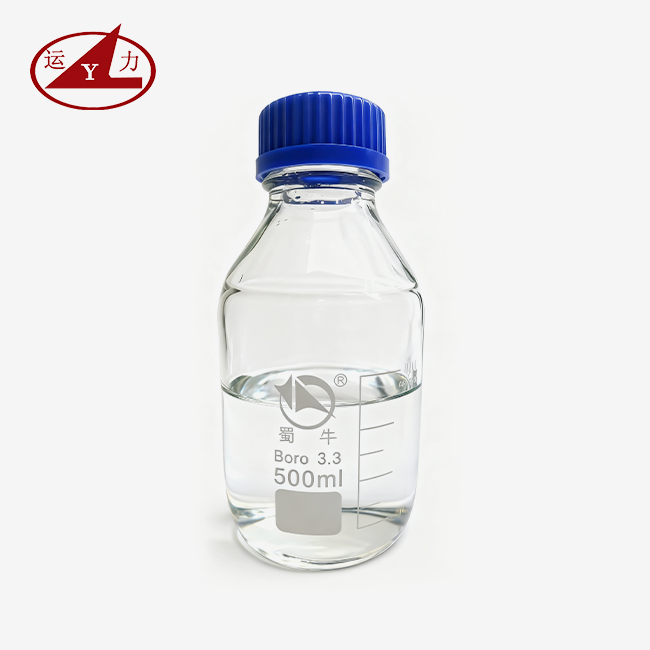
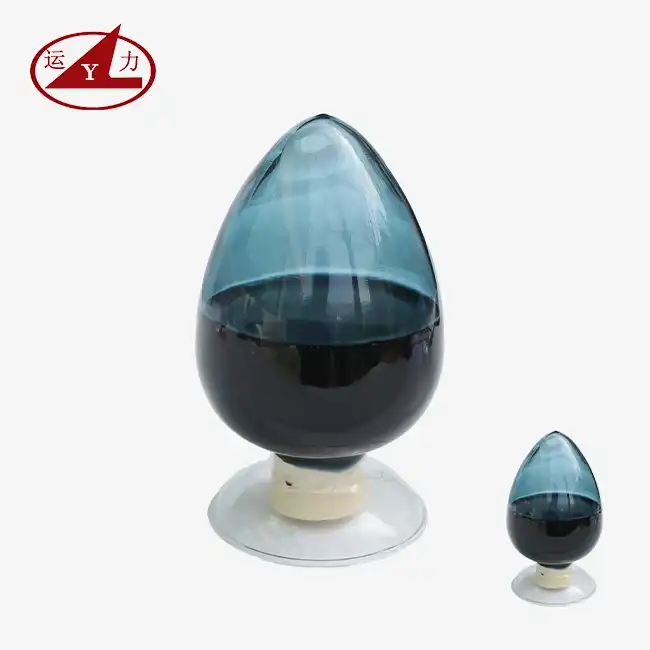
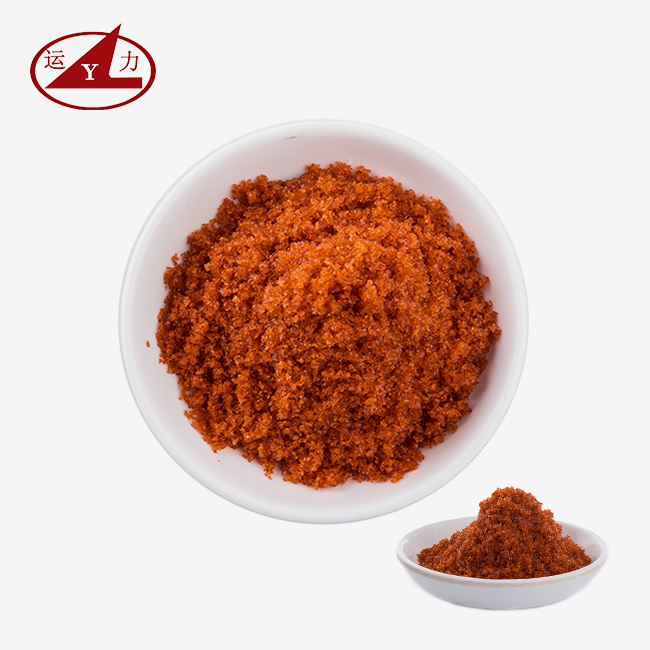
What are the safety precautions for working with copper nitrate solutions?
It is important to follow safety requirements while handling copper nitrate solutions to protect individuals and the air we breathe. This material is a strong oxidiser and may cause skin irritation fatal if ingested or inhaled may produce fires in contact with combustible items. Proper protective clothing, keeping things away from heat and organic chemicals, ensuring enough ventilation, and having emergency response procedures for accidental spills or exposure are all key elements of safety.These safety considerations should be known to workers in catalyst production, electroplating and chemical synthesis.
Understanding Copper Nitrate and Its Risks
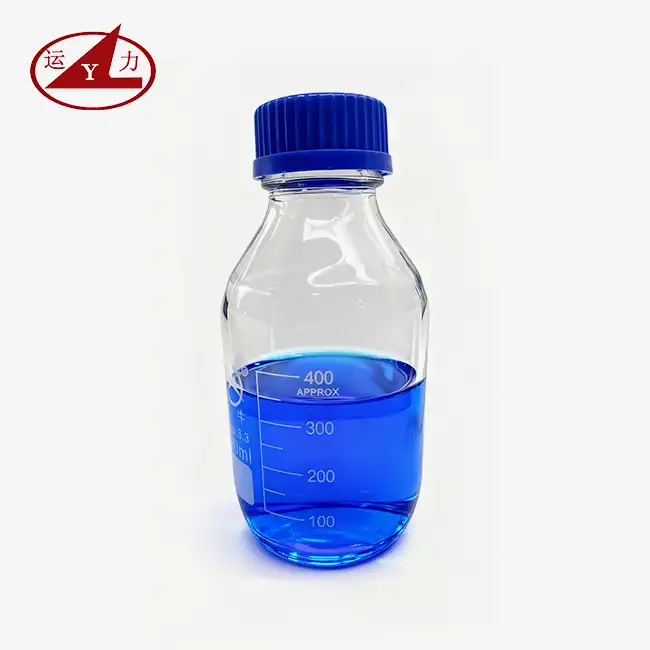
A vital chemical, copper nitrate trihydrate (Cu(NO₃)₂·3H₂O, CAS 10031-43-3) is used in electroplating, surface cleaning, catalyst manufacture, and the creation of water-soluble fertiliser. With a molecular weight of 241.6 g/mol, these dark blue crystals dissolve readily in ethanol and water, making the molecule very adaptable for industrial chemical processing. At 114.5°C, it starts to melt, and at 170°C, it goes through a thermal breakdown that releases harmful nitrogen oxide fumes.
Although very helpful, the substance is dangerous and has to be handled carefully. It may be difficult to store because of its hygroscopic nature, which makes it easily absorb moisture from the environment. More importantly, it may hasten the burning of organic materials, combustible materials, or reducing agents since it is a potent oxidising agent. As a result, appropriate segregation during storage is crucial.
Health Hazards Associated with Exposure
Contact with solutions of cupric nitrate may cause severe irritation of skin and eyes. The aqueous solutions are acidic and these effects are increased . Prolonged exposure may cause chemical burns . Inhalation of dust or mists of concentrated solutions may induce significant systemic poisoning and respiratory irritation. Ingestion, however less common in the industry, may cause severe toxicity to the kidneys and gastrointestinal system.
Environmental and Regulatory Considerations
Another aspect of risk is environmental pollution. Aquatic life is poisoned by copper ions, and inappropriate discharge of nitrate compounds may lead to eutrophication. Certain handling, storage, and disposal procedures are required by regulatory frameworks, such as OSHA workplace rules and EPA guidelines. Procurement managers are responsible for making sure vendors provide all necessary compliance documents, including environmental certifications, Certificates of Analysis (COA), and Safety Data Sheets (SDS).
Identifying Safety Concerns When Handling Copper Nitrate Solutions
Once the risks associated with cupric nitrate solutions are recognised, specific risk mitigation plans may be created. The concentration of the substance, its physical form (solid crystals vs prepared solutions), and the particular application scenario all affect these hazards. Compared to laboratory settings dealing with lesser volumes, industrial processes involving tonnage levels encounter various obstacles.
Routes of Exposure and Symptoms
Repeated exposure to concentrated solutions may cause skin irritation, redness, and perhaps dermatitis. Exposure to the eyes is especially dangerous since the acidic solution may seriously damage corneal tissue, which might lead to irreversible visual impairment if treatment is delayed. When preparing a solution, inhaling aerosols or dusts irritates mucous membranes, resulting in coughing and sore throats. Abdominal discomfort, nausea, and systemic copper poisoning that impairs liver and kidney function may all arise from ingestion.

Comparative Risk Assessment
Copper Nitrate has stronger oxidising potential and higher thermal instability than copper sulphate. The nitrate version is more effective in several catalytic and oxidation applications, however copper sulphate is less reactive and less of a fire hazard. Procurement experts will need to balance these performance advantages against the more severe safety standards necessary for handling nitrate.
Essential Safety Precautions for Handling Copper Nitrate Solutions
Implementing comprehensive safety measures protects personnel and facilities while maintaining operational efficiency. Based on over 20 years of manufacturing experience, refined handling protocols ensure that high-purity material is used safely and effectively in industrial environments.
Storage Requirements and Environmental Controls
Proper storage starts with choosing corrosion-resistant containers . High-density polyethylene or glass are good choices . Avoid metal containers that may react with acidic solutions. Copper Nitrate trihydrate crystals should be maintained in airtight, moisture-proof packaging to avoid deliquescence. For material integrity, storage rooms should be kept at 25°C with humidity below 60%. The material should be kept away from incompatible items, especially organic compounds, reducing agents and flammable materials. Clearly marked dedicated storage areas remove the risk of cross contamination. Facilities must have appropriate ventilation to disperse any inadvertent vapour leak and maintain secondary containment systems capable of retaining 110% of the biggest container capacity.
Personal Protective Equipment Protocols
Employees must put on the proper personal protection equipment before handling any cupric nitrate solution. Standard latex gloves are inadequate for providing the necessary barrier protection; nitrile or neoprene gloves are chemical-resistant. During transfer activities, safety goggles or face shields screen the eyes from splashes. Chemical cartridge respirators authorised by NIOSH should be used while dealing with concentrated liquids or creating mists. Spill exposure may be avoided by wearing protective apparel, such as closed-toe shoes and chemical-resistant aprons. During bulk handling, coveralls or laboratory jackets provide further safety. Even if gloves were used, employees should thoroughly wash their hands after every handling activity to get rid of any remaining contamination.
Spill Response and Emergency Procedures
Spillage may occur despite preventative steps. Immediate response actions include nonessential personnel evacuation and area ventilation. All responders in full PPE must contain the spill using inert absorbent materials such as sand or vermiculite. Do not use flammable absorbents such as sawdust. Place collected objects in suitable hazardous trash containers for proper disposal.
Small spills may be neutralised with mild solutions of sodium carbonate or sodium bicarbonate, but be aware of exothermic reactions. The residue contamination should be washed off with water, but the runoff must be regulated and not allowed to enter drainage systems. If skin contact occurs, flush the affected region for at least 15 minutes of exposure If eye contact occurs, flush eyes with water or saline for at least 20 minutes of exposure Obtain immediate medical attention.
Disposal, Transport, and Regulatory Compliance
Responsible disposal and transport practices are necessary to protect the environment and ensure legal compliance. These activities require careful planning and documentation, particularly for B2B transactions involving interstate or international shipments.
Approved Disposal Methods
Standard waste streams cannot be used to dispose of copper nitrate solutions. They must be treated as hazardous chemical waste at approved disposal sites that can manage heavy metals and oxidising agents. On-site neutralisation of small amounts may be achieved by precipitating copper carbonate with sodium carbonate. After pH correction and copper removal verification, the liquid may be eligible for municipal treatment, but the resultant material is disposed of as hazardous waste.
Shipping and Transportation Compliance
The transportation of copper nitrate is governed by international standards such as the IMDG Code and Department of Transportation (DOT) guidelines. The chemical is classified as UN 1477 Oxidising Solid Packing Group III Class 5.1. Packaging Packaging, mainly in fibre drums with polyethylene linings, must meet stringent DOT standards. Every package has to be tagged accurately with oxidiser symbols, UN numbers and valid shipping names.
Leveraging Safety Data Sheets
The Safety Data Sheet (SDS) is the definitive source for safety information, emergency response, and regulatory compliance. Section 2 covers the danger categories in accordance with GHS criteria and Section 7 provides advice for storage. Section 8 covers exposure controls and PPE regulations. Procurement professionals should ensure that suppliers provide current SDS paperwork in accordance with OSHA HCS 2012 requirements.
Best Practices for Procurement and Usage in B2B Environments
Strategic procurement decisions balance safety considerations with operational requirements and supply chain reliability. Technical engineers and purchasing managers should evaluate Copper Nitrate suppliers using a comprehensive assessment framework to ensure quality and safety.
Supplier Selection Criteria
A supplier’s reliability is based on consistent quality. Manufacturers with ISO 9001, ISO 14001 and ISO 45001 certifications are demonstrating their commitment to quality management, environmental responsibility and occupational health and safety. In addition, suppliers with high fixed asset and consistent income are less sensitive to market fluctuation, and they can maintain the supply chain.
Quality Assurance and Purity Specifications
Copper Nitrate trihydrate, standard industrial grade, purity min. 98%. However, important applications like catalyst manufacture need stricter standards, e.g. ultra-low iron concentration (≤30 ppm). For electroplating and surface treatment you need chlorine levels below 10 ppm to prevent corrosion. Advanced analytical techniques like ICP-MS and atomic absorption spectrometry are utilised for the monitoring of trace pollutants and ensuring batch-to-batch uniformity.
Bulk Purchasing and Customization Options
Factory-direct connections give access to technical assistance and customisation that favours tonnage-scale purchases. Custom formulations might be pH adjusted solutions, particle size distributions for feeding systems or pre-dissolved liquid solutions that decrease processing labour on site. Packaging ranges from 25 kilogram fibre drums for pilot operations to 1000 kg IBCs for large volume industrial uses.
Operational Handling for Electroplating Applications
Copper Nitrate solutions are used in electroplating procedures and need careful control of concentration. Working solutions should be made in deionised water to prevent the introduction of interfering ions. The plating rate and quality of the deposit are constant if the solution temperature is kept between 20°C and 30°C. Filtration systems should be used to eliminate the particle pollution that causes plating errors.
Conclusion
It is important to have a good knowledge of the oxidising nature, health effects and environmental implications of Copper Nitrate solutions to handle them safely. Establishing safe, compliant operations starts with correct storage, wearing suitable PPE, and working with authorised suppliers. With the growing scope of industrial applications, there is a growing need for strong safety procedures and dependable supply partnerships. It is those organisations that place an emphasis on both technical performance and safety that are on a path to sustained success while safeguarding their people and the environment.
FAQ
Q1: What PPE is mandatory when handling copper nitrate solutions?
A: You must use personal protection equipment that includes chemical resistant gloves (nitrile or neoprene), safety goggles or face shields, and protective clothes (lab coats, chemical aprons, etc.). A chemical cartridge respirator is essential when dealing with powerful solutions or aerosol generating technologies to protect the lungs. Long trousers and closed-toe shoes give extra protection against spillage. PPE standards should always be in accordance with the facility’s Chemical Hygiene Plan and the supplier's Safety Data Sheet.
Q2: How should I dispose of copper nitrate waste?
A: Disposal of Copper Nitrate waste must be considered a hazardous chemical waste via an authorised treatment facility. Small amounts may be neutralised on site by adding weak sodium carbonate to precipitate copper carbonate, which is then filtered and containerised. The residual copper in the remaining liquid may need to be treated further before pH correction. Never forget to keep disposal records and garbage manifests for regulatory compliance.
Q3: Is copper nitrate safer than copper sulfate?
A: Copper sulfate is generally safer regarding fire hazards because it lacks the strong oxidizing properties of nitrates and exhibits better thermal stability. Copper Nitrate requires more stringent storage segregation from combustibles and careful temperature control. While both compounds cause skin and eye irritation, nitrate solutions are typically more acidic, requiring enhanced PPE protocols. The choice depends on the application, as the oxidizing properties of the nitrate form are superior for certain catalytic and synthesis tasks.
Partner with Yunli Chemical for Reliable, High-Purity Copper Nitrate Supply
Sourcing Copper Nitrate is a difficult process, and needs a provider who has both the technical capability and a reliable manufacturing record. Yunli Chemical has over 20 years expertise in producing nitrate compounds for the most demanding sectors, including electroplating and catalyst synthesis. Our sophisticated analytical skills allow us to provide extraordinary quality control from conventional 98% grades to ultra high 99.99% formulations.
We are accredited manufacturers with ISO 9001, ISO 14001 and OHSAS certifications, ensuring the supply stability and regulatory paperwork your operations need. We not only provide factory direct prices, but also provide customised services such as pH adjustment and liquid pre-dissolving solutions, with no minimum order quantity. All shipments are accompanied by complete technical documentation including SDS and COA with batch specific data to help your quality assurance processes. Please email wangjuan202301@outlook.com to talk to our experienced staff about your needs and see how Yunli Chemical can help you in terms of quality, service, and technical relationship.

References
1. National Institute for Occupational Safety and Health. (2019). NIOSH Pocket Guide to Chemical Hazards: Copper Compounds. U.S. Department of Health and Human Services, Centers for Disease Control and Prevention.
2. American Chemical Society. (2020). Chemical Safety in the Laboratory: Handling Oxidizing Agents and Copper Salts. ACS Chemical Health and Safety Guidelines, Volume 27.
3. Environmental Protection Agency. (2021). Hazardous Waste Management Regulations for Metal-Bearing Solutions. EPA Office of Resource Conservation and Recovery, Publication EPA530-F-21-002.
4. Occupational Safety and Health Administration. (2018). Hazard Communication Standard: Safety Data Sheets Guidance for Chemical Manufacturers. OSHA Publication 3514.
5. International Agency for Research on Cancer. (2020). Safety Assessment of Inorganic Copper Compounds in Industrial Applications. IARC Monographs on Chemical Safety, Volume 112.
6. American National Standards Institute. (2022). Safe Handling and Storage of Oxidizing Chemical Substances in Industrial Facilities. ANSI/AIHA Standard Z10.1-2022.