



What is chromium chloride used for?
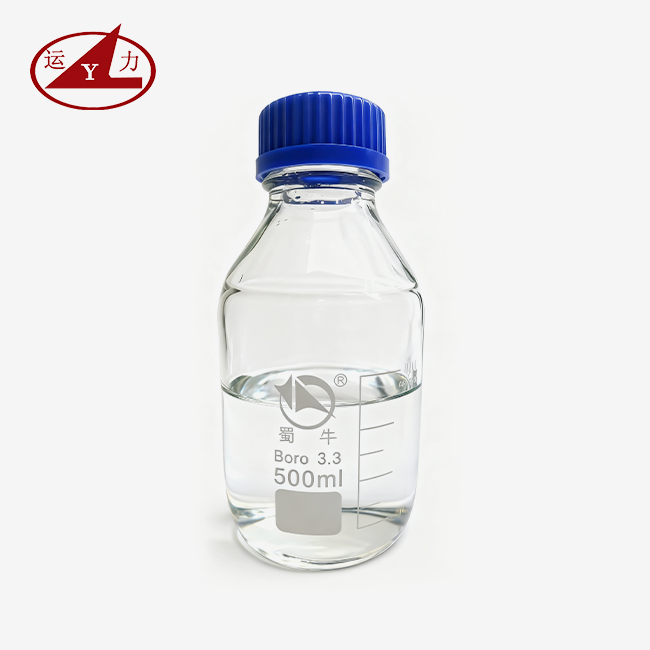
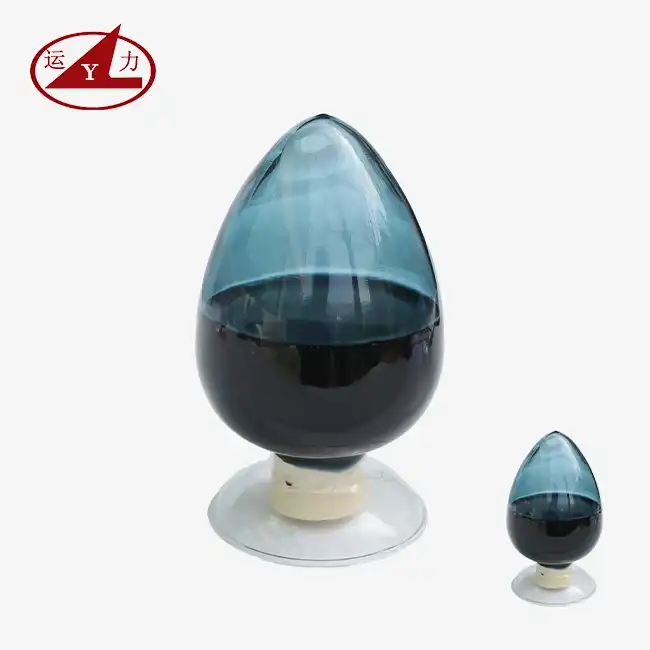
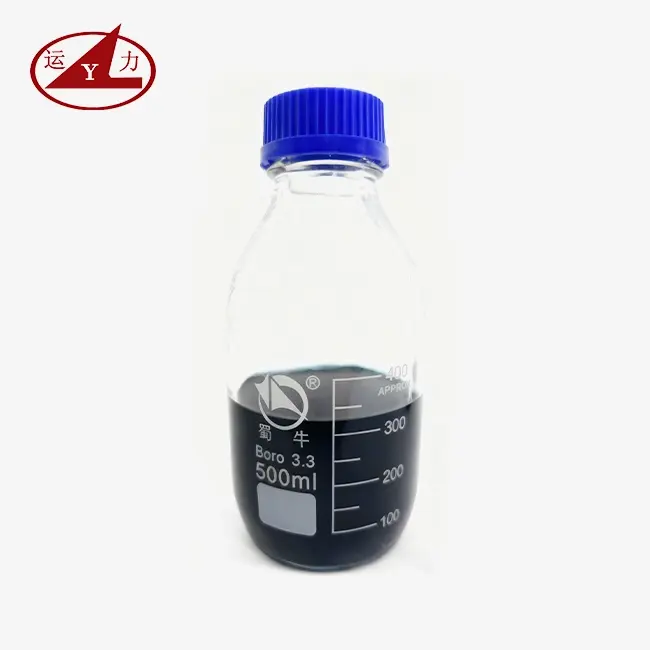
Chromium Chloride, especially in its hexahydrate form (CrCl3·6H2O), is an important source of trivalent chromium in many industries. As an alternative to dangerous hexavalent chromium compounds, this dark green solid substance is an important part of electroplating and surface treatment. In addition to finishing metal, it is used as a catalyst precursor in organic synthesis, a mordant in cloth coloring, and a chromophore in ceramic glazes and pigment mixtures. It can be used in many different ways because the Cr(III) oxidation state is stable and it dissolves easily in water. This makes it an important ingredient in making pharmaceutical intermediates, battery materials, and fine chemicals when controlled chromium release is important.
Understanding Chromium Chloride: Properties and Basic Information
Molecular Structure and Physical Characteristics
With a molecular weight of 266.45 g/mol and the formula CrCl3·6H2O, Chromium Chloride Hexahydrate (CAS 10060-12-5) is a dark green monoclinic solid. The chemical deliquesces, which means it easily absorbs water from the air. This means that it needs to be stored carefully. This substance's relative density is 2.76 and its melting point is between 86 and 90°C. Its reliable temperature behavior is very important for process engineering. The hexahydrate dissolves easily in water and ethanol, but not so well in acetone. It does not dissolve at all in ether. Because of hydrolysis processes, water solutions are acidic. Their pH levels usually stay between 4.0 and 6.5, but this depends on the quantity.
Chemical Stability and Storage Considerations
The hexahydrate form is more reactive in kinetic terms than the anhydrous forms, which are not reactive in kinetic terms because of their octahedral coordination geometry. Because it reacts more easily, the hexahydrate is the best commercial source for trivalent chromium uses. To keep things from absorbing water and going bad, they should be stored in covered cases in cool, dry places. When kept away from strong oxidizers and high temperatures, industrial-grade material stays stable for a long time. Material Safety Data Sheets stress how important it is to store large materials in containers that don't rust and with extra containment, especially in places with strict environmental laws.
Quality Parameters and Purity Specifications
The grade of good Chromium Chloride Hexahydrate is usually at least 99.5%, and the amount of chromium it contains is about 19.5%. Important impurity limits include iron content (≤30ppm, able to be lowered to ≤10ppm for top types), water-insoluble matter (≤0.01%), and very little sulfate contamination. These standards have a direct effect on how well applications work later on. High iron levels make electroplating pools cloudy and discolored, and high sulfate levels mess up the conductivity and current density efficiency of electrolytic processes. Advanced analytical methods, like ICP-MS and atomic absorption spectroscopy, make it possible to precisely check these factors, which makes sure that the uniformity from batch to batch that procurement managers need.
Industrial and Laboratory Uses of Chromium Chloride
Catalyst Manufacturing and Chemical Synthesis
In the petroleum industry, this product is used to make Chromium Chloride-based polymerization catalysts, which are then used in olefin polymerization systems. The hexahydrate's controlled hydration level lets exact hydrolysis rates happen, which is important for keeping reactions stable in places that are sensitive to wetness. It helps with many organic changes, like Friedel-Crafts reactions, aldol condensations, and selective oxidation processes, because it is a Lewis acid catalyst. High-purity grades (with arsenic and lead content <2ppm) are used by pharmaceutical companies to make active medicinal ingredients. This is especially true for gastric drug formulas, where trace metal contamination could make the medicine less effective or less safe.
Electroplating and Surface Treatment Applications
One of the most important changes in the metal finishing business was the switch from harmful hexavalent chromium to trivalent chromium electroplating, which was caused by new rules. Chromium Chloride Hexahydrate is the electrolyte that makes attractive and useful trivalent chrome plating possible in the car, aircraft, and sanitaryware industries. Hexavalent systems have problems with micro-cracking and poor throwing power. Trivalent baths, on the other hand, make complex shapes like hydraulic rods, shock absorbers, and decorative car trim regular in thickness. The micro-discontinuous structure made possible by trivalent metal is very resistant to rust and meets the requirements of REACH and RoHS. Adding anti-caking chemicals during production makes sure that there is no sludge during use. This cuts down on repair downtime and increases the life of the bath, which saves a lot of money for high-volume businesses.
Textile Dyeing and Pigment Production
This chemical forms coordination bonds between dye molecules and protein or manmade fibers like wool, silk, and nylon when used as a mordant in acid coloring processes. For high-quality cloth production, this bonding process is a must because it guarantees excellent colorfastness even when washed harshly. Because solution-grade material is consistent, there is no shade difference from batch to batch. This means that colors can be used over and over again in production runs that last for months or even years. It is used as a chromophore in the ceramics and glass industries to make stable green colors in glazes and enamels. Because it can handle high temperatures without changing color, the substance is useful for making coatings on industrial pottery and decorative glass that last and don't rust.
Comparing Chromium Chloride with Related Compounds
Hexahydrate Versus Anhydrous Forms
The main difference between hexahydrate and anhydrous types is how they respond and behave when handled. Anhydrous Chromium Chloride is a violet solid that doesn't move on its own and needs high temperatures or reducing agents to mix with other substances. The inertness comes from chloride ligands that are tightly bound in the solid-state structure. However, the hexahydrate's coordinated water molecules easily swap ligands, which allows for quick dissolution and fast reaction kinetics. In industrial settings, the hexahydrate is preferred for tasks that need to be completed quickly and at room temperature. The anhydrous form is used in certain situations where adding water would be bad, like in anhydrous chemical chemistry.
Chromium Chloride Versus Chromium Sulfate
The main potential source of trivalent chromium is chromium sulfate (Cr2(SO4)3), which is mostly used in tanning leather. Even though both molecules release Cr(III) ions, they work in very different ways. Chromium sulfate is the most common coloring agent because it penetrates deeper into leather and makes it easier to work with. In electroplating and catalyst synthesis, however, the chloride form works better than the sulfate form because sulfate ions can block the flow of electricity and damage some catalyst systems.
Electrolytic baths work better with chloride because it dissolves more easily and doesn't tend to precipitate as easily when it comes into contact with water. Choosing which of these chemicals to buy depends on the specific needs of the application. Because of its higher purity standards, chloride commands a higher price in specialized catalyst and electronics-grade applications.
Solution Versus Solid Forms
There are times when chromium chloride solutions (CrCl3·xH2O in water) are better than solid forms for certain tasks. Solid breakdown takes time and work, but pre-dissolved solutions make sure that the bath is immediately homogeneous, which is important for continuous electroplating lines. They stop the hygroscopic sticking problems that happen with solid storage and stop the risk of dust exposure while handling.
The solution format lets automatic metering systems give exact doses, which makes process control more repeatable. But solid forms are easier to work with, last longer, cost less to ship per unit of chromium, and let you make unique amounts. Solids are usually preferred by large operations that can mix them on-site. On the other hand, smaller operations or those that value convenience choose ready-to-use solutions, even though they cost more per kilogram.
Procurement Insights for Chromium Chloride Buyers
Sourcing Channels and Supplier Evaluation
Purchasing managers can get Chromium Chloride from a number of different sources, such as direct ties with manufacturers, area distributors, and specialized chemical markets. Direct plant buying gives you the best price for large amounts of product and lets you change things like iron content limits, particle size distribution, and packaging forms. Well-known companies like Alfa Aesar, Sigma-Aldrich, and Merck sell lab-grade materials with lots of paperwork, but they charge more because they come in small quantities and have to go through a lot of quality checks. Regional wholesalers keep local goods on hand so that items can be delivered quickly, and they offer reasonable prices on sales of multiple bags.
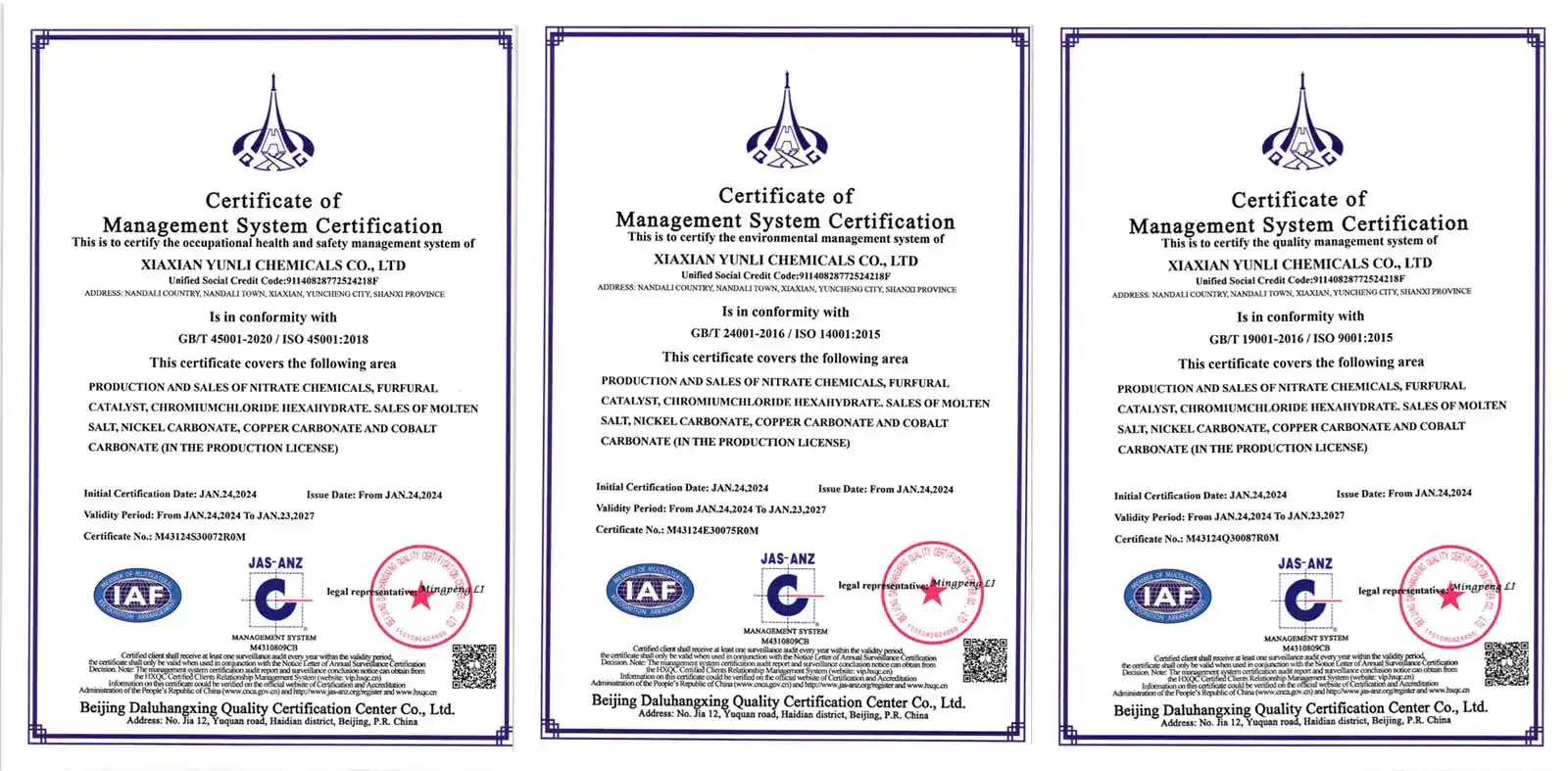
Technical buyers should check that possible sellers have ISO 9001 quality management certification, ISO 14001 environmental compliance certification, and any other industry-specific certifications. Requesting a Certificate of Analysis (COA) for sample batches shows the difference between the real impurity profiles and the specs that were stated.
Even though they take a lot of time and money, supplier site checks are very helpful for learning about production controls, environmental management systems, and the ability to keep supplies coming in. Long-term partnerships lower procurement risk because established vendors know the unique needs of an application and keep their production processes consistent. This means that moving sources doesn't have to go through the expensive qualification steps that are needed when switching sources.
Pricing Factors and Cost Optimization
The price of chromium chloride depends on a lot of things, like the cost of the raw materials, the pure grade, the state of hydration, and how the market is moving. Standard industrial-grade hexahydrate with an iron content of about 30ppm usually sells at the base price. Ultra-low iron types (≤10ppm) command 15–25% prices because they have been purified more. Pharmaceutical-grade materials that meet strict heavy metal limits (As/Pb <2ppm) are the most expensive. This is because they need to go through a lot of tests and have a lot of paperwork to show that they follow the rules. Volume-based discounts become important for orders over 5 tons, and some makers offer discounts of 10 to 15 percent on yearly orders over 50 tons.
The shape of the packaging has a big effect on the cost of delivery. Standard 25 kg bags make it easier to handle and store things, but they come with per-unit packing costs. Bulk transport in IBC containers (with a capacity of 600–1000 kg) or special tanker trucks (for solutions) lowers costs by 8–12% per kilogram, but it needs the right infrastructure for handling. Strategic buyers talk to sellers about a range of payment options, such as net-60 or net-90 terms, early payment savings, and exchange inventory programs that help businesses use their working capital more efficiently. When you work together with your providers to make predictions, you can optimize your production schedule, which is good for everyone because it lowers the cost of rush orders and makes better use of your capacity.
Logistics and Storage Best Practices
When sending chromium compounds across international borders, it is important to follow the rules for dangerous products. Even though trivalent chromium is not nearly as dangerous as hexavalent types, it is still considered a hazardous material in many places. The right UN marking (UN 3077 for solid forms), the right placarding, and shipping paperwork that follows the rules stop delays and fines that cost a lot of money. Ocean freight is the most cost-effective way to ship large amounts of goods across the country, while air freight meets urgent needs for small amounts, even though it costs a lot more per kilogram.
To keep things from dehydrating and caking, warehouse storage needs to be climate-controlled so that temperatures stay below 25°C and relative humidity stays below 60%. Accidental leaks are stopped by secondary containment systems, which have impermeable floors and enough air flow to meet safety standards in the workplace. FIFO (first-in, first-out) inventory management makes sure that materials are rotated before they lose their quality. Smart facilities use environmental monitoring systems that keep an eye on temperature and humidity in real time. These systems also have automated alerts that stop storage trips that could damage products.

Safety and Handling of Chromium Chloride
Toxicological Profile and Exposure Risks
Hexavalent chromium species are known to cause cancer, but trivalent chromium compounds like Chromium Chloride are not nearly as dangerous. But taking the right measures is still very important. Acute exposure by breathing in dust particles can irritate the lungs, and touch with the skin can cause eczema in people who are already sensitive. Ingestion causes stomach problems, such as feeling sick and throwing up. People who are sensitive to it have been linked to lung sensitization after long-term work exposure, but systemic toxicity is still low at normal levels of industrial exposure. As an 8-hour average, 0.5 mg/m³ is the most available chromium(III) compounds that OSHA allows workers to be exposed to.
Personal Protective Equipment and Handling Protocols
Chemical-resistant gloves (nitrile or neoprene), safety glasses with side shields, and protected clothes that keeps skin from touching chemicals are all examples of the right PPE. When working with dust or fumes, you need to wear N95 particulate respirators or, for longer periods of contact, powered air-purifying respirators to protect your lungs. Engineering controls, such as sealed mixing systems and local exhaust airflow at transfer spots, are better than PPE alone at reducing exposure to airborne particles. Eyewash stations and safety showers for cleaning up should be placed within 10 seconds of work areas as part of emergency reaction plans. As part of spill response routines, inert absorbent materials are used to keep the spill contained. This is done instead of using washdown methods that spread pollution or make disposal more difficult.
Regulatory Compliance and Environmental Considerations
According to RCRA rules, chromium(III) compounds are not considered toxic waste by the US EPA as long as the amount of hexavalent chromium contamination is below the limits for measurement. Still, getting rid of it requires following local wastewater release permits and NPDES guidelines that limit the amount of total chromium that can be present. European REACH rules say that amounts more than one ton per year have to be registered, along with a lot of information about how they are used, how they could be exposed, and how they are managed to reduce risk.
The change from hexavalent to trivalent chromium electroplating directly addresses REACH limits on Cr(VI), putting makers who follow the rules in a good situation in markets that care about the environment. Closed-loop wastewater recycling systems, which are now standard in modern facilities, collect and reuse chromium values while reducing the amount of trash that is released into the environment. This turns following the rules from an expensive load to a competitive advantage.
Conclusion
Chromium Chloride Hexahydrate is an important industrial chemical that is used in many high-value fields, from improved surface cleaning to making medicines. As a safer source of trivalent chromium, it meets important legal needs and provides better functional performance in textile, electroplating, and catalysis. To do good buying, you need to know the subtle differences between hydrated and anhydrous forms, judge providers based on their quality control and compliance records, and make sure that the right handling procedures are used to protect people and the environment. The compound's flexibility means that demand will keep going up as companies try to make their processes and products more environmentally friendly without lowering the quality or speed of their work.

FAQ
Q1: Which chromium chloride form works best for electroplating operations?
A: Chromium Chloride Hexahydrate works best for trivalent chrome electroplating because it dissolves quickly and makes the bath homogeneous right away. The coordinated water molecules in the hexahydrate make it easy to swap ligands, which makes stable electrolyte solutions with known current distribution properties. Ultra-low iron grades (≤10ppm Fe) keep the deposit's color from changing and its look constant over long production runs.
Q2: What storage conditions ensure long-term product stability?
A: Products that are kept in sealed cases in climate-controlled areas below 25°C and 60% relative humidity stay fresh for at least 24 months. Because the hexahydrate is a deliquescent substance, it needs to be kept away from moisture in the air to keep it from caking and changing concentration. Unwanted reactions can't happen because of secondary control and keeping the substance away from oxidizing agents.
Q3: How do international shipping regulations affect bulk chromium chloride procurement?
A: Trivalent chromium compounds need hazmat paperwork and a UN 3077 classification, but they don't have as many limits as hexavalent types. When shipping multiple tons across the country, ocean freight is the most cost-effective option. Lead times are usually between 30 and 45 days. Even though it costs three to five times more, air freight meets critical needs.
Partner with Yunli Chemical for Reliable Chromium Chloride Supply
Yunli Chemical has been making ultra-pure Chromium Chloride Hexahydrate for demanding business-to-business uses for more than 20 years. Our factory in Shanxi Province is ISO 9001, ISO 14001, and OHSAS approved. It consistently produces ≥99.5% pure metal with iron content as low as ≤10ppm, meeting the high standards of users in electroplating, catalysts, and pharmaceuticals. As a direct producer of chromium chloride with yearly sales of more than 1 billion yuan, we cut out the middlemen and their costs while making sure there is a steady supply through provincial-level business technology center capabilities.
Our advanced R&D infrastructure and closed-loop environmental systems allow us to make custom formulas with everything from changed pH ranges to unique particle shapes. All of this comes with full compliance paperwork, such as MSDS and COA. We make it easier for both wholesalers and end users to buy from us by not having a minimum order size, giving away free samples up to 500 grams, and offering a range of flexible packing choices, from 25 kg bags to bulk IBCs. You can email our technical team at wangjuan202301@outlook.com to talk about your specific needs, get product specs, or set up trial amounts that show the quality advantage that keeps our customers coming back.

References
1. Greenwood, Norman N., and Earnshaw, Alan. "Chemistry of the Elements, 2nd Edition." Butterworth-Heinemann, 1997.
2. American Electroplaters and Surface Finishers Society. "Trivalent Chromium Electroplating: Process Control and Applications." AESF Technical Monograph Series, 2018.
3. Kirk-Othmer Encyclopedia of Chemical Technology. "Chromium Compounds." Wiley-Interscience, 5th Edition, 2004.
4. Environmental Protection Agency. "Toxicological Review of Trivalent Chromium." EPA/635/R-10/004F, Washington DC, 2012.
5. Society of Dyers and Colourists. "Mordant Dyeing: Chemistry and Applications in Modern Textiles." Bradford, UK, 2015.
6. International Chromium Development Association. "Safe Production, Use and Disposal of Trivalent Chromium Products." Paris, France, 2020.