

What industries commonly use aluminium nitrate solution?
Aluminium Nitrate Solution is an important chemical material used in many different industries because it can oxidize, dissolves easily, and is a source of liquid aluminum. This compound is used in many different fields, from crops and water treatment to textiles, ceramics, electronics, and water treatment. It helps improve production speed, product quality, and compliance with strict government rules. When buying managers, supply chain workers, and technical engineers know which industries depend on this solution, they can make better purchasing choices that are in line with practical goals and legal requirements.
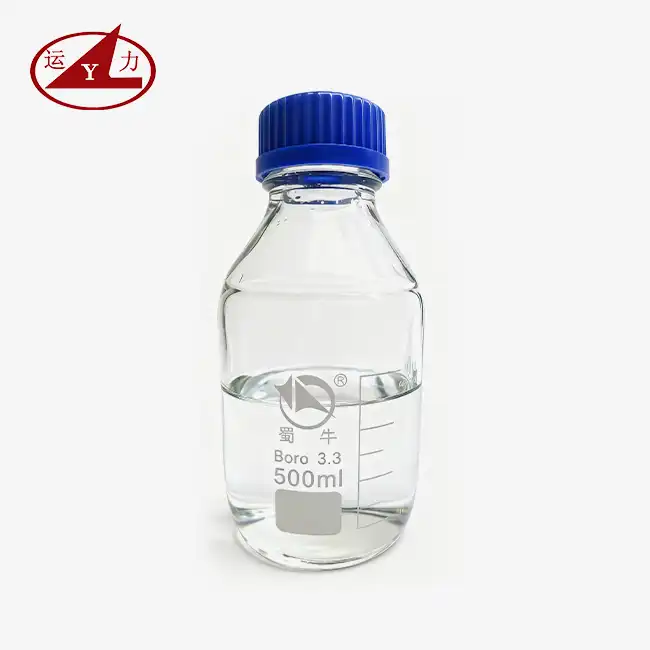
Overview of Aluminium Nitrate Solution and Its Properties
Chemical Composition and Molecular Characteristics
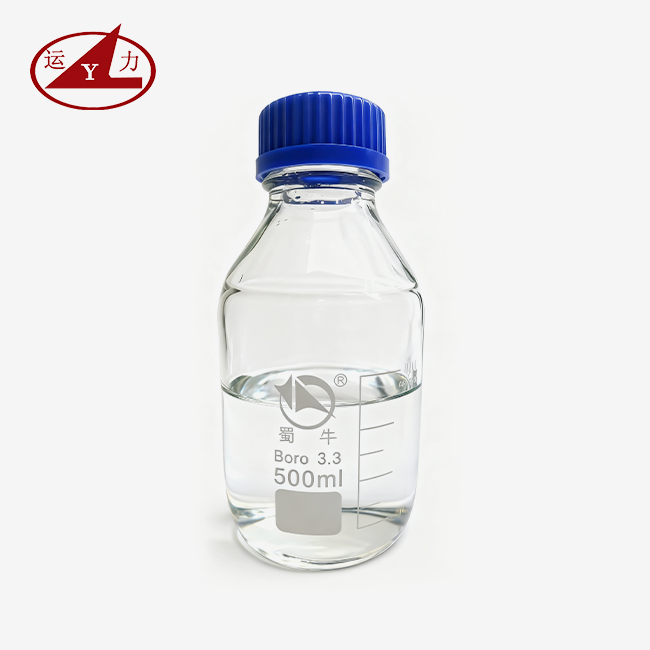
A usual way to make Aluminium Nitrate Solution is to dissolve aluminium nitrate nonahydrate in water or to mix aluminium hydroxide and nitric acid directly. With a molecular weight of 375.13 g/mol, the nonahydrate form is shown by the formula Al(NO₃)₃·9H₂O. The formula for anhydrous aluminium nitrate is Al(NO₃)₃, and normal commercial solutions have concentrations between 50% and 60% by weight. At 20°C, this clear to slightly yellow liquid has a specific gravity of 1.35 to 1.45 g/cm³, which makes it easy for automatic systems to do correct volumetric dosing.
Physical and Chemical Properties
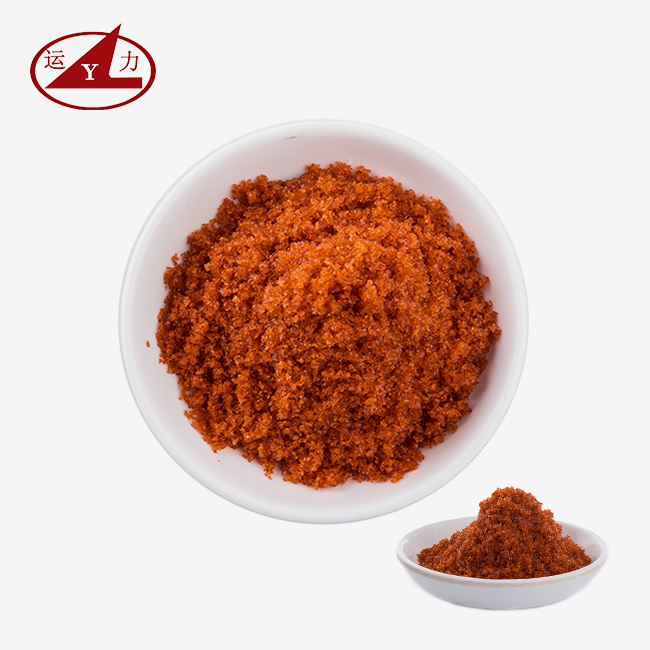
The pH of the fluid is usually between 2.0 and 4.0, but can be higher or lower based on the concentration and stoichiometry. Aluminium nitrate nonahydrate is a white, crystalline, hygroscopic salt that doesn't have a smell. It melts at 73.9°C and breaks down at 150°C. When dissolved, it dissolves very well in water (64 g/100 mL at 25°C), but not so well in alcohols or ethylene glycol. The solution is a strong oxidizing agent that needs to be handled carefully so that it doesn't combine with reducing agents or organics that aren't suitable.
Safety and Storage Considerations
When treating the solution properly, you need to be aware of how acidic and reactive it is, which can irritate the skin and damage materials that aren't compatible. To keep things from getting dirty or breaking, storage containers must be made of stainless steel (304L or 316L), PVC, or glass. When carbon steel tanks are in this acidic and oxidizing climate, they rust quickly. Controlling the temperature during storage and shipping stops crystallization at lower temperatures, which is especially important for formulas with a higher concentration. For procurement approval and operating safety, full safety paperwork is still needed. This includes Material Safety Data Sheets (MSDS), Certificates of Analysis (COA), and environmental compliance certificates.
Key Industries Utilizing Aluminium Nitrate Solution
Water and Wastewater Treatment
Aluminium Nitrate Solution is a good coagulant and flocculant that is used in municipal water treatment plants and commercial wastewater processing. The solution makes it easier for particles to stick together, which makes it easier to remove phosphates, organic matter, and dissolved solids from water streams.
While traditional aluminium sulfate takes longer to coagulate, the nitrate form works well across a wider pH range and does so more quickly. This method is especially helpful for wastewater treatment plants that deal with industry waste from dyeing textiles, electroplating, and food processing in order to meet release standards. The liquid form makes exact automatic dosing possible, which cuts down on chemical waste and improves the consistency of treatment.
Chemical Manufacturing and Catalyst Production
Alumina and advanced catalyst supports are made with aluminium nitrate solution, which is used as a starting material by petrochemical plants and specialty chemical makers. The solution acts as a glue to make sure that the pores in the carrier substrate are spread out evenly during the production of hydrodesulfurization and reforming catalysts. In high-pressure reactors, this consistency has a direct effect on the activity, selectivity, and lifetime of the catalyst.
The liquid state makes it possible to completely fill complicated shapes, which isn't possible with solid salt dissolving. Chemical synthesis processes value the solution's ability to make ultra-pure aluminium compounds that are used to make pharmaceutical intermediates and fine chemicals. Trace flaws in these compounds can make the products less reliable.
Textile Dyeing and Leather Tanning
Aluminium nitrate solution is used as a mordant in the textile business to help dye stick to natural and manmade fibers better. This treatment makes the fabric better overall and makes colors last longer and last through more washes. The nitrate type of aluminium sulfate mordants is more stable at high temperatures and causes less damage to fibers during processing. The solution is used in leather tanning factories to strengthen collagen fibers. This makes high-quality leather that doesn't get damaged by sweat, cleaning, or the environment. The managed acidity and abundance of aluminium ions in the solution make ideal conditions for protein cross-linking. This makes leather stronger, more flexible, and more aesthetically pleasing.
Electronics and High-Tech Ceramics
To keep their products from discoloring and losing their performance, companies that make high-purity ceramics, sapphire glass, and electronic boards need ultra-pure aluminium sources. A solution of aluminium nitrate that is at least 99.99% pure meets the requirements for 4N-grade purity. This solution is used to make high-purity alumina (HPA) through controlled hydrolysis. This HPA is used to make LED plates, semiconductor components, and advanced ceramic insulators. Any amount of iron pollution is too bad for optical or electrical performance. The liquid form makes it easier to work in cleanrooms and allows ongoing processing methods that solid salts can't handle.
Agriculture and Soil Treatment
Aluminium nitrate solution is used in agriculture to change the pH of the soil and as a special kind of fertilizer. Plants that like acid, like blueberries and rhododendrons, get nitrogen and aluminium from this chemical. Controlled application helps keep the soil alkaline in places where the soil is usually basic, which increases the availability of nutrients and increases food yields. Agricultural chemical formulators use the solution to make root drenches and sprays for specialty gardening and greenhouses, where precise nutrient management is key to maintaining product quality and market value.
Comparison and Selection of Aluminium Nitrate Solution in Industrial Use
Chemical Alternatives and Performance Differences
Procurement experts look at aluminium salts like Aluminium Nitrate Solution along with options like aluminium sulfate, aluminium chloride, and aluminium acetate when choosing aluminium salts for business use. Because it costs less per unit, aluminium sulfate is still the most popular coagulant used to treat water.
The nitrate form, on the other hand, has faster reaction rates, works better in cold water, and doesn't add sulfate ions, which can cause secondary precipitation problems in some water types. Aluminium chloride coagulates quickly, but it also adds chloride, which can damage stainless steel and make treated water contain more total dissolved solids. Instead of just comparing unit prices, the choice to choose is based on performance needs, compatibility with current infrastructure, and total cost of ownership.
Concentration Selection and Process Optimization
For industrial processes to work best, certain concentration levels are needed. Solutions used for water cleaning are usually 10–20% concentrated so they are easy to handle and give the right amount. Catalyst production and chemical synthesis often like ratios between 50 and 60% to keep the amount of water in reaction systems as low as possible.
Technical experts figure out how much concentration is needed by looking at the stoichiometry of the reaction, the dilution ratios, and the ability to control the process. Higher quantities lower the cost of shipping and the amount of space needed for storage, but they may crystallize at lower temperatures, which makes operations more difficult in cold places. Customized amounts from sources like Yunli Chemical let you improve the process without having to dilute or concentrate it on-site.
Quality Standards and Purity Requirements
Quality standards are very different between businesses. Technical grades with an aluminium oxide level of 8–10% and limited impurities can be used for water treatment. For electronics and medicine, ultra-high purity is needed, with iron levels below 0.005%, heavy metals like lead and arsenic below 0.001%, and salt and sulfate pollution kept to a minimum.
Based on how sensitive the end use is, procurement requirements should set acceptable levels for key impurities. Trace iron discolors pottery and harms catalysts; chloride speeds up the rusting of stainless steel tools; sulfate gets in the way of some chemical reactions. Suppliers you can trust give you thorough Certificates of Analysis that show impurity profiles for each batch that have been checked using ICP-OES (Inductively Coupled Plasma Optical Emission Spectroscopy) and other analytical methods.
Procurement Considerations for Aluminium Nitrate Solution
Supplier Evaluation Criteria
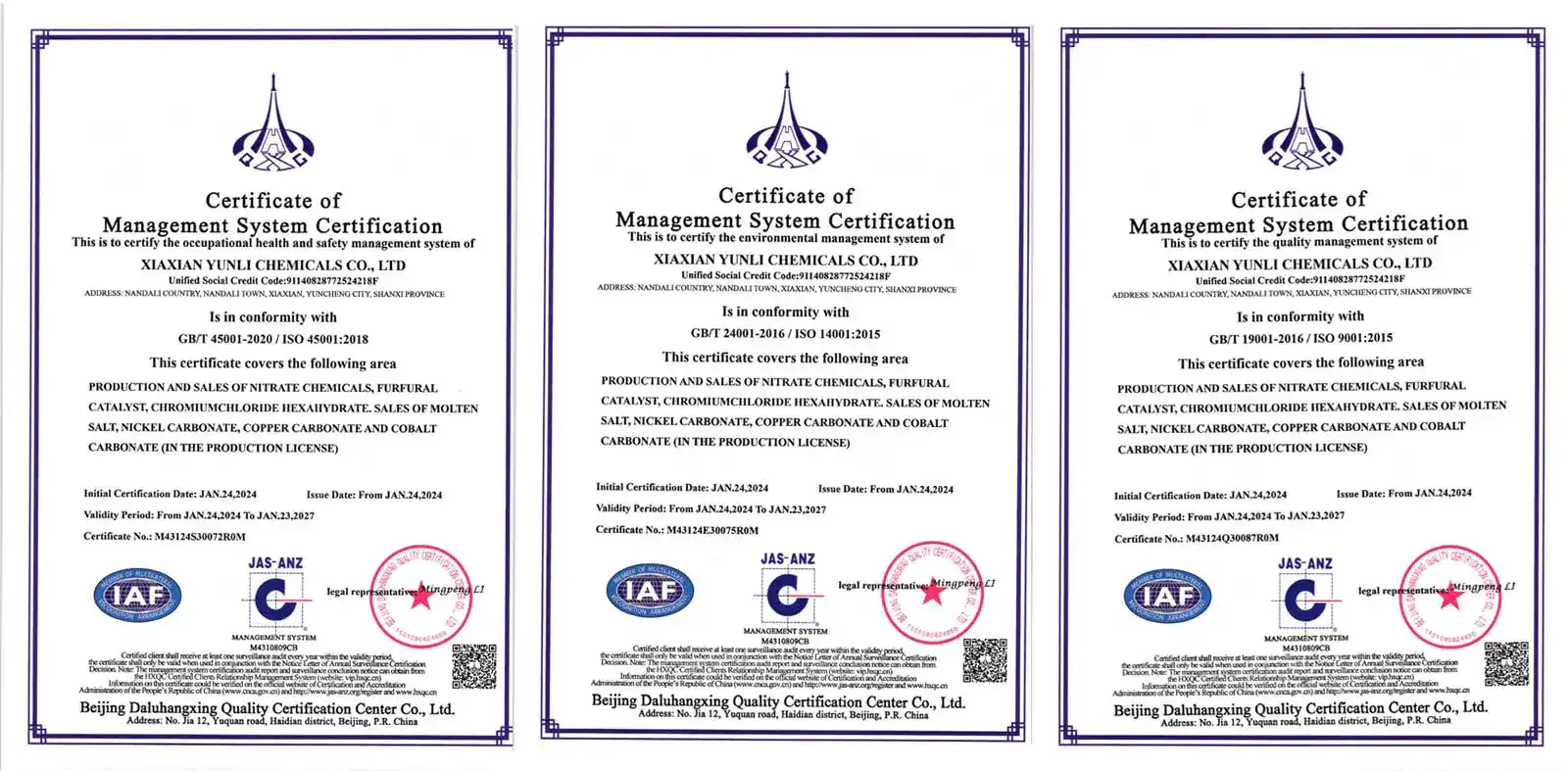
To find a trusted provider, you need to do more than just compare prices. Manufacturers that have been around for a while and have ISO 9001 quality management certification, ISO 14001 environmental compliance, and OHSAS workplace safety systems show that they are operationally mature and can handle risks.
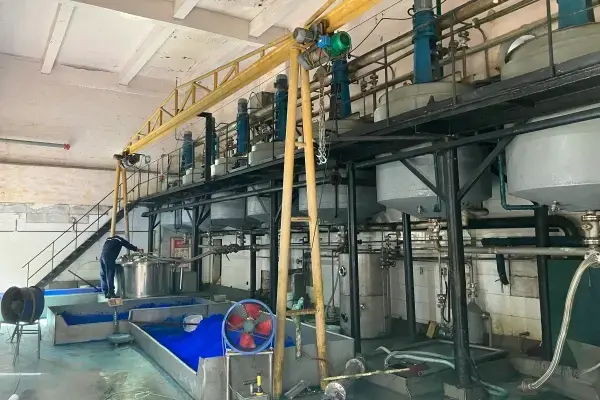
Suppliers who keep separate quality control labs with ICP-MS, atomic absorption spectrometers, and standard testing methods can make sure that the specs of each batch of Aluminium Nitrate Solution products are the same. Manufacturing capacity and financial stability signs, like yearly sales of more than $100 million and fixed assets that allow for continuous operations, lower the risk of supply disruptions for buyers of tons who need long-term contracts.
Geographic Sourcing and Logistics
China, the United States, and Europe are all major production areas, and each has its own benefits. Chinese makers usually have reasonable prices and don't have strict minimum order amounts, so they can handle both large-scale contracts and smaller, one-of-a-kind runs. U.S. and European suppliers may be able to give faster lead times to buyers in the U.S. and make it easier for regional businesses to follow the rules in those regions.
When buying things from other countries, you have to think about things like shipping rules for oxidizing substances, government paperwork, and the possibility of crystals when the temperature changes during transport by sea. For temperature-sensitive high-concentration products, experienced providers offer shipping in heated crates or climate-controlled units.
Best Practices for Building Partnerships
Clear sharing of technical needs, quality standards, and delivery dates is the first step in building reliable supply relationships. Before committing to large orders, asking for samples of a product lets you check its chemical specifications, physical qualities, and ability to work with current processes. Trial amounts let you check that the seller is consistent and that technical help responds quickly. Long-term contracts with agreed-upon price, quality guarantees, and supply agreements keep production going and cut down on the cost of buying things. Regular audits, performance reviews, and open lines of contact with suppliers help to improve relationships and speed up the settlement of quality issues or shipping problems.
Future Trends and Innovations in Aluminium Nitrate Solution Applications
Advanced Water Treatment Technologies
New water treatment systems use an Aluminium Nitrate Solution along with membrane filtering, electrocoagulation, and advanced oxidation methods to meet stricter guidelines for discharge. New ideas try to cut down on chemical use by tracking in real time and making dosing changes automatically based on sensors that measure water quality. The study of making nano-alumina from controlled hydrolysis of aluminium nitrate solutions offers better removal of small amounts of drugs, microplastics, and new contaminants that regular coagulation can't get rid of.
Green Chemistry and Sustainable Processes
Environmental laws encourage the creation of better ways to make things, which reduces the amount of trash and energy used. Closed-loop systems that recycle and collect aluminium salts from process sources lower the cost of raw materials and the damage they do to the environment. Catalyst makers are looking into using bio-based feedstocks and green energy to make aluminium nitrate. Precision delivery systems that keep crop yield high while reducing nutrient runoff and groundwater contamination are a big part of sustainable agriculture uses.
Regulatory Compliance and Product Safety
Tougher rules about moving oxidizing substances, keeping workers safe, and releasing them into the environment mean that providers and users need to improve their paperwork, training, and ways of dealing these substances. The global unification of chemical classification systems (GHS) makes sure that all markets have the same safety data sheets and marking rules. When suppliers put money into environmental treatment facilities like nitrate wastewater processing and exhaust gas scrubbing, they can give customers complete solutions that are in line with regulations and lower regulatory risk. Procurement teams give more weight to sellers who show proactive compliance and clear paperwork that supports audit standards and environmental reporting.
Conclusion
Aluminium Nitrate Solution is a very useful and effective chemical that is used to treat water, make chemicals, make fabrics, electronics, pottery, and help plants grow. Its special features, like its strong ability to oxidize, great solubility, and exact dosing potential, make it useful in many industries and give it an edge over other aluminium salts. When making buying choices, procurement professionals do better when they know about application-specific needs, quality standards, and suppliers' abilities.
When compared to solid crystalline forms, the liquid formulation has practical benefits such as no dissolution time, lower handling risks, and better process control. As industries move toward stricter environmental standards and higher product quality expectations, it is important to choose reliable suppliers with a track record of manufacturing, full compliance documentation, and technical support to ensure long-term success and a competitive edge.
FAQ
What storage conditions maintain aluminium nitrate solution stability?
It should be kept in containers made of stainless steel (304L or 316L), PVC, or glass-lined containers that are out of direct sunlight and away from high temperatures. Higher concentrations don't crystallize below 15°C (59°F) when they are stored in heated or sealed containers. Stay away from carbon steel tanks because they rust quickly. Sealed containers keep water from evaporating and keep food from getting contaminated.
How does aluminium nitrate solution compare in cost-effectiveness to solid forms?
For liquid aluminium, the total cost of ownership is often lower, even though the cost of shipping each unit may be a little higher because of the water weight. Getting rid of on-site dissolution saves time, energy, and work that would have been spent heating water and cleaning out solids that haven't dissolved. Chemical waste is cut down by precise metering.
What are the key purity specifications for electronics applications?
For electronics use, aluminium nitrate solution must have an iron content of less than 0.005%, heavy metals like lead and arsenic content of less than 0.001%, and strict control over chloride and sulfate pollution. These rules keep pottery from changing color and keep catalysts from becoming poisonous. For each output batch, suppliers should give Certificates of Analysis that show that minor impurities were checked using ICP-OES.
Partner With a Trusted Aluminium Nitrate Solution Supplier for Your Industrial Needs
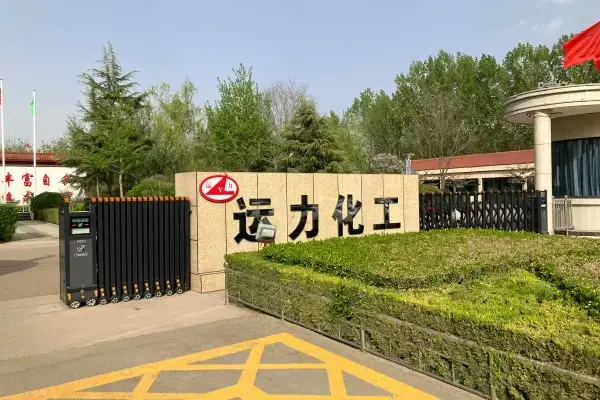
Yunli Chemical can meet your needs for Aluminium Nitrate Solution because they have been in business for more than 20 years, are ISO 9001 certified, and are known as a provincial-level technology center. Because we buy directly from the plant, there are no middlemen, so our prices are low without sacrificing quality. We keep impurities under control with high-tech analytical tools like ICP-MS, and we provide both scientific and highly pure 4N-grade goods.
Free samples up to 500 grams, customizable amounts, and flexible packing can all help you with the evaluation process. Our stable supply chain and full compliance paperwork, such as MSDS and COA, make it easy to get the tonnage amounts you need for water treatment or the ultra-pure solutions you need for making electronics. You can email us at wangjuan202301@outlook.com to talk about your specific needs and experience the dependability of a certified aluminium nitrate solution maker that cares about the success of your business.

References
1. Kirk-Othmer Encyclopedia of Chemical Technology. (2018). "Aluminum Compounds." John Wiley & Sons, Volume 2, pages 543-578.
2. American Water Works Association. (2016). "Water Treatment Chemicals: Coagulants and Flocculants." AWWA Manual M37, Fourth Edition.
3. Journal of Catalysis. (2020). "Alumina Support Synthesis from Metal Nitrate Precursors for Hydroprocessing Catalysts." Volume 382, pages 115-128.
4. Textile Chemist and Colorist. (2019). "Mordanting Techniques in Natural Dyeing: Comparative Study of Aluminum Salts." Volume 31, Issue 4, pages 22-35.
5. International Journal of Applied Ceramic Technology. (2021). "High-Purity Alumina Production for Electronic Substrates: Precursor Selection and Process Optimization." Volume 18, Issue 3, pages 678-691.
6. Environmental Science & Technology. (2022). "Advanced Coagulation for Emerging Contaminant Removal: Role of Metal Salt Speciation." Volume 56, Issue 8, pages 5234-5247.