

Which companies produce high-purity aluminum nitrate nonahydrate?
It might be tough for procurement managers and technical experts to find a reliable source of high-purity Aluminum Nitrate Nonahydrate when they need regular quality for big projects. A number of global and regional chemistry companies make this important product. Each has its own level of clarity and power. Well-known specialty chemical companies from North America, Europe, Asia, and especially China are among the top makers. Companies like Yunli Chemical in China, GFS Chemicals in the United States, and many in Europe give certified grades with purity values between 98% and 99.9%. It's likely that these businesses are ISO 9001 approved and offer a lot of information, such as a COA and an MSDS. In fields like making catalysts, painting fabrics, tanning leather, and pharmaceutical intermediates, where quality control has a direct effect on production results, this is very important.
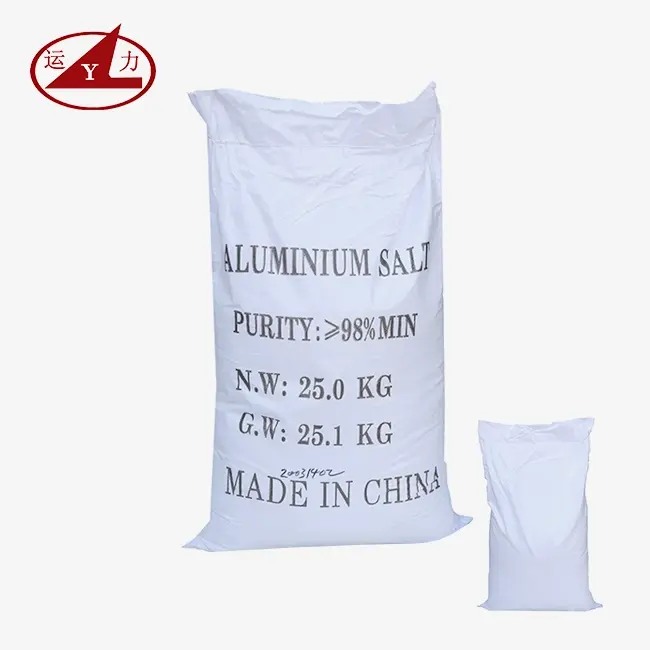
Comprehending Aluminum Nitrate Nonahydrate and Its Market Requirements
Chemical Composition and Molecular Characteristics
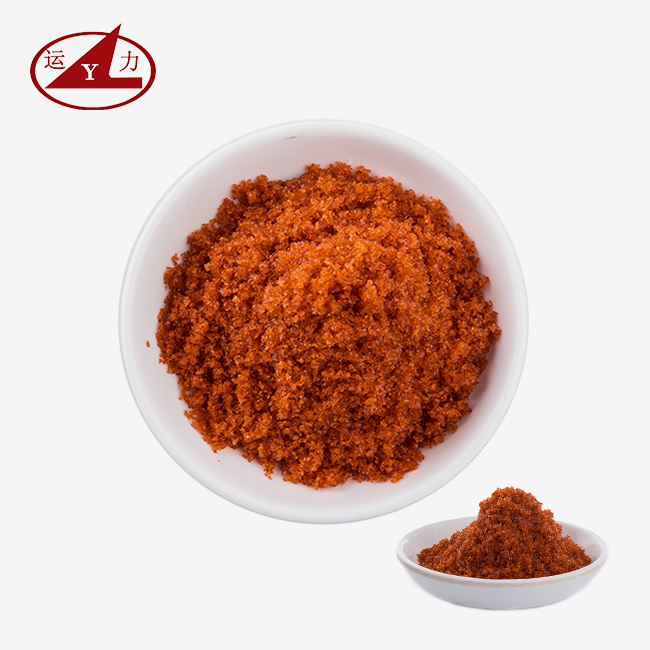
Al(NO₃)₃·9H₂O, which has the CAS number 7784-27-2, has a molecular weight of 375.13 g/mol. This thing is solid and white, and it doesn't smell. This salt dissolves in water and freezes at 73.9°C. It breaks down at about 150°C. The thing breaks down easily in water (64 g/100 mL at 25°C), but not so quickly in alcohols or ethylene glycol. The chemical is naturally acidic, and its water-based solution is also acidic. It reacts strongly with human flesh, so it needs to be handled carefully when it is used in industry.
Industrial Applications and Usage Scenarios
There are many useful uses for this material in many different fields. It is a key ingredient in making high-surface-area catalyst supports, which are used in the refining of oil, especially for hydrodesulfurization processes. For textiles, it is used as a dye mordant because it makes strong bonds between dyes and fibers that stop bleeding and make clothes last longer in light. It is used as a coloring agent in leather tanning shops because it treats the leather evenly and keeps its shape better than other choices. Chemical companies use it as a starting point to make other aluminum salts and special goods that need to add aluminum precisely without halide contamination.
Purity Standards and Quality Specifications
The needs of the market for Aluminum Nitrate Nonahydrate change a lot based on what it is used for. Most materials made for industry say they are at least 98% pure, which is enough to dye clothes and make chemicals in general. For catalyst-grade goods to work, they need to be 99% pure or more and have less than 0.01% iron in them. This is to keep the catalyst from becoming poisoned. Ultra-pure types that hit 99.9% are needed for medical and electrical uses. There can't be any heavy metals (less than 0.005% as Pb) or other toxins that could mess up important processes. When buyers know about these changes, they can pick the right grades for their needs without having to pay more.
Top Global Manufacturers and Suppliers of High-Purity Aluminum Nitrate Nonahydrate
Leading Asian Manufacturers
Asia and the Pacific are home to many well-known manufacturers with low prices and large production capacity, including suppliers of materials such as Aluminum Nitrate Nonahydrate.
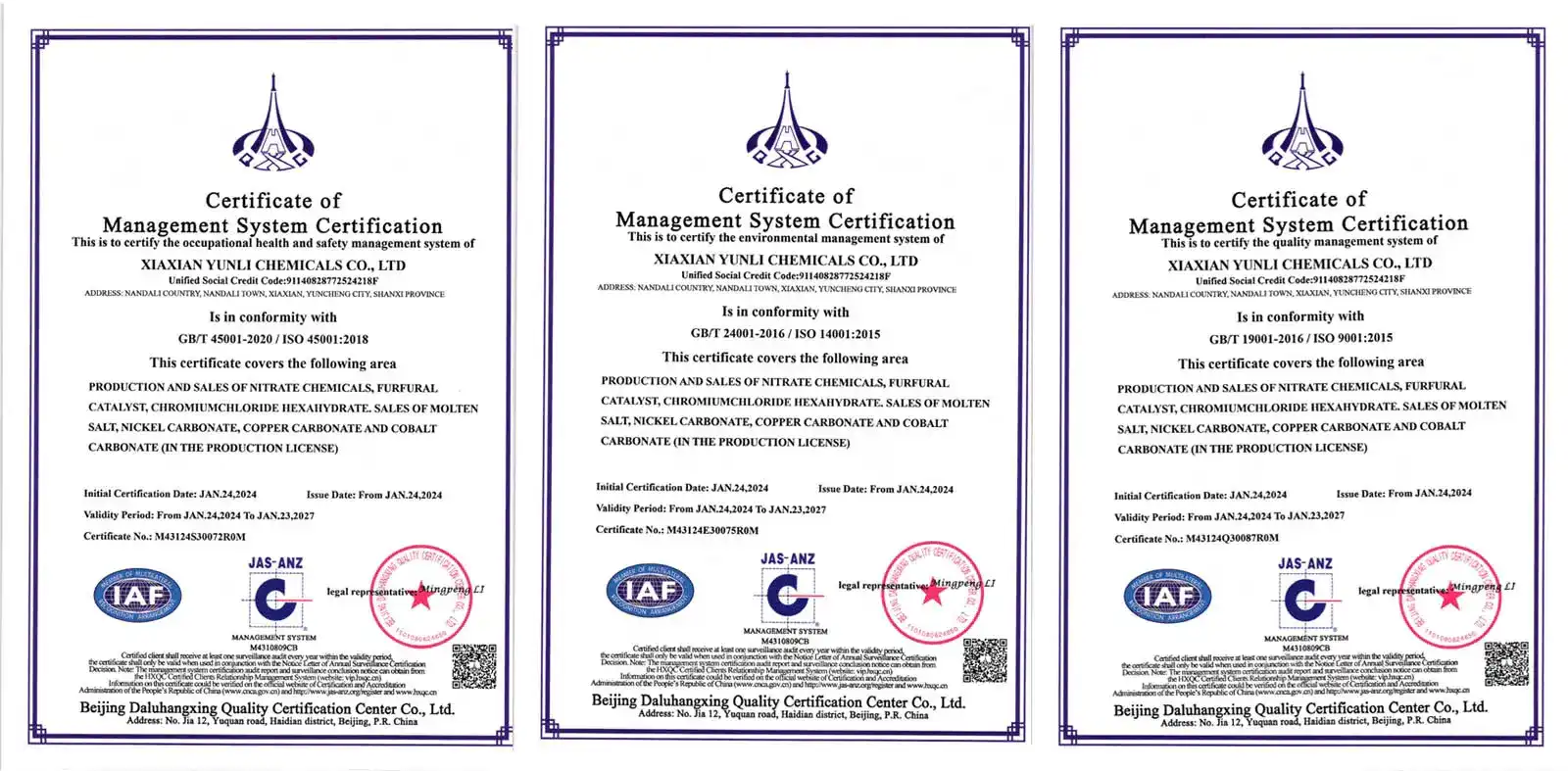
The factory Yunli Chemical in Shanxi Province, China, shows how skilled the people are in the area. The business has been around since 2005, makes more than 1 billion yuan a year, and has RMB 300 million in fixed assets. This shows that it is stable financially, which is important for trade relationships that last a long time. The ISO 9001, ISO 14001, and OHSAS certifications on the building show that it cares about quality management, the environment, and worker safety. In 2019, Yunli Chemical was named an Enterprise Technology Center at the provincial level. It has high-tech labs with ICP-MS and atomic absorption spectrometers that let it make standardized goods and 4N-grade materials that are very pure and can be used in the tough electronics and medicines industries.
Asian manufacturers usually make it easy for different companies to work together. For example, they offer flexible packing, water-based solutions with different concentrations, and low minimum order sizes that are good for both large companies and smaller specialty chemical suppliers. The infrastructure of the region's supply chain makes it easy to move goods from other countries, but before making a deal, buyers should make sure that the company is environmentally friendly and has the right licenses to handle dangerous materials.
North American and European Specialty Chemical Producers
North American companies like GFS Chemicals and Noah Technologies provide high-purity grades and all the necessary paperwork, which can help European markets follow REACH. Most of the time, these businesses stress strict quality control and small production runs so they can focus on making things for study and research. European companies make chemicals for specific uses that need special recipes. They also often offer technical help to make processes better and come up with new uses. Customers who live in these places get faster shipping times and easier operations because they are close to important markets. But because of higher costs of labor and running the business, prices are generally higher than those from Asian sources.
When customers call customer service, these Western makers are great at answering and giving good help. Because of this, they are the best partners for companies that need help working together to build something or fix a problem. They have a regulatory compliance system that has been around for a long time. This makes it easy for businesses that have to follow strict safety and environmental rules to buy things.
Certification Standards and Quality Assurance
A reputable manufacturer will give you important information that proves the quality of their goods and the standards of production. The fact that the company is ISO 9001-approved means that they use organized quality control methods to make sure that every batch is the same. When something is approved by ISO 14001, it means that the environmental management systems used in the production process hurt the earth as little as possible. REACH registration shows that chemicals are safe and that rules are being followed for European markets.
Each package of a product should include a Material Safety Data Sheet (MSDS) that tells you how to handle, store, and what to do in an emergency. It should also include a Certificate of Analysis (COA) that shows the product's real purity, impurity profiles, and physical qualities. When buyers are looking for new suppliers, they should ask possible suppliers for these papers and check that they are real by calling licensing groups. This careful work makes sure that everyone in the supply chain follows the rules and cuts down on quality issues that stop work.
Comparing Aluminum Nitrate Nonahydrate Products: Purity, Grades, and Pricing
Purity Grades and Application Alignment
For different business needs, different amounts of purity are used. It's fine to use industrial-grade materials that have 98.5% to 98.5% Aluminum Nitrate Nonahydrate for basic chemical production, dying fabrics, and mordanting them. Small mistakes won't have a big effect on the results. When making hydrodesulfurization catalysts or using them in other ways where small impurities like iron or heavy metals slow them down, standards that require them to be 99% pure or higher are needed. Very high purity grades, with a purity level above 99.5%, are used to make electronics, pharmaceutical products, and study that doesn't need much help from other species.
When technical experts pick the right grades, they should think about how sensitive their process is to heavy metals, iron, salt, and sulfate. Before getting a lot of suggested materials, it's better to do some small tests to make sure they work together. This lowers the risk of production problems that cost a lot of money.
Price Factors and Market Trends
Aluminum Nitrate Nonahydrate costs different amounts based on how pure it is, how you want it packed, and the state of the raw material market at the time of purchase. Material for industry costs a lot less per kilogram than catalyst or ultra-high purity grades because it doesn't have to be as pure. Price methods that are based on volume reward bigger claims. For example, orders for tons of goods usually get 10 to 25 percent off of prices for orders for less. When you ask for custom ratios or formulations, as well as the type of packing used (like big bags, drums, or special cases), unit costs change.
Prices change over time because the market changes because of things like the price of energy, the price of metal, and the balance between supply and demand in different fields. Buyers can keep costs stable and make planning easier by making long-term deals for supplies with fixed prices or price changes based on inflation. You can buy more and be sure of getting enough if you compare prices from several suppliers and keep backup sources on hand.
Comparative Analysis with Alternative Chemicals
There are times when Aluminum Nitrate Nonahydrate is better than aluminum sulfate or aluminum chloride. The aluminum is added without the chloride ions that damage tools made of stainless steel or catalysts that are sensitive to poisons. If you compare it to aluminum sulfate, it turns into alumina more quickly and doesn't leave behind any sulfate residues that could lower the quality of the final product. It's easy to mix with water to make strong liquids that help spread the immunization more evenly. This is a big advantage over metal sources that don't dissolve as quickly and can make the spread of active sites less even.
It needs to be stored and treated with more care than some other choices, though, because it breaks down and soaks up water. The best option for a certain use case can be found by calculating the total cost of ownership, which includes the storing system, the way the data is handled, and the speed of the process.
Sourcing and Procurement Best Practices for Aluminum Nitrate Nonahydrate
Supplier Evaluation and Quality Verification
You should carefully look at a provider's manufacturing skills, quality control methods, and financial health in order to find one you can trust. You can set basic quality standards by looking at the company's ISO 9001 and other certifications that are specific to the business. You can learn more about how things are made and how quality is handled by having a third party do site checks or inspection reports. How long the provider has been in business, customer references, and signs of good financial health can help you decide if you can trust them to work with you for a long time. Having your own expert offices and high-tech research tools shows that a company cares about quality and can handle different needs.
Before you place big orders, it's important to test samples to make sure everything is okay. You can get free samples of up to 500 grams from sellers you can trust. This lets you test the material fully in a real production setting. Once the goods are delivered, low prices are kept by lab tests that compare their cleanliness, impurity levels, and physical qualities to standards. By making small samples, you can check that the materials are correct and see what changes need to be made to the process. This makes it safer when you reach full production.
Logistics and Regulatory Compliance Considerations
Aluminum Nitrate Nonahydrate has to be shipped in a special way because it is a dangerous oxidizer (Class 5.1). Some of these are special ways to pack, label, and move the goods. Suppliers should show that they know how to properly handle dangerous products by providing the necessary paperwork, such as shipping statements, emergency response information, and governmental certificates. Containers with tight lids that don't absorb water keep the hygroscopic material safe while it's being moved and stored. When customers can choose the type of packaging they want—bag sizes, drum sizes, or containerized bulk exports—it's easier for facilities that receive the goods to handle them.
How a product is stored has a big impact on how long it stays fresh. Controlling the relative humidity is what buildings should do to keep dry places below 30°C. This will keep the material from absorbing water, which causes it to clump and break down. Making sure that air and oxygen are properly separated stops reactions between things that don't mix well. Suppliers who tell customers how to store things and how long they will last help customers get the most use out of their goods and lose as little as possible as they go bad.
Contract Terms and Payment Structures
To get a good deal, you need to find a way to lower costs while still making sure the quality is good. When market demand is low, long-term deals that last between one and three years offer stable prices and a sure way to spend money. This is very helpful for companies that need a steady supply to stay open. You can make it clear what kind of performance is expected and what can be done if the materials don't meet the standards by including quality specs and method acceptance tests. As long as shipping plans are in line with production dates and storage room, materials are always available when they are needed and stocking costs are kept to a minimum.
The terms of payment rely on the seller and how the buyer and seller have worked together in the past. Buyers who have bought before and have good credit may be able to get longer payment terms, which would mean less need for running cash. With a letter of credit, both parties are protected in case they can't finish a deal that takes place abroad. Structures for bulk promises that offer rebates or tiered prices encourage customers to stick with their favorite providers. This saves them money and makes buying easy.
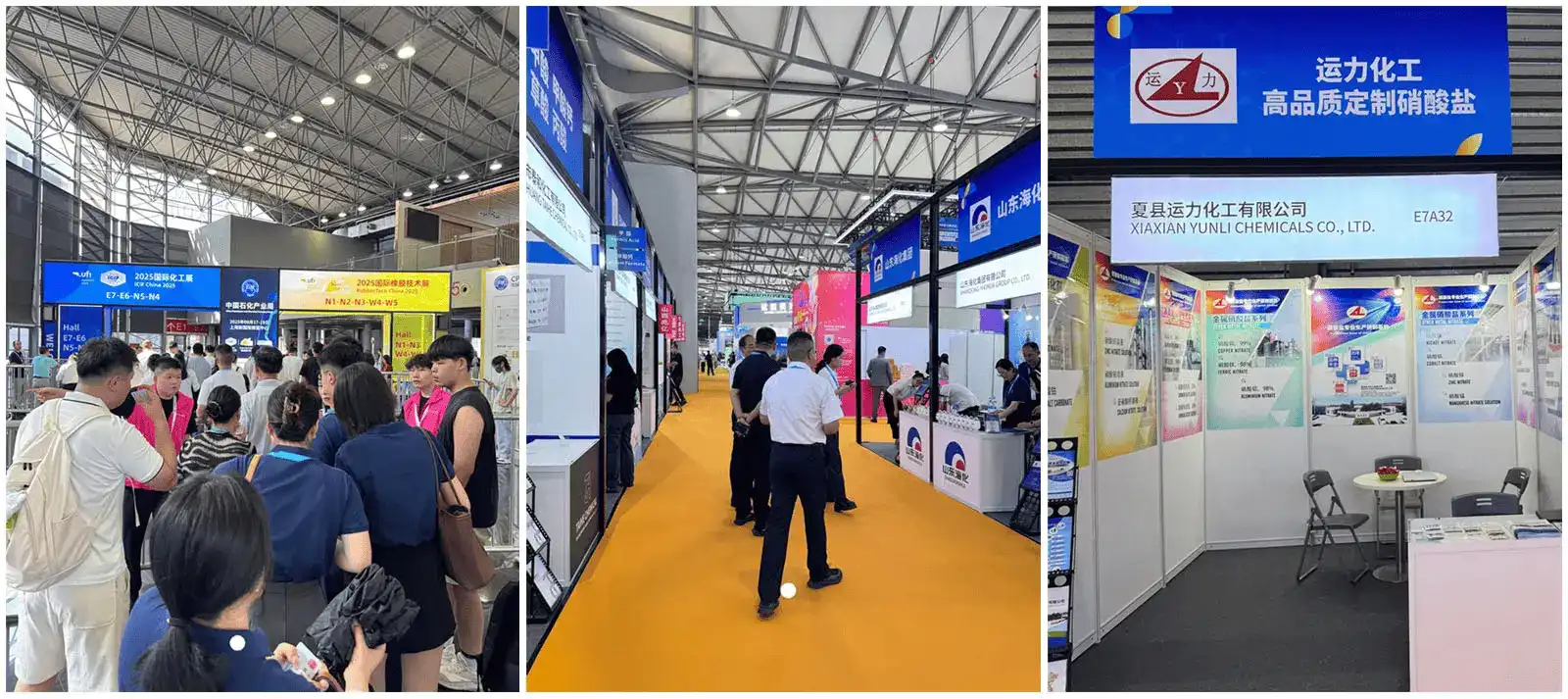
Leveraging High-Purity Aluminum Nitrate Nonahydrate for Your Industry Needs
Performance Advantages in Critical Applications
High-purity types really help when they are used in tough industrial processes. When ultra-high-purity Aluminum Nitrate Nonahydrate is used to make catalysts, it gets rid of small impurities that stop the catalysts from working. This makes the active sites more regular and the catalysts last longer. Because they don't fade as quickly, high-purity mordants help colors stay true for longer, which means fewer redos and customer complaints. Businesses that paint leather can charge more when there is a lot of competition because their finished leather is better quality and has more even penetration. When starting materials don't have many flaws, side effects are less likely to happen and they're easier to clean up. This is good for both output costs and following the rules.
More expensive grades usually earn them because they work better and save money in the long run by cutting down on waste, making goods better, and speeding up processes. Technical buyers should do thorough cost-benefit analyses that match the costs of materials to changes in processes in order to choose the right purity levels.
Emerging Trends and Future Developments
Laws that protect the environment, steps to be more eco-friendly, and new technologies are all changing the market for Aluminum Nitrate Nonahydrate. Tougher rules for the environment are forcing companies to use cleaner ways to make things that better handle waste water and limit emissions. When it comes to providers, these things make them different from those who could be punished by the government. It is becoming more popular to use ultra-high-purity aluminum intermediates since battery materials and gadgets need more and more high-purity alumina. It might be harder to get good grades now. Over time, it may become easier to get and cheaper to buy high-purity materials as synthetic technology gets better and processing gets faster.
Because people care about the environment, closed-loop production systems are being made that make the least amount of waste and recover waste from the process. People who buy things and care about the environment should check to see how well their sellers handle environmental problems. They should also look for partners who are truly committed to sustainable practices that go beyond just following the rules. Companies can reach their green goals with the help of these deals, which could also protect their long-term supplies as rules about the environment get tougher around the world.
Strategic Supplier Partnerships
Getting together with other makers gives you an edge over other makers, not just access to tools. Suppliers who are good at research and development, like Yunli Chemical's Provincial-Level Enterprise Technology Center, can help make new formulations, give tips on how to make processes better, and fix issues with uses. Technical teams that are built on chemical engineering give customers good advice that helps them make their business better and more efficient. When a manufacturer has an open cooperation model and no minimum order amount, they can change with the times and let customers try out new uses without having to make big claims.
If a business wants to save money on goods instead of getting them from expensive Western suppliers, they can work with skilled Asian manufacturers who can make the same products for less money. It's important to carefully choose and test sources with this method, but it can save a lot of money on purchases while still meeting output standards. Partnerships that work well make sure that costs are kept low, quality is maintained, supplies are reliable, and there is ongoing expert help.

Conclusion
As you look for the best company to make high-purity Aluminum Nitrate Nonahydrate, you should pay close attention to their production skills, quality standards, and how dependable their supply chain is. There are many different types of quality, customization options, and support services that the top manufacturers in Asia, Europe, and North America give to meet the needs of many different businesses. A good way to buy things is to make sure the seller is reliable by looking at their credentials and trying examples, to fully understand the cleanliness needs of different uses, and to form partnerships that offer both low prices and consistent quality. That is possible with companies like Yunli Chemical, which is big enough, has the technical know-how, and has quality processes in place to do it. It is best for businesses that procurement experts learn about how markets work, what suppliers can do, and what goods are needed. This way, their companies can have the best supply chains and production.
FAQ
What certifications should I look for when sourcing aluminum nitrate nonahydrate?
There should be quality control systems in place at a reliable service to make sure that product standards are always met. This can be shown by ISO 9001 certification. Being certified by ISO 14001 means that the ways you handle the environment have almost no impact on the world. REACH registration shows that chemicals are safe and that rules are being followed for European markets. Make sure that every package comes with a Material Safety Data Sheet (MSDS) and a Certificate of Analysis (COA). There should be real purity and impurity ratings on the COA, and safe ways to handle the material should be written on the MSDS.
How should I store aluminum nitrate nonahydrate to maintain quality?
The temperature should stay below 30°C and the relative humidity should be low. Store in containers that are tightly sealed and won't soak up water. It gets clumpy and less useful when it comes in contact with water because the chemical is hygroscopic. When you store an oxidizer, you should make sure there is enough air flow and keep it away from things that won't work with it. Things are kept from being stored for too long, which could damage their quality, when first-in, first-out packing movement is used.
What shipping regulations apply to aluminum nitrate nonahydrate?
The material must be shipped in a certain way and with oxidizer alerts because it is a Class 5.1 oxidizer. It also needs to come with papers, like a shipping statement and information on who to call in an emergency. Make sure that the company you choose knows how to legally ship dangerous goods and gives you all the information you need for safe shipping to another country.
Partner with Yunli Chemical for Reliable Aluminum Nitrate Nonahydrate Supply
Yunli Chemical is a reliable business that has been making Aluminum Nitrate Nonahydrate for 20 years. They have quality systems that have been approved and open work plans that can be changed to fit the needs of different industries. ICP-MS and atomic absorption spectrometers are two examples of high-tech analysis tools that help our plant make materials that range from normal industrial grades to 4N ultra-high purity standards. These tools make it possible to do strict quality control. We offer factory-direct prices that skip the middlemen and their markups, a range of packing and concentration options, and free samples of up to 500 grams so you can give it a good try before you decide to buy.
We have ISO 9001, ISO 14001, and OHSAS standards, which show that we follow strict rules for safety at work, quality control, and taking care of the environment. These rules make sure that your supply line stays stable. As a Provincial-Level Enterprise Technology Center, we help make applications better and fix process problems with the help of experts. This helps people connect in ways that go beyond just buying things. We have the financial security and production capacity you need for long-term growth. We make more than 1 billion yuan a year in sales and own 300 million yuan worth of fixed assets. You can talk to our expert team about your specific needs, get full product specs, or set up a test sample by emailing wangjuan202301@outlook.com.

References
1. Smith, J.R. & Williams, P.T. (2021). "Industrial Applications of Aluminum Nitrate Compounds in Catalyst Manufacturing." Journal of Applied Chemical Engineering, 45(3), 234-248.
2. European Chemicals Agency (2020). "Guidance on Safe Handling and Storage of Oxidizing Chemical Compounds." ECHA Technical Report Series, Volume 12.
3. Chen, L., Wang, H., & Zhang, Y. (2022). "Purity Standards and Quality Control in Specialty Aluminum Salt Production." International Journal of Chemical Manufacturing, 38(2), 156-173.
4. National Fire Protection Association (2019). "Standard for Oxidizer Storage and Handling Requirements." NFPA 430 Guidelines, Fourth Edition.
5. Morrison, D.K. & Thompson, R.L. (2020). "Comparative Analysis of Aluminum Precursors in High-Purity Alumina Production." Materials Chemistry and Physics, 267, 124-139.
6. International Organization for Standardization (2018). "Quality Management Systems for Chemical Manufacturing: Implementation Guide." ISO 9001:2015 Application in Chemical Industry, Technical Document 2018-07.