

What is aluminum nitrate made of?
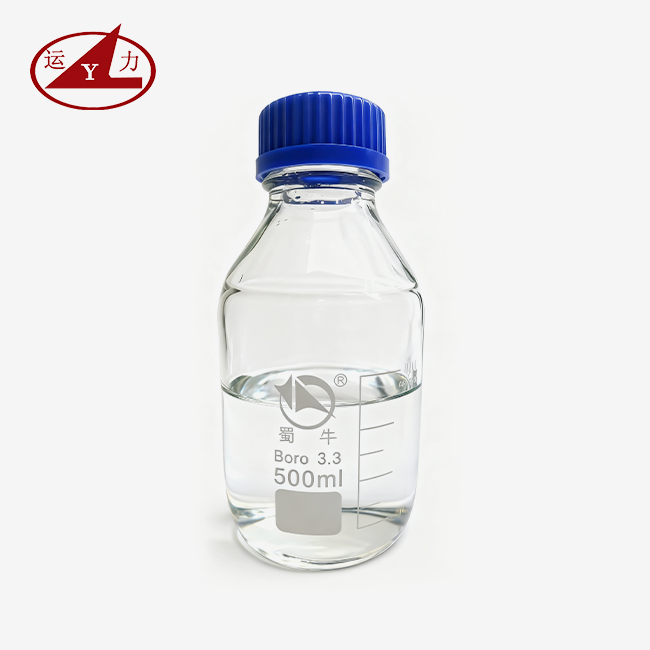
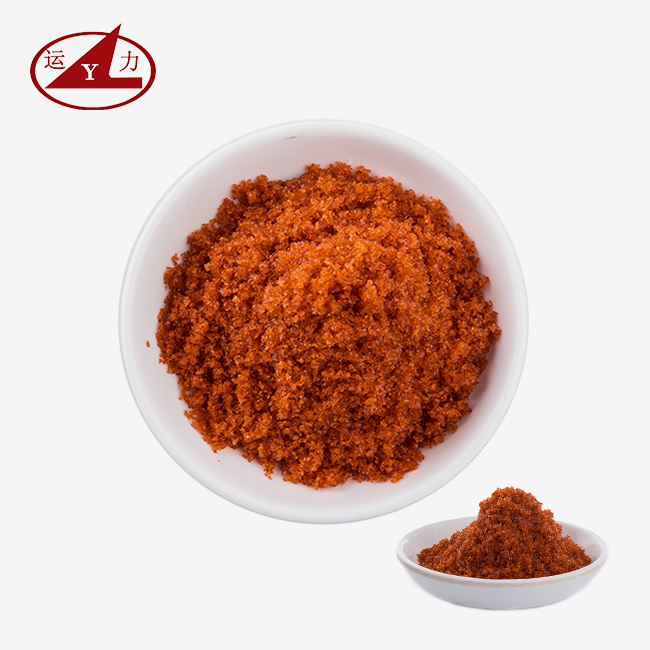
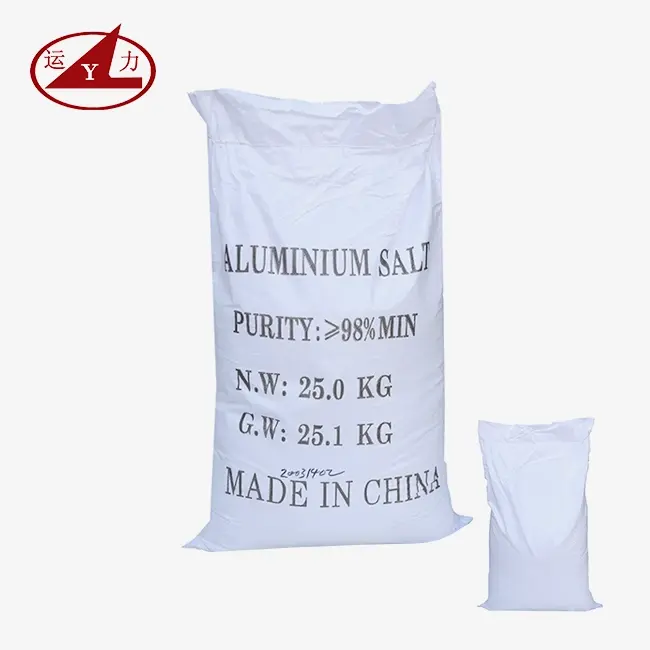
Aluminium Nitrate is a useful inorganic compound that is made up of aluminum ions linked to nitrate groups. Its chemical formula is Al(NO₃)₃. Aluminium Nitrate Nonahydrate (Al(NO₃)₃·9H₂O, CAS No. 7784-27-2) is the form of the chemical that you will most likely find in shops. There are 375.13 g/mol of it in its crystal structure, which means that it has nine water molecules built into it. This white, crystalline salt that soaks up water is a key ingredient in many fields, from coloring clothes to making catalysts for oil. Buyers and technical experts can make better decisions about how to meet purity standards, make sure products work well together, and keep the supply chain going easily when they know exactly what it is made of.
Understanding Aluminum Nitrate: Composition and Chemical Properties
The Chemical Formula and Molecular Structure
Aluminium Nitrate is made up of three nitrate anions (NO₃⁻) and one trivalent aluminum ion (Al³⁺). This is how the formula is written: Al(NO₃)₃. Aluminium Nitrate Nonahydrate has a molecular weight of 375.13 g/mol when it is fully wet. There are nine water molecules (9H₂O) in each chemical unit. It's very important to know this hydration state because the water molecules keep the crystal structure steady and change how well the chemical dissolves in water. There are times when acidity and oxidation are both useful, and this chemical is great for those situations. The aluminum center is strongly Lewis acidic, and the nitrate groups are strongly oxidizing.
Physical Properties and Thermal Behavior
Aluminium Nitrate Nonahydrate is a white, solid substance that really wants to take in water from the air but can't. At about 73.9°C, the molecule melts and breaks down in the water that it was crystallizing in. Around 150°C, the heat starts to break it down. Oxides of nitrogen and water gas are released when things break down, leaving behind Al₂O₃. This temperature range is very important when controlled breakdown creates alumina structures with a lot of surface area, like in the production of catalyst supports.
Solubility is another important thing to look at. The chemical is easily dissolved in water (64 g per 100 mL at 25°C). When the aluminum ions break down, the water turns into an acidic liquid. Still, it doesn't dissolve well in alcohols and ethylene glycol, which limits the ways it can be formed in organic synthesis settings. It is important to know how to handle water-based items properly because they can hurt the skin and break down over time.
Comparative Analysis with Related Compounds
There are times when Aluminium Nitrate is better for business than aluminum sulfate (alum) or aluminum chloride. It is possible for aluminum sulfate to leave behind sulfate that can stop some catalytic processes from working or make it necessary to wash clothes many times. The chloride ions that are added by aluminum chloride can damage machines and turn processing catalysts into poisons. When nitrate ions are broken down, they quickly turn into gaseous nitrogen oxides. This leaves very little trash behind and lowers the chance of halide exposure. Aluminium Nitrate is very useful for making industrial catalysts and processing nuclear fuel because it is very clean. Keeping impurities in check is important for both how well the process works and how well the end product is.
Industrial Applications and Benefits of Aluminum Nitrate
Catalyst Support Manufacturing
If you need to make catalyst supports for petroleum processing and hydrodesulfurization, Aluminium Nitrate is the best way to get aluminum. When heated to high temperatures, the substance's nitrate groups break down without leaving behind sulfates or chlorides, which are harmful and can stop metal catalysts from working. We get gamma-alumina matrices with a lot of surface area that work as catalysts for a long time. It is very helpful for companies that deal with heavy crude oils that the catalyst lasts a long time. This is because the rate of flow and the cost of maintenance are directly related.
Textile and Leather Processing
The compound functions effectively as a mordant in dyeing cotton and silk fabrics, forming coordinate bonds between dyes and fibers that improve color fastness and prevent bleeding during washing cycles. Aluminium Nitrate is used to make leather that lasts longer and takes dye in more evenly. It does this by keeping collagen structures stable while the hair is being dyed. The people who make high-quality leather for cars really like this material because it helps them meet the strict quality and colorfastness standards set by OEMs.
Nuclear Fuel Processing and Specialty Applications
In the process of getting nuclear fuel out of the ground, the material helps separate uranium from water and organic matter by salting them out. This makes the process of cleaning work better. Aluminium Nitrate is also used to make aluminum salts for electronics, recipes for cleaning water, and materials that glow in the dark for lights. These different uses show how useful and important it is to know how pure different kinds of products are chemically. Buying teams can make sure that the things they buy meet the needs of specific uses by knowing about product grades such as Aluminium Nitrate.
Industrial-grade materials that are at least 98.0% pure can be used for textiles and general catalyst tasks. Electronic-grade materials are very pure (≥99.9%), which is below the tight limits of impurities needed to make electronics and batteries. Picking the correct grades based on iron content (<0.01%), heavy metal levels (<0.005%), and particle size distribution has a direct impact on how well the final product works and meets legal requirements.
Production and Synthesis of Aluminum Nitrate
Industrial Manufacturing Processes
An important way to make chemicals for business is to mix aluminum metal with nitric acid (HNO₃) or aluminum hydroxide (Al(OH)₃). The equation below shows that the process gives off heat:
Al(OH)₃ + 3HNO₃ → Al(NO₃)₃ + 3H₂O
When you mix an acid with a base, you get Aluminium Nitrate in solution. To get the nonahydrate form, this can then be sped up and hardened. Aluminum oxide (Al₂O₃) can be used as a starting material in other ways, but it needs more acid and to be heated up more. When it comes to iron and silicon contamination, the choice of raw materials and reaction conditions makes a big difference in how pure the end product is.
Quality Control Parameters and Innovations
Today's companies have strict quality control processes that make sure the particles are always clean, have the same amount of moisture, and are spread out evenly in size. It is possible to measure small metal elements very carefully with tools like ICP-MS (Inductively Coupled Plasma Mass Spectrometry) and atomic absorption spectrometry. Companies that want to sell high-purity goods spend a lot of money on waste acid recovery systems and special ways to handle their goods. These systems help them make more money and are better for the earth at the same time.
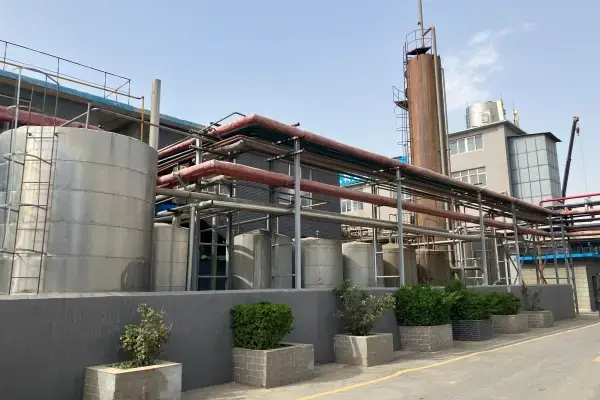
Closed-loop methods for reusing nitric acid and getting rid of nitrogen oxides are at the center of new technologies that help protect the climate. The cost of making things goes down with these new ideas, and it's also easier for companies to follow the rules. A province technology center that has been in business for more than 20 years is Yunli Chemical. They have developed mature environmental management systems that keep product quality stable and follow strict environmental laws. They can make 4N-grade (99.99% pure) high-purity materials, which makes them a reliable partner for businesses in the medicine, technology, and advanced manufacturing fields that need to keep impurities under control.
Handling, Storage, and Safety Considerations
Personal Protective Equipment and Handling Precautions
Aluminium Nitrate Nonahydrate is tricky to work with and needs to be taken care of. The mix is a Class 5.1 oxidizing substance (UN 1438, Packing Group III), which means it can make fires with flammable materials worse. The workers should wear gloves, safety glasses, and protection clothing that can handle chemicals so that the compound doesn't touch their skin. The acidic and oxidizing nature of the compound can hurt the skin. It is important that there is enough air flow in work areas to catch the nitrogen oxide fumes that are released when things heat up and break down.
Storage Conditions and Stability
The material soaks up water, so it needs to be kept in containers that can't hold water and are tightly sealed. Containers with plastic inner shells are ideal. This will keep the air in the building cool and dry, with a relative humidity below 60%. This will stop caking and deliquescence. In order to keep things from interacting with each other, oxidizers must be kept away from living materials, reducing agents, and things that can catch fire. Things will stay stable for a long time if you store them correctly. But you should check the quality every so often to make sure that the level of cleanliness hasn't changed because of the wetness absorption.
International Shipping and Environmental Compliance
Under the IMDG (sea), IATA (air), and ADR (road) systems, international rules for dangerous goods say that Aluminium Nitrate must be properly labeled, packed, and come with the right papers. Safety Data Sheets (SDS), Certificates of Analysis (COA), and environmental compliance paperwork must be sent with goods so that customs can clear them more quickly and safely. This is to make sure that the facilities that receive the goods can also handle them safely. There are rules in your area about how to get rid of old or dirty things. Most of the time, this means treating it with acidic liquids to neutralize it before throwing it away.
Procurement Guide for Aluminum Nitrate: Choosing the Right Supplier and Product
Supplier Evaluation Criteria
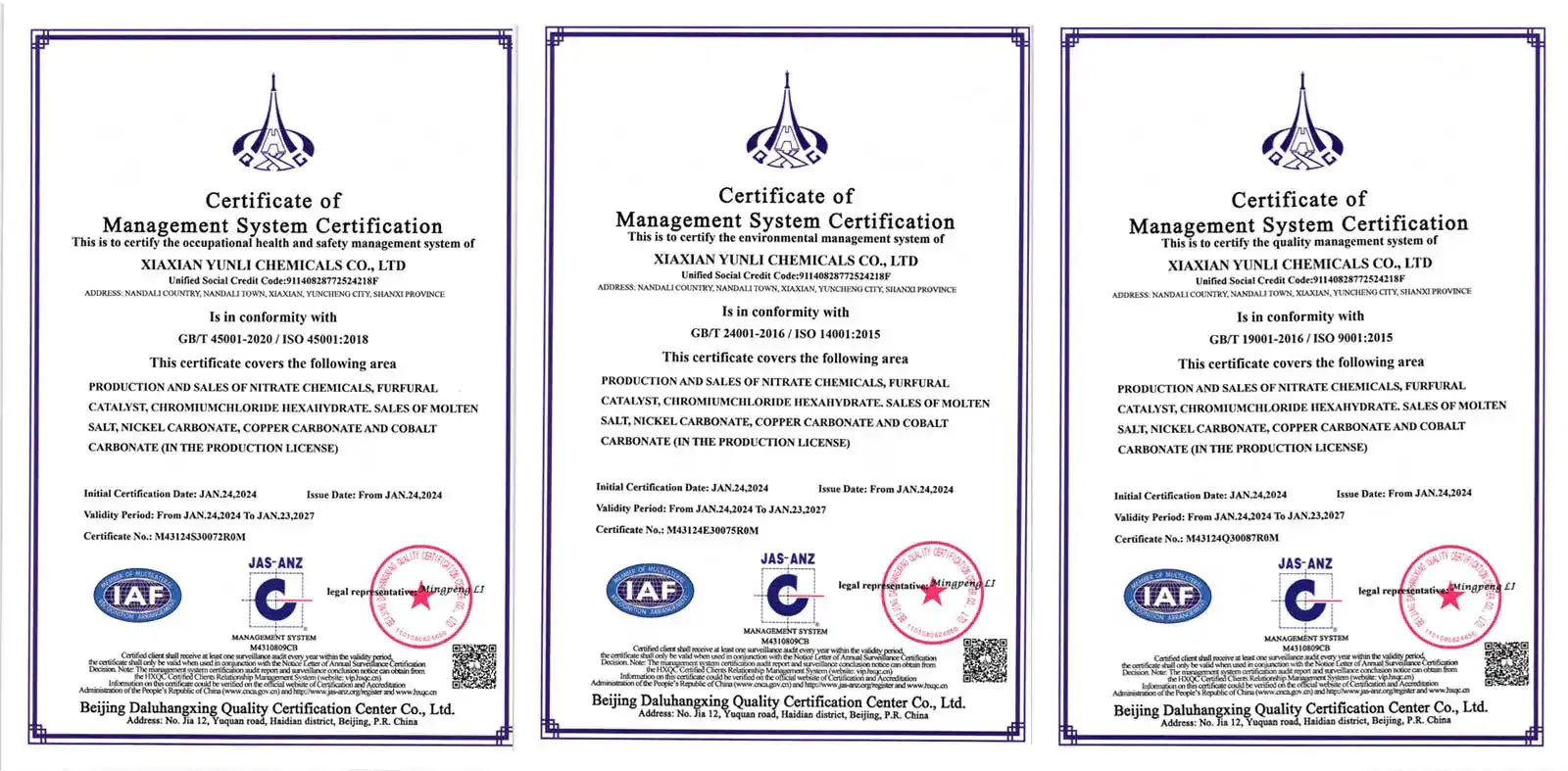
More than just the unit price is what you need to look for in a reliable service when sourcing Aluminium Nitrate. It's clear that a seller cares about quality and following the rules if they have certifications like ISO 9001 (quality management), ISO 14001 (environmental management), and OHSAS for workplace health and safety standards. Some well-known companies have labels that say they are a state or national technology center. These labels show that the company does advanced research and development and can make products that fit specific needs.
Having enough money is another important thing to think about. Suppliers who make more than 1 billion RMB a year and have a lot of fixed assets are less likely to have supply gaps, especially when rules or raw materials change. A company that has been in business for at least 20 years has been strong through many business changes and has learned how to deal with difficult production problems.
Pricing Dynamics and Contract Negotiation
Even though cost per kilogram is still important, procurement workers need to look at the total cost of ownership, which includes things like quality that is always the same, technical help, and shipping that always works. There are a lot of different minimum order quantities (MOQ) in the market. When a manufacturer has an open MOQ and offers free samples (up to 500 grams), seller approval trials are less risky. When you make your predictions about buying and cash flow, they should line up with the payment terms, volume discounts, and long-term contract benefits.
When you buy from a factory, you skip the markups that come from brokers. You can also get in touch with the factory more quickly if you have technical questions or concerns about the quality. Suppliers who run their own export teams can make sure that the target market's needs are met in terms of packaging, labels, and changes to the content of liquid mixtures. Delivery times depend on how much can be made and how well the system for moving things around works. The best companies always keep extra stock on hand so they can ship fast, even when demand is high.
Documentation and Traceability
Having a lot of paperwork helps your supply chain follow the rules and make sure the goods are of good quality. Certificates of Analysis should always be given by suppliers. These should be unique for each batch-specific batch and show the goods' physical properties, impurity profiles, and level of purity. Material Safety Data Sheets that are compatible with the GHS (Globally Harmonized System) make it easier to teach people how to handle things safely and make plans for what to do in case of an emergency. When there are problems with the quality of a product, traceability systems quickly find the sources of the raw materials that were used in that production batch.
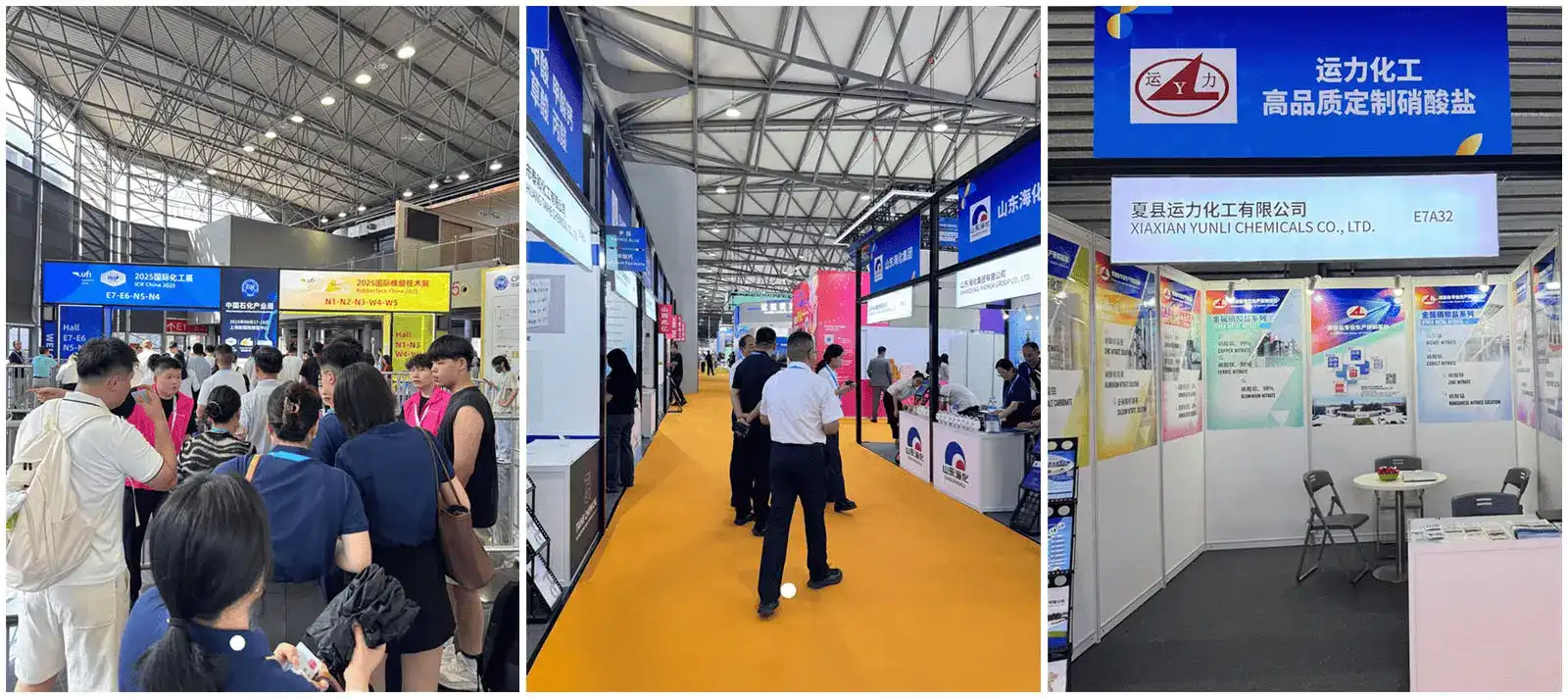
Yunli Chemical is a great example of these best practices because it has management systems that are ISO-certified, a local technology center, and exports that go straight from the plant. For more than 20 years, the business has been making things. It brings in more than 1 billion RMB a year and has 300 million RMB in fixed assets. A steady supply base with strict quality control is something that it can give B2B clients. Their advanced analysis lab, which has ICP-MS and atomic absorption spectrometers, makes sure that the right impurity samples are taken, and their environmental infrastructure fully treats both Aluminium Nitrate wastewater and exhaust gas. When you have technical know-how, financial power, and care for the environment, you lower risks in the supply chain and help partnerships grow over time.
Conclusion
You need to know more about Aluminium Nitrate than just its chemical formula. You need to know how its molecular structure affects its physical properties, how it responds to heat, and how well it works in industry. Aluminium Nitrate Nonahydrate is very useful for making specialty chemicals, textile processing, and catalysts because of its unique structure, which blends the Lewis acidity of aluminum with the oxidizing property of nitrate. When you buy something, you shouldn't just look at price; you should also look at the provider's quality standards, production security, environmental compliance, and the skills of their customer service staff. Putting these things in order of how important they are helps technical experts and buying managers get materials that they can rely on, which improves work efficiency and cuts costs over time.
FAQ
What exactly is Aluminium Nitrate composed of?
Aluminium Nitrate is made up of aluminum cations (Al³⁺) and nitrate anions (NO₃⁻). Al(NO₃)₃·9H₂O is the most common form of it. Each chemical unit has nine water molecules in it. Because of how it is made, this chemical is hygroscopic and can absorb a lot of water.
Why does iron content matter in Aluminium Nitrate?
The quality of the item goes down when iron specks change the color of leather and fabrics. When it comes to catalytic processes, iron is like a poison that makes the catalyst less active and specific. High-end types keep the iron amount below 0.005% to avoid these issues.
Can Aluminium Nitrate replace aluminum sulfate?
Yes, especially when sulfate ions are not wanted. Nitrates are easy to break down into oxides and nitrogen gases, but sulfates leave behind residues that need to be completely cleaned away. This is why Aluminium Nitrate is better for making catalysts and some types of paper.
What storage conditions prevent caking?
Store in cases that are tightly sealed and wrapped with plastic to keep out moisture. Make sure the cases are cool and dry, with a relative humidity below 60%. It can cause fire, so keep it away from things that can catch fire.
How should thermal decomposition be managed?
Air scrubbers are needed because things that break down above 135°C give off nitrogen smells. People who work with things that need to be warm must have the right tools for airflow and emissions.
Partner with Yunli Chemical for Reliable Aluminium Nitrate Supply
As evidenced by their ISO 9001, ISO 14001, and OHSAS certifications, Yunli Chemical has been offering stable quality Aluminium Nitrate to industry customers for more than 20 years. Our provincial technology center uses cutting-edge ICP-MS and atomic absorption analyzers to make both commonly used and very pure 4N-grade materials. As a direct manufacturer of Aluminium Nitrate with factory-based shipping operations, we cut out the middlemen and provide customized packaging, aqueous solutions in various concentrations, and free samples of up to 500 grams. We have a strong financial base with yearly sales of more than 1 billion RMB and fixed assets worth 300 million RMB. This makes sure that we always have goods available. Contact wangjuan202301@outlook.com right away to talk about your specific needs and get technical documents like COA and MSDS.

References
1. Greenwood, N. N., & Earnshaw, A. (1997). Chemistry of the Elements (2nd ed.). Butterworth-Heinemann.
2. Kirk-Othmer. (2007). Encyclopedia of Chemical Technology (5th ed., Vol. 2). Wiley-Interscience.
3. Pradhan, J., Das, J., Das, S., & Thakur, R. S. (1999). Adsorption of hexavalent chromium from aqueous solution by using activated red mud. Journal of Colloid and Interface Science, 217(1), 137-141.
4. Auer, E., Freund, A., Pietsch, J., & Tacke, T. (1998). Carbons as supports for industrial precious metal catalysts. Applied Catalysis A: General, 173(2), 259-271.
5. Mishra, T., Mahato, D. K., & Aman, N. (2005). Study of removal of azo dye by functionalized multi-walled carbon nanotubes. Chemical Engineering Journal, 118(1-2), 81-84.
6. International Chemical Safety Cards (ICSC). (2010). Aluminium Nitrate Nonahydrate—ICSC: 1313. International Labour Organization.