


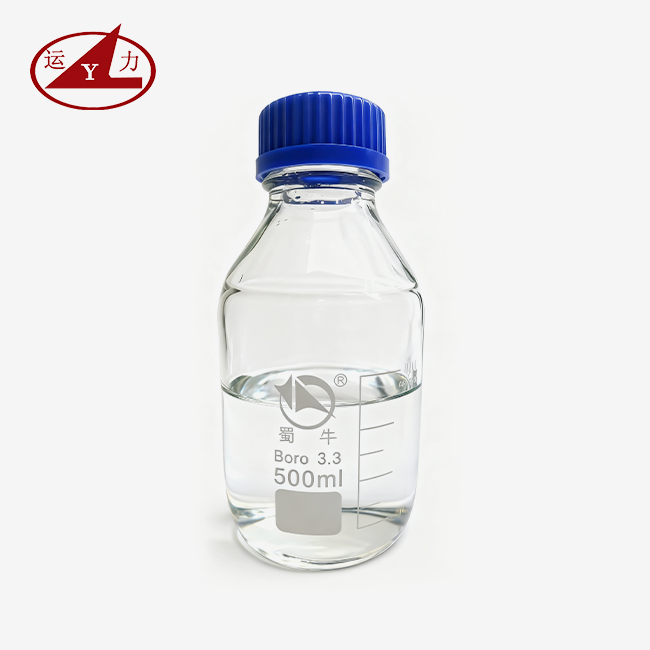
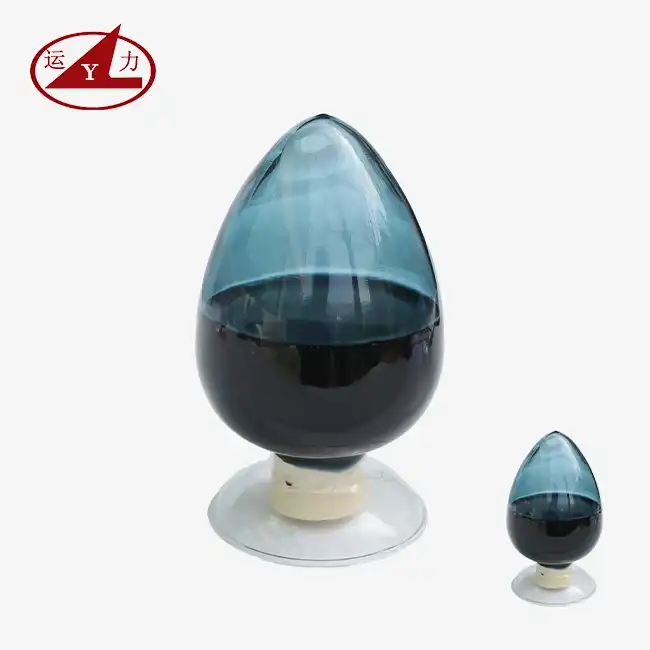
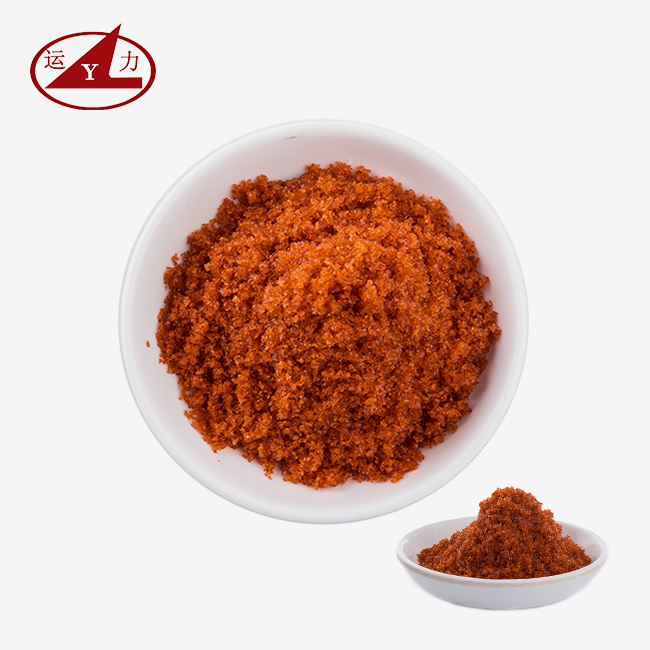
Why is chromium acetate red?
Chromium Acetate can be hard to understand for people who have never seen it before, especially when store-bought versions look blue- or grayish-green instead of clear red. Coordination chemistry, oxidation state, and solution chemistry are the key to the answer. A chromium (III) acetate complex has an ion called Cr³⁺ and acetate ligands all around it. Some colors of visible light are absorbed by these structures. Because of octahedral coordination, solid or hydrated forms can have reddish or violet tones. But industrial liquid solutions, like chromium acetate 50%, often look green. This is because the pH of the solution, interactions between water molecules, and partial hydrolysis all change the absorption spectrum. Procurement managers can tell how authentic and high-quality a product is by understanding this effect.
The color of chrome acetate is not only appealing, but it also acts as a quality indication. It is critical to understand what to look including in chromium-based compounds for electroplating, leather tanners textile dyeing, and catalyst manufacture. That way, you avoid expensive errors and your supply network always provides consistent, dependable raw materials.
Understanding Chromium Acetate: Chemical and Physical Properties
Molecular Structure and Its Impact on Optical Properties
Cr oxalate (CAS 1066-30-4) consists of compounds having the equation Cr(CH₃COO)₃. The weighed mass of each one is 229.13 grams. The Cr³⁺ ion works with water particles and acetate ligands to perform a job. This arrangement results in a geometry that governs the interaction of the material with light. Electrons present in the d-orbital regions that comprise the Cr³⁺ ion absorb specific wavelengths when photons impact the complex. This primarily occurs in the 580 Angstroms yellow-orange band.
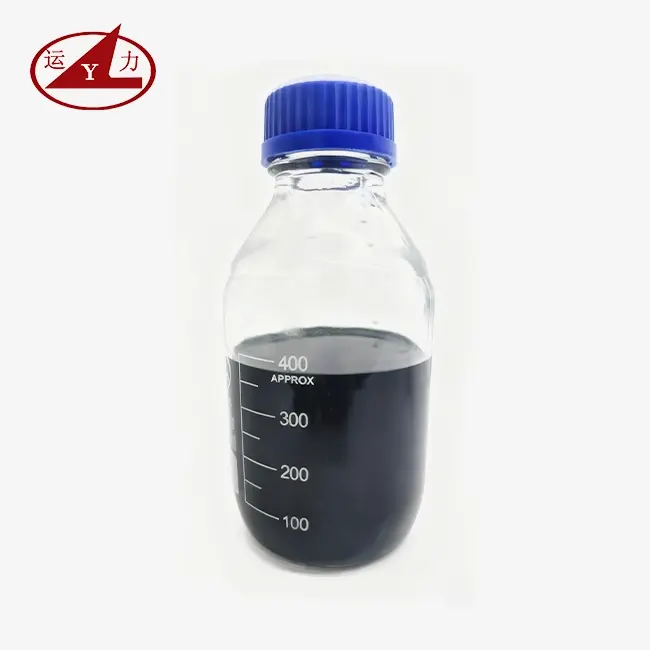
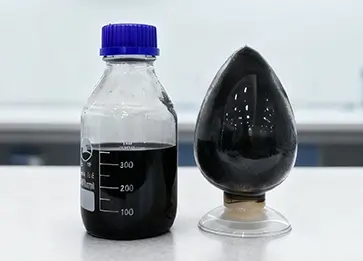
This is the reason why objects appear green or red, contingent upon the color scheme surrounding them: the color we perceive is the color that matches it. When the particles are firm and the structure contains less water, it is feasible to generate red or violet hues. Nevertheless, the absorption is altered by solutions that are aqueous and contain a high concentration of water molecules. This is the reason for the distinctive green or bluish-green color of industrial-grade chromium citrate 50% solution.
Solubility and Solution Behavior
Typically, industrial chrome acetate liquids have densities ranging from 1.25 with 1.35 g/cm³ and are completely soluble in water. These fluidities are crucial for the dyeing of clothing, as they ensure that the color is adequately distributed throughout the strands. The pH value of 3.5 to 4.5 prevents the formation of chromium hydroxide while still enabling planned reactions in industrial settings, thereby maintaining stability.
Color intensity can also be changed by temperature. Heating can make the greenish tone darker for a short time because it changes the hydration equilibrium. Changes may be small when the solution cools down. Storage conditions are critical. After being in light or high temperatures for a long time, it can discolor or polymerize, which changes its color and how it works. The product will stay stable for at least 12 months if it is stored properly in opaque, tightly sealed containers.
Quality Indicators Visible Through Color
Quality issues are indicated by color differences, as acknowledged by seasoned procurement specialists. A solution that appeared unusually pallid may be indicative of dilution or an insufficient amount of Cr³⁺. Conversely, brown tints may indicate that the substance has been contaminated with iron or has changed into chromium a hazardous chemical. A rapid preliminary screening is conducted prior to the formal COA verification by requesting samples from various sources and comparing their appearance to approved quantities.
Comparative Analysis: Chromium Acetate vs Other Chromium Compounds
Color Variations Across Chromium Salts
Chromium compounds come in many colors depending on the ligands they are paired with and their oxidation state:
Chromium chloride (CrCl₃) is generally bright green in hydrated forms, indicating strong interactions with chloride ligands. It has worse color stability than its acetate cousins and tends to produce hygroscopic crystals that stay together when wet.
Chromium sulfate [Cr₂(SO₄)₃], often used in leather tanning, appears violet or greenish-blue. The bigger sulfate ion has an alternate electronic structure, which alters the ligand field and modifies the absorption of light.
Chromium nitro [Cr(NO₃)₃] dissolves in a deep purple violet liquids since the nitrogen ion does not work together as strongly as acetyl. However, its unsteadiness and corrosive properties restrict its industrial applicability.
Chromium picolinate is often found in dietary supplements. Because the volatile picolinate derived ligand is bound, it appears reddish-purple. Most industrial procedures do not operate well via this organic ligand because of its unique optical characteristics.
Among these, Chromium Acetate balances stability, reactivity, and safety. The acetate ligand provides moderate coordination strength, enabling the controlled release of Cr³⁺ ions during catalysis or mordanting without the corrosion risks of chloride or the instability of nitrate.
Industrial Grade and Color Consistency
Purity has a direct impact on how consistent the color is. Technical-grade goods may include 5-10% contaminants, such as calcium, magnesium, iron or sulphate, which muddy looks and create undesirable responses. Pharmaceutical or laboratory grades (≥98% purity) provide cleaner and more predictable hues, making them ideal for quality-sensitive applications.
At Yunli Chemical Co., we keep iron levels below thirty milligrams and chloride levels under 50 ppm. This results in a uniform grayish-green hue among our 50% solution. Precision is important for synthesizing catalysts, whereby trace metals may poison active sites, and in textile applying dye, where impurities create uneven color absorption. Buyers should constantly compare visual appearance to COA data that includes heavy metals (≤5 mg Pb, Cd, As) along with no acidity.
The Synthesis and Quality Control of Chromium Acetate
Industrial Production Methods
Most Chromium Acetate is synthesized via the reaction of chromium hydroxide with acetic acid:
Cr(OH)₃ + 3CH₃COOH → Cr(CH₃COO)₃ + 3H₂O
This method enables the precise regulation of pH and stoichiometry. In order to prevent contaminants, the starting substance—chromium hydroxide formed by chromite ore conversion and glacier acetic acid—must adhere to purity standards. The integrity of the final product is safeguarded by meticulous neutralization, which is necessary to prevent excess acid or unprocessed hydroxide from influencing the reaction at moderate temperatures (60-80°C).
Closed-loop systems are implemented by advanced manufacturers such as Yunli Chemical for the reuse and recycling acetic acid, thereby mitigating the environmental impact. Batch-to-batch consistency is guaranteed through ongoing surveillance of pH, heat, and reaction time. This is essential for clients who rely on consistent catalyst effectiveness in petrochemical processes or predictable gelation durations in hydrocarbon recovery.
Quality Metrics That Matter to Buyers
Pay attention to these parameters when reviewing a supplier's COA:
• Cr³⁺ content: Industrial solutions should deliver 50% ± 2%, corresponding to 11.0-11.5% Cr₂O₃. Lower values indicate dilution or incomplete conversion.
• pH range (3.5-4.5): Outside this range, precipitation or excessive acidity compromises usability.
• Heavy metals: Combined levels of lead, cadmium, and arsenic must remain below 5 ppm to meet REACH and RoHS standards.
• Chloride and sulfate: High levels (>50 ppm chloride, >100 ppm sulfate) suggest raw material contamination or poor process control, leading to corrosion risks in stainless steel equipment.
MSDS documentation should clearly outline handling precautions, first-aid measures, and disposal procedures. Reputable suppliers provide multilingual MSDS compliant with GHS labeling, facilitating global shipments and regulatory approvals.
Interpreting Visual and Analytical Data Together
A slight color variation between batches of Chromium Acetate isn't necessarily a red flag—minor shifts occur due to hydration state or slight pH differences—but dramatic changes warrant investigation. Coupling visual assessment with spectrophotometric analysis (measuring absorbance at 580 nm) offers objective quality verification. Buyers managing long-term contracts should establish acceptable color ranges for Chromium Acetate through initial trials and require suppliers to maintain those standards across deliveries.

Safety, Toxicity, and Regulatory Considerations
Chromium (III) vs Chromium (VI): Understanding the Difference
Public concern about chromium often stems from hexavalent chromium (Cr⁶⁺), a known carcinogen and environmental hazard. Chromium (III), including acetate forms, exhibits far lower toxicity. Cr³⁺ is an essential trace nutrient involved in glucose metabolism, and occupational exposure limits are significantly higher than for hexavalent forms.
Nevertheless, proper handling remains essential. Prolonged skin contact may cause mild irritation, and inhalation of concentrated vapors can irritate respiratory passages. Industrial hygiene protocols—including gloves, eye protection, and adequate ventilation—minimize risks during transfer, mixing, or storage operations.
Regulatory Frameworks Governing Chromium Compounds
REACH (Registration, Evaluation, Authorization, and Registration of Chemicals): European rules demand thorough dossiers that demonstrate safe usage. Chromium (III) substances have been registered, thus allowing for continuing commerce; nevertheless, purchasers must ensure that suppliers maintain current registrations and give downstream user instructions.
RoHS (Restriction of Toxic Substances) limits the use of Cr⁶⁺ in electronics and other manufactured items. Using Chromium Acetate as electroplating or catalyst synthesis helps businesses comply by removing chromium hexavalent from supply chains.
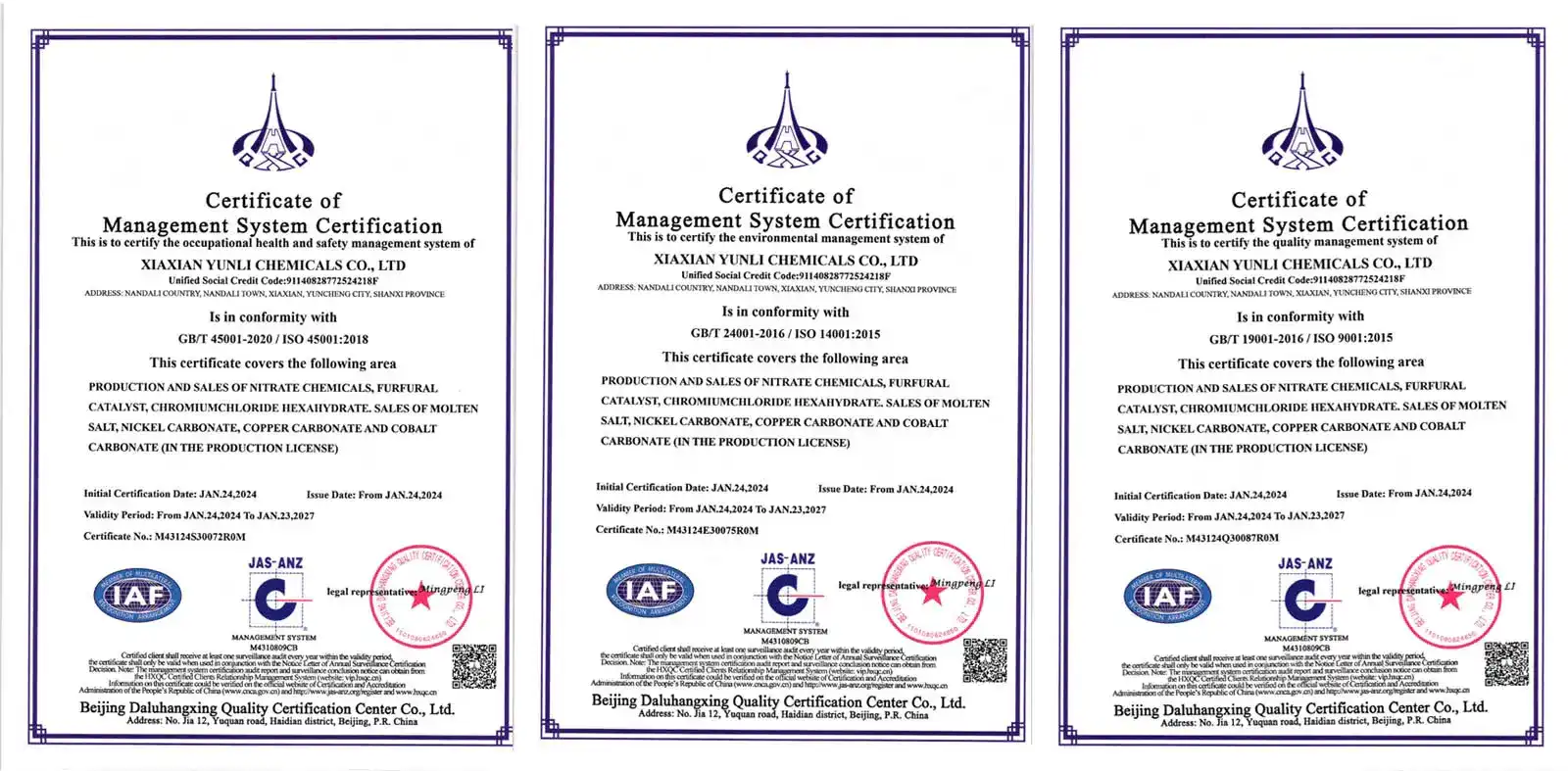
ISO certifications: Suppliers accredited under ISO 9001 (such as quality leadership), ISO 14001 (environmental managing), and OHSAS 18001 (occupational and health) exhibit systematic procedures that reduce contamination overall worker exposure risk. Yunli Chemical has all three certifications, which are confirmed by yearly audits by certified agencies.
Documentation Requirements for Global Trade
Cross-border shipments need appropriate categorization under HS codes (often 2915.29 for acetates), adequate UN packaging (generally Class 8 corrosives) and hazardous shipping documents. Customs clearance is facilitated when suppliers are knowledgeable about export logistics and give pre-filled declaration forms, emergency response documentation, and specific country compliance statements. Incomplete documentation may cause weeks-long delays in shipments, interrupting manufacturing plans and undermining confidence.

Procurement Insights for Chromium Acetate
Identifying Trustworthy Suppliers
The global Chromium Acetate market includes manufacturers, distributors, and traders, each offering different value propositions. Direct manufacturers typically provide better pricing for tonnage orders, customizable formulations (40-60% concentration), and technical support. Distributors offer convenience—smaller MOQs, faster delivery—but at higher unit costs.
Key supplier evaluation criteria include:
• Production capacity and consistency: Can the supplier meet your annual volume without quality drift? Request references from existing customers.
• Technical expertise: Do they employ chemists who understand your application? Suppliers offering free sample testing and process optimization add significant value.
• Certifications and audits: ISO registration, REACH dossiers, and third-party audits (SGS, Intertek) validate claims about quality and compliance.
• Communication and responsiveness: Language barriers and slow email replies frustrate procurement cycles. Evaluate responsiveness during initial inquiries as a predictor of service quality.
Pricing Dynamics and MOQ Considerations
Pricing varies according on raw material costs (especially chromite or and acetic acid) and energy prices, which impact manufacturing. Bulk purchasers that negotiate yearly contracts may lock in competitive pricing, but spot purchases expose them to market instability. According to current market statistics, technical-grade 50% solutions cost $1,200 to one thousand eight hundred dollars per metric ton FOB China, whereas pharmaceutical grades attract 20-30% premiums.
Minimum order amounts vary: large-scale producers may demand 10-20 tons each shipment, whilst specialist suppliers such as Yunli Chemical would accept lower first purchases (1-5 tons) to assist experiments. This flexibility lowers your initial investment while testing product fit.
Logistics and Packaging Options
Products are supplied in HDPE barrels (25 kg and 200 kg), IBC bags (1000 L), and bulk ships for high-volume consumers. Packaging selection influences unit costs—bulk delivery saves waste materials and labor but necessitates on-site storage facilities. Drums provide flexibility for smaller enterprises or multi-site distribution.
Temperature management (prevent freezing, which may induce crystallization) and compliance with corrosive liquid shipping laws are two important factors during transit. Reputable vendors provide full-service logistics, such as transportation, insurance, the customs brokerage, easing supply chain management.
Conclusion
The reddish or greenish hue of Chromium Acetate is caused by complicated interactions between the chromium ions, acetate compounds, and water molecules. While solid forms may seem red or violet, manufacturing aqueous solutions at 50% concentration often appear grayish-green or bluish-green owing to hydration as well as pH conditions. Recognizing these variances enables procurement managers to verify product authenticity, identify contamination, and maintain consistent supply quality. When compared to other salts, this chemical has clear benefits in terms of stability, safety, economic performance. Effective sourcing necessitates a focus on synthesis methodologies, quality control, compliance with laws and regulations, and supplier reliability—all of which ultimately determine operational performance throughout your supply chain.
FAQ
Why does chromium acetate appear green in solution rather than red?
Aqueous chromium acetate solutions appear grayish-green or bluish-green because water molecules coordinate with the Cr³⁺ ion, altering its electronic environment. This changes the wavelengths of light absorbed compared to solid crystalline forms, which may show reddish or violet tones. Solution pH, concentration, and temperature further influence the observed color.
What purity grade of chromium acetate is suitable for textile dyeing?
Technical-grade chromium acetate with ≥50% Cr³⁺ content and controlled impurities (iron <30 ppm, chloride <50 ppm) suffices for most textile mordanting applications. Higher-purity grades improve color consistency and reduce fiber damage, making them preferable for premium fabrics like silk or specialty synthetics.
How can I verify the authenticity of chromium acetate from a new supplier?
Request a Certificate of Analysis detailing Cr³⁺ content, pH, density, and heavy metals. Compare sample appearance against established standards, and conduct a simple reactivity test—mixing with polyacrylamide should produce gelation within expected timeframes. Third-party lab analysis confirms specifications if discrepancies arise.

Partner with Yunli Chemical for Reliable Chromium Acetate Supply
Sourcing high-quality Chromium Acetate demands a supplier combining technical expertise, rigorous quality control, and proven reliability. Yunli Chemical, established in 2005, operates a provincial-level enterprise technology center certified under ISO 9001, ISO 14001, and OHSAS standards. Our chromium acetate 50% solution delivers consistent Cr³⁺ content (50% ± 2%), ultra-low impurities (iron <30 ppm, heavy metals ≤5 ppm), and pH stability (3.5-4.5) essential for demanding applications in electroplating, catalyst manufacturing, and textile processing. We maintain annual sales exceeding RMB 1 billion and fixed assets of RMB 300 million, ensuring uninterrupted supply even during market disruptions.
As a direct manufacturer, we eliminate middlemen, offering competitive pricing, flexible MOQs, and customizable formulations (40-60% concentration, adjusted viscosity). Free samples up to 500 grams allow thorough evaluation before commitment. Our self-operated export team handles REACH, RoHS documentation and full logistics support, simplifying your procurement process. Contact our technical team at wangjuan202301@outlook.com to discuss your specific requirements, request COA and MSDS documentation, or arrange trial shipments that demonstrate why leading enterprises trust Yunli Chemical for their chromium compound needs.
References
1. Cotton, F. A., & Wilkinson, G. (1988). Advanced Inorganic Chemistry (5th ed.). John Wiley & Sons, New York.
2. Moeller, T., & Schlessinger, G. (1965). Chemistry with Inorganic Qualitative Analysis (2nd ed.). Academic Press, New York.
3. Greenwood, N. N., & Earnshaw, A. (1997). Chemistry of the Elements (2nd ed.). Butterworth-Heinemann, Oxford.
4. Weast, R. C. (Ed.). (1984). CRC Handbook of Chemistry and Physics (64th ed.). CRC Press, Boca Raton.
5. Merck Index Editorial Board. (2006). The Merck Index: An Encyclopedia of Chemicals, Drugs, and Biologicals (14th ed.). Merck & Co., Whitehouse Station.
6. Kirk, R. E., & Othmer, D. F. (Eds.). (1995). Encyclopedia of Chemical Technology (4th ed., Vol. 7). John Wiley & Sons, New York.