


What is calcium nitrite used for in construction?
Calcium Nitrite is the best anodic corrosion inhibitor for reinforced concrete because it stops chloride from corroding the steel support that is buried in the concrete. This chemical works by creating a stable ferric oxide passive layer on the surfaces of rebar. This makes buildings that are exposed to de-icing salts, coastal settings, and salty soils last a lot longer. Calcium Nitrite not only stops rusting, but it also speeds up the setting of concrete without chloride. This makes it very useful for cold-weather concreting and high-strength uses. Its two functions solve one of the most expensive problems in infrastructure: "concrete cancer," which happens when steel corrodes and causes it to expand, crack, and spall, eventually causing the building to fail.
Comprehending Calcium Nitrite and Its Role in Construction
The Chemical Nature of Calcium Nitrite in Concrete Systems
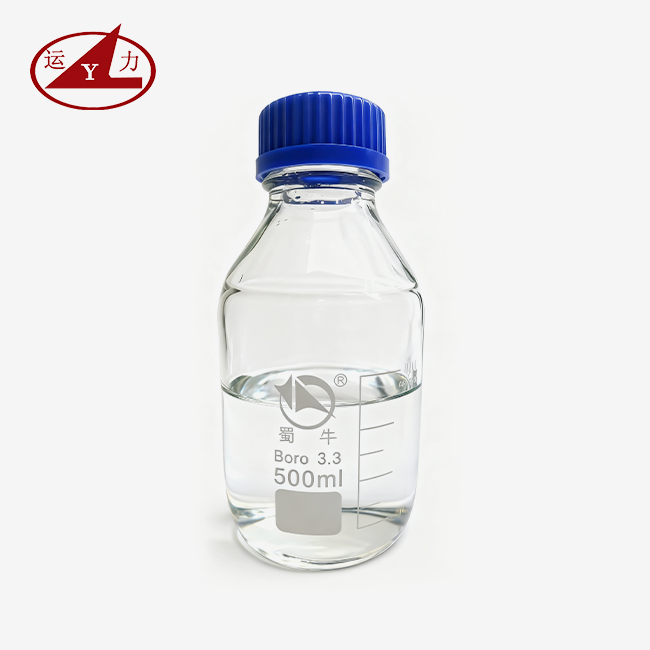
Calcium Nitrite (Ca(NO₂)₂) is a big step forward in the technology used to mix concrete. It spreads out evenly in the cement matrix when added to the concrete mix, usually as a 30% water solution. The combination works because it can move to the point where steel and concrete meet, where nitrite ions can interact directly with iron surfaces. This reaction changes ferrous ions (Fe²⁺) into ferric ions (Fe³⁺), which forms a solid, thick oxide film that protects the rebar from strong chloride attacks. In contrast to simple protective coats that can be damaged or not fully cover the surface, this chemical passivation protects the concrete continuously for its entire life.
The process is especially useful because it raises the chloride threshold—the amount of chloride ions needed to start corrosion—three to five times higher than in unprotected concrete. Structures near the coast or places that use a lot of de-icing salt will gain a lot from this increased protection. The solution's pH stays between 8.0 and 10.0, which is perfectly balanced with the naturally alkaline environment of Portland cement concrete. This means that there won't be any bad chemical reactions that could weaken the structure.
Safety Profile and Environmental Considerations
These days' Calcium Nitrite mixtures, especially the very pure ones with chloride levels below 0.05%, are very safe for both people and the environment. Sodium nitrite and other chemicals like it are more dangerous to handle, but this substance is not as dangerous. Standard personal safety equipment is enough for making and applying the solution, and at room temperature, the vapors don't pose any major risks. Waste management uses standard procedures for adding admixtures to concrete. Hardened concrete that contains Calcium Nitrite is not considered dangerous.
Environmental responsibility is becoming a bigger factor in choosing building materials. Calcium Nitrite makes a good contribution by increasing the longevity of structures, which lowers the carbon footprint that comes with tearing them down and starting over too soon. If this inhibitor is added to a bridge deck, it can last 75 years instead of 30. This saves the earth from the damage that comes from making new concrete, which causes about 8% of the world's CO2 emissions. Companies that care about the environment use closed-loop production systems to cut down on trash and make sure they follow the rules of the ISO 14001 Environmental Management System.
Key Applications of Calcium Nitrite in Reinforced Concrete
Transportation Infrastructure and Bridge Systems
Some of the worst corrosion situations happen in transportation systems. Bridge decks are constantly hit by cars, shake, and, most importantly, are exposed to chloride-rich de-icing salts in the winter. In the United States, state transportation offices often ask for Calcium Nitrite-based rust inhibitors when building new bridges or fixing up old ones. The amount of the inhibitor added to the concrete varies from 10 to 30 liters per cubic meter, based on how bad the outdoor environment is and how long the concrete needs to last.
Another important area of application is parking buildings. De-icing chemicals from roads are tracked into multi-level parking spaces all year, exposing them to salt. Repeated wetting and drying processes and the buildup of chloride make ideal conditions for reinforcement rust. Calcium Nitrite additives protect these structures and keep their good looks by stopping the rust stains and surface flaking that happen in garages that aren't handled. Case studies from big cities show that treated parking structures keep their structural scores 40–60% higher than control structures even after 20 years of use.
Marine and Coastal Construction Projects
Seawater, which has about 19,000 parts per million of chloride ions, is always attacking structures in marine habitats. Piers, wharves, seawalls, and platforms in the ocean need the strongest corrosion defense methods available. When concrete is constantly changing between wet and partly dry, like in tide and splash zones, Calcium Nitrite works really well. Normally, this cycling would speed up the rate of rusting, but the passivation layer made by nitrite ions stays stable even when the moisture level changes.
Asset longevity has gotten a lot better, according to port officials and marine building companies. After decades of use, concrete piles treated with high-purity Calcium Nitrite solutions show little rust, while nearby buildings that haven't been treated lose a lot of section and can't hold as much weight. Replacing a single pier system can cost millions of dollars and cause problems with port operations. Properly blocked concrete, on the other hand, keeps working for as long as the building is supposed to.
Precast Concrete Manufacturing
Calcium Nitrite is used in the precast concrete business to protect against rust and speed up production. Prestressed beams, architectural panels, utility vaults, and pipe sections are all examples of high-value precast elements that must meet strict longevity promises. These warranties usually cover 50 to 75 years of service. Corrosion inhibitors added during production give a product a competitive edge and lower guarantee claims. The compound's mild accelerating qualities also help precast operations by cutting down on curing times and speeding up the change of formwork, which directly improves the economics of production.
Liquid Calcium Nitrite solutions are liked by manufacturers because they make it easy to control quality and accuracy. Automated dosing systems make sure that all goods are protected in the same way by giving the right amount to each batch. Quality assurance tests make sure that the concentration of the inhibitors meets the requirements. Each package comes with full paperwork, such as certificates of analysis and material safety data sheets, which meets the needs of both internal quality management systems and user compliance requirements.
Comparing Calcium Nitrite with Alternative Corrosion Inhibitors
Calcium Nitrite vs. Sodium Nitrite: Chemical and Safety Differences
Calcium Nitrite and sodium nitrite are both anodic corrosion regulators, but they are not the same in important ways that make them better for different uses. Calcium Nitrite is safer than other chemicals because it is less reactive and has lower initial toxicity. As an irritant, sodium nitrite needs to be handled with more care and poses a greater risk while being stored and transported. The calcium-based formulation raises fewer worries about unintentional contact or release into the environment.
In terms of performance, Calcium Nitrite is more stable over time in concrete structures. The calcium cation doesn't stop the cement from hydration; instead, it helps make calcium hydroxide, which makes the concrete more naturally alkaline. Sodium nitrite might change the amount of sodium in the mix, which could change how easily the alkali-silica reaction (ASR) happens in concrete with reactive particles. Professional procurement managers know the difference between these types of inhibitors and only use calcium-based ones on projects where the extra safety and long-term performance make it worth it.
Cost-Benefit Analysis for Infrastructure Projects
The initial cost of materials is only a small part of the total cost of the job. A full cost-benefit study needs to take into account things like longer service life, less upkeep, and not having to buy new things. Depending on the amount used and the price in your area, Calcium Nitrite can add $50 to $150 per cubic meter to the cost of concrete. But the alternative—structural failure before its time—has much higher costs because it requires emergency fixes, causes traffic problems, and shortens the life of assets.
When transportation agencies do lifetime cost studies, they always find that stopping corrosion gives them returns on their investments that are more than 10 times. Over the course of its useful life, a bridge deck that needs an extra $200,000 for inhibitor treatment saves $3–5 million in repair costs. Specification trends are driven by economic facts. For example, in high-exposure areas, advanced agencies require corrosion inhibitors to be added to all reinforced concrete. Distributors in these areas keep Calcium Nitrite in a variety of packaging types so that it can be used for any job, from small fixes to large infrastructure improvements.
Procurement Guide for Calcium Nitrite: What B2B Buyers Need to Know?
Evaluating Suppliers and Quality Standards
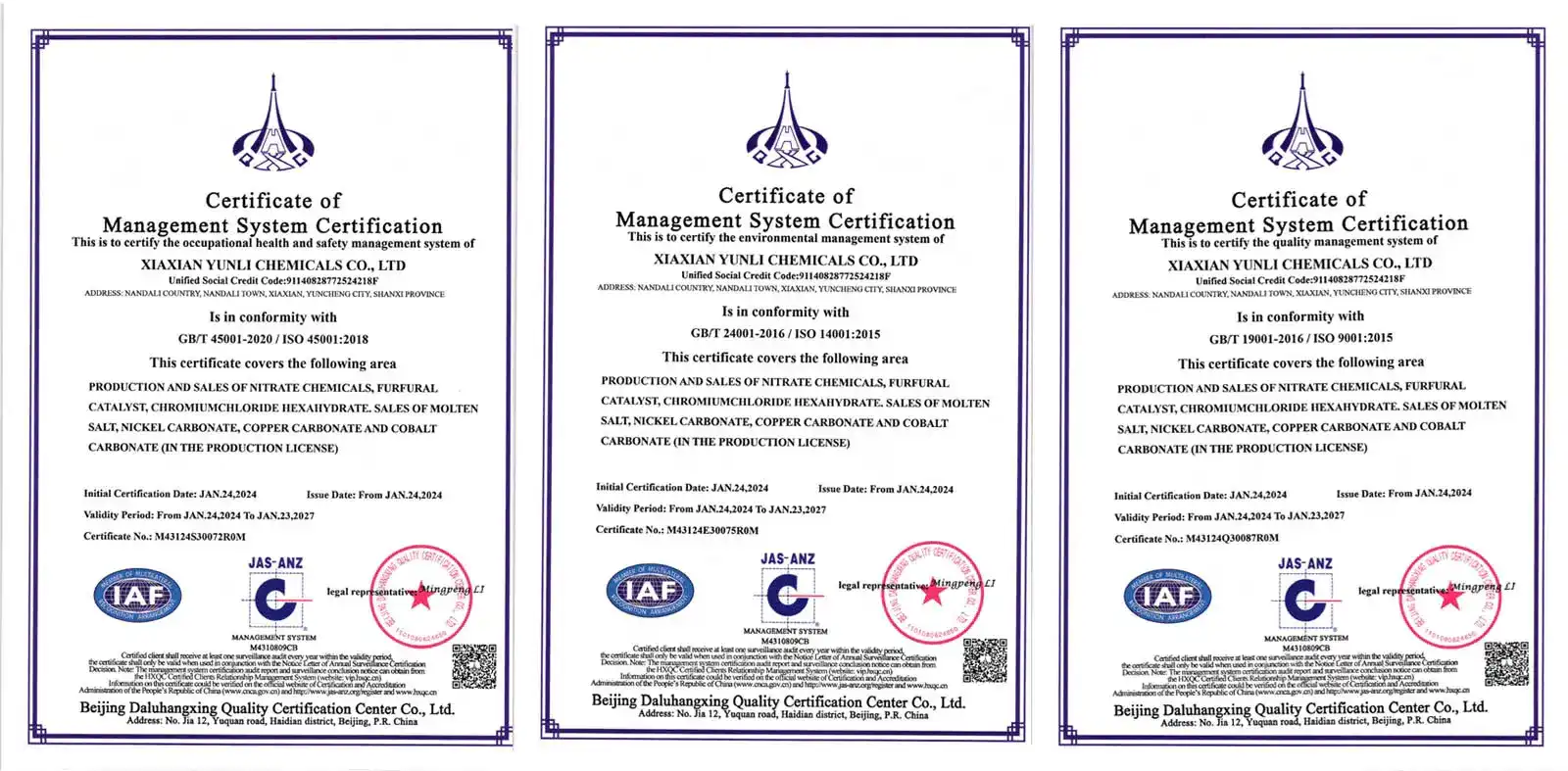
For business-to-business purchases of Calcium Nitrite, suppliers must be carefully evaluated. Manufacturing certifications are the first step toward quality. ISO 9001 Quality Management Systems make sure that production processes are uniform, and ISO 14001 Environmental Management approval proves that practices are good for the environment. Suppliers that work with industry and building markets should offer full expert support, such as help with formulation, dosage estimates, and checks to see if the product will work with project-specific additives.
Product quality has a direct effect on how well it works. If you use high-purity Calcium Nitrite that has less than 0.05% chloride, you won't accidentally add ions that help rust to the concrete. Reliable sellers include thorough certificates of analysis with every package. These certificates show the real chloride levels, specific gravity, pH, and amount of insoluble matter. Asbestos in concrete should be in line with ASTM C1582 guidelines for technical specs. Before committing to full orders, buyers should ask for sample packages. This lets the lab check that the specs are correct and do tests to see if the samples will work with the real mix designs.
Packaging, Logistics, and Minimum Order Quantities
Calcium Nitrite 30% solution is usually sold in more than one type of package to fit the needs of different project sizes. Large projects and concrete processes can use 1,000-liter intermediate bulk containers (IBCs) well. Large building projects that need dozens of cubic meters of material can use bulk tanker transport. Smaller amounts, like 200-liter drums or even lab samples, make tests and smaller uses possible. Flexible suppliers can meet different packing needs without setting huge minimum order numbers. They know that buyers may need test quantities before going up to production volumes.
Logistics issues include how long a product can be stored and when it needs to be delivered. Calcium Nitrite solutions stay steady for 12 to 24 months if they are kept in the right way, in containers that can't leak and out of direct sunlight and high temperatures. For just-in-time building plans, coordinating deliveries becomes very important. The trust that procurement managers need comes from suppliers who can distribute goods directly from the plant, run their own export operations, and have well-established logistics networks. Payment terms, bulk discounts, and rebate structures should be discussed openly, with the goal of building long-term partnerships instead of short-term deals.
Technical Support and Documentation Requirements
To successfully apply Calcium Nitrite, you need to do more than just buy the materials. Premium suppliers are different from basic suppliers because they offer technical support services like on-site training, troubleshooting, and performance proof. Formulation experts can help engineering teams find the best mixtures of additives or fix problems that come up out of the blue. This extra help is given by suppliers with technical offices and skilled chemical engineers, which helps customers get the best results.
Documentation needs for construction chemicals have grown around the world. Material traceability must be kept up to date for all projects. This includes batch numbers, test records, and compliance documents. Safety data sheets that meet the latest GHS standards must be used. There are more and more environmental product declarations (EPDs) and health product declarations (HPDs) in green building standards. Suppliers who provide full paperwork packages on a regular basis make project compliance easier and make buying easier, which is why repeat buyers who value operating efficiency choose those suppliers.

Conclusion
It has become clear that Calcium Nitrite is an important tool for protecting reinforced concrete structures from erosion caused by chloride. It meets important needs in the shipping, marine, and precast building industries because it can act as both a passivating inhibitor and a set accelerator. The combination has been shown to increase the useful life of structures by decades. This has big positive effects on the economy and the environment, so it is a smart investment for projects that want to last. Procurement managers and technical experts can be sure that Calcium Nitrite solutions will protect assets for a long time by carefully choosing suppliers, checking quality, and using the right methods. The material works well with modern concrete systems, and well-known makers offer full technical support, so it can be used successfully in a wide range of building projects.
FAQ
Is calcium nitrite safe to use in drinking water infrastructure?
Calcium Nitrite can be used in concrete buildings that may come into touch with drinking water as long as the application follows the rules and the right amount is used. The substance stays stuck inside the solid concrete and doesn't get into water in amounts that are dangerous. When used correctly, NSF/ANSI Standard 61 approval proves that it can be used for drinking water uses.
How do you determine the correct dosage for a specific project?
How much to give depends on how bad the contact is, how long the product needs to last, and how much salt it contains. Mild environments might need 10 to 15 liters per cubic meter, but harsh sea environments need 25 to 30 liters per cubic meter. Talking to the technical team of the material provider, taking into account the specifics of the project, and using ASTM C1582 testing procedures will help you choose the right dosage for the best security.
Can calcium nitrite be used with other concrete admixtures?
Most popular concrete additives, such as water reducers, superplasticizers, air-entraining agents, and additional cementitious materials, work well with Calcium Nitrite. If you want to make sure that adding more than one chemical addition won't hurt the workability, setting time, or strength development of the concrete, you should test their compatibility first.
Partner with Yunli Chemical for Premium Calcium Nitrite Solutions
To fix your infrastructure rusting problems, you need a Calcium Nitrite producer you can trust, with a track record of success and strict quality standards. Yunli Chemical has been making specialized chemicals for more than 20 years and provides Calcium Nitrite products that meet the tightest purity standards to demanding industry clients. Our advanced testing tools, such as ICP-MS and atomic absorption spectrometry, and provincial-level business technology center make sure that every batch performs consistently and consistently has a chloride content below 0.05%.
We give you all the paperwork you need to be compliant, like MSDS, COA, and environmental licenses, which speeds up the buying process. With factory-direct supply, there are no markups for middlemen, and inventory stays stable for both full-tonnage sales and flexible trial amounts. You can check to see if the free samples (up to 500 grams) work with your concrete systems before you buy bigger amounts. Get in touch with our technical team at wangjuan202301@outlook.com to talk about your rust inhibitor needs and get personalized suggestions based on decades of chemical engineering experience.

References
1. Berke, N.S., and Rosenberg, A. "Technical Review of Calcium Nitrite Corrosion Inhibitor in Concrete." Transportation Research Record, No. 1211, National Research Council, Washington, D.C., 1989.
2. American Society for Testing and Materials. "ASTM C1582: Standard Specification for Admixtures to Inhibit Chloride-Induced Corrosion of Reinforcing Steel in Concrete." ASTM International, West Conshohocken, PA, 2018.
3. Söylev, T.A., and Richardson, M.G. "Corrosion Inhibitors for Steel in Concrete: State-of-the-Art Report." Construction and Building Materials, Vol. 22, No. 4, 2008.
4. Federal Highway Administration. "Corrosion Costs and Preventive Strategies in the United States: Appendix D – Highway Bridges." Publication No. FHWA-RD-01-156, U.S. Department of Transportation, 2002.
5. Nmai, C.K., Farrington, S.A., and Bobrowski, G.S. "Organic-Based Corrosion-Inhibiting Admixture for Reinforced Concrete." Concrete International, Vol. 14, No. 4, American Concrete Institute, 1992.
6. Virmani, Y.P., and Clemena, G.G. "Corrosion Protection—Concrete Bridges." Report No. FHWA-RD-98-088, Federal Highway Administration, Turner-Fairbank Highway Research Center, McLean, VA, 1998.