


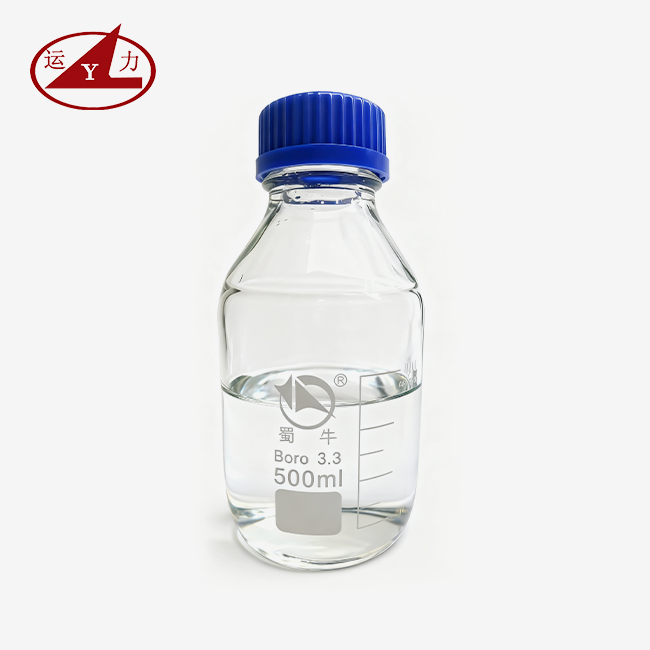
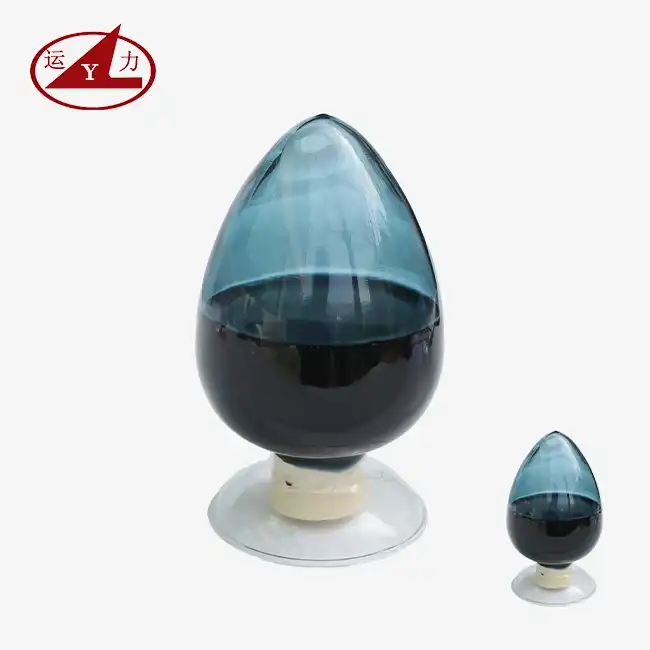
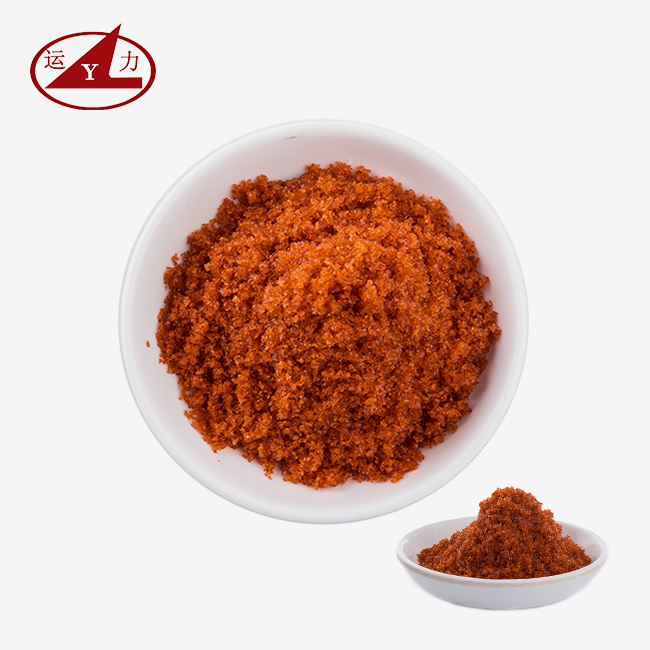
What is chromium acetate?
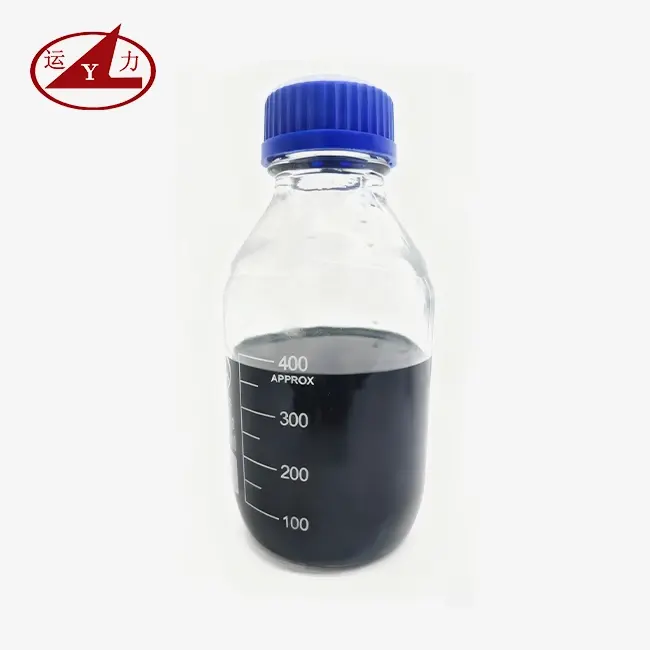
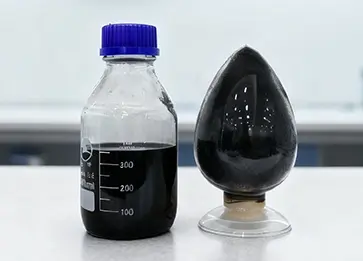
Chromium Acetate is a coordination molecule made up of three chromium ions (Cr³⁺) that are linked to acetate ligands. It has a molecular weight of 229.13 g/mol. The most common way to buy this chemical for industry is as a 50% water solution (CAS 1066-30-4). It is thick and sticky and a grayish- or bluish-green color. It's a useful substance in lots of different fields, like coloring clothes and leather, making catalysts, and creating special chemicals. Because it only has three chromium atoms, it is safer than compounds with six chromium atoms. It meets current safety and environmental standards and still works very well in tough settings.
Understanding Chromium Acetate: Chemical and Physical Properties
Molecular Structure and Chemical Behavior
Chromium Acetate is made up of three acetate groups connected to a chromium(III) ion in the middle. Because of this set-up, a stable complex is formed that is easy to breakdown in water. This means that the form with 50% solution is perfect for use in factories. When it is dissolved, the chemical stays balanced between its free acetate ions and its coordinated acetate ligands. The pH is generally between 3.5 and 4.5, which stops hydrolysis before it starts and lets a controlled reaction happen while the item is being used. Because of the acidic weather, the chromium species stays steady, and it's less likely that chromium hydroxides will form that can't be removed, which could lower the quality of the product.
Physical Characteristics and Stability Profile
This is how dense the 50% solution is at room temperature: between 1.25 and 1.35 g/cm³. In other words, it can be used with regular pumps and measure tools. If you store the liquid the right way, it will stay uniform and not separate into different phases. It won't settle or become divided over time, so you don't have to worry about that. The material is also highly stable, which means it can handle temperatures up to 90°C without breaking down much. This means it can be used in hot workplaces. They can last longer than twelve months if you keep them closed and out of strong sunlight and high temperatures. The fact that the product is still green means that it is still good. If the color changes a lot, it could mean that it is no longer good.
Safety Considerations and Handling Protocols
MSDS for Chromium Acetate solutions make it very clear that you need to wear the right safety gear when working with them. Workers should wear safety masks, gloves that can handle chemicals, and protection clothing so that chemicals don't get on their skin and eyes. Trivalent chromium is not as dangerous as hexavalent types, but being close to it for a long time can still hurt the skin and make it hard to breathe. Steam should not be able to get out of vents, especially in small spaces or when processes are very hot.
For a spill to be cleaned up, small amounts need to be diluted with sodium bicarbonate and then soaked up by materials that are safe. Places to store things should be clearly marked, have extra barriers, and be away from things that don't go together, like strong oxidizers and reducing agents. Nearby eyewash stations and safety showers should be easy to reach no matter where the material is being handled. These safety steps are in line with safety rules set by OSHA and other countries. They protect workers and make it less likely that companies that buy things will be held responsible.
Industrial Uses and Benefits of Chromium Acetate
Textile Dyeing and Mordanting Applications
In the textile business, Chromium Acetate is used as a mordant because it holds dye molecules to fabric threads well. While wool, silk, cotton mixes, and man-made fabrics are being made, the chromium ions mix with both the dye and the fiber's functional groups. Because of this triple link, color fastness is much better. This means that finished goods won't lose much of their color when they are cleaned or put in light. Not as hard to breakdown as chrome alum or chromium sulfate, Chromium Acetate spreads out more evenly in dye baths.
While you color, the acetate partners keep the pH fixed so that the dye can be taken properly. Producers like that the performance stays the same from batch to batch, which means there are fewer color differences and less work to be done again. As long as the solution stays stable, it doesn't make any precipitation that could block spray tubes or get on the fabric. This is good for automated continuous coloring systems.
Leather Tanning and Finishing
Chrome-based materials have been used for a long time by leather tanneries to make strong, flexible leather from raw hides. Chromium Acetate is used to color things. It also links collagen fibers in the hide together, which makes them tougher. Microbes are less likely to be able to break down the protein because it stays steady thanks to the cross-linking. This makes it shrink at a higher temperature. It is easier for the acetate form to get into the leather than the chloride-based forms. This makes the leather the same color and feel all over.
Tanners who work with high-end grades like this level of uniformity a lot, since high-value hides can't be used for luxury goods if they have flaws on the surface or different densities. Because the substance reacts in a controlled way, tanning can happen slowly. This gives processors time to see how things are going and make changes as needed. Trivalent chromium systems are becoming more and more popular over older hexavalent ones because they are better for the environment. Additionally, the chemistry of Chromium Acetate naturally lowers the creation of dangerous Cr(VI) species during the dying process.
Catalyst Synthesis and Surface Treatment
Chromium Acetate is the first thing that chemical companies use to make supported chromium catalysts, which are then used in polymerization processes and to refine petrochemicals. The acetate quickly breaks down when heated on alumina or silica substrates, leaving behind small chromium oxide particles with a lot of surface area. It is very good and specific for these catalysts to work in processes like ethylene polymerization and hydrocarbon cracking. It is better to use the acetate way to make catalysts because it doesn't add as many impurities as the nitrate or chloride routes, which can do damage to active sites or rust reactor vessels.
In the process of treating metal, Chromium Acetate treatments are used to keep anodized aluminum parts safe. The treatment fills in oxide layers that are porous. This makes them less likely to rust and gives the next covering process a place to begin. This is being used by businesses more and more instead of hexavalent chromium conversion coats, which are limited by the government because they can cause cancer.
Comparative Advantages Over Alternative Chromium Compounds
You can see that chromium chloride and chromium nitrate don't work as well as Chromium Acetate. Chemicals that contain chlorine give off harmful chloride ions that can damage stainless steel tools and stop some chemical reactions from happening. This means that nitrate-based compounds are more likely to oxidize, which makes them more dangerous to work with and could release nitrogen fumes when heated. It's better to use acetate ligands because they lower pH well, break down easily into carbon dioxide and water when heated, and don't rust as easily.
The amounts of cleanliness are also not all the same. There are less than 5 parts per million (ppm) of heavy metals and 30 parts per million (ppm) of iron in high-quality Chromium Acetate liquids. Trace contaminants can change a product's specs or make it not work right, so these small amounts of impurities are very important for electronic materials and pharmaceutical intermediates.
How Chromium Acetate is Produced: Synthesis and Quality Factors?
Synthesis Pathways and Raw Material Selection
Most of the time, Chromium Acetate is made by carefully controlling the reaction between acetic acid and chromium(III) hydroxide. Very pure chromium sources are the first step in the process. These are usually made from chromite rock that has been cleaned and ground down. The quality of the raw materials has a direct effect on the appearance of impurities in the final product. Input material sellers are very important to choose because of this.
To make sure that all the parts mix and form a complex, the process keeps going with gentle heating and constant shaking. It is important to keep an eye on stoichiometric ratios because if there is too much acetic acid in the solution, it changes the pH, and if there is not enough acid, chromium hydroxide can form crystals later on. You can change how fast the reaction goes and how much water is in the end product by changing the temperature during synthesis. Some companies have their own unique ways of stabilizing the product, such as adding chelating agents or changing the acetate-to-chromium ratio, to make it more stable over time and stop it from gelling up while it's being kept.
Quality Control and Analytical Testing
Tough tests make sure that every production batch meets the standards before they are made available. Atomic absorption spectroscopy or inductively coupled plasma mass spectrometry (ICP-MS) is used to find out how much chromium is there. The 50% solution must have a Cr³⁺ content that is within ±2% of what is mentioned. It's stable and sensitive because the pH level of the product is between 3.5 and 4.5. Checks for density make sure the formula is right and find mistakes in how much something is concentrated or diluted.
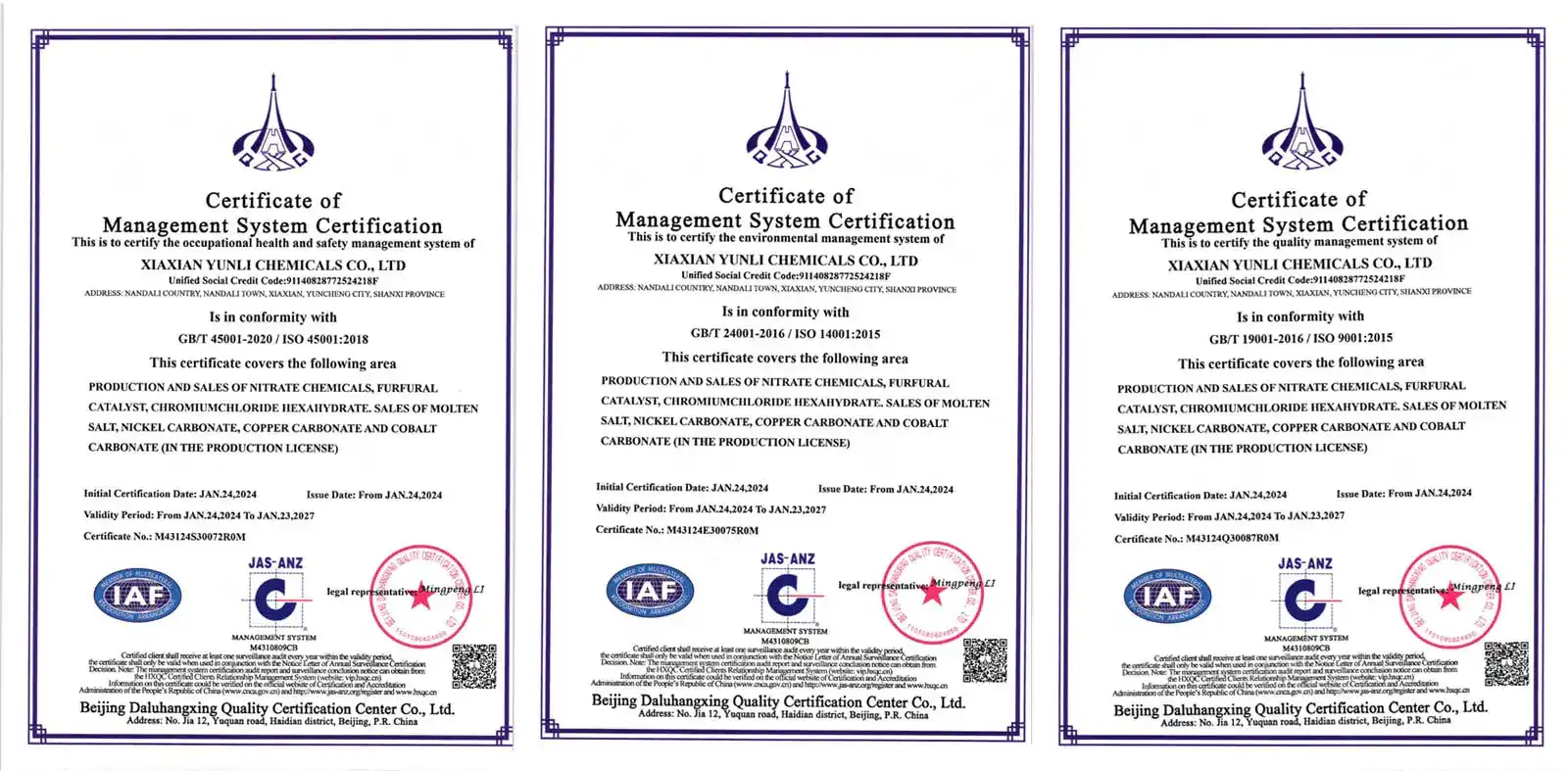
Heavy metals like arsenic, cadmium, and lead must stay below 5 parts per million (ppm) to follow rules for safety and the environment. These metals are looked for in impurity research. People pay a lot of attention to the iron level because it can act like chromium and change the way colors look when they are dyed. We check the salt and sulfate levels in the water to make sure that tools or raw materials used for work haven't messed it up. Quality management systems that are ISO 9001-certified and keep track of every step, from getting the raw materials to putting them up at the end, are used by reputable producers. Customers can check this out and see the whole process.
Regulatory Compliance and Certification
There are many rules you need to follow when you trade drugs all over the world. In the European Union, chromium products can only be sold under the rules set by REACH (Registration, Evaluation, Authorization, and Restriction of Chemicals). It needs to know a lot about safety and how dangerous things are. Suppliers who do business with people in Europe need to make sure their REACH registrations are up to date and give users further down the chain of control Safety Data Sheets that follow the rules. RoHS (Restriction of Hazardous Substances) rules mostly affect hexavalent chromium in electronics.
However, buying groups are looking for more and more sources of trivalent chromium that have been shown to not contain Cr(VI) poisoning. Getting ISO 14001 environmental management approval means a business wants to protect the environment by lowering waste and pollution and utilizing resources more wisely. To make medicines, companies may try to follow cGMP (current Good Manufacturing Practices) and include information from the Drug Master File (DMF) in their governmental files. This means that Yunli Chemical has all the management systems it needs to work with quality-conscious companies. It has been approved by ISO 9001, ISO 14001, and OHSAS 18001.
Chromium Acetate Procurement: Market Overview and Decision Making
Global Supply Landscape and Supplier Profiles
In the Chromium Acetate market, there are both big companies that sell chemicals and small companies that make only a few types of it. Company names like Sigma Aldrich, Alfa Aesar, and Merck sell lab supplies and offer high-purity types in smaller amounts. Research and development teams use these grades. Even though these sources are easy to use and give you paperwork, they usually have high prices that make them unsuitable for large-scale business use.
When it comes to quantity needs, direct producer ties give you more options for customization and better prices. The majority of the world's chromium is made in Asia, mostly in China and India. This is possible because they use cheap industrial tools and methods for refining chromium together.
For purchasing teams to choose which supplier to work with, they should look at how big their production is, if they have quality licenses, if they offer expert help, and how reliable their supply chain is. The amount of time a company has been in business shows how much they know. For instance, companies that have been open for twenty years have seen many market changes, gotten better at what they do, and built up institutional knowledge that keeps the quality of their products stable.
Pricing Dynamics and Cost Drivers
A lot of things that are linked together affect how much Chromium Acetate costs. Chrome metal and acetic acid prices change along with other goods on the world market. This has a direct impact on the costs of making things. How much is bought has a big impact on the price per unit. Orders of several tons or more usually save money, while orders of less have to pay more for handling. The specifics of the goods can also change the price.
Prices start at a certain level for normal 50% solutions, but there are extra costs for customized concentrations, ultra-low impurity grades, or custom packing. It costs money to move things from one place to another. Ocean freight in containers is the most cost-effective way to ship big items. Air freight is faster but costs more.
How you pay for something also changes how much it costs. For instance, sellers might offer small discounts for paying early or charge extra interest for longer credit terms. Because of how the market works, prices change with the seasons or once a year. This is especially true when there aren't enough raw materials or when big buyers want to buy more. Sellers who are honest give full quotes that include the price of the item itself, packing, shipping, and any taxes that need to be paid. In this way, you can correctly compare prices from different sellers.
Strategic Procurement Considerations
To find Chromium Acetate, you need to match product specs with application needs. Technical teams should describe acceptable ranges for chromium content, pH, impurities, and density instead of making too strict standards that make it harder for sellers to choose and make prices go up. It's less likely that you'll find out after a lot of money has been spent that they don't work together when you test samples first. Set clear standards for quality and testing methods from the start to make sure everyone agrees on what kind of material is okay.
Supply deals that last a long time are good for both buyers and sellers. When the market is tight, buyers get steady prices and priority, and makers can better plan their production and get the raw materials they need. You should add not only sales reps but also experts at supply companies to your network.
If something goes wrong with the process, being able to talk to production scientists and quality managers first helps fix it faster. Diversifying among two qualified suppliers can help protect you from problems, but having too many suppliers can lower the amount of goods you buy and make it harder to bargain. As a matter of course, you should ask for all the paperwork, like Safety Data Sheets, Certificates of Analysis, and letters of regulatory compliance. For both internal quality processes and government checks, this information is needed.
Conclusion
Many important things are made with Chromium Acetate, a strong industrial material that is used to make things like leather, fabrics, catalysts, and other unique things. The three-valent chromium mixture makes it work better and meet tighter standards for safety and the environment. When procurement experts know about a compound's physical qualities, how it is made, and how it can be used, they can choose the best places to buy it.
In the global supply world, there are a lot of different sellers, from small companies that do research to big companies that make a lot of things and can meet your tonnage needs with unique solutions. It's not enough to just check the chromium level; you also need to keep an eye on impurities, keep the pH fixed, and keep accurate records that make it easier to follow the rules. Businesses that need this important chemical input can get it most cheaply and reliably by focusing on long-term relationships with suppliers, making sure requirements are clear, and carefully screening potential suppliers.
FAQ
What safety measures are essential when handling chromium acetate solutions?
Worker should wear protection clothing, safety glasses, and gloves that can handle poisons so that they don't get on their eyes or skin. Volatiles must be kept in check by enough air flow in work areas, and eyewash stations must be easy to get to in case of an emergency. Keep containers in cool, dry places away from things that won't work with them. Also, make sure there are extra ways to clean up a spill. People who work should be taught how to handle things properly and what to do in different situations.
How does chromium acetate compare to other chromium salts in leather tanning?
Chromium Acetate can get deeper into hides more evenly than chrome chloride because it melts better and reacts less quickly. They do this by keeping the pH level steady while the leather is being dyed. This keeps the color and structure of the leather the same. The material also doesn't produce as many toxic by-products as chloride-based systems do, so maintenance on equipment doesn't need to be done as often.
What storage conditions maintain chromium acetate solution stability?
Containers that are tightly closed should be kept between 5°C and 30°C. Cold and too much heat can change the way the answer works, so stay away from them. To protect against water and strong heat. The answer will stay good for at least a year if you store it the right way. A regular visual check for changes in color or the formation of precipitates can help find degradation early.
Partner with Yunli Chemical for Your Chromium Acetate Supply Needs
For more than twenty years, Yunli Chemical has been making Chromium Acetate solutions of the highest quality that meet the strict needs of medical and business users all over the world. We care about quality control, the environment, and worker safety, as shown by our ISO 9001, ISO 14001, and OHSAS 18001 certificates. With more than RMB 1 billion in annual sales and RMB 300 million in fixed assets, we are a direct producer of Chromium Acetate. This gives buying managers the production scale and financial security they look for in long-term supply partnerships.
At the provincial level, our Enterprise Technology Center lets us offer both basic 50% options and custom formulas made to fit the needs of your process. Concentrations can be changed from 40% to 60%, and the level of impurities is kept at a level that is safe for medicinal use. We don't use brokers because we run our own export businesses and offer prices and delivery times that come straight from the plant.
You can get free samples of up to 500 grams, which will let your expert teams make sure that they work well together before you start making a lot of them. As a reliable supplier of Chromium Acetate to picky customers all over the world, you can email our team at wangjuan202301@outlook.com to talk about your needs, get detailed datasheets, or set up bulk order prices that show how cheap we are.

References
1. Edelstein, D.L. (2020). Chromium Compounds in Industrial Applications: Chemistry, Production, and Uses. Industrial Chemistry Publications.
2. Gupta, S.K. & Rajagopal, C. (2018). "Chromium(III) Complexes in Textile Dyeing: Mechanisms and Environmental Considerations." Journal of Applied Polymer Science, 135(24), 46358.
3. Thompson, R.M. (2019). Leather Processing Technology: Modern Methods and Chemical Inputs. Society of Leather Technologists and Chemists.
4. Wilson, A.T. & Chen, H. (2021). "Comparative Analysis of Chromium Precursors for Catalyst Synthesis." Catalysis Today, 367, 112-119.
5. European Chemicals Agency (2022). Guidance on Safe Use of Chromium(III) Compounds in Industrial Settings. ECHA Publications.
6. National Institute for Occupational Safety and Health (2021). Occupational Health Guidelines for Chromium Compounds. NIOSH Publication Series.