


What is chromium sulfate?
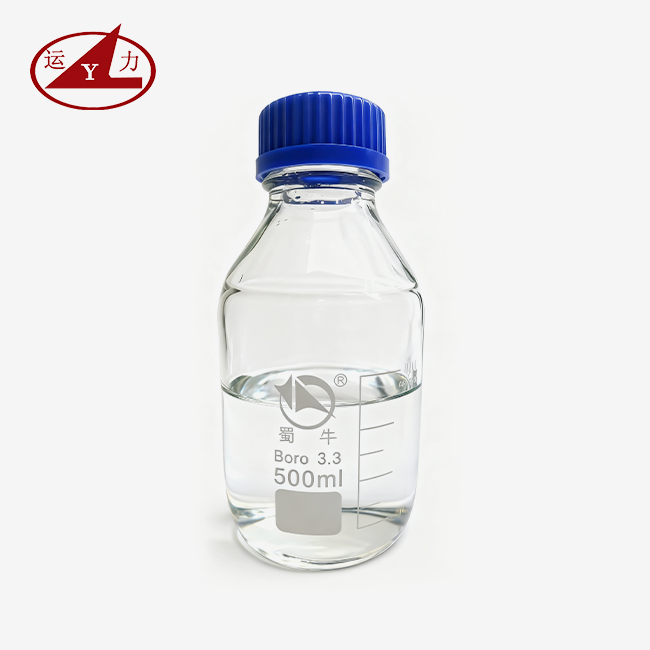
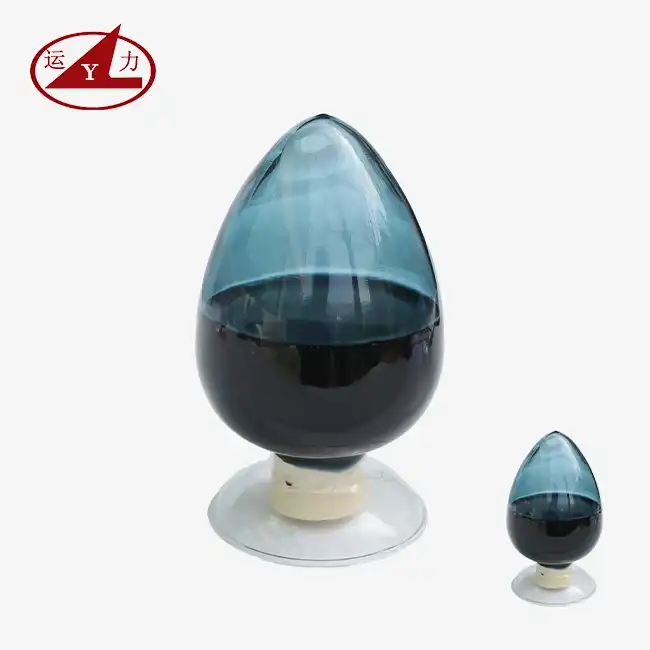
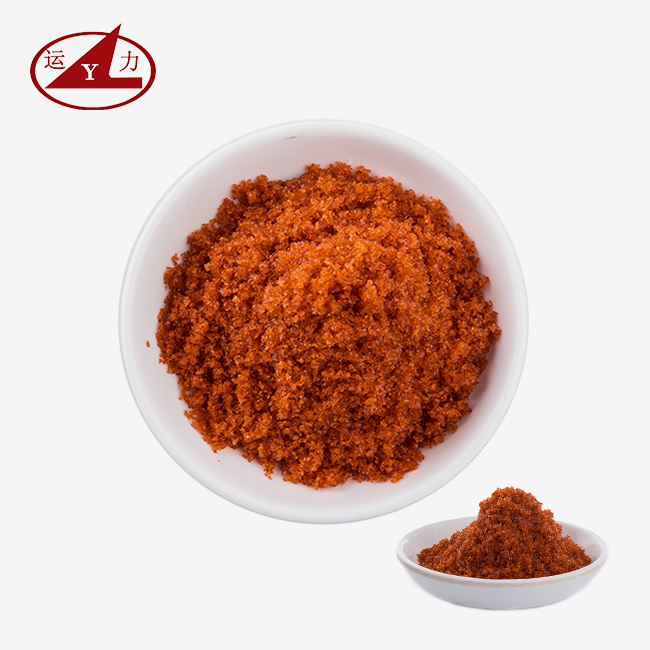
Chromium Sulfate, chemically represented as Cr₂(SO₄)₃ (CAS 10101-53-8), is a trivalent chromium compound that is used to treat surfaces, work with leather, and make catalysts. This man-made salt can be identified by its molecular weight of 392 and the fact that its hydration states change from six to eighteen water molecules. It can be either a liquid that is grey-blue to violet or a solid that has turned into crystals. Chromium Sulfate is an important chemical for industries that need to keep the pH level stable and give metal ions regularly because it dissolves easily in water but not alcohol. Solicitors and technical experts use this material because it is stable and has trivalent chromium chemistry to improve process results while meeting strict safety and environmental standards.
Understanding Chromium Sulfate: Chemical Composition and Properties
Molecular Structure and Hydration Characteristics
Chromium Sulfate is written as Cr₂(SO₄)₃, and different amounts of water molecules can hydrate it. Most of the time, it appears as hexahydrate [Cr₂(SO₄)₃·6H₂O] or higher, which means it has up to 18 water molecules. This change in water makes things look different and breaks down faster. The dry form has a molecular weight of 392, but commercial grades often have coordinated water that changes the bulk density and how it handles.
Physical Properties and Solubility Behavior
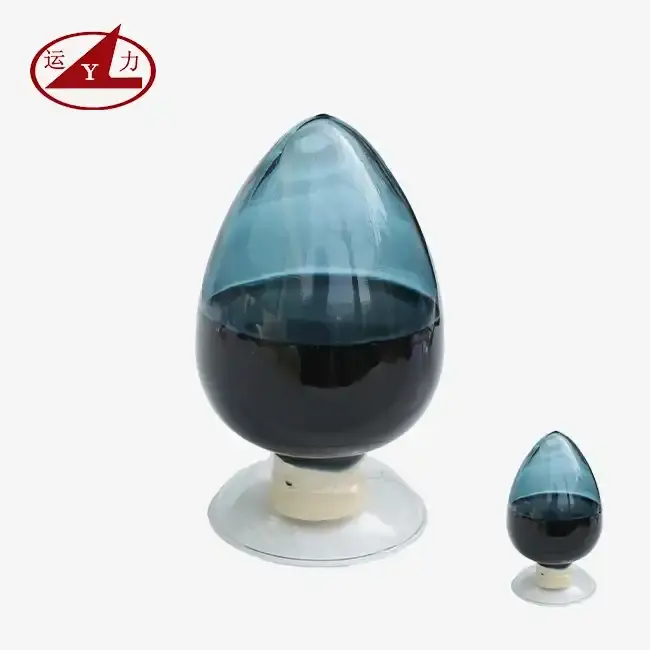
People can buy Chromium Sulfate solutions in shops. These are grey-blue to purple liquids that have specific gravities of 1.30 to 1.50 g/cm³ at 20°C. The color changes because the chromium ions are not all the same shape and level of moisture. As long as it can still dissolve well in water, it can be used in industrial baths to dissolve quickly and evenly. Because alcohol doesn't evaporate, on the other hand, it's easy to keep things separate while washing. The mix stays stable in controlled storage conditions, but it needs to be kept from freezing below 5°C so that it doesn't crystallize and make the solution less even.
pH Characteristics and Safety Considerations
Since most solutions have pH levels below 2.0, they need to be stored in containers that won't rust and are made of the right plastics or steel that is covered with rubber. The pH level controls how much chromium is taken in and what the finished product looks like. This acidity changes how fast processes happen in tanning and plating. It is still important to wear the right safety gear even though hexavalent chromium is much more dangerous than trivalent chromium. More and more, rules like REACH and RoHS are supporting trivalent chromium chemistry. Dichromate chemicals, which were used before but are more dangerous, are not as good as Chromium Sulfate in this case. When you buy things that are safe for the workplace and good for the world, make sure you have the full MSDS paperwork and a Certificate of Analysis (COA).
Industrial Applications and Benefits of Chromium Sulfate
Leather Tanning Industry: Core Application and Performance
The most Chromium Sulfate is used in the leather coloring business. It is the main chemical used to make leather from raw hides that is solid and lasts a long time. Trivalent chromium ions get into collagen fiber structures during chrome tanning and form crosslinks. These crosslinks raise the temperature at which the material shrinks (usually over 100°C) and make it less likely that bacteria will break it down. Solution forms get rid of the dust issues that come with solid chromium compounds and make sure that the product goes all the way through the thickness of the hide.
Over-tanning the surface, also called case hardening, keeps the outside layers from getting too stiff while the inside parts stay too soft. It is important to keep the iron level below 30 ppm for high-end and car upholstery, since even small amounts of iron can change the color or make the grain break randomly. To make sure that the color stays the same from one batch to the next, buying teams look for sources that can offer batch-to-batch stability. This is because tanning businesses need to be able to guess the metal and basicity levels.
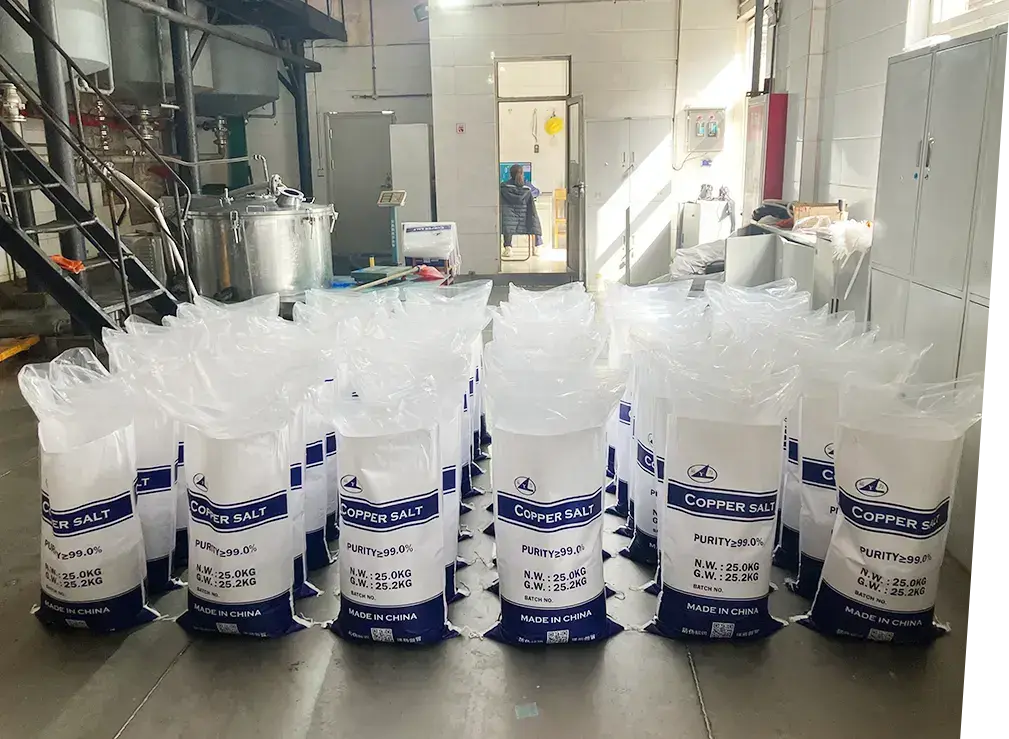
Catalyst Manufacturing and Chemical Synthesis
If you want to make chromium-alumina catalysts, you need Chromium Sulfate. These catalysts help dehydrogenation processes happen, like when propane changes into propylene. This is what you need to make polypropylene. Because the compound's solubility can be controlled, it can be carefully soaked into alumina supports. This makes the active surface area bigger without making it too saturated, which would block the pores of the catalyst. When it comes to industrial impregnation tools, products that are 30–40% focused work best. When even small amounts of iron impurities stop expensive catalyst beds from working, this is called catalyst poisoning. It makes production less efficient. The pH stability of Chromium Sulfate helps both hydrogenation and methanol synthesis catalysts by keeping the shape of the active site steady while the catalyst is being made.
Surface Treatment, Ceramics, and Pigment Production
Hexavalent chromium systems can cause cancer, but trivalent chromium plating baths use Chromium Sulfate as the main metal source. They are used to add artistic finishes to things like car trim, taps, and airplane parts. Electroplating is smoother because the solution form spreads out the current density evenly. This gets rid of the problems that come from particles that aren't destroyed.
Clay artists add Chromium Sulfate to glazes and body mixes to make the clay green and to make it last longer. As a mordant, the chemical is used to make stable color combinations that don't fade when the fabric is cleaned or put in light. Chromium Sulfate is useful in the paint and film industries for making green colors that last a long time and can be worked with at high temperatures. Seeing how useful the substance is in so many fields that need to control the flow of chromium and know how it will work is clear from these examples.
Comparing Chromium Sulfate with Alternative Chemicals
Chromium Sulfate vs. Chromium Chloride
It is similar to trivalent chromium in how it works chemically, but its solubility curves and how it makes groups are different. As chloride ions can damage stainless steel tools, Chromium Sulfate is better for jobs that use common materials in the business world. Sulfate forms are better for coloring than chloride forms because chloride ions can make fat liquoring less effective and make wastewater too salty. People in charge of buying these things should think about both how well they work chemically and how well they work with infrastructure.
Chromium Sulfate vs. Potassium Dichromate
Hexavalent chromium, which is found in potassium dichromate (K₂Cr₂O₇), is known to cause cancer and is banned under REACH Annex XVII and other related laws. Hexavalent chromium is good for some analytical processes because it is a strong oxidizer. But Chromium Sulfate is safer to use and costs less to get rid of, so it is better for coloring, plating, and most catalyst uses. There are rules about worker safety and saving the environment that made the whole industry switch from dichromate to trivalent chromium systems.
Chromium Sulfate vs. Chromium Nitrate
Chromium Nitrate [Cr(NO₃)₃] dissolves more easily than sulfate forms. It is used when nitrate anion chemistry or fast dissolving works well. But nitrate products can explode when they are kept or handled, especially if there are a lot of them or they are close to living things. Sulfate forms are usually chosen for large-scale industrial operations that want to lower risk and save money on insurance. This is because they are more stable at high temperatures and have better safety ratings. Understanding these differences enables buying teams to choose the best chemicals for the job. They should think about performance, safety, environmental impact, and total cost of ownership.
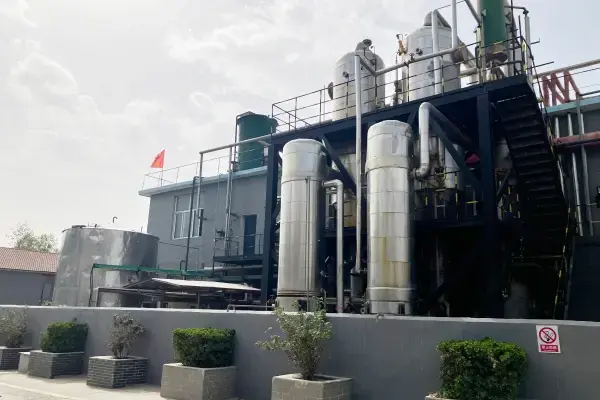
Procurement Guide for Chromium Sulfate
Evaluating Supplier Reliability and Certifications
Getting Chromium Sulfate from a source needs to be carefully thought out first. An ISO 9001 certification means that a business has a well-developed quality management system. An ISO 14001 certification means that a business knows how to protect the environment. Businesses that buy from suppliers with OHSAS 18001 or ISO 45001 standards follow strict rules for the health and safety of their workers. This lowers the risk of liability for those businesses.
Ask for full MSDS papers in GHS-compliant formats, along with batch-specific COAs that show impurity profiles, such as iron, sodium, and sulfate-free versions if needed. In order to meet quality standards, providers must have technical offices and on-site labs that are equipped with ICP-MS or atomic absorption spectrometry. Companies that are known as national or local technology hubs often have advanced research and development (R&D) skills that let them help customers quickly and meet their needs.
Bulk Ordering Strategies and Pricing Factors
Chromium Sulfate costs what it does because of how clean it needs to be, how much the raw materials cost, and how hard it is to make. Materials used in technology and medicine need ultra-high-purity 4N grades (99.99%), but it's easier to use industrial-grade material that can be used for tanning. Most of the time, you can get big price cuts if you buy more than 20 metric tons. However, the minimum order amounts vary by seller and product. It may cost more per kilogram for solution forms because they have more water in them, but they are easier to handle and don't need any tools to dissolve. You shouldn't just look at unit prices; you should also look at the total given cost, which includes storing, shipping, and any customs fees. Businesses can choose the best packaging for their needs when suppliers offer a variety of packing choices, such as 25 kg bags, 1000 kg IBCs, or bulk trucks.
Global Supply Chain and Direct Manufacturing Benefits
They add markups, and when you deal directly with makers, you don't have to pay those. You can also get expert help and services that let you make changes. It's easier to do business and file paperwork internationally when a factory-direct provider has their own export office. Chinese companies that have been making goods for more than twenty years have strong systems in place to make sure the quality of their products.
They can also make both standard goods and recipes that are unique to each customer. Customers can get free samples of up to 500 grams from sellers and try the goods out fully before buying large amounts. This lowers the risk of qualification. When you buy something from another country, wait times, reliable shipping, and help with clearing taxes are all very important. That's why it's a good idea to look at how much knowledge a supplier has with the areas you want to reach.
Best Practices for Handling and Using Chromium Sulfate in Industry
Storage Conditions and Equipment Requirements
Chromium Sulfate solutions should be kept in steel, polyethylene, or polypropylene tubes that are covered with rubber so that they don't rust. Keep your storage between 5°C and 30°C to avoid crystals or break down more quickly. To keep rigid forms from clumping together too much, they should be kept in a dry area with humidity below 60%. Make sure there is enough air flow in places where things are stored and set up backup control systems in case something spills. Label packages clearly with batch numbers, CAS numbers, and danger marks so that they can be tracked.
Personal Protective Equipment and Handling Protocols
When working with Chromium Sulfate, people must wear safety covers, chemical splash masks, and acid-proof gloves made of rubber or neoprene. You need to protect your lungs when dealing with powders or in places where there isn't enough air passage. You should make sure that everyone knows how to dissolve things, clean up a spill, and find emergency eyewashes and baths. Teach people how to tell the difference between hexavalent and trivalent chromium goods so they are aware of the dangers.
Process Optimization and Efficiency Improvements
Chromium Sulfate can dissolve in water, which lets controlled dose devices make processes better. Automatic measuring pumps with Coriolis flow meters can be used to get dosing accuracy within ±0.5%. To keep the uptake of chrome in tanning bins even, this has to be done. Solid dissolving steps take more time than pre-dissolved solutions, which cuts working time by 30–40%. This has a direct effect on how much is made. Always keep an eye on the pH when you are dying or plating because acidic conditions change how fast reactions happen and how good the end product is. When these rules are put in place, leather makers say that the wet-blue uniformity gets better and the rate of reworking goes down. Customers are happy and money is saved.
Conclusion
It has been used for years to clean surfaces, make catalysts, tan leather, and do other specific chemical synthesis jobs. Chromium Sulfate is an important industrial chemical. It works better and is safer than hexavalent choices because it uses trivalent chromium chemistry. This is in line with how rules are changing. You need to know about professional standards, the skills of sellers, and best practices that make sure rules are always followed and quality is always kept up to. Purchasing managers and engineers can get stable supply chains that help them reach their business goals by working with well-known companies that offer a range of purity levels, thorough paperwork, and reliable delivery times. It is easy to work with and has technical advantages that make the combination a long-term choice for companies that need to give chromium precisely, perform reliably, and be good to the environment.
FAQ
Q1: Is chromium sulfate safe to handle in industrial environments?
A: People still need to be careful around hexavalent chromium chemicals even though they are much more dangerous than trivalent Chromium Sulfate. Wear safety gear that can handle acid, make sure there is enough air flow, and do what the MSDS says. Regulatory groups like the EPA and ECHA say that trivalent chromium is much better. In other words, it can be used for regular cleaning practices at work as long as the right safeguards are in place.
Q2: What purity grades are necessary for leather tanning applications?
A: To tan leather, most people use industrial-grade Chromium Sulfate that has between 8 and 10.5% chromium and less than 30 parts per million of iron. More clean standards are needed for high-end leather and car seats so that colors don't run. Ask for batch-specific COAs that show the amount of metal, how basic it is, and the patterns of impurities that meet your quality standards.
Q3: How can buyers ensure timely bulk deliveries?
A: Make friends with makers and make sure you have enough supplies and production space. Make a list of the things you want and how long you are willing to wait. You can trust suppliers to do their jobs if they have ISO approval and proof of their quality systems. Direct factory buying with export offices that are run by the factory itself cuts down on delays caused by middlemen and makes it easy to track packages all the way through the supply chain.
Partner with Yunli Chemical for Reliable Chromium Sulfate Supply
Yunli Chemical has been making Chromium Sulfate for more than twenty years and is fully certified by ISO 9001, ISO 14001, and OHSAS. The business makes more than RMB 1 billion a year. At our business technology center at the regional level, you can change the materials' purity, pH, and shape so that they come to you in solid, granular, or liquid forms that work for your process. We check for very low amounts of impurities and make sure the iron level is at or below 30ppm.
If you want to dye leather, make catalysts, or treat surfaces, this makes sure that the steadiness from batch to batch. We don't pay agents to make Chromium Sulfate, so we don't have to pay their fees. We also give full records for each batch, like MSDS and COA certificates. You can join our community at any time, and there is no minimum order size. Also, you can try up to 500 grams of our goods for free before you decide to buy them all. Feel free to email our expert team at wangjuan202301@outlook to let them know what you need and get a custom price that fits your budget.

References
1. Covington, A.D. (2009). Tanning Chemistry: The Science of Leather. Royal Society of Chemistry Publishing.
2. Kirk-Othmer. (2007). Encyclopedia of Chemical Technology: Chromium Compounds, 5th Edition. John Wiley & Sons.
3. Schlesinger, M., & Paunovic, M. (2010). Modern Electroplating, 5th Edition. John Wiley & Sons.
4. International Union of Leather Technologists and Chemists Societies. (2018). Environmental Guidelines for the Leather Industry. IULTCS Publications.
5. American Conference of Governmental Industrial Hygienists. (2020). Threshold Limit Values for Chemical Substances and Physical Agents. ACGIH Publications.
6. European Chemicals Agency. (2021). Guidance on the Application of the CLP Criteria: Chromium Compounds. ECHA Technical Reports.