


What is ferric nitrate used for?
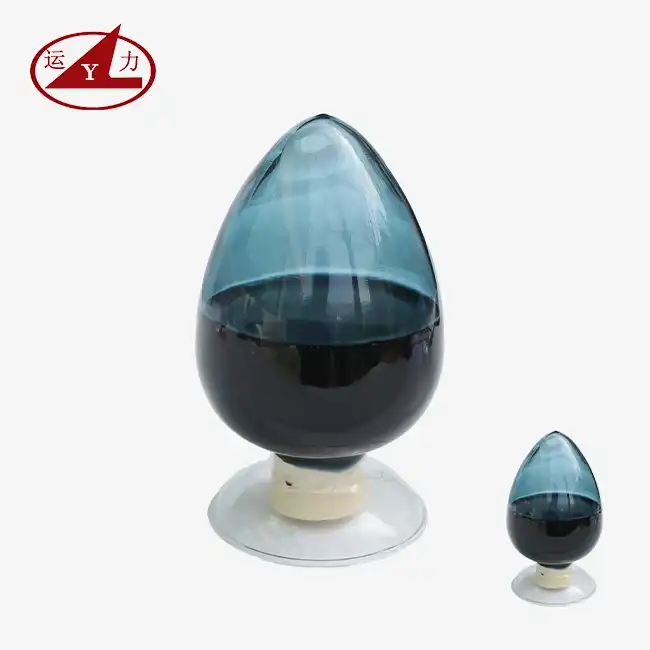
Ferric Nitrate, whose chemical name is iron(III) nitrate nonahydrate (Fe(NO₃)₃·9H₂O), is a black solid that can be bent and is used in many fields. As a result of its strong oxidation, it is used to make catalysts, treat metal surfaces, dye materials, handle wastewater, and make electronics. There is no danger in starting with this chemical because it breaks easily in both water and alcohol. It can also be used to soften fabrics. It is used in electroplating, making pharmaceutical products, making battery materials, and making fine chemicals.


Understanding Ferric Nitrate: Composition, Properties, and Safety
Chemical Composition and Structure
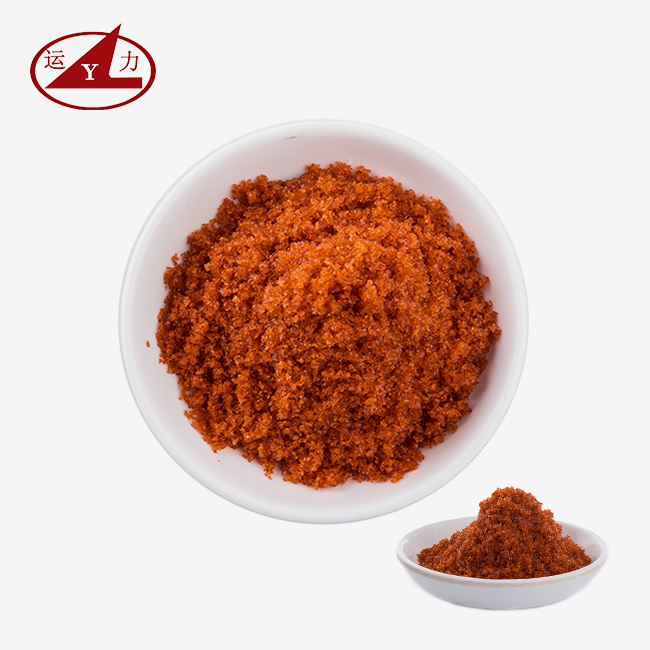
404.01 g/mol is the molecular weight of iron(III) nitrate nonahydrate, which is written as Fe(NO₃)₃·9H₂O. This mix has a weight of about 13.8% iron and looks like violet or purple polished diamonds. There are nine water molecules connected to each Ferric Nitrate unit in the nonahydrate state. This helps explain why it dissolves in water and doesn't freeze at low temperatures.
Physical and Chemical Properties
The mix is different from many other iron salts because it melts at 47.2°C and has a specific density of 1.68. That's when it breaks down thermally, giving off nitrogen oxides and basic iron compounds before finally turning into iron(III) oxide. This substance breaks down quickly and soaks up water from the air. When it's hot or humid, it often turns into a liquid. You can easily dissolve it in water, ethanol, and methanol. This gives you a lot of choices for how to prepare it for business uses. When Ferric Nitrate comes in contact with organic materials or reducing agents, it oxidizes and can catch fire or explode. This means it needs to be treated with care.
Safety Considerations and Storage Guidelines
Based on UN 1466, this chemical is a Class 5.1 oxidizer, which means that there are very strict safety rules that must be followed. Being directly touched by skin hurts because it is acidic and dehydrating. Food must be stored in dry, well-ventilated areas where the temperature stays below 25°C. To stop deliquescence, packages must be tightly sealed with moisture-barrier covers. Liquids that can catch fire, things that burn, and things that lower temperatures must be kept away from each other to avoid fires. When handling things, you still need to wear the right safety gear, like gloves that can handle poisons and eye protection. It should be easy to find Material Safety Data Sheets (MSDS) and Certificates of Analysis (COA) so that compliance can be checked during emergency response and cleanup for possible spills and exposure events.
Primary Industrial and Laboratory Uses of Ferric Nitrate
Businesses today use Ferric Nitrate in a lot of different ways that depend on its special chemical features. When buying managers know these uses, they can find the best specs for their company.
Catalyst Manufacturing and Chemical Synthesis
The process of making catalysts is one of the hardest things to do with high-purity Ferric Nitrate nonahydrate. It is used in plants to make methanol catalysts, hydrogenation catalysts, and ammonia synthesis catalysts by giving them iron. The catalyst bed lasts a long time and the reaction always works well because there are very few impurities. This is especially true when the iron content stays below 10ppm. You can make a lithium iron phosphate (LFP) battery precursor. How well the finished product works electrically depends on how evenly the iron is spread out at the molecular level. Getting rid of hot spots during impregnation processes on silica or alumina supports is important for making sure that all active surface areas are the same. This is only possible if the material is completely soluble.
Textile Dyeing and Leather Treatment
Ferric Nitrate is used as a mordant by people who make clothes so that the colors stay bright even after being washed. Together with dye molecules, the chemical forms stable coordination complexes that keep colors on both natural and man-made materials for a long time. This nitrate form of iron salt is better than chloride-based iron salts because it lowers the risk of fiber breakdown. This is very important when working with silk or other delicate materials. It's also good for leather coloring businesses because it makes products that last and don't change color without adding chloride ions that could damage equipment. Some types have chloride levels that are kept below 50ppm so that stainless steel tanks for coloring and tools for working with leather don't break down too quickly.

Metal Surface Treatment and Electronics Manufacturing
An accurate way for electronics makers to etch metal with copper, silver, and zinc alloys is to use Ferric Nitrate. With this mix, surfaces are smooth instead of having rough pits like with hydrochloric acid recipes. This is important for making sure that the wiring designs on multilayer circuit boards are correct. It can be used in electroplating pools instead of chrome, giving choices that are RoHS and REACH-compliant and lower the cost of being environmentally friendly. This chemical is used to prepare metal surfaces so that they can be coated. Its managed response makes sure that all the parts that are treated stick together the same amount.
Wastewater Treatment and Environmental Applications
In companies that clean wastewater, Ferric Nitrate is used as a strong coagulant to get rid of phosphates and dry out sludge. It works better than many other coagulants because it stays stable over a wide pH range. Other coagulants tend to precipitate too soon when conditions aren't ideal. It works especially well in cleaning systems that use stainless steel equipment because it doesn't have any salt or sulfate contaminants. This is because keeping the equipment from rusting directly affects how long it lasts. When it comes to organic treatment, environmental experts like that it can be used as both a coagulant and an extra source of iron. This helps bacteria break down things and gets rid of solids that are in suspension at the same time.
Ferric Nitrate Compared to Alternative Iron Salts and Nitrates
You need to know how the Ferric Nitrate blend you want to buy stacks up against other similar products on the market.
Ferrous Nitrate vs. Ferric Nitrate
In ferrous nitrate (Fe(NO₃)₂), iron is in the +2 oxidation state. In Ferric Nitrate, on the other hand, it is in the +3 state. The way they work biologically and how well they do certain things changes because of this difference in oxygen state. When compared to ferric compounds, ferrous compounds are oxidizers. This means they are chemically different and are used for very different tasks in industry. They are also not at all stable in the same way. For instance, ferrous nitrate quickly oxidizes in air, which shortens its usefulness and makes it harder to store. On the other hand, the ferric form stays solid when the right conditions are met.
Ferric Chloride vs. Ferric Nitrate
Trivalent iron can be found in both things, but the anions in them change how well they work in different ways. As soon as ferric chloride gets into an acidic environment, the chloride ions start to break down stainless steel equipment very fast. That means that buildings need to buy pricey metal upgrades or other things that cost a lot of money. The chance of rust is taken away by Ferric Nitrate. This makes it better for processes that use stainless steel equipment that is already in place. There isn't much difference between ferric chloride and other chemicals used to treat water when it comes to cost. The nitrate form, on the other hand, costs more because it should only be used for specific jobs that need clean areas.

Iron Sulfate and Aluminum Nitrate Alternatives
This is iron(II) sulfate, which is also called ferrous sulfate. It is less expensive than Ferric Nitrate and can be used anywhere sulfate is okay. It's not as clean, though, and it doesn't burn things as well. Aluminum nitrate can oxidize things just like iron can, but it can't be used in places that need iron's ability to catalyze or color. More and more, studies that look at how chemicals affect the environment favor compounds that break down into safe products. For instance, Ferric Nitrate breaks down into iron oxides and nitrogen oxides. This means that it doesn't have the issues with sulfate buildup that sulfate-based options do.
Procurement Guide: How to Buy Ferric Nitrate for Industrial and Lab Use?
To do strategic buying, you need to know a lot of things that affect both the goods you choose and the price you pay for Ferric Nitrate.
Pricing Models and Cost Factors
The price per kilogram changes a lot based on the grade of purity, the amount being sold, and the location of the seller. Most of the time, materials that are more than 99% pure for reagents cost more than materials that are 98% pure for scientific use. Because they need to be cleaned in more steps, ultra-high-purity standards with impurity rates below 10ppm cost more. You can use tiered price models when you offer a lot of business. For instance, when you buy by the metric ton instead of in smaller lots, you save a lot of money per unit. Prices are also influenced by how the seller is seen and whether they have the right certifications. Manufacturers who are ISO-certified and have well-established quality management systems can, for example, charge more because their goods always work well and there is less risk in the supply chain.
Packaging and Shipping Considerations
Big customers can usually choose from 25 kg plastic bags, 500 kg drums, and ISO tanks as their packing options. Covers made of LDPE or metal foil that keep out moisture stop deliquescence while the items are being shipped or kept. It is important for Class 5.1 Oxidizers that they follow international rules for dangerous goods. These rules include having the right signs, paperwork, and packages. When things are being moved to hot places, they need to be kept at a certain temperature so they don't melt. If there needs to be a lot of customization and the location, lead times can be higher or shorter than two to six weeks. For an extra fee, you can get faster shipping.
Supplier Selection and Quality Verification
Reputable manufacturers have a number of certificates, including ISO 9001, ISO 14001, and OHSAS. The company can offer expert help thanks to its own labs that are equipped with ICP-MS and atomic absorption spectrometers. This makes it easy to quickly check the goods' quality and come up with new recipes. For a stable supply over the long run, you should check a supplier's ability to make things, where they get their products, and how financially stable they are. Sample testing programs let buyers check the product's specs before they buy a lot of it, and certificates of analysis prove that the product meets the specs that were agreed upon.
Ensuring Quality and Maximizing Value: Tips for Buyers and End-Users
Getting the most out of your purchase of Ferric Nitrate means more than just paying the most money. The total cost of ownership is also part of it.
Purity and Certification Requirements
Depending on the purpose, the cleaning level needs to be different. In order for the catalyst to work, there must be less than 10ppm of iron, less than 50ppm of chloride, and less than 100ppm of sodium. There is a little more pollutants that can be used in textiles, but tools still need to be protected from chloride. The strictest rules must be followed when making gadgets. For instance, standards for alkali metals and halogens are often as low as a few parts per million (ppm). Asking for detailed certificates of analysis with test results that are unique to each batch can be done on material before it is put into production to make sure it meets application standards.
Storage and Handling Best Practices
The right way to store something keeps its chemicals pure and extends its shelf life by a lot. Things don't break down too quickly in climate-controlled places where the temperature stays between 15°C and 25°C and the relative humidity stays below 50%. Cases that have been opened should be resealed right away with seals that won't let water in. Bags that have only been partially used should be eaten within three months. By rotating stock with first-in, first-out goods, you can make sure that older things are used up before their quality starts to go down. Regular visual checks that reveal clumps, color changes, or liquid formation are signs of possible quality issues that need to be proven in a lab before they can be used.
Industry Trends and Future Demand
People want ways to treat metal that don't use chromium as environmental laws get tighter. Because of this, Ferric Nitrate is a good choice for areas that use electroplating. As more battery materials are made, especially those that use lithium iron phosphate chemistry, very pure iron sources are always needed. More and more, nitrate-based iron compounds are being used in pharmaceutical intermediate production because they break down easily and don't leave behind much pollution. Procurement teams can get better deals on long-term supplies and make sure they have first pick when supplies are low if they keep an eye on these trends.
Conclusion
For business purposes, Ferric Nitrate nonahydrate is very useful since it can oxidize, dissolve, and break down without leaving any other substances behind. This stuff can be used to make a lot of different things, from electronics and fabrics to enzymes and wastewater treatment. It helps scientists in a lot of different ways with important tasks. People who buy iron salt can make their operations run more smoothly and the supply chain more reliable by learning about its makeup, how to handle it properly, and the best ways to buy it. Using this important chemical in manufacturing will be good in the long run, as long as quality is checked by reviewing the license, checking the seller's abilities, and setting purity standards that are right for the job.
FAQ
Can ferric nitrate replace ferrous nitrate in chemical processes?
Is it possible to use Ferric Nitrate instead of ferrous nitrate in chemical reactions? These things can't be switched out because their electron states are different. It's called Ferric Nitrate when it turns something into an oxide and ferrous nitrate when it turns something into a reagent. It is the ferric form that is needed to take electrons. It is the iron form that is needed to give up electrons. When you try to replace, the process either doesn't work at all or has unwanted side effects.
Why does my ferric nitrate turn liquid during storage?
Can you tell me why my Ferric Nitrate turns into a liquid when I store it? It takes in water from the air and dissolves in it, which means the chemical is deliquescent. Because it freezes at a low temperature of 47.2°C, it often turns into a liquid when kept above 30°C or when air gets to it. You can avoid this problem by storing things in a cool, dry place and using moisture-barrier packing that is properly sealed.
How does ferric nitrate improve wastewater treatment efficiency?
How does Ferric Nitrate improve the way waste is cleaned up? It binds phosphates and moving particles together very well, creating flocs that are easy to pick apart. Unlike chloride-based choices, it works the same way at all pH levels and doesn't start to precipitate too soon. This is because stainless steel cleaning systems don't have chloride ions, which means that equipment lasts longer and costs less to maintain.
Partner with a Trusted Ferric Nitrate Manufacturer
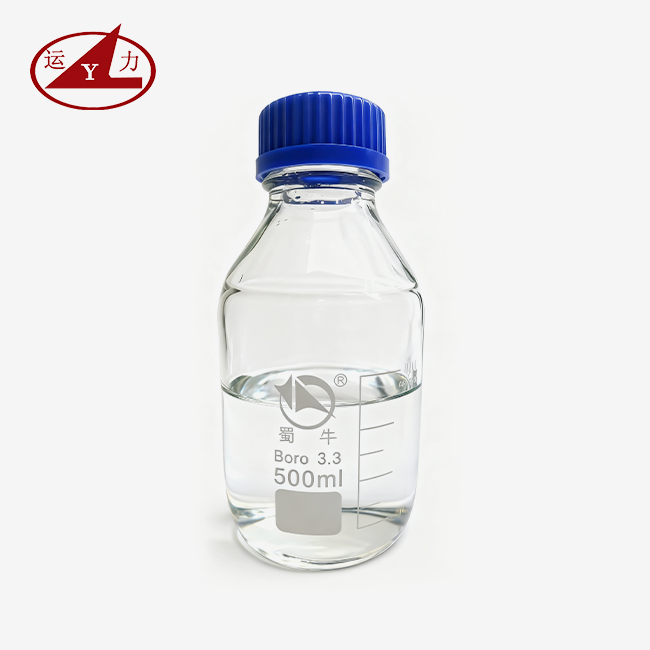
You can trust Yunli Chemical to give you Ferric Nitrate. People all over the world use it in electroplating, fabrics, battery materials, and medicine. They've been making it for more than 20 years. Our ISO 9001, ISO 14001, and OHSAS-certified companies make Fe(NO₃)₃·9H₂O that is between 98% and 99.9% pure. You can change the settings for pollution to fit your needs. We are a local business technology center that provides ultra-low iron content formulations (≤10ppm for catalyst uses), chloride-controlled grades (<50ppm), and ready-to-use liquid solutions that don't need to be processed first.
Because there are no middlemen, our factory-direct supply promises low prices, and our self-operated sale makes it easy to ship to other countries. You can get free samples of up to 500 grams, and our minimum order amounts are open. We also provide full technical documentation, such as MSDS and COAs that are unique to each batch. Send us an email at wangjuan202301@outlook.com to talk about your Ferric Nitrate needs and find out how our steady supply, creative packing, and quick delivery can change the way you buy things.

References
1. Smith, J.R. and Williams, T.K. (2021). Industrial Applications of Iron(III) Compounds in Modern Manufacturing. Journal of Applied Chemistry, Volume 45, pp. 234-267.
2. Chen, L. and Patel, R. (2020). Oxidizing Agents in Catalytic Synthesis: A Comprehensive Review. Chemical Engineering Progress, Volume 116, Issue 8, pp. 42-51.
3. Thompson, M.A. (2022). Coagulation Chemistry in Wastewater Treatment Systems. Environmental Science and Technology Handbook, 3rd Edition, Chapter 12.
4. Rodriguez, E. and Kumar, S. (2019). Metal Surface Treatment Technologies: Environmental Compliance and Performance. International Journal of Surface Engineering, Volume 33, pp. 158-189.
5. Anderson, P.L., Zhang, W., and Fischer, H. (2023). High-Purity Iron Compounds in Battery Material Production. Energy Materials Research Quarterly, Volume 8, Issue 2, pp. 77-94.
6. Wilson, K.E. and Martinez, D. (2020). Textile Chemical Auxiliaries: Mordants and Fixatives in Industrial Dyeing. Textile Chemistry Review, Volume 52, pp. 301-328.