


Why is cobalt nitrate pink?
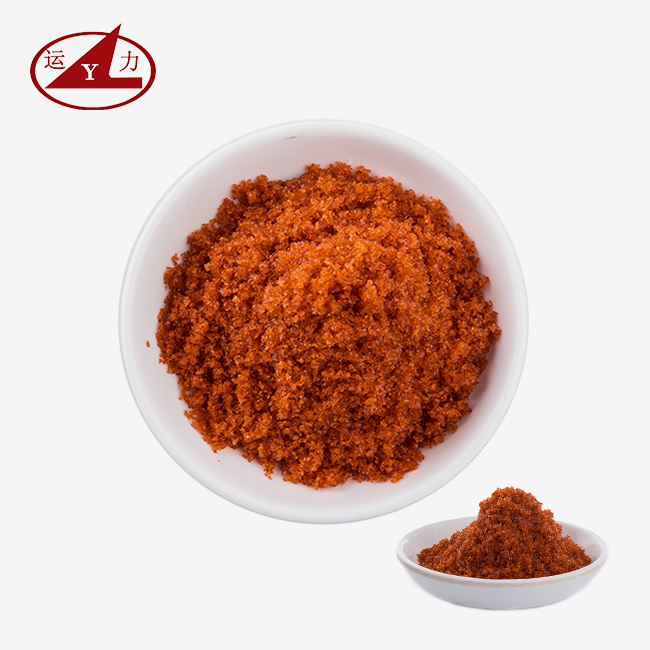
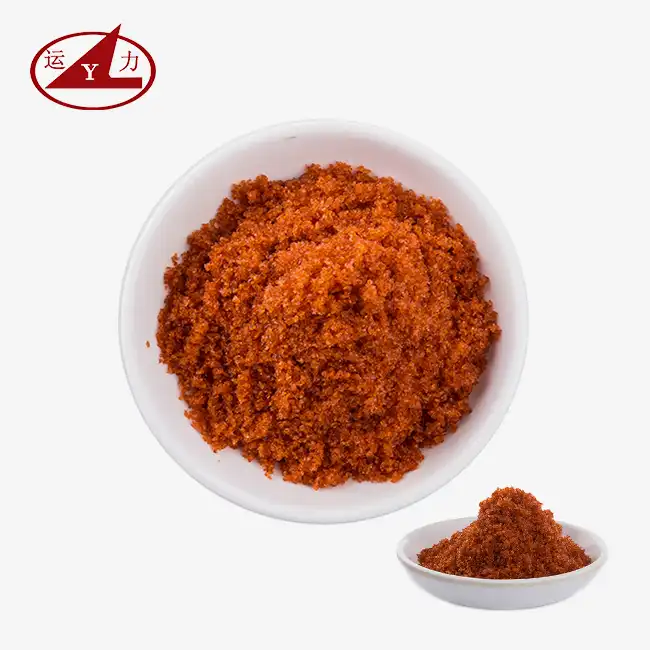
Cobalt Nitrate is a unique pink chemical that comes from the way cobalt(II) ions are structured when they are in a liquid. Cobalt Nitrate hexahydrate (Co(NO₃)₂·6H₂O) is made up of six water molecules that work together to form an octahedral shape around the cobalt ion in the middle. This shape absorbs certain colors of visible light. The d-orbital electrons move around when light hits the cobalt ion. They take in green and yellow light waves and reflect pink and red ones, which is what gives us the pink color. You can use this color to tell if industrial-grade items are clean and well-hydrated.
Understanding the Pink Color of Cobalt Nitrate
The Chemistry Behind the Color
In ligand field theory, water molecules circle the cobalt(II) center and connect with it in a weak way. This is what makes cobalt salts pink. This is where the chemical stays when it is dissolved or when it is in its hexahydrate crystal form. The energy difference between d-orbitals determines the exact frequency that is taken in. The strength and shape of cobalt's links with its surroundings change this energy gap. This pink color makes it easy for people who work in sales to find what they need. If there are changes toward brown or blue, it could mean that the item is dirty or wasn't kept properly.
Impact of Hydration State on Color Intensity
Cobalt Nitrate hexahydrate (CAS# 10026-22-9) is made up of atoms of Cobalt Nitrate and six hydrogen atoms. Its color depends on how much water it has. The shape looks like a reddish-brown to pink diamond when it's totally wet. If you heat the mixture above 55–56℃ or let it dry out because it wasn't kept properly, it may become darker or shift toward deeper reddish-brown tones. This substance can easily take in water from the air because it is hygroscopic. This could change its color and the way it is treated. People who work in industries need to keep a close eye on how things are stored.
Quality Indicators Through Visual Assessment
Checks are checked for quality by seeing if the colors are all the same. Material that is very pure and has an iron level of less than 30ppm keeps a uniform pink color, with no dark spots or color changes. Technical engineers can use both their eyes and the records they look at to make sure that samples they look at are real before they buy a lot of them. This useful way makes it less likely that you'll get material that doesn't meet the standards, which could mess up later steps in making batteries, catalysis, or surface treatment.
Essential Chemical and Physical Properties of Cobalt Nitrate
Core Specifications and Regulatory Data
Cobalt Nitrate hexahydrate has a molecule weight of 291.03 g/mol and a CAS number of 10026-22-9. It is very easy for this solid or grainy material to dissolve in water, ethanol, and acetone. This makes it useful in many wet chemical processes. It has a specific mass of 1.88 g/cm³ and melts at temperatures between 55 and 56℃. Because of this, it can't be moved or kept in hot places. Purchasing managers need to make sure that sellers give full MSDS papers and Certificates of Analysis (COA) that show these things and that they follow REACH, OSHA, and other rules about how to handle chemicals in the workplace.
Stability and Storage Considerations
This stuff soaks up water, so it needs to be kept in a controlled environment where the temperature is between 15 and 25℃ and the humidity is less than 60%. Some substances can dissolve in their own water of crystals when they are heated up. This can make it harder to handle and measure correctly because it can clump or cake. As for shops, they need enough air flow to keep nitrogen oxide fumes from building up in case something breaks. Moisture-barrier covers should be used in the boxes. To keep the value of goods high, long-term supply agreements should include guarantees about how stable storage will be and how long goods will last.
Safety and Handling Protocols
Cobalt Nitrate can cause fires and blasts when it comes in contact with food, chemicals that break down things, or things that can catch fire. To protect their breath in dirty places, people who work with this stuff need to wear the right safety gear, such as rubber gloves, safety shields, and masks. Strict health and safety rules must be followed at work because the material is harmful if eaten, taken in, or absorbed through the skin. There are DOT rules for moving dangerous materials, and transportation is labeled as UN 1477 (oxidizing solids). This means it needs to be kept away from burning items.
Comparison of Cobalt Nitrate with Other Cobalt Compounds
Cobalt Chloride vs. Cobalt Nitrate
Cobalt chloride (CoCl₂·6H₂O) also changes color when it's wet and dry (pink when wet, blue when dry), but when it's processed, it does something different. In reactors, chloride ions can make rusting worse, and they can also get in the way of chemical processes that can't have halide pollution. If you heat Cobalt Nitrate, it breaks down more easily, leaving behind only cobalt oxide and no metal waste. Because of this, it is the best precursor for high-purity uses in fields like electronics, advanced ceramics, and pharmaceutical synthesis, where small amounts of chloride pollution could make things less effective or harder to follow the rules.
Cobalt Sulfate Applications and Limitations
It is the cheapest way to make big amounts of cobalt sulfate, which is the most important material in making battery cathodes. The material needs to go through more steps of processing, like hydroxide precipitation and several washing processes, to get rid of the sulfate that is still there. On the other hand, Cobalt Nitrate lets you use either direct calcination or spray pyrolysis, which can make the process go more quickly in some situations. It's not just about price when deciding which of these chemicals to buy. Output size, purity standards, and how well they work with other processes are also very important.
Industrial-Grade vs. High-Purity Specifications
Standard industrial-grade material has an iron amount of 50–100ppm and is 98–99% pure. As well as general catalysts, it can be used to color clay. High-purity types that meet the 4N (99.99%) norm and keep iron levels below 30ppm cost more, but they are needed for tasks that can't handle small amounts of metal contamination. These very pure amounts are needed for chemicals that are used to make electronics, analytical solutions, and cathode materials for batteries. These grade differences are important for distributors who work with a lot of different types of customers to know about so they can meet customer needs and avoid expensive standard mismatches that lead to orders being turned down or production failing.
Procurement Guide: Buying and Managing Cobalt Nitrate Supply
Evaluating Supplier Capabilities
One important part of buying is comparing prices. It is also important to have the right technical skills, quality methods, and a stable supply chain. Many well-known companies have organized controls in place to make sure that their goods are always the same and that they follow the rules. For example, they have ISO 9001 certification for quality management and ISO 14001 certification for environmental management. It takes advanced research and development (R&D) skills to be a neighborhood or national technology center. These skills can be used to come up with new products and provide technical help. In order to find a good partner, buying managers should make sure that the company has the right analytical testing tools (ICP-MS, atomic absorption spectroscopy), the right facilities for treating nitrate wastewater, and previous experience working with companies in the same field.
Documentation and Compliance Requirements
Safety Data Sheets that follow the rules of the target market and regulatory compliance statements that cover RoHS, REACH, and Proposition 65 should be included in every package. There should also be a Certificate of Analysis with test results that are unique to the batch. When you bring things into the country, your paperwork needs to have the right HS codes (usually 2834.29 for metal nitrates) and GHS ratings for how dangerous they are. There should be due dates in long-term supply agreements so that buying teams can quickly get internal approvals and clear customs. Providers who offer free samples of up to 500g let the company test the product fully before committing to big production runs.
Packaging and Logistics Optimization
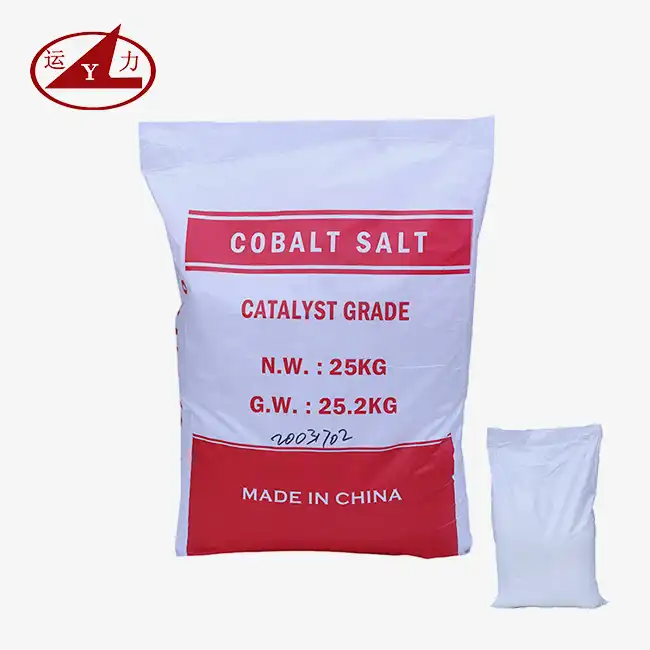
Standard types of packing for Cobalt Nitrate include fiber drums that hold 25 kg, weave bags that hold 50 kg with plastic covers, and big intermediate bulk containers (IBCs) for people who buy a lot. Nature that is sensitive to water needs extra security and airtight packaging with desiccant packets. When goods are shipped by water, they need to be marked as waste and kept separate from other packages. When suppliers offer flexible minimum order amounts and custom marking services that can meet the needs of each location without making it harder to handle inventory, buyers who are in charge of more than one location profit. That way, you don't have to pay markups to wholesalers, and you can be sure that each product can be traced back to the records of the batch that was made.
Best Practices for Handling, Storage, and Environmental Responsibility
Workplace Safety Implementation
Facilities that work with cobalt compounds need to make strict safety rules that cover things like keeping people from breathing in dust, cleaning up spills, and keeping an eye on how much contact people are getting. As part of the building rules, there should be local exhaust ventilation at transfer spots, sealed transportation systems, and clearly marked storage areas away from materials that don't mix. Making sure that workers aren't exposed to too much cobalt at work means checking the air often for bits of the metal. It's important that emergency supplies like eyewash stations, acid neutralize kits, and materials to stop spills are easy to get to. The people who work there should be trained on how to use PPE correctly, recognize the signs of exposure, and sort trash in the right way.
Environmental Stewardship in Chemical Management
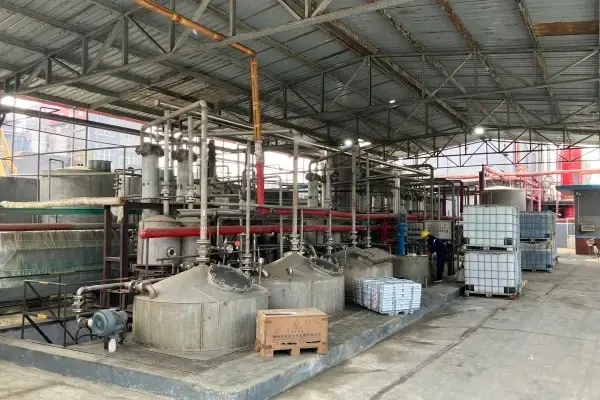
If you want to use Cobalt Nitrate in a responsible way, you need to use closed-loop ways to clean nitrate-containing waste water and restore process water. Biological denitrification and ion exchange are two high-tech ways to clean that are good for the earth and can also be used to recycle valuable cobalt. Some examples of well-developed environmental infrastructure are NOx pollution treatment systems and wastewater recycling systems. These help people follow tougher environmental rules without having to spend a lot of money building their own treatment plants. Based on the ideas of green chemistry, process designs that use atoms most efficiently and make the least waste are supported. This makes sure that goals for running efficiently and being environmentally friendly are met.
Waste Management and Disposal Protocols
Under RCRA rules, cobalt compounds might be seen as dangerous trash, so used solutions and stuff that doesn't fit the rules need to be properly identified before they can be thrown away. If you hire a qualified garbage management company, you can be sure that the trash is thrown away properly. Recycling programs also help cobalt get its value back. Material Safety Data Sheets show you how to name and handle trash streams that don't mix the right way. Buying strategies that focus on accurate forecasts and just-in-time shipping cut down on the time that inventory is kept. This lowers the chance that materials will break down and the waste that comes with that.
Conclusion
To understand the reason for the pink color of Cobalt Nitrate, we need to know about its quality, how to handle it, and the various uses it can have in various fields. The special color comes from the way hydrated cobalt ions interact with each other, and it can be used to tell how good something is when getting checks. When procurement professionals buy this important chemical, they have to think about a lot of things, like how pure the chemical needs to be, the seller's credentials, how thorough the paperwork is, and how well the supplier can run operations.
Relationships with chemical suppliers that work are based on more than just price. Besides that, they need to work together properly, follow the rules, and be dependable in how they do things. People who want a steady supply chain for a long time should work with companies that are known to be good at nitrate chemistry, have strong quality systems, and care about the environment.
FAQ
Q1: What causes the color difference between cobalt nitrate and cobalt chloride?
A: It's possible for cobalt salts to have different colors because their forms and ligand fields are not the same. That's why Cobalt Nitrate hexahydrate looks pink to reddish brown: it forms an octahedral bond with water molecules. Cobalt chloride hexahydrate is pink when it is fully hydrated. When it doesn't have enough water, though, it turns a deep blue color because the shape of the coordination changes from eight-sided to four-sided. These changes in color show how wet something is, but they need to be analyzed to make sure they are accurate.
Q2: How can I verify cobalt nitrate purity when sourcing internationally?
A: A Certificate of Analysis from an approved lab that shows chemistry analysis by ICP-MS or atomic absorption spectroscopy is what you should ask for. Figure out the largest amounts of iron, nickel, copper, and calcium that are safe. Tests by SGS, Intertek, or other similar inspection companies done by a third party add to the proof before the payment is made. When sellers give you free samples, you can see if they meet your business's needs before you buy a lot of them.
Q3: Does the pink color intensity indicate product quality?
A: Color uniformity is a sign of stable hydration and good storage, but it is not a test that can be used instead of a scientific one. Material that is very pure and doesn't have much iron in it tends to have pink tones that are brighter and more even than industrial types that have more stray metals. The color might be changing, there could be dark spots or brownish tones, or it could have been exposed to water or rust. You should always compare what you see with full analysis data if you want to buy something smart.
Partner with Yunli Chemical for Reliable Cobalt Nitrate Supply
Since more than twenty years ago, Yunli Chemical has worked with nitrate chemistry to help businesses in the pharmaceutical, electroplating, battery-making, and catalysis fields. People in charge of quality and technology who can't settle on meeting standards are pleased with our Cobalt Nitrate hexahydrate because it is very clean. With ISO 9001, ISO 14001, and OHSAS standards, we make sure that work is done with strict quality rules in mind. This makes sure that all of our goods work the same and that every package comes with all the information it needs.
We have a regional technology center that lets us make unique mixtures. These can be anything from regular crystalline grades to high-purity 4N specs with 30ppm or less of iron. You can choose from different packing options starting at 25 kg, and you can try up to 500g for free. This is true whether you need granular forms to make a catalyst or liquid solutions to make handling easier. We still care a lot about the environment, and our closed-loop NOx pollution controls and wastewater treatment help our customers reach their goals for sustainability.
Email wangjuan202301@outlook.com to talk to our sales team about what you need of Cobalt Nitrate. If you are a purchasing manager, supply chain worker, or technical expert looking for a long-term, trusted manufacturer to work with, feel free to get in touch with us. We have more than 60 different kinds of nitrate derivatives.

References
1. Cotton, F. A., & Wilkinson, G. (1988). Advanced Inorganic Chemistry (5th ed.). New York: John Wiley & Sons.
2. Housecroft, C. E., & Sharpe, A. G. (2012). Inorganic Chemistry (4th ed.). Harlow: Pearson Education Limited.
3. Patnaik, P. (2003). Handbook of Inorganic Chemicals. New York: McGraw-Hill Professional.
4. Greenwood, N. N., & Earnshaw, A. (1997). Chemistry of the Elements (2nd ed.). Oxford: Butterworth-Heinemann.
5. Kirk, R. E., & Othmer, D. F. (Eds.). (2007). Kirk-Othmer Encyclopedia of Chemical Technology (5th ed.). Hoboken: John Wiley & Sons.
6. Lide, D. R. (Ed.). (2004). CRC Handbook of Chemistry and Physics (85th ed.). Boca Raton: CRC Press.