


Where can i buy ferric nitrate?
When looking for reliable places to get Ferric Nitrate, you have a few options. Fe(NO₃)₃·9H₂O that is used in industry can be bought from specialized chemical manufacturers with strict quality controls, through well-known B2B platforms that match buyers with confirmed sellers, or from local chemical traders that work with certain industries. Going straight to the maker is usually the best way to save money when you buy in bulk. You can also make sure you can keep track of your items and get expert help that is tailored to your needs. Working with an ISO-certified producer like Yunli Chemical gives purchasing managers a steady supply of high-quality goods over a long period of time. They also provide compliance documentation, flexible specifications, and quick service that meets the needs of electroplating, catalyst production, and specialty chemical manufacturing.
Understanding Ferric Nitrate: Key Information for Buyers
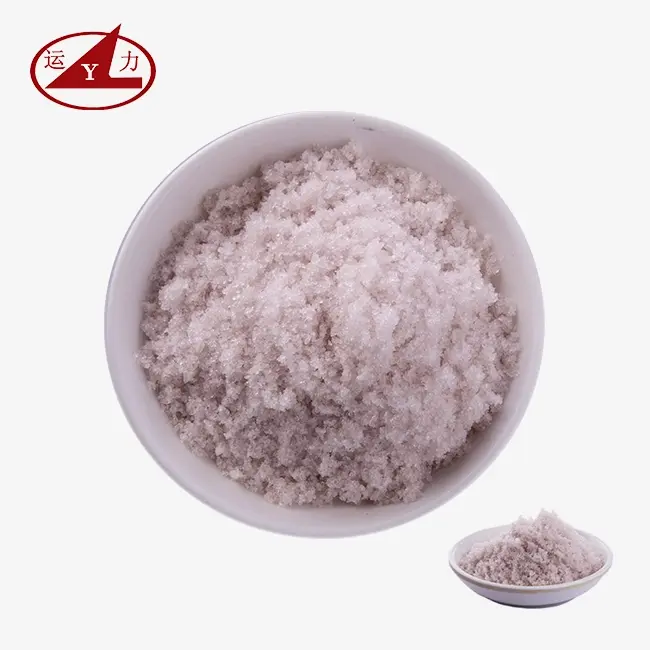
There are 404.01 grams in a mole of Ferric Nitrate nonahydrate (Fe(NO₃)₃·9H₂O, CAS 7782-61-8), which is a solid purple material. This iron salt is easy to mix and has a mass of 1.68. It's not like other industrial iron mixtures because it melts at 47.2°C. When heated above 125°C, the substance breaks down and gives off nitrogen fumes. It is easy for it to pull water from the air because it is deliquescent, so it needs to be kept carefully in sealed cases in climate-controlled areas.
Chemical Properties and Oxidizing Behavior
As a Class 5.1 oxidizing agent, the chemical speeds up the burning of things nearby. Since it oxidizes, it can be used to make catalysts and treat metals, but it should be treated with care. When mixed with water, ethanol, or acetone, it makes acidic liquids that have a pH level between 1.5 and 2.5. It is not the same as iron salts based on halides because it has nitrate ions in it. Because of this, it can be used in places where chloride pollution is not needed, like when working with stainless steel or making electrical parts.
Industrial Applications Across Multiple Sectors
Ferric Nitrate that is not hydrated is very important in lots of different areas. It is used as a starting material by people who make catalysts for hydrogenation and methanol production. It keeps busy places from getting dirty because it is so pure. Its job is to make colors that don't run when the fabric is treated, which is called mordant. In electroplating plants, it is used to clean the surface of metals and keep protection coats from rusting. It is useful in both pharmaceuticals and fine chemicals because it can be used as a developer and a catalyst in the synthesis process. It is sometimes used in water treatment plants to coagulate, but not as often as Ferric Chloride because it costs more.
Safety Protocols and Handling Requirements
There are some risks with the stuff that need to be thought about. It affects the skin when it comes in close contact with it because it is acidic and reactive. If you mix organic materials, reducing agents, or flammable materials, you can get strong reactions, fires, or blasts. When you're dealing, you need to wear the right PPE, like gloves that can handle chemicals, safety glasses, and clothes that protect you. The places where things are kept must be cool (below 25°C), dry, and away from other things that don't belong there. When moving reactive materials (Packing Group III), you have to follow the rules in UN 1466. Worker should know what to do in case of an emergency with a spill or exposure, and MSDS sheets should be easy to find.
Comparing Ferric Nitrate with Alternative Iron Salts
The people who work in procurement often compare different iron combinations to find the ones that work best and cost the least. If you know the differences between Fe(NO₃)₃·9H₂O and other options, you can choose the right material for the job.
Ferric Nitrate vs. Ferric Chloride
Most of the time, Ferric Chloride (FeCl₃) is used to clean water because it is cheap and good at clumping things together. It's not all good, though. The chloride ions make cleaned water more conductive and can mess up processes that are sensitive to halides later on. They also speed up the rusting of stainless steel equipment. Because Ferric Nitrate doesn't cause these problems, it is better for processes that use steel containers, make water with low conductivity, or make things that can't be contaminated with chloride. It's also easy for the nitrate type to break down into iron oxides without leaving any acidic chemicals behind. When you cut or treat surfaces, this makes tools last longer.
Ferric Nitrate vs. Ferric Sulfate
Ferric Sulfate (Fe₂(SO₄)₃) costs about the same as chloride and nitrate types. Sulfate ions aren't always as bad as Ferric Chloride, but they can still be bad in some cases. In the making of pharmaceutical intermediates and electronic-grade chemicals, sulfate waste must be avoided at all costs. Ferric Nitrate also dissolves better in organic liquids like ethanol. This makes it useful in processes like catalyst impregnation and formulation chemistry where water-based systems aren't appropriate.
Ferrous Nitrate Considerations
This is because iron in Ferrous Nitrate (Fe(NO₃)₂) is in the +2 oxidation state instead of the +3 oxidation state. This makes it chemically different in a basic way. It is not an oxidizer, but a reduction agent, and it is used for very different things in industry. When you need to oxidize something, make a catalyst, or keep the iron(III) chemistry solid, you can't use ferrous compounds instead of ferric compounds. They both have names that sound like things that are used in science, but they are not the same.
How to Choose the Right Ferric Nitrate Supplier?
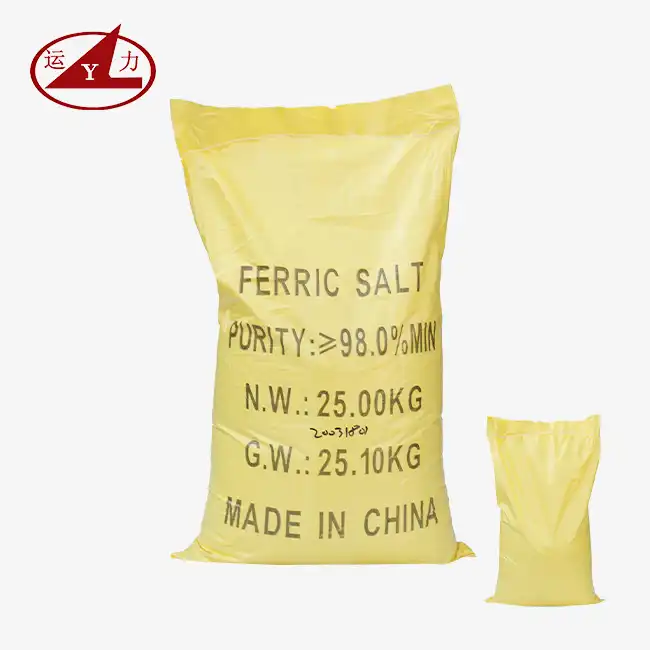
Picking a trustworthy source impacts the quality of the product, following rules, and the ability to keep processes running. There are a few things that you should check out about a seller.
Quality Certifications and Manufacturing Standards
Getting ISO 9001 approval means that quality control is planned. This makes sure that each batch is the same, which is important for process safety. The brand risks in the supply chain are smaller because ISO 14001 shows that production is good for the environment. To show that you care about worker safety, get OHSAS or ISO 45001 certification. This shows that your business is grown and stable. Certificates of Analysis (COA) should be given by providers for each package. These show the physical properties, impurity profiles (like the amount of iron, sodium, and chloride), and purity levels for each package. It's important to show proof that you're following the REACH rules for European markets or other nearby rules.
Production Capacity and Supply Stability
Check to see if the company is financially stable by looking at how much they make each year and how many fixed assets they have. Yunli Chemical is a big enough company to easily handle regular volume orders. They make over RMB 1 billion in sales every year and have built up RMB 300 million in fixed assets since 2005. Getting approval from the provincial government as a technology center, like Yunli did in 2019, shows that the center is still putting money into research and development and can solve technical issues. Ask about backup production lines, ways to get raw materials, and stocking rules to find out how well the company can handle supply problems.
Technical Support and Customization Options
These days, service providers give more than just basic chemicals. Get together with people who can help you deal with your impurities in a way that works for you. For instance, people who make catalysts might need 10ppm of heavy metals, while 30ppm is fine for most commercial uses. Crystals of different sizes (0.5–3 mm), liquid solutions that are already dissolved, and special ingredients like anti-caking agents can be used with this process. Provincial technology centers can use ICP-MS and atomic absorption spectrometry to make 4N-grade materials that are very pure and can be used in high-tech gadgets and medicines. This is what makes skilled makers different from people who sell goods.
Distribution Networks and Logistics
Look into whether sellers can still ship directly or if they need to go through agents who add extra costs and work. Companies that handle their own exports often have better prices, better communication, and faster problem-solving. Make sure that the packing options you pick will work with the tools you have for moving things. 25kg PE bags are good for small businesses, but 500kg drums or ISO tanks are better for people who use a lot of them. Check the wait times to make sure they work with your production schedules. Also, find out how much experience the seller has sending to your area and how well they know the rules for customs and shipping for oxidizing materials.
Purchasing Ferric Nitrate: Process, Pricing, and Logistics
Know how markets and deals work before you start shopping. This will make the process go more smoothly.
Sourcing Channels and Procurement Platforms
Getting in touch with the maker directly is often the best way to get the best terms for known buyers who commit to buying a lot of tonnage. A lot of suppliers are on business-to-business (B2B) sites like Alibaba, Made-in-China, and ChemBK. This makes it easy to compare costs and do first checks. It is still important to check identities, though. Most of the time, specialized chemical dealers charge more than factory-direct prices because they send smaller amounts of chemicals more quickly to local markets. To keep the supply chain safe, make deals with at least two reliable suppliers for uses that are essential to the mission.
Pricing Factors and Cost Components
Ferric Nitrate prices change based on the cost of energy, the cost of raw materials (mostly nitric acid and iron sources), and how much people want it on the market. Industrial-grade Fe(NO₃)₃·9H₂O costs between USD $800 and $1,200 per metric ton for big orders. Versions that are used as reagents or are very pure cost between USD $2,000 and $4,000 per ton. Bulk saves are important when sales go over 5 tons. The prices depend on how the things are packed. It takes more time to work with liquid solutions, so they cost more. However, they save your center time because they can be handled faster. You should think about how much it costs to move things. The costs of shipping oxidizing materials can go up by 10–20% depending on how far the order is going and how big it is. This is because they need special ships and paperwork.
Sample Evaluation and Trial Orders
To make it easier to check, trustworthy sellers give samples (usually 500g to 1 kg) for free or at a small cost. Before you buy a lot of them, you should try some samples to see how clean they are, how the crystals look, how quickly they dissolve, and how well they work for you. Orders of 1 to 5 tons are good for testing how well the goods are packed, how reliable the processes are, and how consistent the amounts are. Details about the types of flaws that are acceptable, the physical form that must be met, and the testing methods for receiving quality control should all be included in buy agreements.
Storage and Shelf Life Management
Make plans for where to store the things before they are sent out. Because it melts at 47.2°C and is a deliquescent material, it needs to be kept in a room that is kept below 25°C and stays dry. HDPE drums with lids that keep out water can last for 12 to 24 months if they are kept in good shape. When containers are opened, they go bad quickly because they soak up water, so they need to be used right away or covered again with something that keeps the moisture out. UN 1466 says that storage areas should be kept away from areas that hold biological materials, reduction agents, and flammables. Find out how often your product needs to be changed so that you have extras on hand in case there are issues with the supply chain.
Application-Specific Insights: Maximizing Ferric Nitrate Usage
When you roll out Fe(NO₃)₃·9H₂O, you need to know how to measure success and the best way to do things for each use case.
Catalyst Manufacturing and Preparation
It breaks down fully into pure Fe₂O₃, leaving behind no metal or sulfate that could damage the active sites. This makes Ferric Nitrate the best iron source for making catalysts. The material can be mixed with ethanol or deionized water to make liquids that can be used to stick iron to silica, alumina, or zeolite supports. Depending on how much iron you want to add, the concentration should be between 10 and 30 percent w/v. Don't let the pH drop too low; it should be between 1.5 and 3.0. If you heat it to 400–600°C after it has been coated, the nitrate form turns to the oxide form. This makes iron species that are spread out and have the most catalytic activity. For lithium iron phosphate battery preparations, the performance of the finished battery depends on exact stoichiometric ratios and particle size control during precipitation.
Textile Dyeing and Mordant Applications
As a mordant for both natural and man-made dyes, Ferric Nitrate helps fabrics keep their color longer. The temperature should stay between 60°C and 80°C while the mordant baths are being used. The concentration should be between 2% and 5% of the fabric's weight. A coordination complex is made up of iron(III) ions and dye molecules. This complex keeps the molecules stuck to the fiber surfaces. Fibers don't break down or change color with chloride-controlled grades (below 50ppm Cl⁻), which can happen with Ferric Chloride. Before putting the cloth away, give it a good rinse to get rid of any extra iron that could make it stiffen up or cause reaction damage more quickly.
Metal Surface Treatment and Etching
It is used by companies that make electronics to carefully get rid of copper, silver, and zinc metals that are used to make circuit boards. For the best etching rates with the least amount of damage, warm up the etching pools to between 40 and 50°C and make sure the concentration is between 30 and 40%. What you can see is metal that has been broken down by oxidation. The photoresist protects the circuit designs you want to keep. Etchants, which are made from hydrochloric acid, let hydrogen gas escape, but nitrate treatments stop it before it can damage stainless steel industrial equipment. Once an etchant is used up, it can be recovered by oxidation or treated to get the metal back. It costs less and is better for the environment this way.
Water Treatment and Coagulation
Sometimes Ferric Nitrate is helpful, but most of the time it costs more than Ferric Chloride to clean up waste. It stops systems that work with water that doesn't conduct electricity well or that use stainless steel gear from rusting from chloride. 20 to 100 mg/L of iron is enough to get rid of phosphate and clump together solids that float on the water whenever the pH is between 5 and 9. Because the substance is easily dissolved, it can be spread out quickly and won't get stuck. It's important to know how much they cost because the more expensive ones can only be used in high-value water streams or places with salt release limits.
Conclusion
When looking for industrial-grade Ferric Nitrate, it's important to pay close attention to the application's needs, the product specs, and the skills of the supplier. The substance is very important for making catalysts, doing precise metalwork, and other jobs that need to keep a close eye on purity because it doesn't contain any chlorides and can oxidize things very well. Getting things from makers who are financially stable, offer expert support, and can make changes is a good way to make sure the quality is good. Other good ways to buy things are to look for ISO certifications and detailed paperwork. Your investment will be safe and production results will always be the same if you know how prices change, set up trial programs, and store things the right way. It's easier, cheaper, and safer to buy things directly from skilled makers than to go through middlemen.
FAQ
What is the shelf life of Fe(NO₃)₃·9H₂O under proper storage?
If you store Ferric Nitrate nonahydrate in a climate-controlled room below 25°C with low humidity and in sealed HDPE drums with moisture-barrier covers, it will stay chemically pure for 12 to 24 months. The substance will either soak up water from the air or melt in its own crystal water if it is exposed to humidity or temperatures above 30°C. This will make watery solutions that are still chemically active but harder to work with. When you open a container, you should use desiccants to close it back up right away and use it within three months so that the contents don't go bad over time.
Can ferric nitrate substitute for ferric chloride in all applications?
But Ferric Nitrate can't always be used instead of Ferric Chloride. Both Ferric Chloride and Ferric Nitrate have iron(III) ions in them. It is cheaper for water treatment plants to use Ferric Chloride, even though there are concerns about rust. But the nitrate form is needed for processes that can't handle salt, use stainless steel tools, or need very little electricity. It is often necessary to use Ferric Nitrate to keep halides out of catalyst synthesis and electronic-grade chemistry production. Before making the move, make sure that the new tools will work with your IT needs.
How do I verify the quality of ferric nitrate from a new supplier?
For industrial grade, the purity should be at least 98%. For normal grades, the iron content should be no more than 30ppm. For high grades, the salt levels should be no more than 100ppm. Finally, the pH of a 10% solution should be written on the certificate. Get some samples to use in your application before you buy a lot of them. To make sure the seller meets safety management, ISO 9001, and ISO 14001 guidelines, check with them. Check that the business is registered and that it has any necessary rights to make things. You can also get examples from people you already have in the same field. Place test orders to see how well the goods are packed, how reliable the shipping is, and how consistent the batches are before you sign a long-term supply agreement.
Partner with Yunli Chemical for Reliable Ferric Nitrate Supply
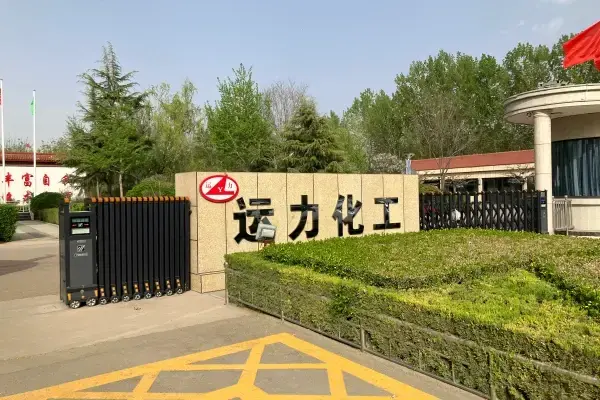
It has been making Ferric Nitrate for 20 years and has worked with clients all over the world. Yunli Chemical is a trustworthy business. Our plant has been in Shanxi Province since 2005 and has ISO 9001, ISO 14001, and OHSAS certifications. We make sure that each batch of Fe(NO₃)₃·9H₂O meets high quality standards. Its purity levels are between 98 and 99.9%, and you can choose how many impurities are in it. The regional level of our technology center has ICP-MS and atomic absorption spectrometry, which let us offer very pure grades for electronics and chemicals that need to work well.
Prices that come straight from the plant, a choice of packing such as 25kg bags and ISO tanks, no minimum order size, and free samples of up to 500 grams. Our export area cuts out the middlemen and their fees, and our expert team helps with tasks that are unique to electroplating, cloth processing, and making specialty chemicals. Send an email to wangjuan202301@outlook.com to talk about your specific needs, get COA paperwork, or set up test orders. You can also find out how our steady supply, thorough compliance paperwork, and quick service can lower your buying risks and make your production more steady.

References
1. Smith, J.R. and Thompson, K.L. (2021). "Industrial Iron Compounds: Properties, Applications, and Selection Criteria," Journal of Chemical Engineering and Materials Science, Vol. 45, pp. 112-129.
2. Anderson, M.P. (2020). "Oxidizing Agents in Catalyst Synthesis: Comparative Analysis of Metal Nitrates," Catalysis Today, Vol. 358, pp. 203-218.
3. Chen, L. and Rodriguez, P. (2022). "Quality Assurance in Chemical Procurement: ISO Standards and Supplier Evaluation," Industrial Chemistry International, Vol. 33, pp. 78-94.
4. Williams, R.D. (2019). "Corrosion Prevention in Electroplating: Iron Salt Selection and Equipment Compatibility," Surface Treatment Technology, Vol. 67, pp. 145-162.
5. European Chemicals Agency (2023). "Guidance on Safe Handling of Oxidizing Substances in Industrial Settings," ECHA Technical Report Series, pp. 1-86.
6. Martinez, F.J. and Kumar, S. (2021). "Supply Chain Risk Management in Specialty Chemical Procurement," Chemical Business Review, Vol. 29, pp. 56-73.